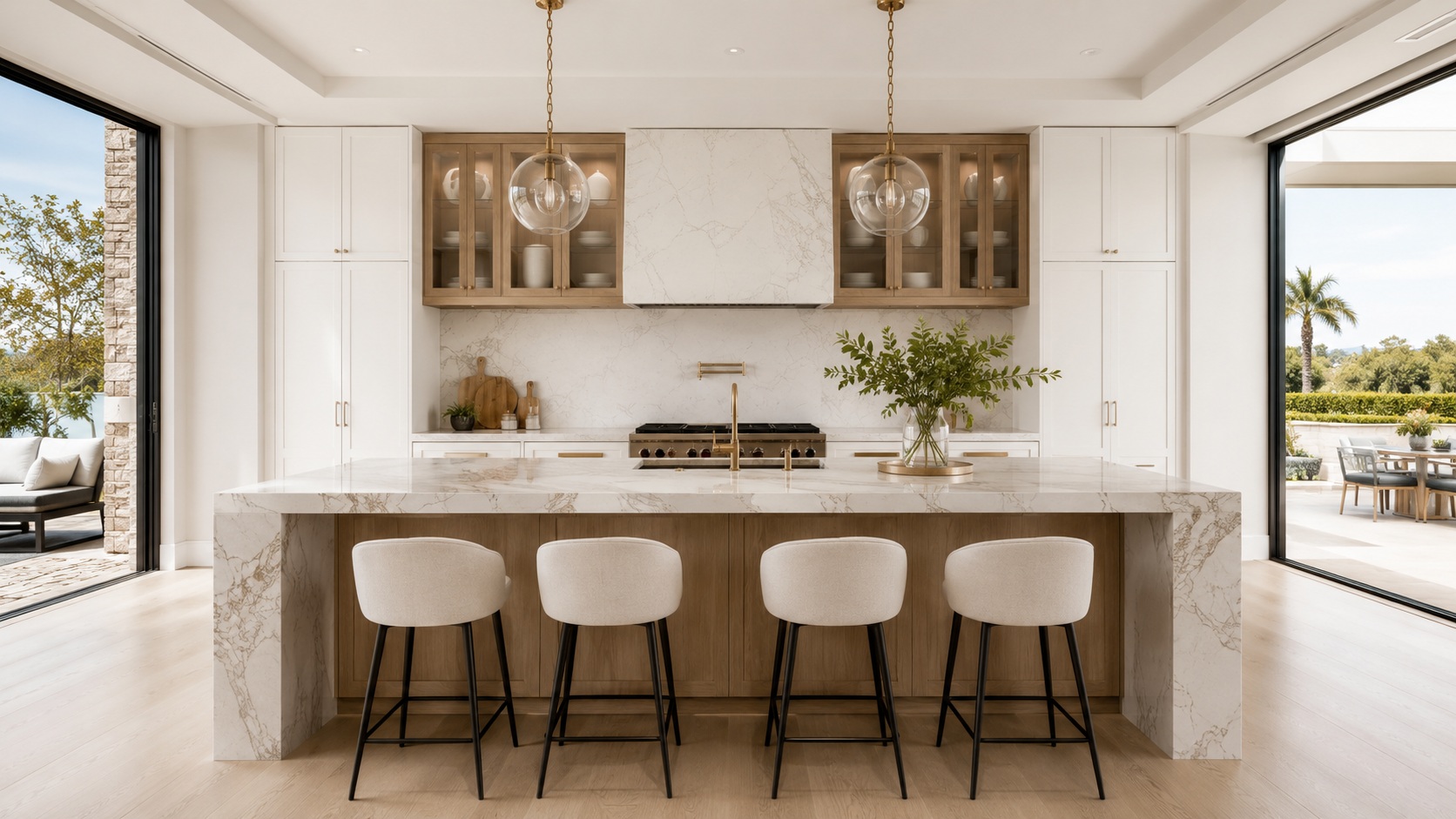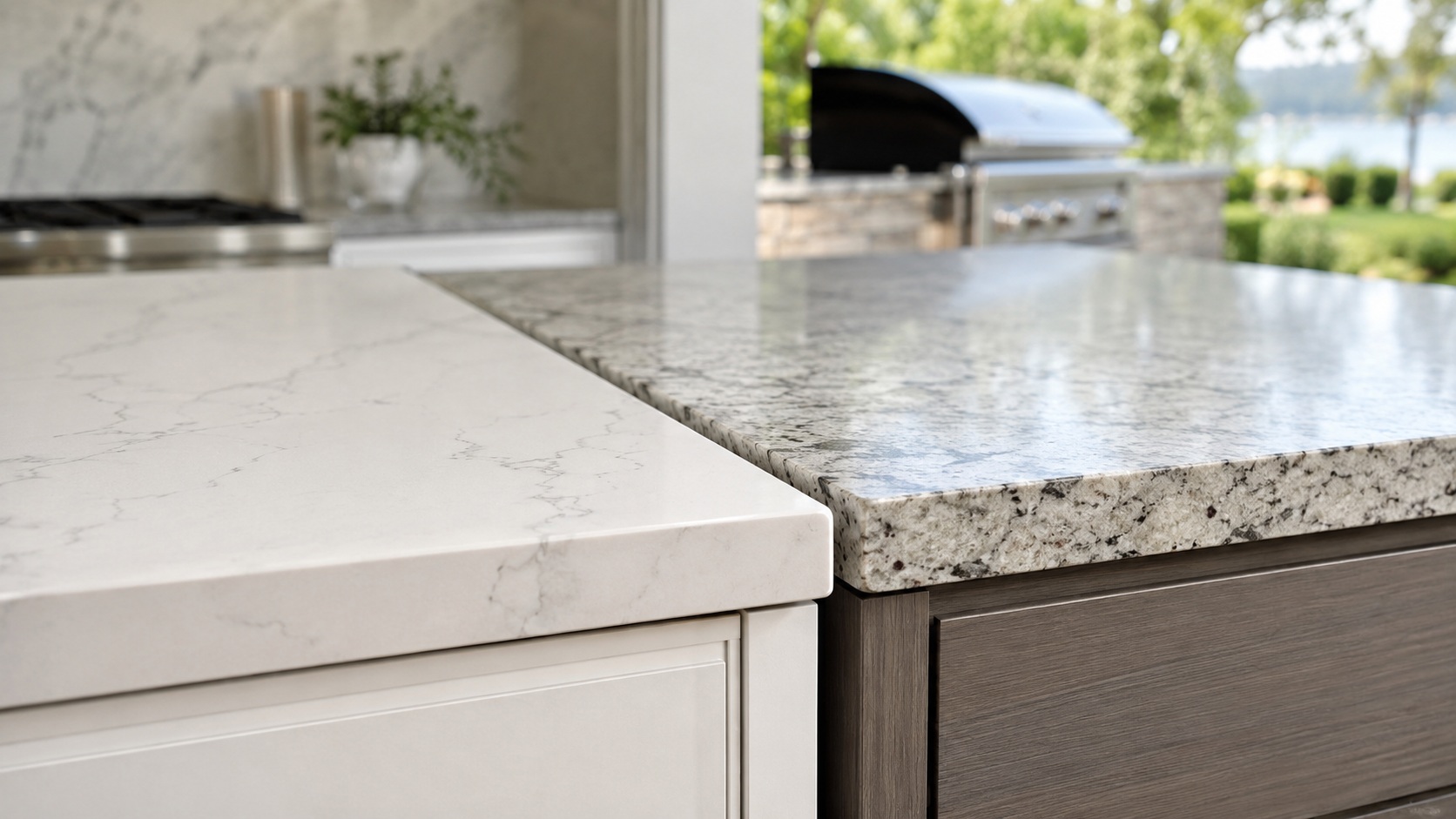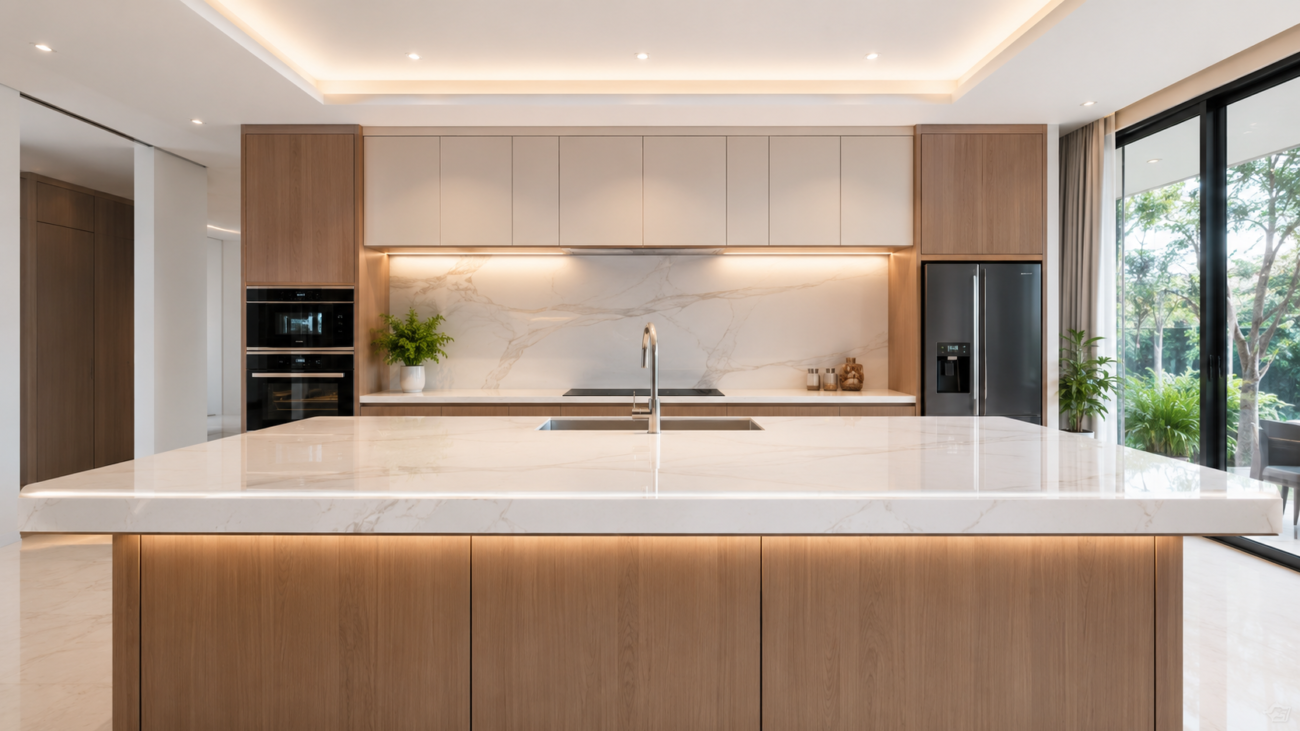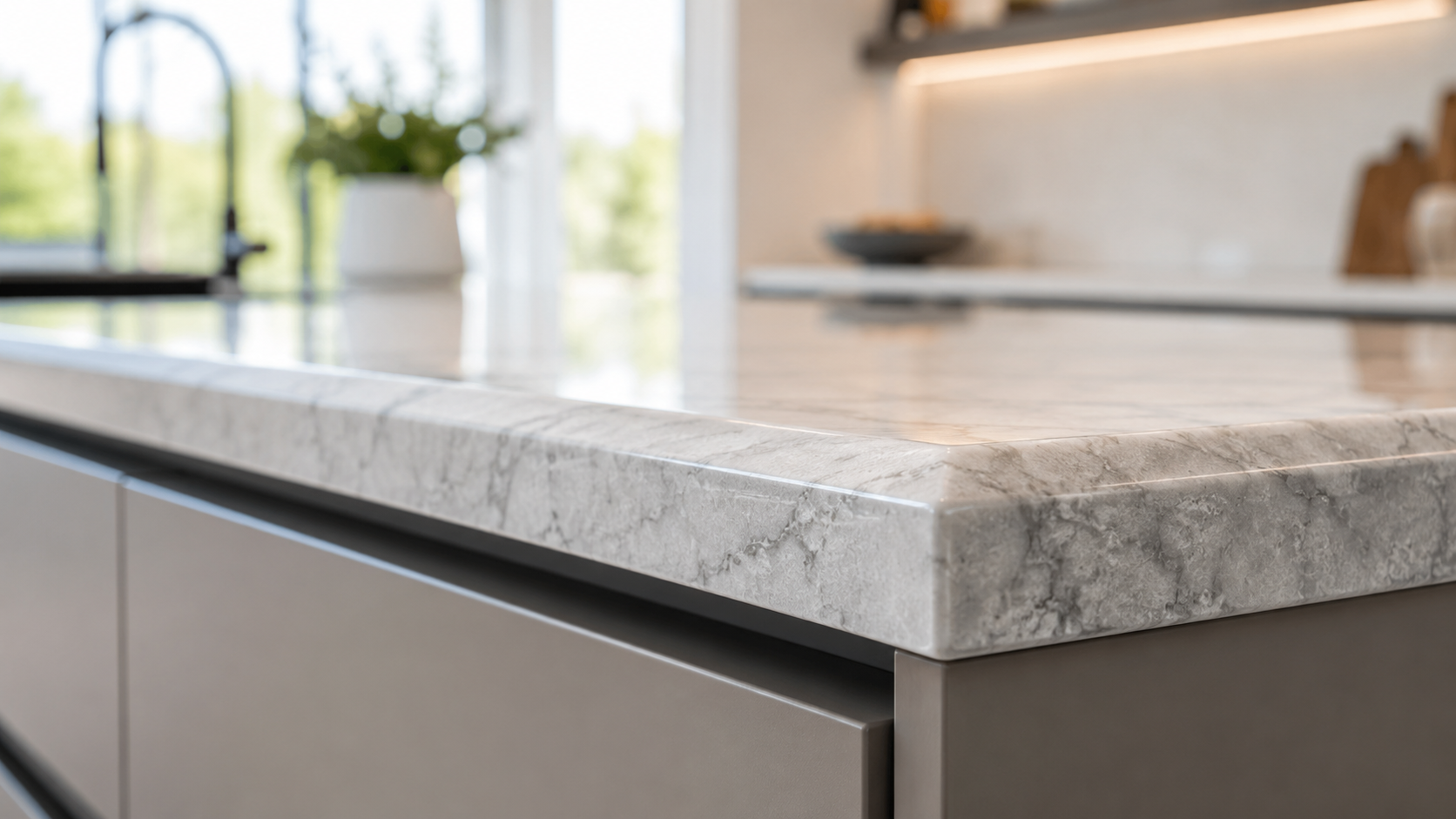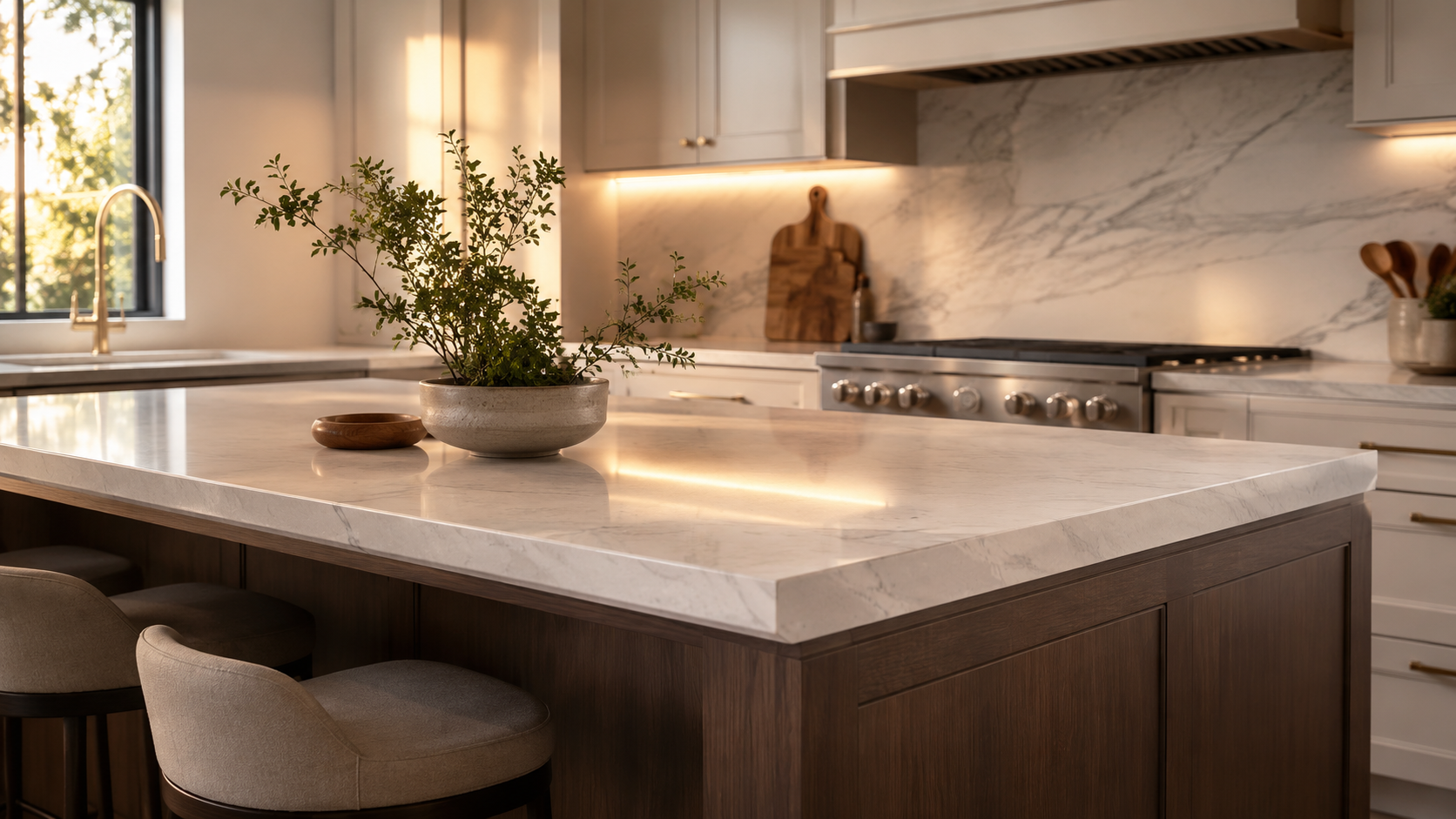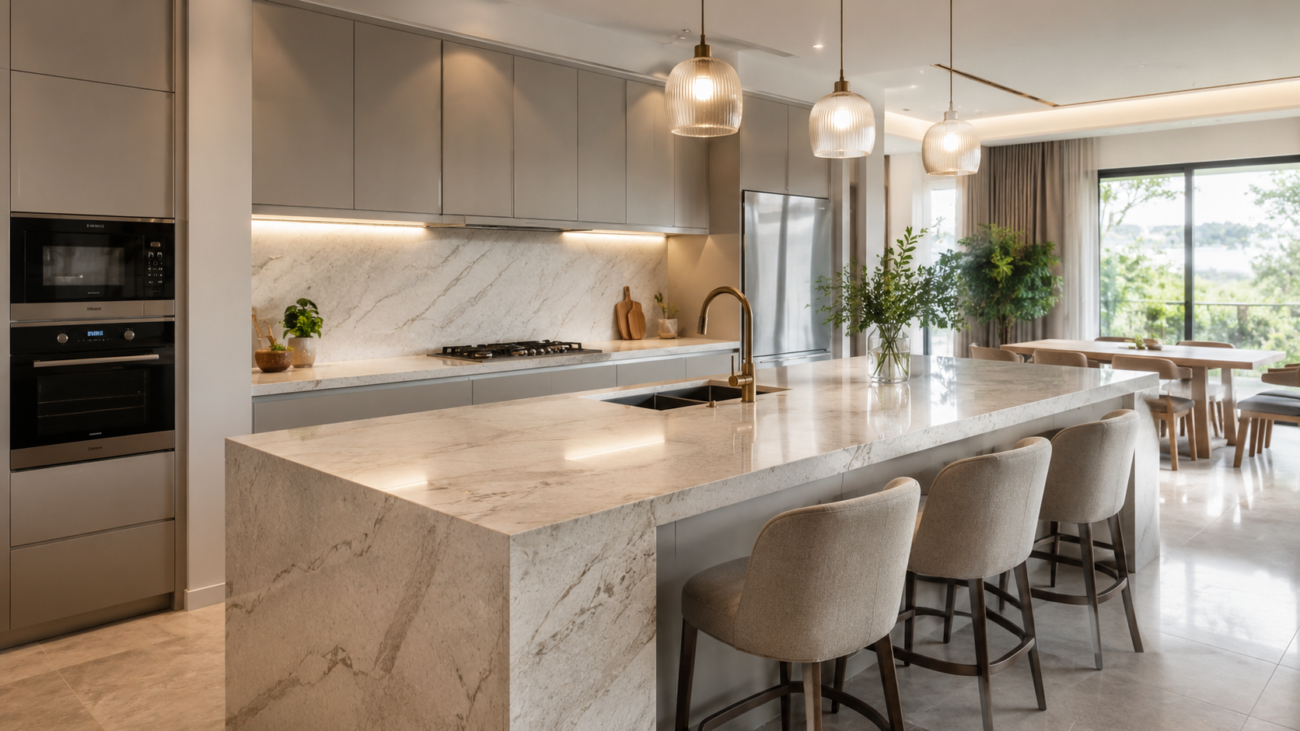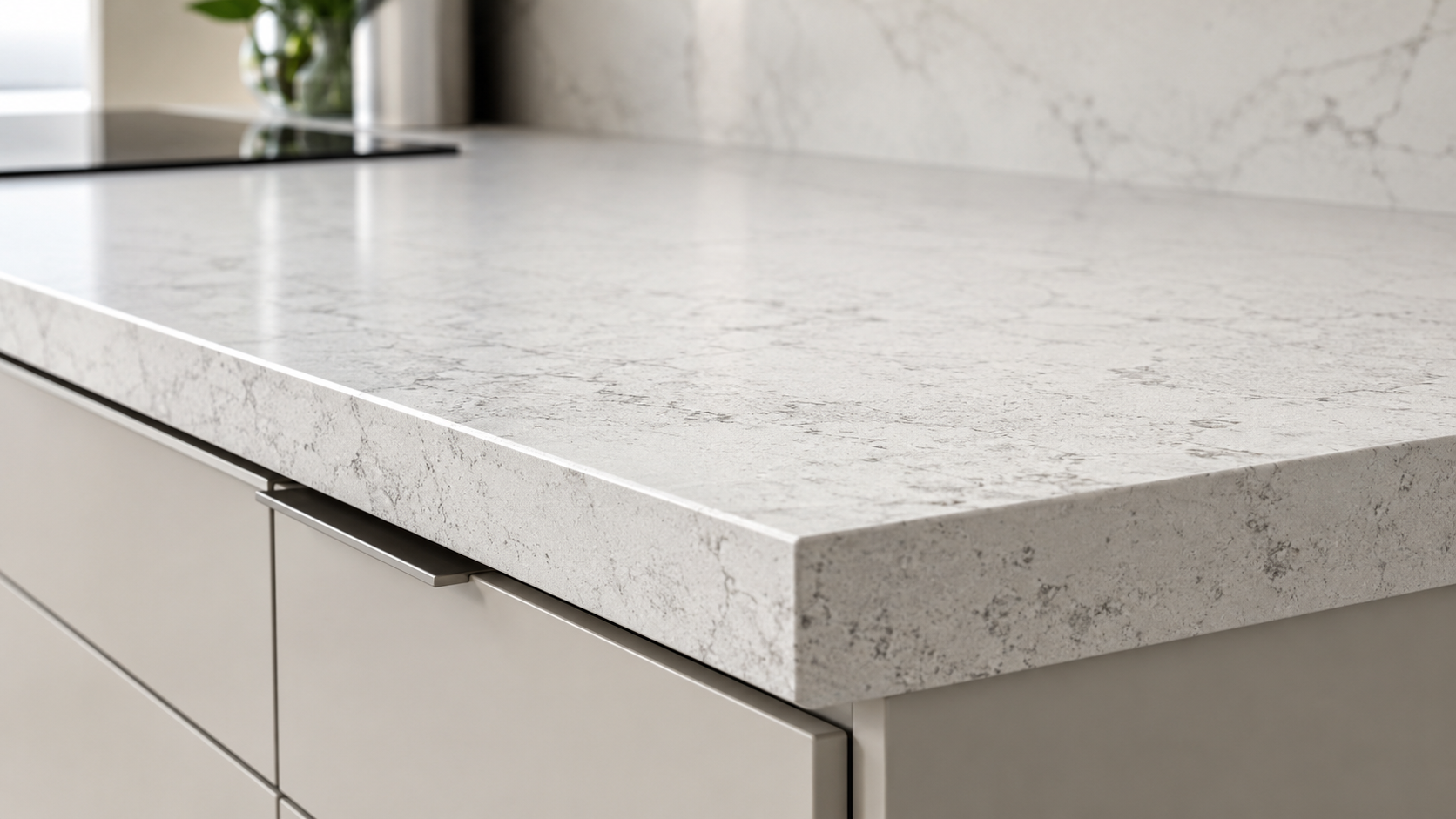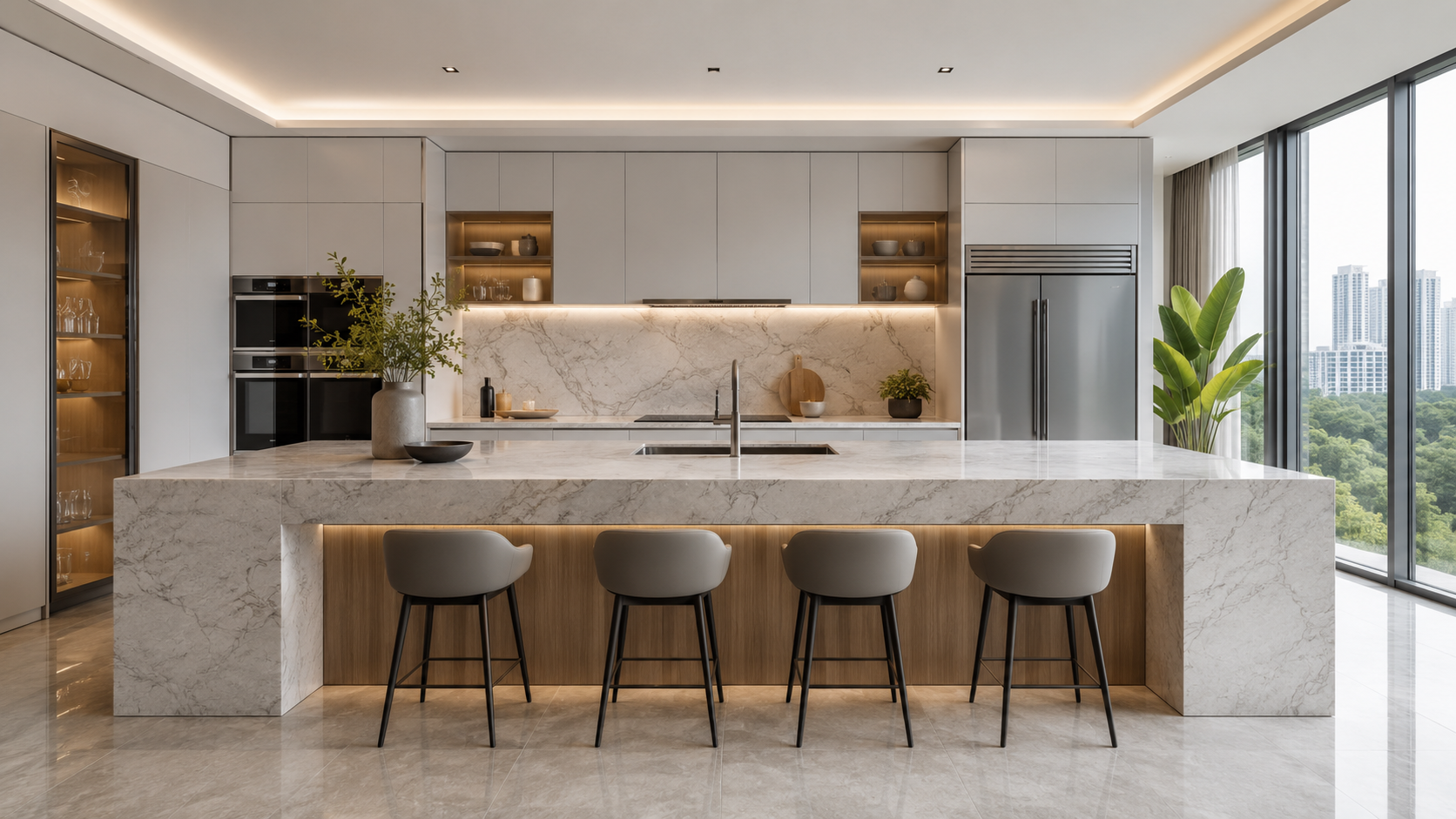
Natural Granite — The Secret Weapon for Creating Extraordinary Commercial Spaces

5a86d73b 0730 4edc aa27 7aafa0f49cb3 1

Setting the Stage for Success

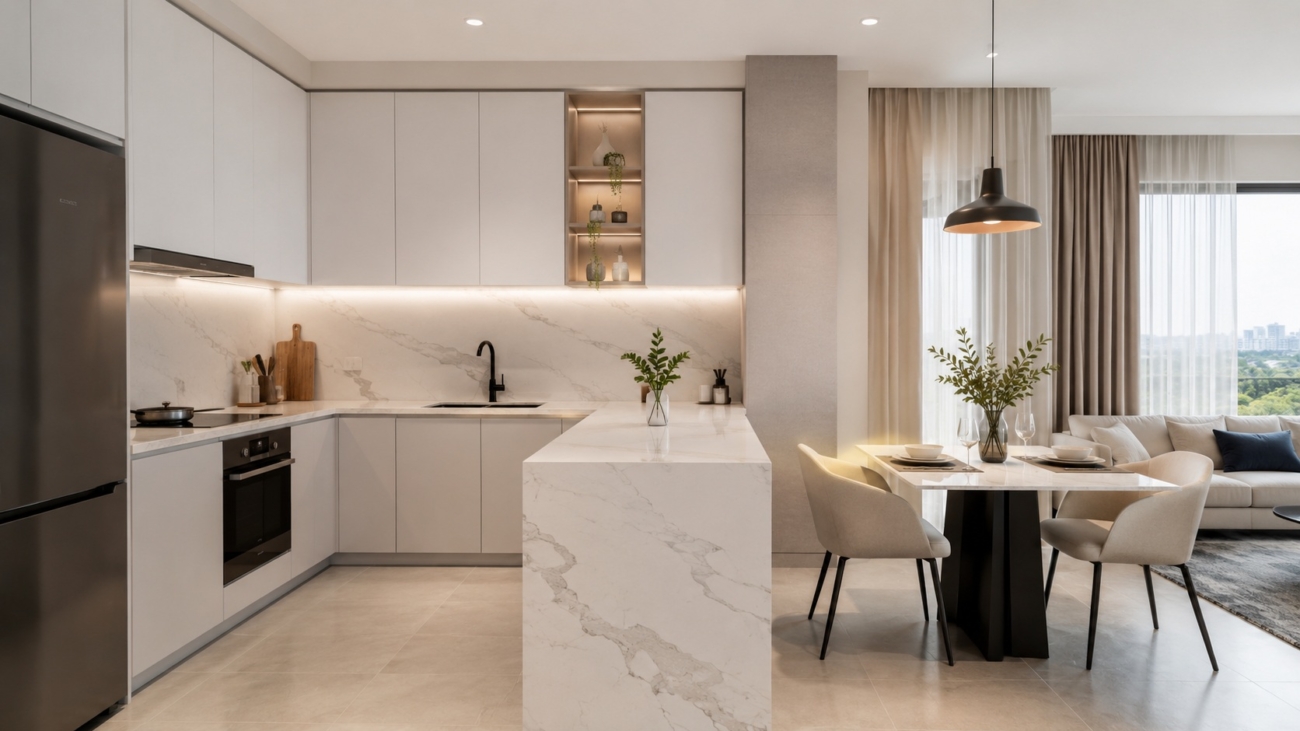
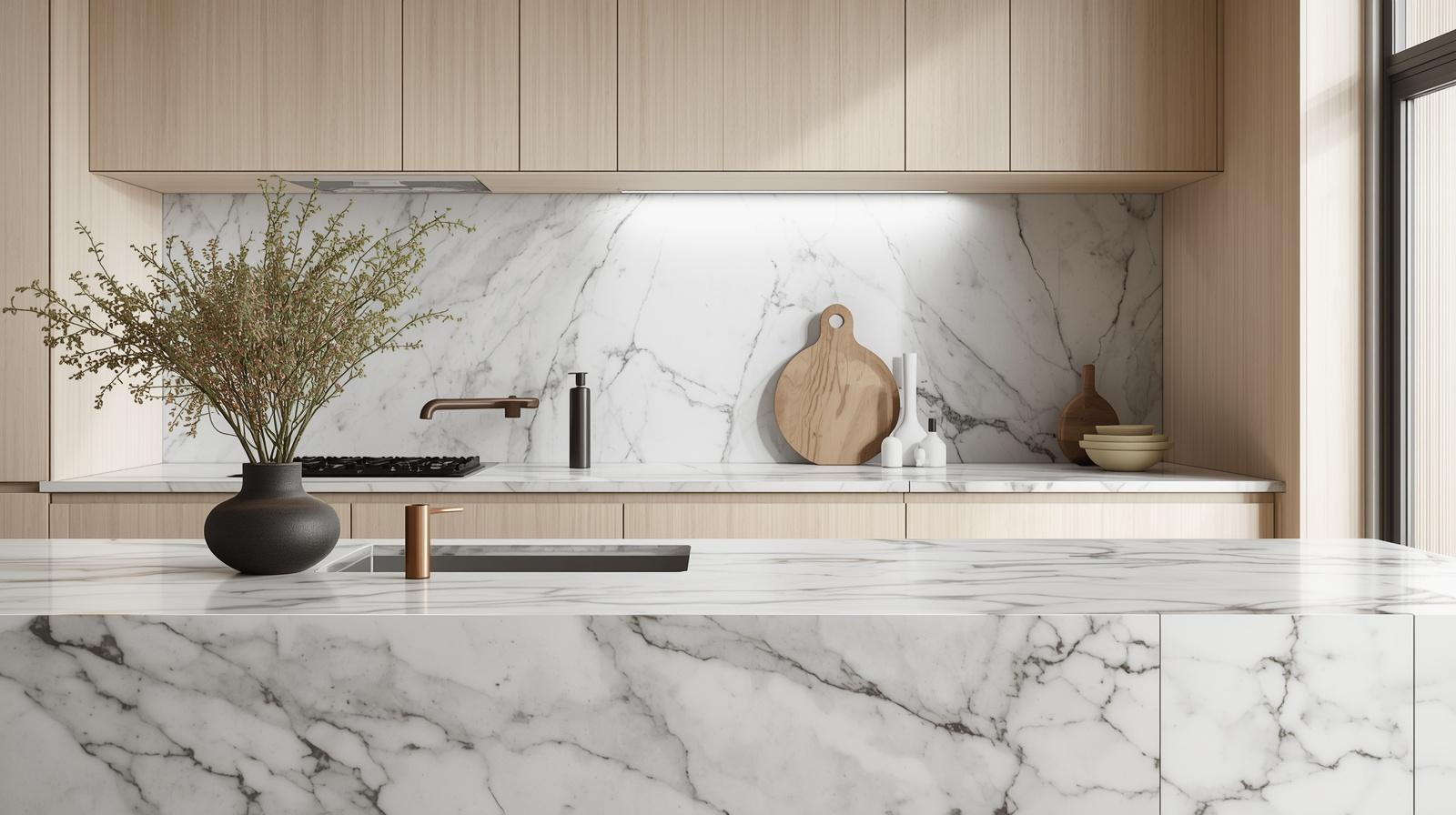
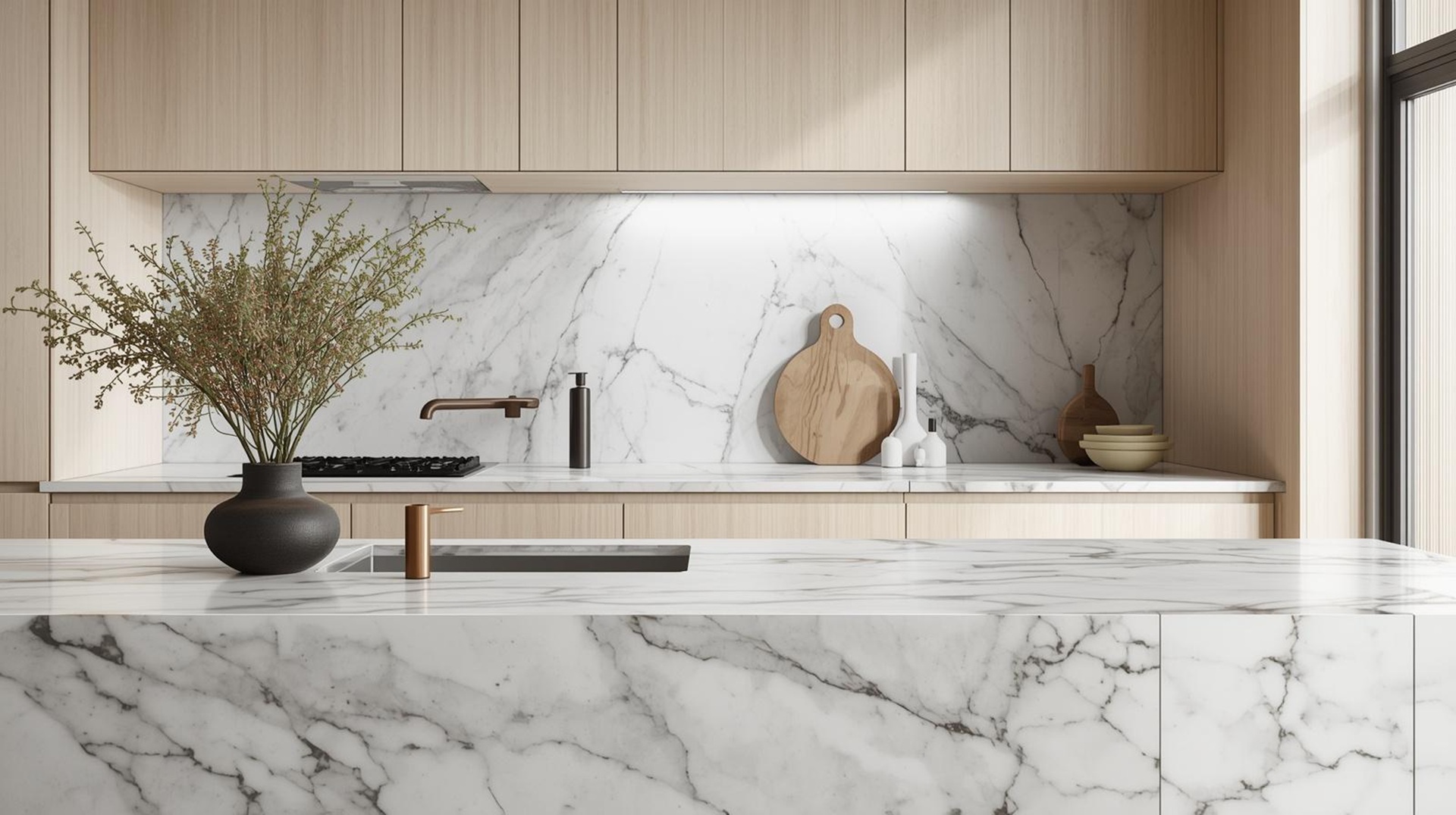
In today’s competitive commercial areas—whether it’s a high-end office lobby or a trendy restaurant in Malaysia—first impressions matter. Granite serves as the ultimate design element to transform mundane spaces into extraordinary experiences. Its use in high-impact elements such as reception tables, countertops, and even kitchen cabinets speaks volumes about your brand’s commitment to quality and innovation.

Q&A:
Q: Why is Granite ideal for commercial spaces?
A: Granite’s natural beauty and enduring strength not only elevate aesthetics but also assure long-term value in high-traffic areas.
Q: How does Granite set the tone for brand trust?
A: Using premium Granite demonstrates a commitment to quality, which builds lasting trust among customers and partners.

b1ed226d 4ca6 47ee a5cb 6d0f91c2a891 2

Natural Patterns that Tell a Story

Every slab of Granite is a unique work of art, with intricate natural patterns that cannot be replicated. This distinctiveness makes Granite a powerful visual statement when used in feature walls or countertops. In commercial areas, especially within Malaysia’s dynamic market, such eye-catching designs reinforce brand identity and capture customer attention instantly.

Q&A:
Q: What makes Granite visually appealing?
A: Its naturally varied textures and colors create a one-of-a-kind aesthetic that enhances any design.
Q: Can Granite be used in both modern and classic designs?
A: Yes, Granite’s versatility makes it suitable for various styles, ensuring a timeless look regardless of design trends.

5be288a1 89ed 4473 8e36 a9424bfbf389 2

Embracing Durability with Risk Aversion Thinking

Granite is celebrated for its exceptional durability—resisting scratches, heat, and wear. This makes it an optimal choice for functional surfaces like kitchen countertops and commercial reception tables. By choosing Granite, you employ reverse thinking: rather than facing frequent replacements, you invest in a material that offers long-term cost savings and performance stability. This risk-averse strategy is key for businesses seeking sustainable design solutions in Malaysia.

Q&A:
Q: How does Granite minimize long-term risks?
A: Its resilience reduces the need for replacements, safeguarding your investment and ensuring ongoing quality.
Q: Why is durability important in commercial design?
A: High durability in materials like Granite ensures that busy commercial areas maintain their elegance and functionality over time.

ea15a334 fe35 4ea8 b331 ca1bd59bcacb 1

Creating Functional Elegance

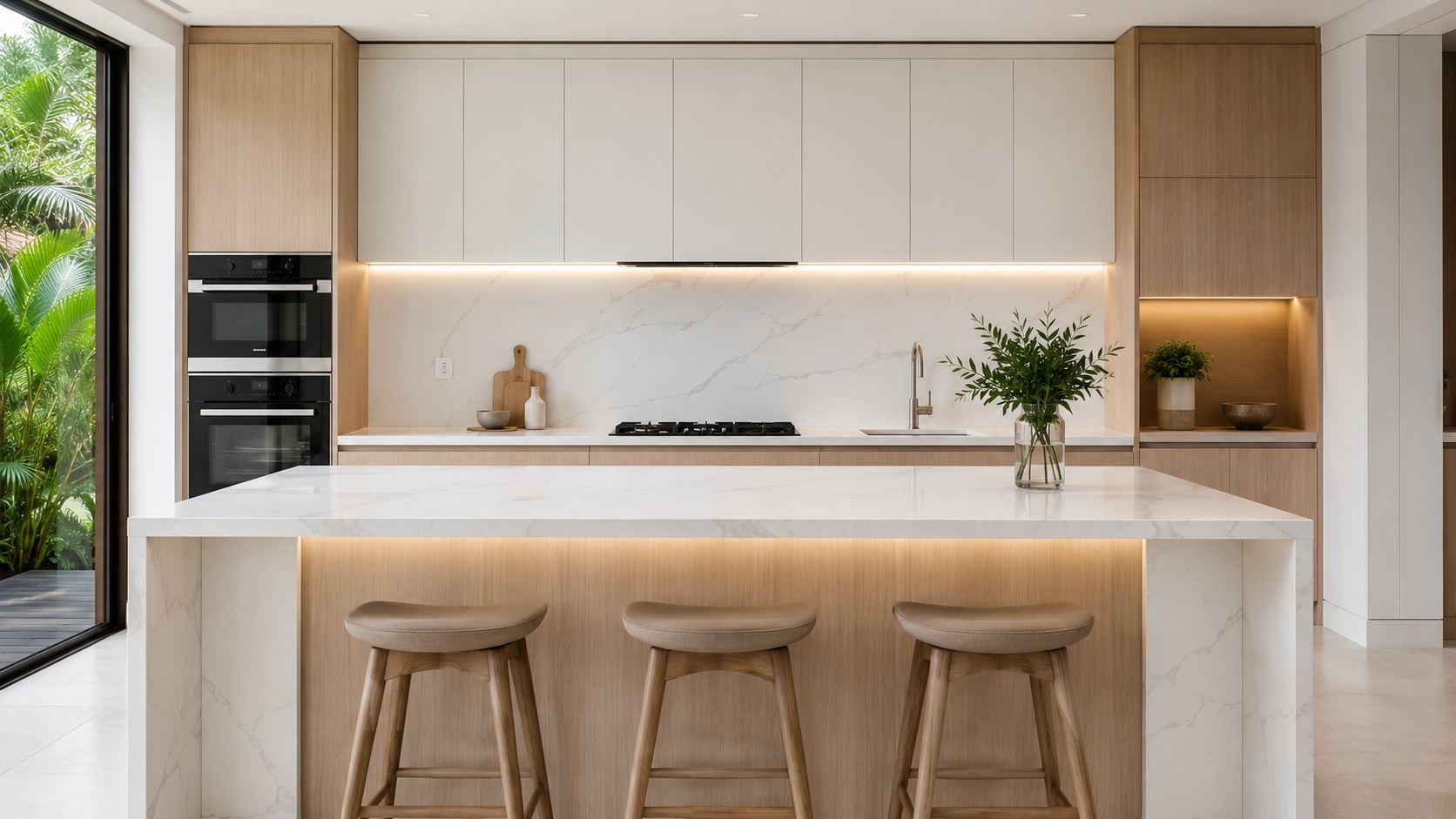
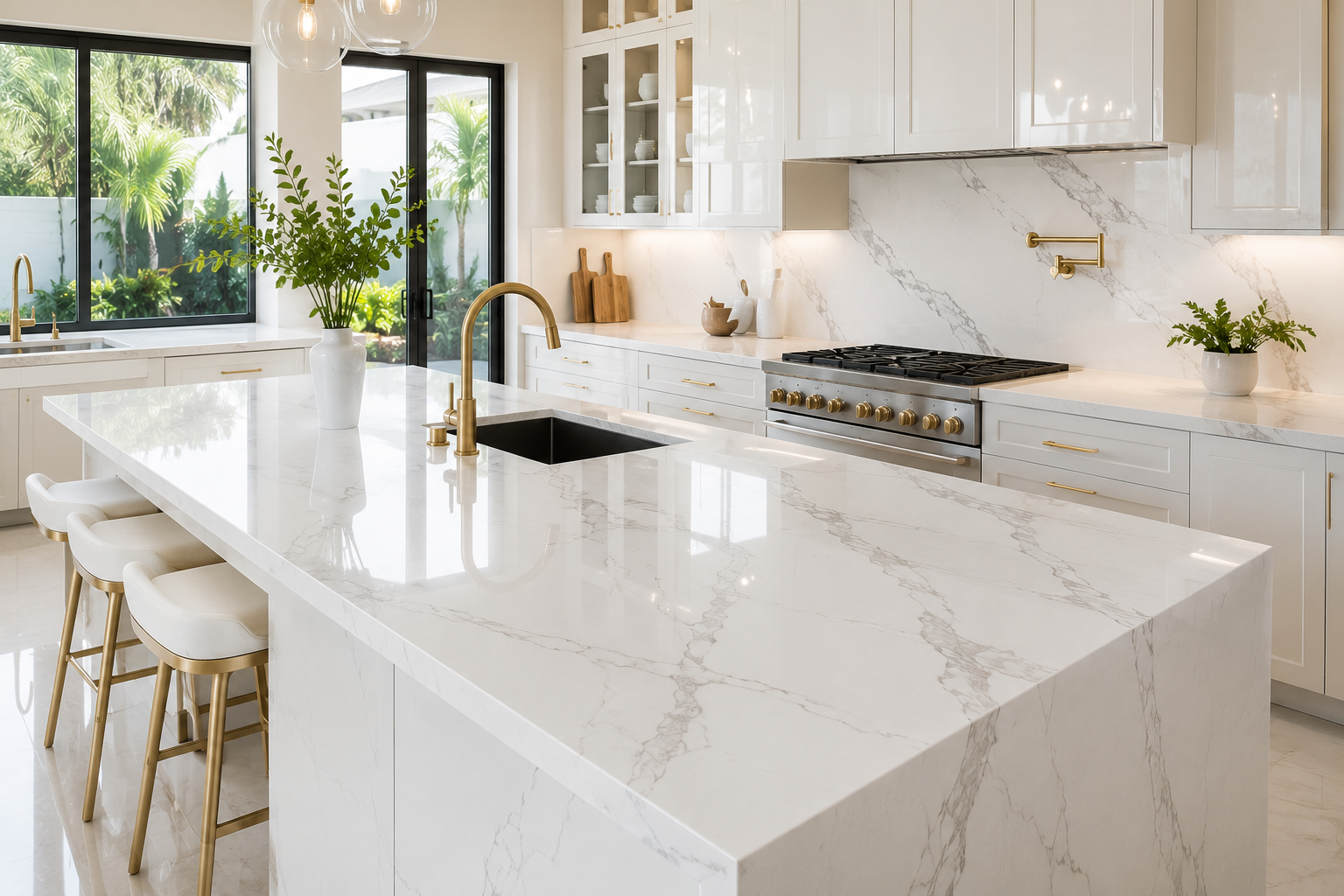
Integrating Granite into critical design elements such as reception tables, kitchen cabinets, and countertops delivers both aesthetic and practical benefits. A Granite reception table makes an unforgettable first impression, while Granite countertops in commercial kitchens offer both beauty and robustness. This approach not only boosts the visual appeal but also communicates a brand’s commitment to quality—a trust-building strategy that resonates with clients.

Q&A:
Q: How does Granite enhance the design of reception tables?
A: Granite provides a sleek, high-quality finish that immediately communicates professionalism and luxury.
Q: What are the benefits of using Granite in kitchen cabinets?
A: Granite offers a durable, easy-to-maintain surface that adds a premium look to kitchen installations.

457e6f90 4c02 4e23 8218 619adb25b355 1

Illuminating Every Detail

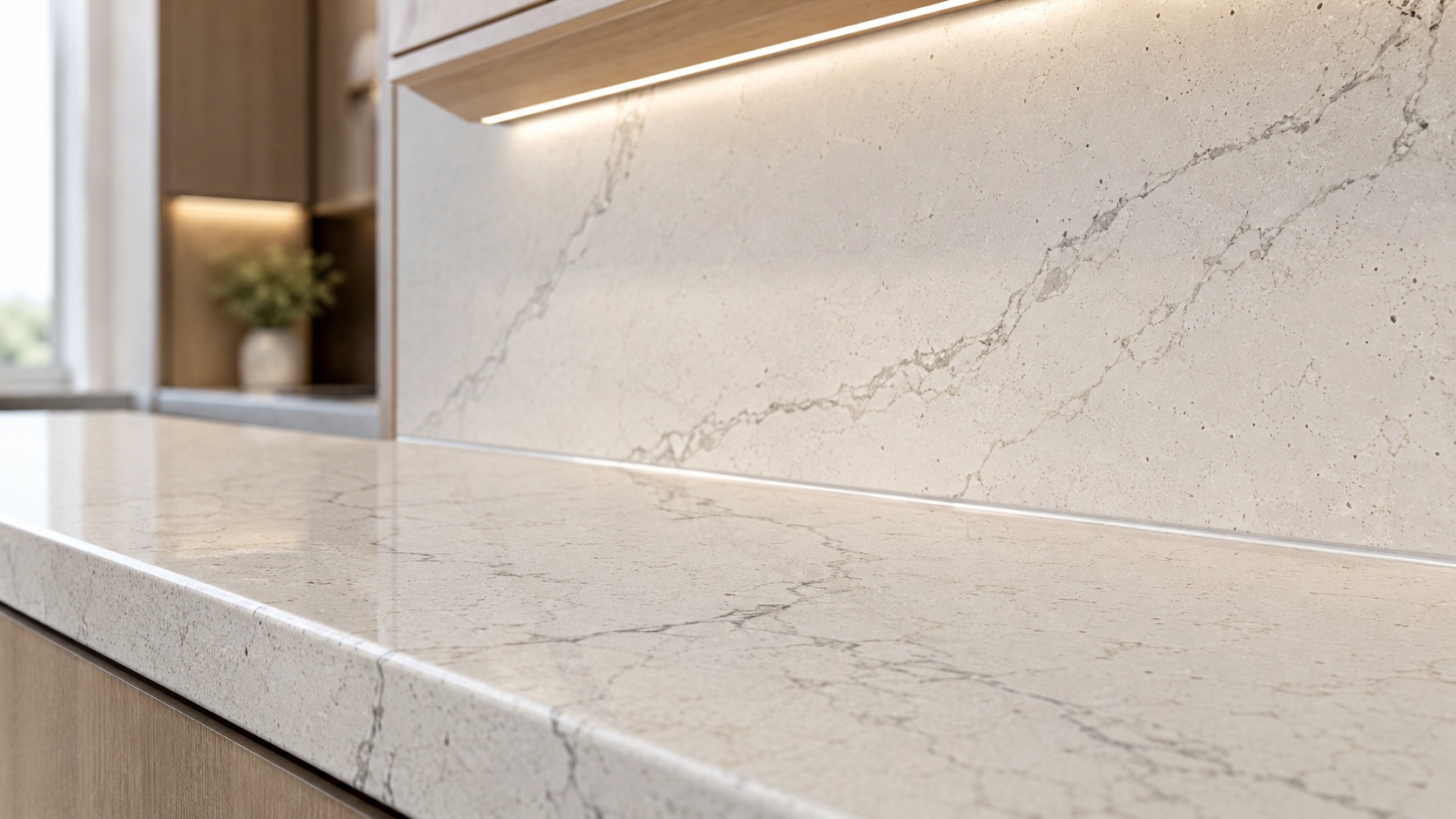
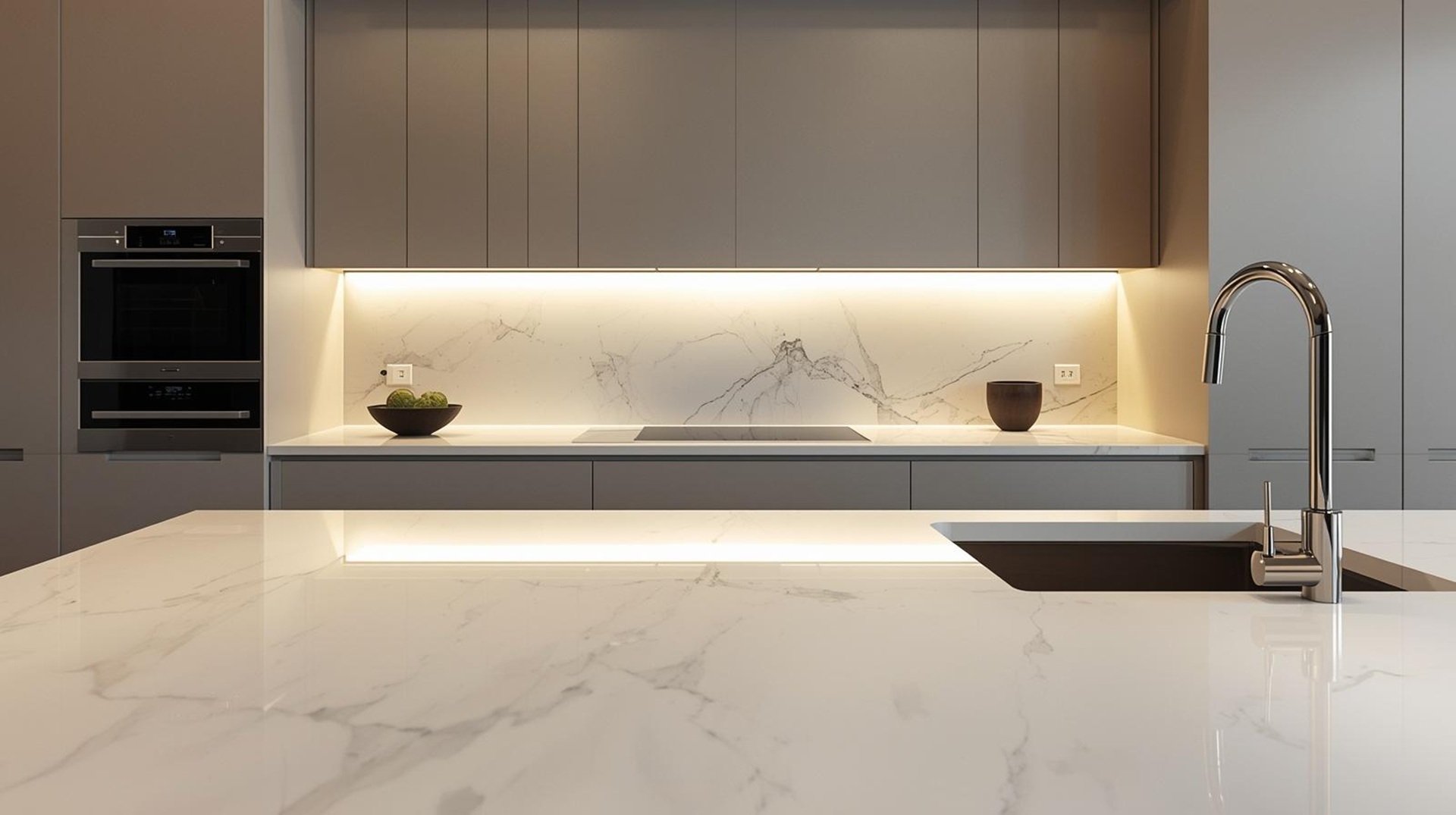
Proper lighting is essential to showcase Granite’s inherent beauty. By using a mix of ambient and focused lighting, you can highlight the intricate textures and rich color variations of Granite. This technique not only creates a warm, inviting ambience in commercial areas but also reinforces the long-term value of your design choices. In Malaysia’s commercial settings, thoughtful lighting paired with Granite elements—such as countertops and feature walls—ensures an upscale environment that enhances overall brand perception.

Q&A:
Q: Why is lighting crucial when working with Granite?
A: Lighting accentuates Granite’s natural textures and patterns, enhancing its visual impact and appeal.
Q: How does effective lighting contribute to a commercial space’s ambiance?
A: It creates a harmonious environment that balances functionality with a refined aesthetic, supporting a professional brand image.

cb8cead0 be0e 4de1 b378 b59f821215ce 3

A Trust-Building, Value-Driven Approach

Choosing Granite isn’t just about aesthetics—it’s a strategic move that encapsulates a trust-building approach and long-term value thinking. By integrating Granite in various aspects of your commercial space—from feature walls and reception tables to kitchen countertops—you signal a commitment to quality and excellence. This reverse thinking strategy (opting for superior materials to avoid future risks) coupled with loss aversion thinking (minimizing potential long-term costs) delivers exceptional cost-effectiveness and a memorable customer experience in competitive markets like Malaysia.

Q&A:
Q: How does Granite contribute to long-term brand trust?
A: Its consistent quality and enduring beauty reinforce a brand’s reliability and commitment to excellence, building lasting customer trust.
Q: What strategic benefits does Granite offer in terms of ROI?
A: Granite’s durability reduces maintenance and replacement costs, ensuring a higher return on investment over time while enhancing the overall aesthetic of your commercial area.

f0ab102f ad58 4623 877b 39ee928e3ab0 1

Conclusion:
By incorporating Granite into every facet of your commercial space, you’re not only achieving a stunning design but also establishing a foundation for enduring brand trust and cost-effective quality. Granite’s unique beauty, robust durability, and versatile applications—from reception tables and countertops to kitchen cabinets—ensure that your space not only stands out visually but also delivers long-term value. Embrace this powerful material as your secret weapon to create commercial areas that are truly unforgettable.

Ready to elevate your space with Granite? Contact us today to learn more about our innovative solutions and see how Granite can transform your commercial environment into a masterpiece of design and functionality.

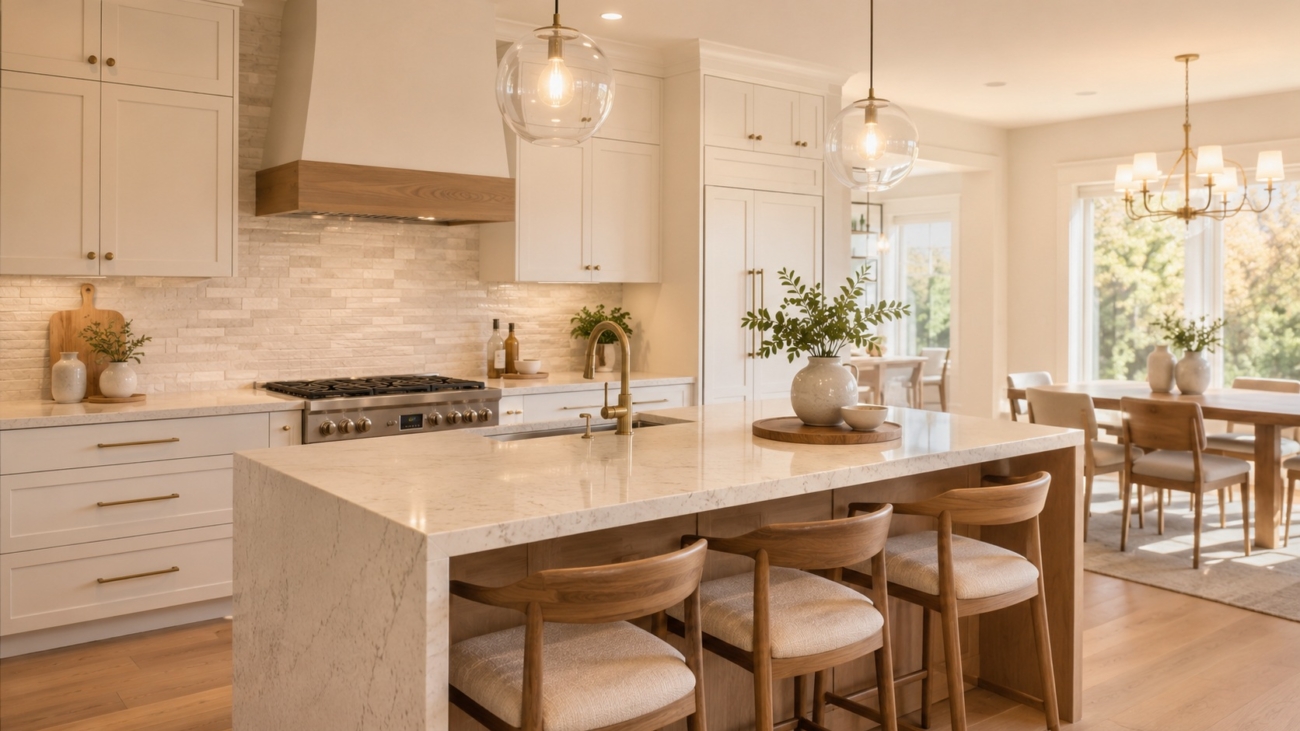
Asian couple smile & look at kitchen countertops in their home kitchen

What is the cheapest stone for kitchen countertops?

When it comes to home renovations, particularly in the kitchen, countertops play a pivotal role in both functionality and aesthetics. I have always been drawn to the elegance and durability of stone countertops, but I often found myself grappling with the high costs associated with them. However, I soon discovered that there are affordable options available that do not compromise on quality or style.

The world of stone countertops is vast, and understanding the various materials and their price points can help me make an informed decision that fits my budget. In this article, I will delve into the different types of stone countertops available on the market, exploring their pros and cons, and comparing their prices. My goal is to provide insights that will help anyone looking to enhance their kitchen without breaking the bank.

By examining options like granite, marble, quartz, soapstone, slate, limestone, and travertine, I hope to uncover the best affordable stone choices that can elevate any kitchen space.

Pros and Cons of Different Stone Options

Durability and Aesthetics of Granite

Granite, for instance, is renowned for its durability and resistance to scratches and heat. I appreciate how it can withstand the rigors of daily kitchen use while maintaining its beauty over time.

The Luxurious Appearance of Marble

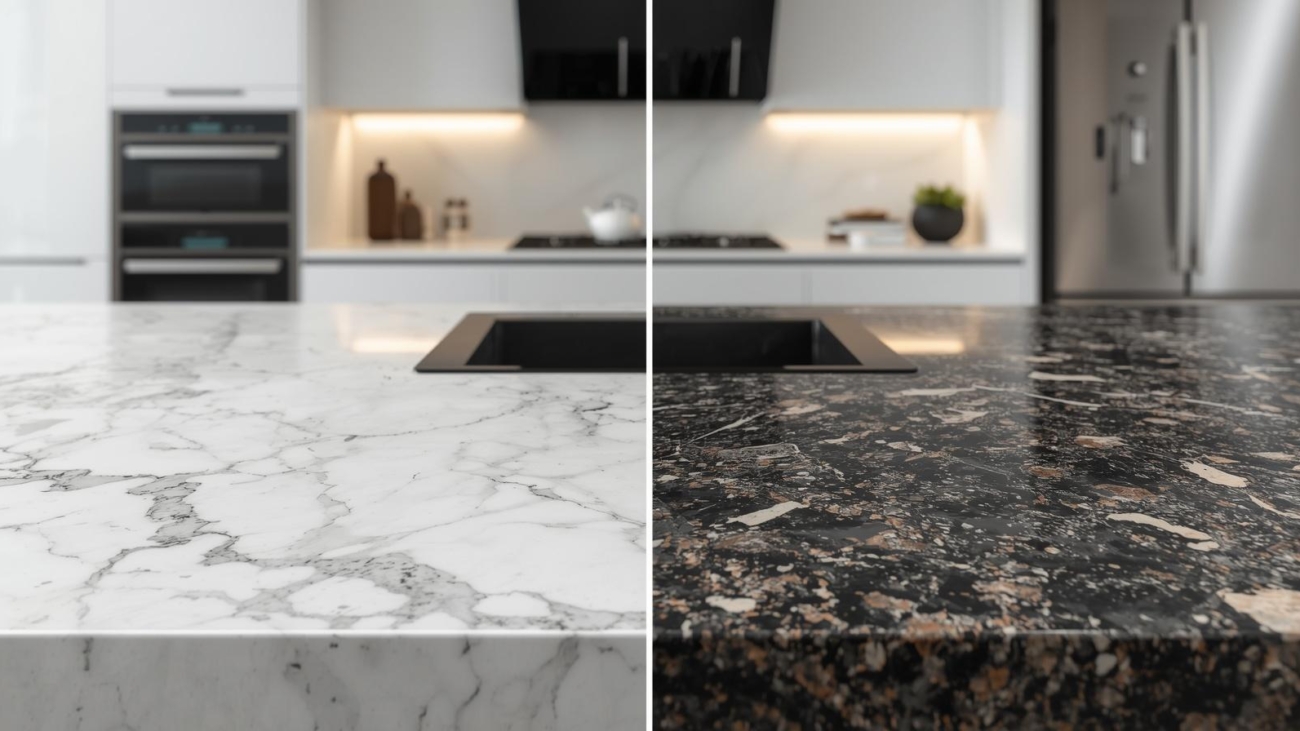
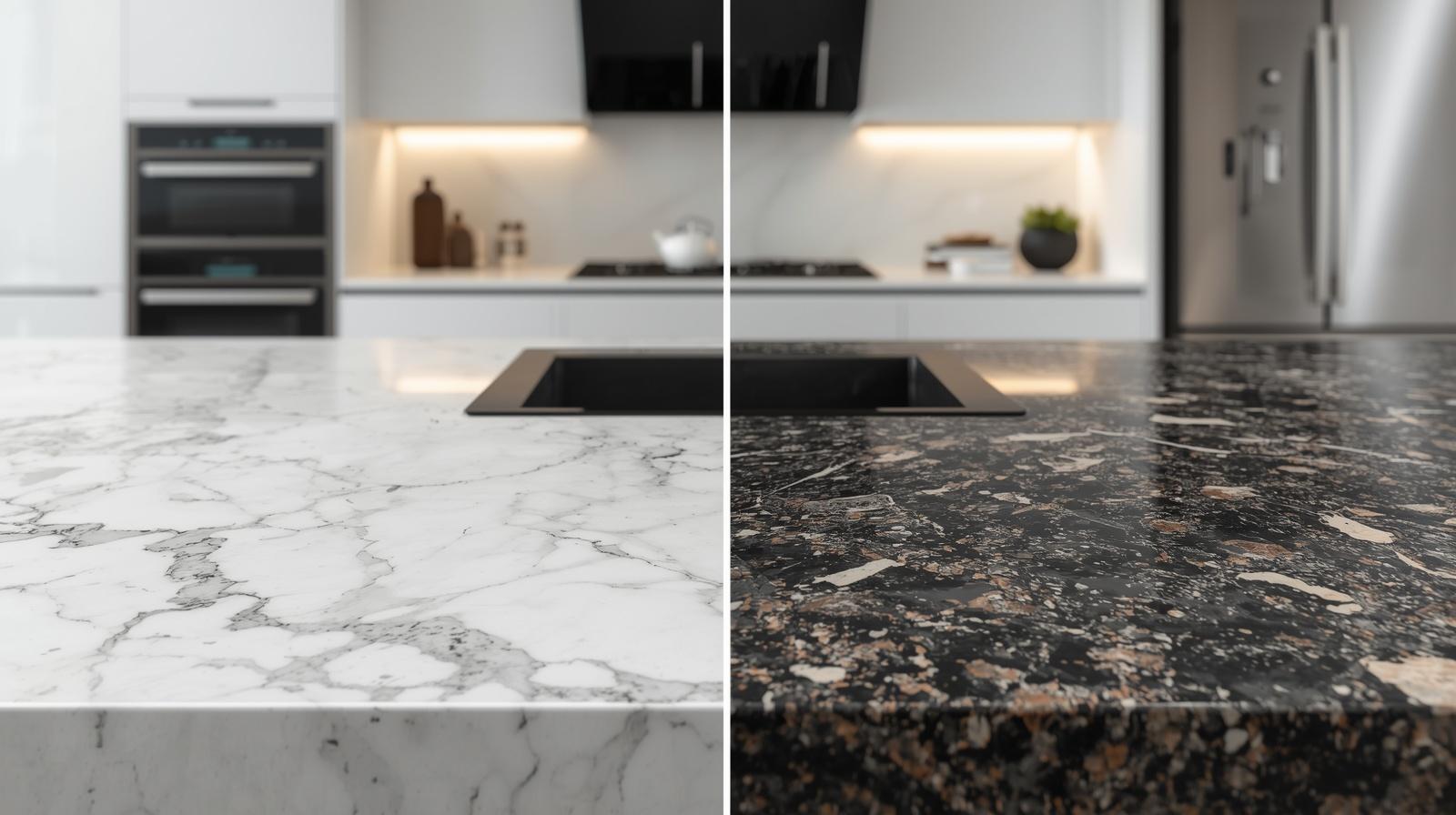
On the other hand, marble is often celebrated for its luxurious appearance and unique veining patterns. I find it incredibly appealing for its aesthetic qualities; however, I learned that it is more porous than granite and can be susceptible to staining and scratching.

Weighing the Factors

This means that while it may look stunning in my kitchen, I would need to be more diligent about maintenance and care. Each stone type presents a unique blend of benefits and challenges, making it essential for me to weigh these factors carefully before making a decision.

Comparing Prices of Granite, Marble, and Quartz

When I started comparing prices among granite, marble, and quartz countertops, I was surprised by the variations. Granite typically ranges from $40 to $100 per square foot, depending on the quality and origin of the stone. While this price point can be daunting, I found that investing in granite could be worthwhile due to its longevity and resilience.

It’s a material that can withstand the test of time, making it a popular choice for many homeowners. Marble, on the other hand, tends to be more expensive, often falling between $50 and $150 per square foot. The allure of marble is undeniable; however, I had to consider whether the higher price justified its maintenance needs.

Quartz countertops are an interesting alternative as they are engineered stone products made from natural quartz crystals mixed with resins. Their prices generally range from $50 to $120 per square foot. I appreciate quartz for its non-porous surface and low maintenance requirements, making it a practical choice for busy kitchens.

The Affordability of Soapstone and Slate Countertops

As I continued my exploration of stone countertops, I stumbled upon soapstone and slate as two affordable options that piqued my interest. Soapstone is a natural stone known for its softness and warmth. Its price typically ranges from $50 to $100 per square foot, making it a competitive choice compared to granite and marble.

What I find particularly appealing about soapstone is its unique ability to resist heat and stains, which makes it an excellent option for cooking enthusiasts like myself. Slate countertops are another budget-friendly alternative that caught my attention. Priced between $50 and $75 per square foot, slate offers a distinctive look with its rich colors and textures.

While it may not be as widely recognized as granite or marble, I appreciate slate’s durability and ease of maintenance. Its natural beauty can add character to any kitchen space without straining my budget.

Exploring the Cost of Limestone and Travertine Countertops

Limestone and travertine are two additional stone options that deserve consideration when searching for affordable countertops. Limestone typically ranges from $40 to $70 per square foot, making it one of the more economical choices available. Its natural appearance can create a warm and inviting atmosphere in my kitchen.

However, I must keep in mind that limestone is more porous than other stones, which means it may require sealing to prevent stains. Travertine is another beautiful option that often falls within the same price range as limestone. With prices ranging from $40 to $80 per square foot, travertine offers a unique texture and earthy tones that can enhance any kitchen design.

While it is durable, I learned that like limestone, travertine also requires regular maintenance to keep it looking its best. Understanding these nuances helps me appreciate the beauty of these stones while being mindful of their care requirements.

Factors That Affect the Price of Stone Countertops

As I delved deeper into the world of stone countertops, I realized that several factors influence their pricing beyond just the type of stone itself. One significant factor is the origin of the stone; imported stones often come with higher shipping costs that can drive up the final price. Additionally, the quality of the stone plays a crucial role; higher-grade stones with fewer imperfections tend to be more expensive.

Another aspect that affects pricing is the complexity of installation. If a countertop requires intricate cuts or special finishes, this can lead to increased labor costs. Furthermore, local market conditions can impact prices; in areas where demand for stone countertops is high, prices may reflect that trend.

Understanding these factors has helped me navigate my options more effectively as I search for affordable solutions.

Tips for Finding Budget-Friendly Stone Countertops

Finding budget-friendly stone countertops doesn’t have to be a daunting task if I approach it with a strategic mindset. One tip I discovered is to shop around at various suppliers and showrooms. By comparing prices from different vendors, I can identify competitive offers that fit my budget.

Additionally, considering remnants or off-cuts from larger projects can lead to significant savings while still providing high-quality materials. Another strategy is to keep an eye out for seasonal sales or promotions. Many suppliers offer discounts during certain times of the year or when they are looking to clear out inventory.

By timing my purchase wisely, I can take advantage of these opportunities without compromising on quality. Lastly, seeking out local fabricators who specialize in stone countertops may yield better pricing than larger chain stores.

Choosing the Best Affordable Stone for Your Kitchen

In conclusion, my journey through the world of affordable stone countertops has been enlightening and rewarding. With so many options available—from granite and marble to soapstone and slate—I have learned that there are beautiful materials out there that won’t break the bank. Each type of stone has its own unique characteristics that cater to different tastes and needs.

Ultimately, choosing the best affordable stone for my kitchen comes down to balancing aesthetics with practicality while keeping my budget in mind. By considering factors such as durability, maintenance requirements, and installation costs, I feel empowered to make an informed decision that enhances my kitchen space without compromising on style or functionality. With careful planning and research, I am confident that I can find the perfect stone countertop that meets both my design aspirations and financial constraints.

If you are looking for affordable options for kitchen countertops, you may want to consider Jess Stone as a surface solution. Jess Stone is a cost-effective alternative to traditional stone countertops, offering durability and aesthetic appeal at a lower price point. For more information on Jess Stone and its benefits, you can check out this article. Additionally, developers are increasingly choosing solid tops granite for their projects due to its durability and timeless beauty. To learn more about why developers are opting for solid tops granite, you can read this article.

Contact Solid Top Sdn Bhd

FAQs

What is the cheapest stone for kitchen countertops?

The cheapest stone for kitchen countertops is typically laminate. It is a synthetic material that is designed to mimic the look of natural stone at a lower cost.

What are some other affordable options for kitchen countertops?

Other affordable options for kitchen countertops include ceramic tile, butcher block, and concrete. These materials can provide a stylish and durable surface at a lower price point than natural stone.

Are there any natural stone options that are more affordable?

Yes, some natural stone options can be more affordable than others. For example, granite is often more affordable than marble or quartzite. Additionally, some types of quartz can be more budget-friendly than others.

What factors can affect the cost of stone countertops?

The cost of stone countertops can be affected by factors such as the rarity of the stone, the complexity of the installation, and the size of the project. Additionally, the region and availability of the stone can also impact the cost.

Are there any ways to save money on stone countertops?

One way to save money on stone countertops is to consider using remnants or smaller pieces of stone. Additionally, shopping around for different suppliers and getting multiple quotes can help to find the best price for the desired stone.

Are Quartz Countertops Real Stone

How do I know if I have granite or quartz?


When you first lay eyes on a surface, its appearance and texture can evoke a range of emotions and set the tone for the entire space.
Whether you are considering countertops, flooring, or wall finishes, the visual appeal is paramount. You might find yourself drawn to the sleek, polished look of granite or the warm, inviting texture of reclaimed wood.

Each material offers a unique aesthetic that can complement your design vision. The interplay of colors, patterns, and finishes can transform an ordinary room into a stunning showcase of style and sophistication. Texture plays a crucial role in how you perceive a material.

A smooth, glossy surface can create a modern and elegant feel, while a rough, matte finish may impart a rustic charm. You may appreciate the tactile experience of running your fingers over a textured surface, feeling the nuances that add depth and character. The choice of appearance and texture is not merely about looks; it influences how you interact with the space.

For instance, a textured surface can provide grip and safety in high-traffic areas, while a polished finish may be more suitable for formal settings. Ultimately, your selection will reflect your personal taste and the atmosphere you wish to create.

Stain and Scratch Resistance

In your quest for the perfect material, stain and scratch resistance are critical factors to consider. Life can be messy, and you want surfaces that can withstand the rigors of daily use without showing signs of wear. Imagine hosting a dinner party where spills are inevitable; you would want a countertop that can resist stains from red wine or tomato sauce.

Materials like quartz and certain types of treated wood offer impressive stain resistance, allowing you to enjoy your space without constant worry about potential damage. Scratch resistance is equally important, especially in high-traffic areas or homes with children and pets. You may find yourself contemplating the durability of various materials as you envision your lifestyle.

For instance, while natural stone like marble is undeniably beautiful, it may not hold up as well against scratches compared to engineered surfaces. On the other hand, materials like porcelain tiles or high-density laminates can provide excellent scratch resistance, ensuring that your surfaces remain pristine even after years of use. By choosing wisely, you can enjoy both beauty and functionality in your home.

Heat Resistance

Heat resistance is another vital consideration when selecting materials for your home. You may often find yourself in the kitchen, where hot pots and pans are a common occurrence. The last thing you want is to damage your countertops or flooring due to extreme temperatures.

Materials like granite and quartz are known for their heat resistance, allowing you to place hot cookware directly on their surfaces without fear of scorching or warping. This feature not only enhances the practicality of your space but also gives you peace of mind as you cook and entertain. However, it’s essential to understand that while some materials boast impressive heat resistance, they may still require caution.

For example, while granite can withstand high temperatures, sudden changes in temperature can lead to cracking. You might consider using trivets or hot pads as an extra precaution to prolong the life of your surfaces. Additionally, if you’re drawn to materials like laminate or certain types of wood, be aware that they may not offer the same level of heat resistance.

By evaluating your cooking habits and lifestyle, you can make informed choices that ensure both safety and style in your home.

Maintenance and Care

Once you’ve chosen your ideal materials, understanding their maintenance and care requirements is crucial for preserving their beauty over time. You may find that some surfaces demand more attention than others. For instance, natural stone countertops often require periodic sealing to protect against stains and moisture penetration.

This added step may seem daunting at first, but with proper care, you can keep your surfaces looking new for years to come. On the other hand, materials like quartz or porcelain tiles typically require less maintenance due to their non-porous nature. You might appreciate the ease of simply wiping down these surfaces with mild soap and water to keep them clean.

However, regardless of the material you choose, establishing a regular cleaning routine will help maintain its appearance and longevity. You may also want to invest in coasters, cutting boards, and placemats to protect your surfaces from scratches and stains. By being proactive in your care regimen, you can enjoy a beautiful home without the stress of constant upkeep.

Cost and Installation

Cost is often a significant factor when making decisions about home materials. You may find yourself weighing the benefits of high-end options against budget-friendly alternatives. While premium materials like marble or custom cabinetry can elevate your space’s aesthetic appeal, they often come with a hefty price tag.

On the other hand, laminate or vinyl options can provide a similar look at a fraction of the cost, making them attractive choices for those on a tighter budget. Installation costs can also vary widely depending on the material chosen. You might consider whether you plan to tackle the installation yourself or hire professionals for the job.

Some materials are more DIY-friendly than others; for example, peel-and-stick tiles can be an easy weekend project for those who enjoy hands-on work. Conversely, heavy stone slabs may require specialized tools and expertise for proper installation. By carefully evaluating both material costs and installation expenses, you can make informed decisions that align with your budget while achieving the desired look for your home.

Professional Testing

Understanding Test Results

Many manufacturers conduct rigorous testing on their products to assess factors such as stain resistance, heat tolerance, and overall longevity. By reviewing these test results, you can gain valuable insights into how well a material will perform in real-world conditions.

Third-Party Certifications

Seeking out third-party certifications can provide further assurance of quality. Organizations like the American National Standards Institute (ANSI) or the International Organization for Standardization (ISO) set benchmarks that materials must meet to be deemed reliable.

Expert Insights

You might also consider consulting with professionals in the field—designers or contractors—who can offer recommendations based on their experience with various materials. By prioritizing professional testing and certification in your decision-making process, you can feel confident that your choices will stand the test of time while enhancing the beauty and functionality of your home.

If you are trying to determine whether you have granite or quartz countertops, you may find it helpful to read the article “Compare Marble, Granite, Quartz: Choosing the Best Quality with Solid Top Sdn Bhd”. This article discusses the differences between marble, granite, and quartz, helping you make an informed decision about your countertop material. Additionally, if you are interested in learning more about the elegance of quartz, you may want to check out “What is QQ Quartz? Malaysia’s Quartz Elegance” for more information. And if you are looking to transform your dining space with a beautiful tabletop design, be sure to read “Transform Your Dining Space with a Beautiful Tabletop Design” for inspiration.

FAQs

What is granite?

Granite is a natural stone that is formed from volcanic activity and is known for its durability and unique patterns and colors.

What is quartz?

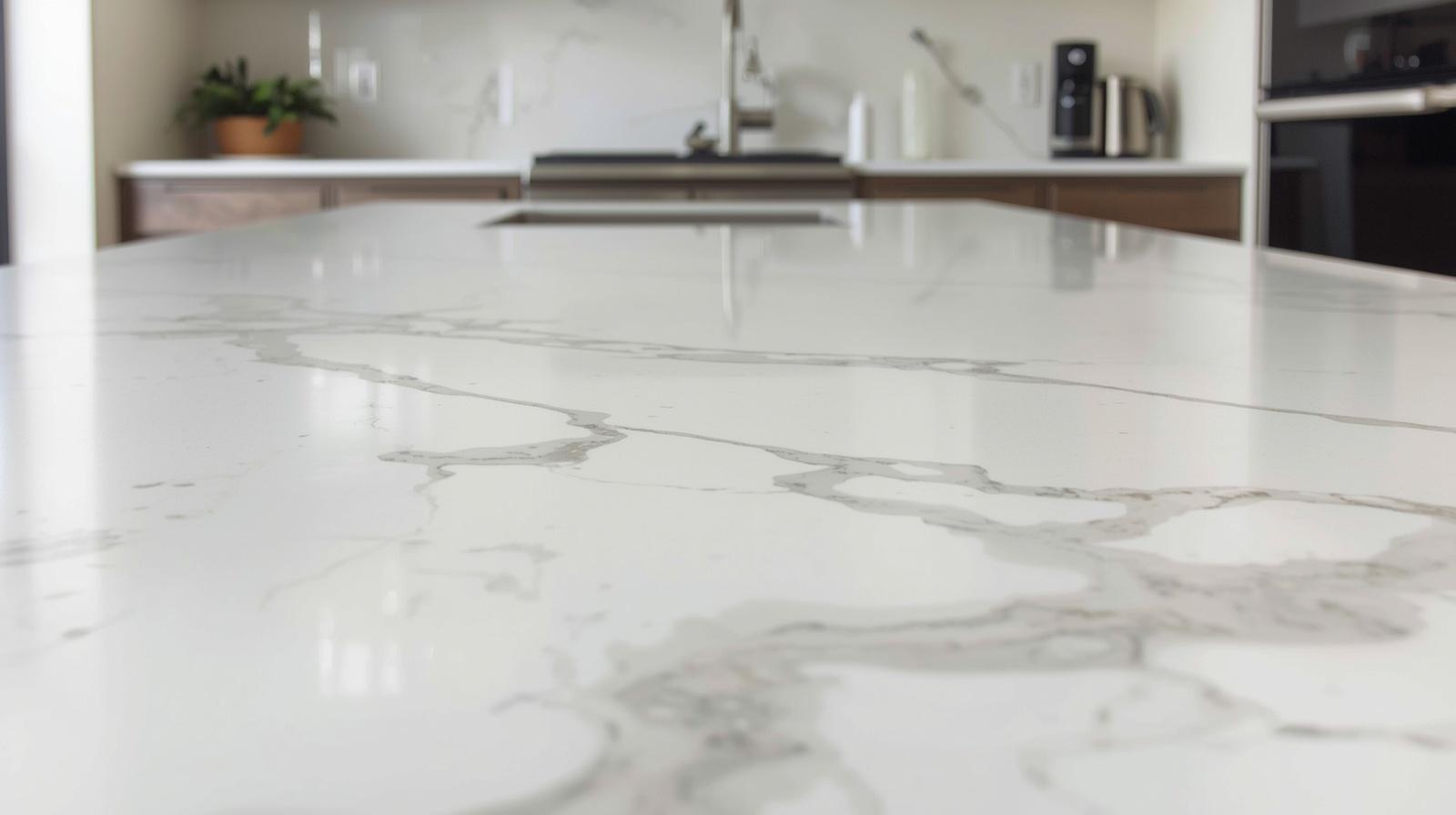
Quartz is an engineered stone made from a combination of natural quartz and resin. It is known for its durability and wide range of colors and patterns.

How can I tell if I have granite or quartz?

One way to tell if you have granite or quartz is to look at the patterns and colors. Granite typically has more variation and movement in its patterns, while quartz tends to have more consistent patterns. Additionally, you can perform a simple scratch test – granite is more likely to scratch than quartz, which is more resistant to scratching.

Can I use a home test to determine if I have granite or quartz?

Yes, you can perform a simple home test to determine if you have granite or quartz. Place a small amount of lemon juice or vinegar on an inconspicuous spot on the surface. If the liquid causes a reaction, such as bubbling or discoloration, then you likely have a natural stone like granite. If there is no reaction, then you likely have quartz.

Is it important to know if I have granite or quartz?

It can be important to know if you have granite or quartz for maintenance and care purposes. Granite and quartz have different care and maintenance requirements, so knowing which material you have can help you properly care for and maintain your countertops or surfaces.

Granite Vs Quartz

Does granite last longer than quartz?

When it comes to choosing the perfect countertop material for your kitchen or bathroom, granite and quartz are two of the most popular options available. Both materials offer a unique blend of beauty and functionality, making them appealing choices for homeowners and designers alike. Granite, a natural stone, is formed from molten rock that has cooled and solidified over millions of years.

Its unique patterns and colors are a result of the minerals present in the stone, giving each slab a distinct character. On the other hand, quartz is an engineered stone made from approximately 90-95% crushed natural quartz crystals mixed with resins and pigments. This process allows for a wider variety of colors and patterns, providing you with more design flexibility.

As you embark on your journey to select the right countertop material, understanding the differences between granite and quartz is essential. While both materials boast impressive aesthetics and functionality, their durability, maintenance requirements, and overall longevity can vary significantly. In this article, you will explore the strengths and weaknesses of each material, helping you make an informed decision that aligns with your lifestyle and design preferences.

Durability and Longevity of Granite

Natural Composition and Durability

As a dense igneous rock, granite is highly resistant to scratches, heat, and chipping. This means you can place hot pots and pans directly on its surface without fear of damage, making it an ideal choice for busy kitchens. Additionally, granite‘s resistance to wear and tear enables it to withstand the rigors of daily use without losing its luster or structural integrity.

Maintenance and Sealing

While granite is incredibly durable, it is not entirely impervious to damage. Over time, it may require sealing to maintain its resistance to stains and moisture. This sealing process helps to fill the microscopic pores in the stone, preventing liquids from penetrating and causing discoloration. With proper care and periodic resealing—typically every one to three years—granite can last for decades, making it a wise investment for your home.

Timeless Appeal and Long-Lasting Solution

Its timeless appeal and ability to withstand the test of time make granite a popular choice for those looking for a long-lasting countertop solution. With its exceptional durability and resistance to wear and tear, granite is an excellent option for homeowners seeking a material that will remain beautiful and functional for years to come.

Durability and Longevity of Quartz

Quartz countertops also boast impressive durability, but their composition sets them apart from granite. As an engineered stone, quartz is designed to be non-porous, which means it does not require sealing like granite does. This non-porous nature makes quartz highly resistant to stains, bacteria, and moisture, making it an excellent choice for kitchens and bathrooms where hygiene is a priority.

You can spill wine or juice on a quartz surface without worrying about permanent stains; simply wipe it clean with a damp cloth. In terms of longevity, quartz countertops are built to last. The manufacturing process allows for consistent quality control, ensuring that each slab meets high standards of durability.

While quartz can withstand heat to some extent, it is advisable to use trivets or hot pads when placing hot items on its surface to prevent potential damage. Overall, with proper care, quartz can maintain its beauty and functionality for many years, making it a reliable option for homeowners seeking a long-lasting countertop material.

Maintenance and Care of Granite

Caring for granite countertops requires a bit more attention than quartz due to their porous nature. To keep your granite looking its best, regular cleaning is essential. You should use a mild dish soap mixed with warm water for daily cleaning; avoid harsh chemicals that could damage the stone’s surface.

A soft cloth or sponge will help you gently wipe away spills and crumbs without scratching the finish. In addition to regular cleaning, sealing your granite countertops is crucial for maintaining their durability. Depending on the type of granite and how often you use your countertops, you may need to reseal them every one to three years.

To check if your granite needs sealing, you can perform a simple water test: place a few drops of water on the surface; if the water beads up, your seal is still intact; if it soaks in, it’s time to reseal. By following these maintenance tips, you can ensure that your granite countertops remain beautiful and functional for years to come.

Maintenance and Care of Quartz

One of the most appealing aspects of quartz countertops is their low maintenance requirements. Since quartz is non-porous, it does not require sealing like granite does. This means you can spend less time worrying about upkeep and more time enjoying your beautiful surfaces.

For daily cleaning, all you need is warm water and mild soap; simply wipe down the surface with a soft cloth or sponge to remove any spills or messes. While quartz is highly resistant to stains and bacteria, it’s still important to avoid using abrasive cleaners or scouring pads that could scratch the surface. Additionally, although quartz can handle heat better than many other materials, it’s wise to use trivets or hot pads under hot cookware to prevent any potential damage from extreme temperatures.

By following these simple care guidelines, you can keep your quartz countertops looking pristine without the hassle of extensive maintenance.

Which is More Long-lasting, Granite or Quartz?

When it comes down to choosing between granite and quartz in terms of longevity and durability, both materials have their unique advantages that cater to different preferences and lifestyles. Granite offers unparalleled natural beauty and exceptional durability but requires regular sealing and maintenance to keep it in top condition. Its timeless appeal makes it an excellent choice for those who appreciate the uniqueness of natural stone.

On the other hand, quartz provides a low-maintenance alternative that combines durability with design flexibility. Its non-porous nature means you won’t have to worry about sealing or staining as much as with granite. If you lead a busy lifestyle or prioritize hygiene in your kitchen or bathroom, quartz may be the more practical option for you.

Ultimately, the decision between granite and quartz comes down to your personal preferences regarding aesthetics, maintenance requirements, and how you plan to use your countertops. Both materials are capable of lasting for many years when cared for properly; therefore, consider what aspects are most important to you as you make your choice. Whether you opt for the natural elegance of granite or the modern convenience of quartz, you can be confident that either option will enhance your home’s beauty while providing lasting functionality.

If you are considering between granite and quartz for your countertops, you may also want to read an article about whether quartz surfaces are easy to take care of or maintain. This article from Solid Top discusses the maintenance required for quartz surfaces and may help you make a more informed decision. You can find the article FAQs

What is the lifespan of granite compared to quartz?

Granite and quartz are both durable materials, but granite is known to last longer than quartz. Granite can last for decades or even centuries with proper care and maintenance, while quartz typically has a lifespan of 10-15 years.

What factors contribute to the longevity of granite and quartz?

The longevity of granite and quartz is influenced by factors such as the quality of the material, the level of maintenance, and the type of usage. Granite is a natural stone that is highly resistant to heat, scratches, and stains, making it more durable than quartz in the long run.

How does maintenance affect the lifespan of granite and quartz?

Proper maintenance, such as regular sealing and cleaning, can significantly extend the lifespan of both granite and quartz. However, granite generally requires less maintenance than quartz, which can be more prone to damage from heat and UV exposure.

Are there any other factors to consider when comparing the longevity of granite and quartz?

In addition to durability, factors such as cost, appearance, and environmental impact should also be considered when choosing between granite and quartz. While granite may have a longer lifespan, quartz is often more affordable and offers a wider range of colors and patterns.

Granite Vs Quartz

Why is granite more expensive than quartz?

When considering the composition and sourcing of materials for your project, it’s essential to understand the various elements that contribute to the overall quality and sustainability of the final product. The materials you choose can significantly affect not only the aesthetic appeal but also the functionality and longevity of your installation. For instance, if you are looking at flooring options, you might encounter a range of materials from hardwood to engineered wood, laminate, and even luxury vinyl.

Each of these options has its unique composition, which influences its performance characteristics, such as resistance to wear and tear, moisture absorption, and ease of maintenance. Sourcing these materials is equally important. You may want to prioritize local suppliers to reduce transportation emissions and support your community’s economy.

Additionally, consider the ethical implications of your choices. Are the materials sourced sustainably? Are they harvested in a way that respects the environment and the communities involved?

By asking these questions, you can ensure that your project not only meets your aesthetic and functional needs but also aligns with your values regarding sustainability and social responsibility.

Durability and Maintenance

Choosing Materials for High-Traffic Areas

For example, if you are installing flooring in a high-traffic area, opting for materials known for their durability, such as ceramic tiles or high-quality laminate, can save you from frequent replacements and repairs.

Understanding Wear Ratings and Resistance Levels

Understanding the wear ratings and resistance levels of different materials can help you make an informed decision that balances aesthetics with practicality. This knowledge will enable you to choose materials that meet your needs and expectations.

Maintenance Needs and Lifestyle

Maintenance is another aspect that cannot be overlooked. Some materials require more upkeep than others, which can impact your long-term satisfaction with your choice. For instance, while natural stone may offer a stunning look, it often requires regular sealing and special cleaning products to maintain its appearance. On the other hand, materials like vinyl or laminate are generally easier to clean and maintain, making them ideal for busy households or commercial spaces. By evaluating both durability and maintenance needs, you can select materials that not only look great but also fit seamlessly into your lifestyle.

Availability and Demand

The availability of materials can significantly influence your project timeline and budget. In today’s market, certain materials may be in high demand due to trends or supply chain disruptions, which can lead to increased prices or longer wait times for delivery. It’s wise to research current market conditions before making your selections.

For example, if you have your heart set on a specific type of hardwood flooring, you may find that it’s currently back-ordered due to a surge in popularity or limited harvesting seasons. Being flexible with your choices can help you avoid delays and keep your project on track. Moreover, understanding demand can also guide you toward more sustainable options.

As consumers become increasingly aware of environmental issues, there is a growing demand for eco-friendly materials. This shift in consumer behavior has led many manufacturers to prioritize sustainable sourcing practices and develop innovative products that minimize environmental impact. By choosing materials that are not only available but also in line with current trends toward sustainability, you can ensure that your project is both timely and responsible.

Installation Process

The installation process is a crucial phase in any project, as it directly affects the final outcome and overall satisfaction with your choices. Depending on the materials selected, the installation can vary significantly in complexity and time required. For instance, while some flooring options like click-lock laminate are designed for easy DIY installation, others may require professional expertise to ensure proper fitting and finish.

Understanding the installation requirements of your chosen materials will help you plan accordingly, whether you decide to tackle the project yourself or hire professionals. Additionally, it’s essential to consider the preparation needed before installation begins. This may include ensuring that the subfloor is level and clean or acclimating certain materials to the environment where they will be installed.

Taking these steps seriously can prevent future issues such as warping or uneven surfaces. By being proactive in the installation process, you can set yourself up for success and enjoy a beautiful, functional space that meets your needs.

Customization Options

Customization options allow you to tailor your project to reflect your personal style and preferences. Many materials come with a variety of finishes, colors, and textures that enable you to create a unique look that complements your existing decor. For example, if you are considering cabinetry for your kitchen or bathroom, you might find options ranging from traditional wood finishes to modern painted styles.

This level of customization not only enhances the visual appeal but also allows you to create a cohesive design throughout your space. Moreover, customization extends beyond mere aesthetics; it can also enhance functionality. For instance, when selecting countertops, you may have the option to choose different edge profiles or integrated features like sinks or cutting boards.

These choices can improve usability while adding a personal touch to your project. By exploring all available customization options, you can create a space that is not only visually stunning but also perfectly suited to your lifestyle.

Environmental Impact

In today’s world, considering the environmental impact of your choices is more important than ever. The materials you select for your project can have far-reaching consequences on ecosystems and communities. For instance, opting for sustainably sourced wood or recycled materials can significantly reduce your carbon footprint compared to traditional options that contribute to deforestation or waste accumulation.

By prioritizing eco-friendly choices, you not only contribute positively to the environment but also set an example for others in your community. Additionally, understanding the lifecycle of materials—from sourcing to disposal—can help you make more informed decisions. Some products may be designed for longevity and recyclability, while others may end up in landfills after a short lifespan.

By choosing materials that are durable and have a lower environmental impact throughout their lifecycle, you can ensure that your project aligns with sustainable practices. This commitment not only benefits the planet but also enhances the overall value of your investment. In conclusion, navigating the complexities of material selection for your project involves careful consideration of composition and sourcing, durability and maintenance, availability and demand, installation processes, customization options, and environmental impact.

By taking the time to evaluate each of these factors thoughtfully, you can create a space that not only meets your aesthetic desires but also aligns with your values and lifestyle needs. Whether you’re embarking on a small renovation or a large-scale construction project, being informed will empower you to make choices that lead to lasting satisfaction and positive contributions to both your home and the environment.

If you are interested in learning more about the differences between granite and quartz surfaces, you may want to check out this article on marble vs quartz: the right choice for your bathroom. This article delves into the various factors to consider when choosing between these two popular materials for your bathroom countertops. It provides valuable insights into the durability, maintenance, and cost differences between marble and quartz, helping you make an informed decision for your home renovation project.

FAQs

What factors contribute to the higher cost of granite compared to quartz?

Granite is a natural stone that is mined from quarries, requiring more labor and resources to extract and process. Additionally, granite is heavier and more difficult to transport, adding to its overall cost.

Why is quartz considered a more affordable option compared to granite?

Quartz is an engineered stone made from a combination of natural quartz crystals and resins, making it more readily available and easier to manufacture. This results in a lower production cost and a more affordable price point compared to granite.

Are there any other factors that contribute to the price difference between granite and quartz?

In addition to the differences in production and transportation costs, the rarity and uniqueness of certain granite varieties can also impact its price. Quartz, on the other hand, is available in a wide range of consistent colors and patterns, making it more cost-effective.

Which is Better for Kitchen Quartz or Granite

Which is Better for Kitchen Quartz or Granite

When it comes to kitchen surfaces, durability is a paramount consideration for homeowners and designers alike. The kitchen is often the heart of the home, where families gather, meals are prepared, and memories are made. Therefore, selecting materials that can withstand the rigors of daily use is essential.

For instance, granite and quartz countertops are renowned for their resilience. Granite, a natural stone, is formed under extreme heat and pressure, making it incredibly tough and resistant to scratches and chips. On the other hand, quartz, an engineered stone, combines natural quartz crystals with resins, resulting in a non-porous surface that is less prone to staining and damage.

Both materials require minimal maintenance, with regular cleaning being sufficient to keep them looking pristine. However, granite may need periodic sealing to maintain its protective layer, while quartz typically does not require such treatment. In contrast, materials like laminate or wood may offer aesthetic appeal but often fall short in terms of durability.

Laminate surfaces can be easily scratched or damaged by heat, while wooden countertops may warp or stain if not properly cared for. Homeowners must weigh the long-term implications of their choices; investing in durable materials can save time and money on repairs and replacements down the line. Additionally, the maintenance of these surfaces varies significantly.

While granite and quartz require simple cleaning routines, wood surfaces demand more attention, including regular oiling and sealing to prevent moisture damage. Ultimately, selecting a durable material not only enhances the kitchen’s functionality but also contributes to its longevity, ensuring that it remains a beautiful and practical space for years to come.

Cost and Value

Understanding the Cost and Value of Kitchen Materials

When embarking on a kitchen renovation or new build, understanding the cost and value of different materials is crucial for making informed decisions. The initial investment in high-quality surfaces like granite or quartz may seem steep compared to alternatives such as laminate or tile. However, it is essential to consider the long-term value these materials provide.

High-Quality Surfaces: Granite and Quartz

Granite countertops can range from RM200 to RM600 per square meter, depending on the quality and origin of the stone. While this may appear expensive upfront, their durability and timeless appeal often translate into higher resale values for homes. Similarly, quartz surfaces can be priced similarly but offer the added benefit of being non-porous, which means they are less likely to harbor bacteria or stains over time.

The Drawbacks of Budget-Friendly Options

On the other hand, while laminate surfaces may be more budget-friendly at first glance, they often require replacement sooner due to wear and tear. This can lead to higher costs in the long run as homeowners find themselves needing to replace or repair these surfaces more frequently. Additionally, laminate does not offer the same level of aesthetic appeal or durability as natural stones like granite or quartz.

Investing in Quality for Long-Term Benefits

Therefore, when evaluating cost versus value, it becomes clear that investing in high-quality materials can yield significant returns in terms of both functionality and aesthetics. Homeowners should consider their lifestyle and how much use their kitchen will see when determining their budget; a well-chosen countertop can enhance both daily living and future property value.

Appearance and Design Options

The visual appeal of a kitchen is often one of the most significant factors influencing material selection. Homeowners today are increasingly seeking surfaces that not only serve a functional purpose but also enhance the overall aesthetic of their kitchens. Granite and quartz offer a wide array of colors and patterns that can complement various design styles, from modern minimalism to rustic charm.

Granite‘s natural variations mean that each slab is unique, providing a one-of-a-kind look that can serve as a stunning focal point in any kitchen. Meanwhile, quartz surfaces come in an extensive palette of colors and finishes, allowing for greater customization to match personal tastes and existing decor. In contrast, while laminate surfaces have improved in appearance over the years with advancements in printing technology, they still cannot replicate the depth and richness of natural stone.

Laminate may offer a variety of colors and patterns; however, it often lacks the authenticity that many homeowners desire. Additionally, wood countertops bring warmth and character to a kitchen but may not suit every design aesthetic due to their more traditional appearance. Ultimately, the choice of material should align with the homeowner’s vision for their kitchen space.

Whether opting for the luxurious look of granite or the versatile nature of quartz, selecting a surface that resonates with personal style can significantly enhance the kitchen’s overall ambiance.

Heat and Stain Resistance

In a bustling kitchen environment where cooking is a daily activity, heat and stain resistance are critical factors to consider when choosing countertop materials. Granite is well-known for its ability to withstand high temperatures without warping or discoloration, making it an ideal choice for avid cooks who frequently place hot pots and pans directly on the surface. This resilience allows for greater flexibility during meal preparation without the constant worry of damaging the countertop.

Quartz also boasts impressive heat resistance due to its engineered composition; however, it is advisable to use trivets or hot pads as extreme temperatures can still affect its resin binding over time. Stain resistance is another vital aspect that homeowners should prioritize when selecting kitchen surfaces. Granite is relatively stain-resistant when properly sealed; however, certain substances like red wine or oil can penetrate if left unattended for too long.

Quartz takes the lead in this category due to its non-porous nature, which prevents liquids from seeping into the surface. This characteristic makes quartz an excellent choice for families with children or those who entertain frequently, as spills can be wiped away easily without leaving lasting marks. In contrast, materials like wood are more susceptible to staining from food products and liquids unless treated with protective finishes regularly.

Therefore, when considering heat and stain resistance in kitchen surfaces, granite and quartz emerge as superior options that cater to both functionality and ease of maintenance.

Environmental Impact

As sustainability becomes an increasingly important consideration for homeowners and builders alike, understanding the environmental impact of various countertop materials is essential. Natural stones like granite are often viewed as eco-friendly options due to their longevity and minimal processing requirements. However, it is crucial to consider the sourcing of these materials; transporting granite from quarries around the world can contribute significantly to carbon emissions.

On the other hand, quartz countertops are engineered from abundant natural resources combined with resins that may not be as environmentally friendly due to their chemical composition. Nevertheless, many manufacturers are now producing eco-conscious quartz options that utilize recycled materials in their production processes. Additionally, wood countertops present a unique environmental consideration; when sourced sustainably from responsibly managed forests, they can be an excellent choice for eco-conscious homeowners.

Bamboo is another alternative that has gained popularity due to its rapid growth rate and renewability. However, it is essential to ensure that any wood products are certified by organizations such as the Forest Stewardship Council (FSC) to guarantee responsible sourcing practices. Ultimately, when evaluating environmental impact, homeowners should consider not only the material itself but also its sourcing practices and lifecycle implications.

By making informed choices about countertop materials, individuals can contribute positively to environmental sustainability while still achieving their desired kitchen aesthetics.

Installation and Customization

Material-Specific Installation Requirements

The installation process of kitchen countertops can vary significantly depending on the material chosen. Granite countertops typically require professional installation due to their weight and the need for precise cutting and fitting at seams. This process can be time-consuming but ultimately results in a stunning finished product that enhances the kitchen’s overall appeal.

Comparing Installation Processes for Different Materials

Quartz countertops also benefit from professional installation; however, they tend to be slightly lighter than granite, which may simplify handling during installation. Both materials allow for customization in terms of edge profiles and finishes, enabling homeowners to create a unique look tailored to their preferences. In contrast, laminate surfaces are often marketed as DIY-friendly options due to their lightweight nature and ease of handling; however, achieving a professional finish can be challenging without experience.

Customization Options and Considerations

Additionally, while laminate offers some customization options in terms of color and pattern selection, it lacks the depth and richness found in natural stone surfaces. Wood countertops can also be customized in various ways; however, they require careful installation techniques to ensure proper sealing against moisture damage. Ultimately, whether opting for granite, quartz, laminate, or wood surfaces, understanding the installation requirements and customization possibilities is essential for achieving a cohesive design that meets both functional needs and aesthetic desires.

Choosing the Best Option for Your Kitchen

In conclusion, selecting the best countertop material for your kitchen involves careful consideration of various factors including durability, cost-effectiveness, appearance, heat resistance, environmental impact, installation requirements, and customization options. Granite and quartz emerge as top contenders due to their exceptional durability and low maintenance needs while offering stunning visual appeal that can elevate any kitchen design. While laminate may present an attractive price point initially, its longevity and aesthetic limitations often make it less desirable in the long run.

Ultimately, your choice should reflect your lifestyle needs as well as your personal style preferences. Whether you prioritize sustainability with responsibly sourced wood or seek the luxurious feel of natural stone like granite or quartz, each material has its unique advantages that cater to different tastes and requirements. By taking the time to evaluate these aspects thoroughly before making a decision, you can create a beautiful kitchen space that not only meets your functional needs but also serves as a lasting investment in your home’s value and aesthetic appeal for years to come.

When considering the best material for kitchen countertops, the debate between quartz and granite is a common one. Each material has its unique benefits and aesthetic appeal. For a deeper understanding of granite‘s advantages, you might find the article “9 Reasons Developers Choose Solid Tops Granite Selection” particularly informative. It provides insights into why granite remains a popular choice among developers, highlighting its durability, natural beauty, and the value it adds to a property. You can read more about it by visiting this link. This article could help you make a more informed decision between quartz and granite for your kitchen.

FAQs

What are the differences between quartz and granite for kitchen countertops?

Quartz countertops are man-made from crushed quartz mixed with resin, while granite countertops are natural stone. Quartz is non-porous and does not require sealing, while granite is porous and needs to be sealed regularly.

Which is more durable, quartz or granite?

Both quartz and granite are durable materials, but granite is more prone to chipping and cracking due to its natural stone composition. Quartz is more flexible and less likely to chip or crack.

Which is easier to maintain, quartz or granite?

Quartz is easier to maintain because it is non-porous and does not require sealing. Granite, being porous, needs to be sealed regularly to prevent staining and bacterial growth.

Which offers more color and pattern options, quartz or granite?

Quartz offers a wider range of color and pattern options because it is manufactured, allowing for more customization. Granite, being a natural stone, has limited color and pattern options based on its natural formations.

Which is more heat resistant, quartz or granite?

Granite is more heat resistant than quartz. While quartz can withstand moderate heat, granite can handle high temperatures without being damaged.

How to Choose the Right Color for Your Natural Stone

How to Choose the Right Color for Your Natural Stone

Choosing the right color for the natural stone features in your home can feel like a daunting task, but it doesn’t have to be. The beauty of natural stone lies in its uniqueness and the character it brings to your spaces. This article aims to guide you on a journey through the guesswork, helping you navigate the vibrant world of color choices for your home design.

Understanding the Impact of Color in Home Design

Color has a profound effect on how we perceive spaces. It can evoke feelings, influence moods, and even alter the perception of size in a room. When integrated with natural stone, color choices can either enhance the innate beauty of the stone or create a stark contrast that may not be pleasing to the eye.

The Psychology of Color

Color psychology suggests that different hues can elicit different feelings:

  • Warm Colors (Reds, Oranges, Yellows): Promote energy and warmth but can be overwhelming in large doses.
  • Cool Colors (Blues, Greens, Purples): Create a sense of calm and tranquility, ideal for relaxing spaces.
  • Neutrals (Beiges, Grays, Whites): Provide a versatile backdrop that can complement any style.

“Color is the keyboard, the eyes are the harmonies, the soul is the piano with many strings.” — Wassily Kandinsky

Selecting Natural Stone Colors Based on Your Home Style

Your home’s architectural style plays a crucial role in determining which natural stone colors will work best.

Traditional Homes

In traditional designs, colors that blend seamlessly with the wood and classic elements are essential. Stones in rich, earthy tones like warm browns, creams, and muted golden hues can add an elegant touch while maintaining the traditional aesthetic.

Modern Homes

For a modern look, consider sharper contrasts. Dark stones, such as slate or black granite, can create a dramatic flair, especially when paired with lighter cabinetry or walls. Alternatively, sleek white marbles can deliver a clean, fresh feel that resonates with contemporary design.

Rustic and Farmhouse Styles

Rustic homes often favor stones in softer, more organic colors. Look for stones with natural, variegated patterns in greens, browns, or light grays. These colors work in harmony with wooden beams and rustic furnishings.

Coastal or Beach Styles

Light colors are perfect for beach-inspired homes. Pale blues, sandy beiges, and soft whites can evoke feelings of the ocean, making rooms feel airy and open.

Evaluating Light and Space

The amount of natural light and the spatial dimensions of your home can greatly influence how colors appear in your environment.

Natural Light

Observe how light interacts with potential stone colors at different times of the day. Morning light can make colors appear cooler, while late afternoon light may warm them up.

Room Size

In smaller spaces, light shades can help make the room feel larger, while darker stones can create a statement in more spacious areas without feeling overwhelming.

Samples and Swatches

Always get samples of your chosen stone colors and place them in the actual room where they will be used. This allows you to see how they interact with your existing décor, lighting, and other materials.

Considering the Function of Each Space

Each room in your home serves a distinct purpose, which can guide your color choice.

Kitchen

In kitchens, opting for warm, inviting tones can foster a cozy atmosphere. Stones like warm beige or rich brown can work beautifully with wood cabinetry.

Bathroom

Cooler tones such as light grays and blues can create a spa-like setting, promoting relaxation. Adding natural stone tiles in a subtle color can enhance a serene ambiance.

Living Areas

In living rooms, consider a balanced approach. Neutral stones can provide a calming backdrop, allowing you to play with accent colors through furnishings and decor.

Maintenance and Longevity

When selecting your natural stone, it’s essential to consider its durability and maintenance. Certain colors may show stains or wear and tear more readily than others.

Tips for Longevity

  • Choose darker stones for high-traffic areas: These are less likely to show signs of use.
  • Seal your stones: Protective sealants can help maintain color and prevent staining.
  • Regular maintenance: Establish a cleaning routine based on the type of stone you choose.

“Design is not just what it looks like and feels like. Design is how it works.” — Steve Jobs

Conclusion

Choosing the right color for natural stone in your home is a blend of art and science. By understanding the impact of color, aligning your choices with your home’s architectural style, and considering light, space, and functionality, you can make informed decisions that enhance your living spaces.

Remember, color is not just about aesthetics; it’s about creating an environment that reflects your personality and lifestyle.

So, the next time you’re faced with a color decision for your natural stone, take a moment to ponder the feelings and messages you want your home to convey. Happy designing!

For more insight on home design and color psychology, check out This Old House and Better Homes & Gardens.

DIY Projects Using Natural Stone

DIY Projects Using Natural Stone

Natural stone is a durable and aesthetically pleasing material suitable for various home improvement projects. It can be used to enhance flooring, countertops, and outdoor spaces, adding both value and unique character to a home. The material’s versatility allows it to complement various design styles and personal preferences.

There are numerous types of natural stone available for DIY projects, including marble, granite, slate, and limestone. Each type possesses distinct properties and visual characteristics, offering different benefits depending on the intended application. Natural stone projects can be undertaken by DIY enthusiasts of all skill levels, from beginners to experienced craftspeople.

This article will provide an overview of different natural stone types and offer practical advice for incorporating these materials into home improvement projects. Readers will gain insight into the selection, preparation, and installation processes involved in working with natural stone, enabling them to make informed decisions when planning their own DIY endeavors.

Choosing the Right Natural Stone for Your Project

Determining the Purpose of the Project

The first step is to determine the purpose of the project and where the natural stone will be used. For instance, if you’re looking to update your flooring, you may want to consider a durable and low-maintenance option such as granite or slate.

Considering Aesthetic Factors

In addition to considering the purpose of the project, it’s essential to take into account the color, pattern, and texture of the natural stone. Each type of natural stone has its unique characteristics, so it’s crucial to choose a stone that complements the overall design and aesthetic of your home.

Making the Right Choice

By carefully considering these factors, you can ensure that you choose the right natural stone for your DIY project that will enhance the beauty and functionality of your home. For example, if you have a modern and sleek kitchen, you may want to consider a polished black granite for your countertops. On the other hand, if you have a rustic and cozy living room, a tumbled limestone flooring may be the perfect choice.

DIY Natural Stone Flooring and Tiling Projects

Natural stone flooring and tiling projects can add a touch of elegance and sophistication to any room in your home. Whether you are looking to update your kitchen, bathroom, or outdoor patio, natural stone is a great choice for creating a timeless and durable surface. When it comes to DIY natural stone flooring and tiling projects, there are several options to consider.

For example, you may want to opt for a classic marble or travertine tile for your bathroom floor, or a durable slate or granite tile for your kitchen floor. One popular DIY natural stone flooring project is creating a stunning mosaic tile design. Mosaic tiles are small pieces of natural stone that are arranged in intricate patterns to create a visually striking surface.

Whether you choose to create a simple geometric pattern or an elaborate floral design, mosaic tiles can add a touch of artistry and personality to any room in your home. Another popular option for DIY natural stone flooring is creating a herringbone pattern with large format tiles. This classic and timeless pattern can add a sense of luxury and sophistication to any space, making it an ideal choice for both traditional and modern homes.

Creating Natural Stone Countertops and Backsplashes

Natural stone countertops and backsplashes are a popular choice for homeowners looking to add a touch of luxury and elegance to their kitchens and bathrooms. Whether you are looking to update your outdated countertops or create a stunning focal point in your kitchen, natural stone is a great choice for creating durable and visually striking surfaces. When it comes to DIY natural stone countertops and backsplashes, there are several options to consider.

For example, you may want to opt for a classic marble or quartzite countertop for your kitchen, or a sleek granite or soapstone countertop for your bathroom. In addition to choosing the right type of natural stone, it is important to consider the edge profile of the countertop. The edge profile refers to the shape of the edge of the countertop, which can range from simple and straight to intricate and decorative.

Some popular edge profiles for natural stone countertops include bullnose, ogee, and beveled edges, each of which can add a unique touch to the overall design of the countertop. When it comes to creating a natural stone backsplash, there are also numerous options to consider. Whether you choose to create a simple subway tile design or an elaborate mosaic pattern, natural stone backsplashes can add texture and visual interest to any kitchen or bathroom.

Outdoor DIY Projects with Natural Stone

Natural stone is not just limited to indoor projects – it can also be used to create stunning outdoor spaces that are both functional and visually appealing. Whether you are looking to create a beautiful patio, walkway, or retaining wall, natural stone is a great choice for adding a touch of natural beauty to your outdoor space. When it comes to outdoor DIY projects with natural stone, there are several options to consider.

For example, you may want to opt for a durable and slip-resistant option such as granite or bluestone for your patio or walkway. One popular outdoor DIY project with natural stone is creating a stunning fire pit or outdoor fireplace. Natural stone can be used to create a durable and visually striking fire feature that will become the focal point of your outdoor space.

Whether you choose to use stacked stone for a rustic look or sleek marble for a modern aesthetic, a natural stone fire pit or fireplace can add warmth and ambiance to your outdoor gatherings. Another popular option for outdoor DIY projects with natural stone is creating a beautiful garden pathway. Natural stone pavers can be used to create a meandering pathway through your garden, adding texture and visual interest to your outdoor space.

Tips for Cutting and Shaping Natural Stone

Choosing the Right Tools

One important tip is to use the right tools for the job. For example, when cutting natural stone tiles, it is important to use a wet saw with a diamond blade to ensure clean and precise cuts. Similarly, when shaping natural stone slabs for countertops or backsplashes, it is important to use specialized tools such as diamond polishing pads and router bits.

Safety Precautions

Another important tip for cutting and shaping natural stone is to take proper safety precautions. Natural stone can be heavy and difficult to maneuver, so it is important to wear protective gear such as gloves and safety goggles when working with the material. In addition, it is important to work in a well-ventilated area when cutting or shaping natural stone to avoid inhaling dust particles.

Achieving Clean and Precise Cuts

By following these tips and taking proper safety precautions, you can ensure that you achieve clean and precise cuts when working with natural stone. With the right tools and safety measures in place, you can successfully complete your natural stone project and enjoy the beauty and durability that this material has to offer.

Maintaining and Caring for Natural Stone DIY Projects

Once you have completed your DIY project using natural stone, it is important to take proper care of the material to ensure its longevity and beauty. Natural stone requires regular maintenance to keep it looking its best, so it is important to follow some simple care tips. One important tip for maintaining natural stone is to clean spills immediately to prevent staining.

Whether you have marble countertops or slate flooring, it is important to wipe up spills as soon as they occur to prevent them from seeping into the porous surface of the stone. In addition to cleaning spills promptly, it is important to use the right cleaning products for natural stone. Harsh chemicals such as bleach or ammonia can damage the surface of natural stone, so it is important to use pH-neutral cleaners specifically designed for use on natural stone surfaces.

It is also important to seal natural stone surfaces regularly to protect them from stains and moisture damage. Whether you have granite countertops or limestone flooring, applying a high-quality sealer can help protect the surface of the stone and keep it looking its best for years to come. In conclusion, DIY projects using natural stone offer endless possibilities for enhancing the beauty and functionality of your home.

Whether you are looking to update your flooring, create stunning countertops, or enhance your outdoor space, natural stone is a versatile and timeless material that can add value and visual appeal to your home. By carefully choosing the right type of natural stone for your project and following proper care and maintenance tips, you can create beautiful and long-lasting DIY projects that reflect your personal style and enhance the overall aesthetic of your home.

If you’re interested in DIY projects using natural stone, you may want to check out this article on choosing the perfect granite for your project. It provides valuable information on selecting the right type of granite for your specific project, whether it’s for a kitchen countertop, bathroom vanity, or outdoor patio. Understanding the different characteristics of granite can help you make an informed decision and ensure the success of your DIY natural stone project.

FAQs

What are some popular DIY projects using natural stone?

Some popular DIY projects using natural stone include creating a stone pathway, building a stone retaining wall, making a stone fire pit, and crafting a stone mosaic tabletop.

What types of natural stone are commonly used for DIY projects?

Common types of natural stone used for DIY projects include granite, marble, limestone, slate, and sandstone. Each type of stone has its own unique characteristics and can be used for different purposes.

What tools are needed for DIY projects using natural stone?

Tools commonly used for DIY projects using natural stone include a hammer, chisel, masonry saw, level, trowel, and mortar mix. It’s important to use the right tools to ensure the stone is cut and installed properly.

Are there any safety precautions to consider when working with natural stone?

When working with natural stone, it’s important to wear protective gear such as gloves, safety goggles, and a dust mask. Additionally, be cautious when lifting heavy stones to avoid injury.

How can I maintain natural stone DIY projects?

To maintain natural stone DIY projects, it’s important to regularly clean and seal the stone to prevent staining and damage. Use a mild detergent and a soft brush to clean the stone, and apply a stone sealer as needed to protect the surface.

How to Select the Right Stone for Your Project

How to Select the Right Stone for Your Project

Natural stone is classified into three main categories: igneous, sedimentary, and metamorphic. Igneous stones, such as granite and basalt, form from the cooling and solidification of magma or lava. Sedimentary stones, including limestone and sandstone, result from the accumulation and compression of sediment over geological timescales.

Metamorphic stones, like marble and slate, are created when existing rocks undergo transformation due to heat and pressure. Each stone type possesses distinct characteristics and properties. Granite is renowned for its durability, heat resistance, and scratch resistance, making it a popular choice for kitchen countertops.

Marble is valued for its aesthetic appeal and luxurious appearance but is more prone to staining and scratching than granite. Understanding the various stone types and their properties is crucial for selecting the appropriate material for a specific project. Factors such as durability, appearance, maintenance requirements, and intended use should be considered when choosing a stone.

This knowledge enables informed decision-making based on the project’s specific needs and requirements.

Considering the Durability and Maintenance of Each Stone

Durability of Different Stone Types

Granite, for instance, is renowned for its durability and resistance to heat, scratches, and stains, making it a popular choice for high-traffic areas like kitchen countertops. Marble, on the other hand, is more susceptible to staining and scratching, so it may not be the best choice for a kitchen or bathroom countertop.

Maintenance Requirements of Stone

In addition to durability, it’s also essential to consider the maintenance requirements of each type of stone. Some stones may require regular sealing to protect against stains and moisture, while others may be more low-maintenance.

Making an Informed Decision

Understanding the durability and maintenance requirements of each type of stone will help you make an informed decision based on the specific needs and requirements of your project. By considering these factors, you can choose the perfect stone for your project, ensuring it looks great and lasts for years to come.

Matching the Stone to the Aesthetic of Your Project

The aesthetic appeal of a stone is an important factor to consider when choosing the right material for your project. Each type of stone has its own unique color variations, patterns, and textures that can complement different design styles. For example, granite is available in a wide range of colors and patterns, making it a versatile choice for various design aesthetics.

Marble, with its elegant veining and luxurious appearance, is often used in high-end residential and commercial projects. It’s important to consider how the chosen stone will complement the overall aesthetic of your project. Whether you’re going for a modern, minimalist look or a more traditional and ornate style, there’s a stone that can help you achieve your desired aesthetic.

By carefully considering the color variations, patterns, and textures of each type of stone, you can ensure that your chosen material will enhance the visual appeal of your project. The aesthetic appeal of a stone is an important factor to consider when choosing the right material for your project. Each type of stone has its own unique color variations, patterns, and textures that can complement different design styles.

For example, granite is available in a wide range of colors and patterns, making it a versatile choice for various design aesthetics. Marble, with its elegant veining and luxurious appearance, is often used in high-end residential and commercial projects. It’s important to consider how the chosen stone will complement the overall aesthetic of your project.

Whether you’re going for a modern, minimalist look or a more traditional and ornate style, there’s a stone that can help you achieve your desired aesthetic. By carefully considering the color variations, patterns, and textures of each type of stone, you can ensure that your chosen material will enhance the visual appeal of your project.

Evaluating the Cost and Availability of Each Stone

The cost and availability of each type of stone are important factors to consider when making a decision for your project. Some types of stone may be more readily available in certain regions or countries, which can affect their cost and availability in your area. Additionally, certain types of stone may be more expensive due to their rarity or unique characteristics.

It’s important to consider your budget and timeline when evaluating the cost and availability of each type of stone. While some stones may be more expensive upfront, they may require less maintenance over time, which can result in long-term cost savings. By carefully evaluating the cost and availability of each type of stone, you can make an informed decision that aligns with your budget and timeline.

The cost and availability of each type of stone are important factors to consider when making a decision for your project. Some types of stone may be more readily available in certain regions or countries, which can affect their cost and availability in your area. Additionally, certain types of stone may be more expensive due to their rarity or unique characteristics.

It’s important to consider your budget and timeline when evaluating the cost and availability of each type of stone. While some stones may be more expensive upfront, they may require less maintenance over time, which can result in long-term cost savings. By carefully evaluating the cost and availability of each type of stone, you can make an informed decision that aligns with your budget and timeline.

Consulting with a Professional Stone Supplier or Designer

When it comes to choosing the right stone for your project, consulting with a professional stone supplier or designer can provide valuable insight and guidance. A knowledgeable supplier or designer can help you understand the different types of stone available and their respective properties. They can also provide recommendations based on your specific needs and requirements.

In addition to offering expertise on stone selection, a professional supplier or designer can also assist with sourcing high-quality materials at competitive prices. They can help you navigate through various options to find a stone that aligns with your budget while meeting your aesthetic preferences. By consulting with a professional supplier or designer, you can benefit from their experience and expertise to make an informed decision for your project.

When it comes to choosing the right stone for your project, consulting with a professional stone supplier or designer can provide valuable insight and guidance. A knowledgeable supplier or designer can help you understand the different types of stone available and their respective properties. They can also provide recommendations based on your specific needs and requirements.

In addition to offering expertise on stone selection, a professional supplier or designer can also assist with sourcing high-quality materials at competitive prices. They can help you navigate through various options to find a stone that aligns with your budget while meeting your aesthetic preferences. By consulting with a professional supplier or designer, you can benefit from their experience and expertise to make an informed decision for your project.

Exploring the Environmental Impact of Each Stone Option

Environmental Impact of Natural Stone

As sustainability becomes increasingly important in construction and design projects, it’s essential to consider the environmental impact of each stone option. Some types of natural stone may have a higher carbon footprint due to extraction processes or transportation distances. Additionally, certain stones may require more energy-intensive processing methods or have limited recyclability at end-of-life.

Making Conscious Choices

By exploring the environmental impact of each stone option, you can make a conscious decision that aligns with sustainable practices. Look for stones that are sourced from responsible quarries with ethical labor practices and minimal environmental impact. Additionally, consider stones that have been certified by reputable organizations for their environmental performance.

Prioritizing Environmentally-Friendly Options

By prioritizing environmentally-friendly options, you can contribute to sustainable building practices while achieving your project goals. This not only benefits the environment but also enhances your project’s reputation and value. By making sustainable choices, you can create a positive impact that lasts long after the project is completed.

Making the Final Decision and Planning for Installation

After carefully considering all factors such as durability, maintenance requirements, aesthetic appeal, cost, availability, environmental impact, and consulting with professionals; it’s time to make the final decision on which stone to use for your project. Once you’ve selected the right type of stone that meets all your criteria, it’s essential to plan for its installation. Work with experienced contractors or installers who have expertise in working with natural stone materials.

Proper installation is crucial for ensuring the longevity and performance of your chosen stone. Consider factors such as sealing requirements, edge profiles, surface finishes, and any special considerations based on the specific characteristics of your chosen stone. By making an informed decision based on all considerations and planning for proper installation, you can ensure that your chosen stone will enhance the beauty and functionality of your project for years to come.

After carefully considering all factors such as durability, maintenance requirements, aesthetic appeal, cost, availability, environmental impact, and consulting with professionals; it’s time to make the final decision on which stone to use for your project. Once you’ve selected the right type of stone that meets all your criteria, it’s essential to plan for its installation. Work with experienced contractors or installers who have expertise in working with natural stone materials.

Proper installation is crucial for ensuring the longevity and performance of your chosen stone. Consider factors such as sealing requirements, edge profiles, surface finishes, and any special considerations based on the specific characteristics of your chosen stone. By making an informed decision based on all considerations and planning for proper installation, you can ensure that your chosen stone will enhance the beauty and functionality of your project for years to come.

If you’re considering using ultra-compact surface for your project, you may be wondering about its maintenance. Solid Top has a helpful article on how to take care of ultra-compact surface that can provide valuable insights as you make your decision. Additionally, if you need a quote for your project or are interested in learning more about choosing the perfect granite, Solid Top has resources available for you.

FAQs

What factors should I consider when selecting a stone for my project?

When selecting a stone for your project, consider factors such as the stone’s durability, color, texture, and suitability for the specific application.

What are the different types of stones available for projects?

There are various types of stones available for projects, including granite, marble, limestone, sandstone, slate, and quartzite, each with its own unique characteristics and suitability for different applications.

How do I determine the durability of a stone for my project?

The durability of a stone can be determined by its hardness, resistance to scratching and staining, and its ability to withstand environmental factors such as weathering and erosion.

What are some popular applications for different types of stones?

Granite is commonly used for countertops and outdoor applications, marble is often used for flooring and decorative features, limestone is popular for building facades and landscaping, and slate is commonly used for roofing and flooring.

How can I ensure that the stone I select complements the overall design of my project?

Consider the color, texture, and pattern of the stone to ensure that it complements the overall design of your project. It’s also helpful to obtain samples and visualize how the stone will look in the intended space.

What are some important considerations when selecting a stone for outdoor projects?

When selecting a stone for outdoor projects, consider factors such as the stone’s ability to withstand freeze-thaw cycles, its slip resistance, and its ability to resist staining and weathering.

The Impact of Natural Stone on Home Value

The Impact of Natural Stone on Home Value

Natural stone has been a staple in construction and design for millennia, prized for its durability, aesthetic appeal, and versatility. Formed over millions of years within the Earth’s crust, natural stone offers a unique combination of beauty and resilience. Common varieties include marble, granite, limestone, and travertine, each possessing distinct characteristics and visual qualities.

The use of natural stone in home design extends to various applications, such as countertops, flooring, and decorative accents. Its timeless elegance and ability to add a sense of luxury to any space make it a popular choice among homeowners and designers. Natural stone’s durability ensures longevity, often outlasting other building materials and requiring minimal maintenance when properly cared for.

In addition to its aesthetic and functional benefits, natural stone is considered an environmentally friendly option. As a naturally occurring material, it requires less processing than many synthetic alternatives, potentially reducing its carbon footprint. The use of local stone can further minimize transportation-related environmental impacts.

When evaluating the impact of natural stone on home value, several factors come into play. These include the stone’s aesthetic appeal, durability, environmental benefits, and the initial financial investment. While the upfront costs may be higher compared to some alternatives, natural stone’s longevity and timeless appeal can contribute to increased property value over time.

The Aesthetic Appeal of Natural Stone

Unparalleled Variety

From the classic elegance of marble to the bold statement of granite and the earthy warmth of travertine, there is a natural stone option to suit every style and preference. Whether you’re looking to make a statement or add a touch of subtlety, natural stone has the versatility to fit any design aesthetic.

Creating Focal Points and Adding Luxury

Natural stone can be used to create stunning focal points in a home, such as a marble fireplace surround or a granite kitchen island. It can also be used to add subtle touches of luxury throughout a space, such as with a limestone bathroom vanity or travertine flooring. The beauty of natural stone lies in its ability to bring the outdoors in, creating a sense of connection to nature within the home.

Elevating the Aesthetic of a Home

Natural stone has the power to elevate the overall aesthetic of a home, adding a touch of luxury and sophistication that is unmatched by other materials. Its organic patterns and textures add depth and character to any space, making it a popular choice for both traditional and contemporary design styles. Whether used as a statement piece or as a subtle accent, natural stone has the power to transform any space into a work of art.

The Durability and Longevity of Natural Stone

In addition to its aesthetic appeal, natural stone is also prized for its durability and longevity. When properly cared for, natural stone can last for generations, making it a valuable investment for any home. Unlike synthetic materials that can wear down over time, natural stone is incredibly resilient and resistant to scratches, stains, and heat.

This makes it an ideal choice for high-traffic areas such as kitchens and bathrooms, where durability is essential. With proper sealing and maintenance, natural stone can withstand the test of time and continue to look beautiful for years to come. The durability of natural stone also makes it a practical choice for outdoor use.

Whether used for patios, walkways, or pool surrounds, natural stone can withstand the elements and maintain its beauty even in harsh weather conditions. Its ability to withstand wear and tear makes it a low-maintenance option for homeowners who want a material that will stand the test of time. In addition to its durability, natural stone also has the added benefit of increasing in value over time.

Its timeless beauty and long-lasting nature make it a valuable addition to any home.

The Environmental Benefits of Natural Stone

In addition to its aesthetic appeal and durability, natural stone also offers significant environmental benefits. Unlike synthetic materials that are manufactured using harmful chemicals and processes, natural stone is an eco-friendly choice for home design. It is a sustainable material that is harvested from the Earth’s crust in a responsible manner, making it a renewable resource.

In addition, natural stone requires minimal processing and energy consumption compared to other building materials, further reducing its environmental impact. Natural stone also has the ability to improve indoor air quality by reducing the presence of allergens and pollutants in the home. Its non-porous surface makes it resistant to mold, mildew, and bacteria, creating a healthier living environment for homeowners.

In addition, natural stone has thermal mass properties that can help regulate indoor temperatures, reducing the need for heating and cooling systems and lowering energy costs. By choosing natural stone for your home, you can reduce your carbon footprint and contribute to a more sustainable future.

The Financial Investment of Natural Stone

While natural stone may require a higher initial investment compared to other materials, its long-term value makes it a wise financial decision for homeowners. Natural stone is a timeless material that never goes out of style, making it a valuable addition to any home. Its durability and longevity mean that it will continue to look beautiful for years to come, adding to the overall value of the property.

In addition, natural stone is highly sought after by homebuyers, making it an attractive selling point for those looking to increase their home’s resale value. In terms of maintenance costs, natural stone requires minimal care compared to other materials. With regular sealing and cleaning, natural stone can maintain its beauty without the need for costly repairs or replacements.

This makes it a cost-effective choice for homeowners who want a material that will stand the test of time without breaking the bank. When considering the financial investment of natural stone, it’s important to take into account not only its initial cost but also its long-term value and low maintenance requirements.

The Versatility of Natural Stone in Home Design

Aesthetic Versatility

Its wide range of colors, patterns, and textures make it suitable for any style or aesthetic preference, from traditional to contemporary and everything in between. Whether you prefer the classic elegance of marble or the rustic charm of slate, there is a natural stone option to suit every taste.

Functional Benefits

In addition to its versatility in terms of aesthetics, natural stone is also highly functional in the home. Its durability makes it an ideal choice for high-traffic areas such as kitchens and bathrooms, where it can withstand daily wear and tear without losing its beauty. Natural stone is also heat-resistant, making it an ideal choice for fireplace surrounds and outdoor fire pits.

Practical Advantages

Its non-porous surface makes it resistant to stains and bacteria, creating a hygienic environment in the kitchen and bathroom. With its versatility in both design and functionality, natural stone is a valuable addition to any home.

The Impact of Natural Stone on Home Value

In conclusion, natural stone is a valuable addition to any home due to its aesthetic appeal, durability, environmental benefits, financial investment, and versatility in design. Its timeless beauty and long-lasting nature make it a wise choice for homeowners who want to enhance the value of their property while creating a beautiful living environment. Whether used as a statement piece or as a subtle accent, natural stone has the power to transform any space into a work of art.

By choosing natural stone for your home, you can enjoy the many benefits that this unique material has to offer while contributing to a more sustainable future for generations to come. In summary, natural stone is not only an investment in your home’s value but also in the well-being of the planet. Its eco-friendly properties make it an attractive choice for environmentally conscious homeowners who want to reduce their carbon footprint while enjoying the beauty and durability of natural stone.

With its ability to withstand the test of time and maintain its value over generations, natural stone is truly a timeless material that adds both aesthetic and practical value to any home. Whether used indoors or outdoors, natural stone has the power to elevate the overall design and functionality of a space while creating a sense of luxury and sophistication that is unmatched by other materials.

If you’re considering using natural stone in your home, you may also be interested in learning about the benefits of using granite for furniture carcass. Granite is not only a popular choice for countertops, but it can also add elegance and durability to your furniture. Check out this article on granite furniture carcass to learn more about how this natural stone can enhance the value and beauty of your home.

FAQs

What is natural stone?

Natural stone is a material that is quarried from the earth and includes granite, marble, limestone, travertine, slate, and sandstone. It is often used in home construction and design for countertops, flooring, and other decorative elements.

How does natural stone impact home value?

Natural stone can have a positive impact on home value due to its durability, aesthetic appeal, and timeless quality. It is often seen as a high-end material and can increase the perceived value of a home.

What are the benefits of using natural stone in a home?

Natural stone is durable, heat-resistant, and easy to maintain, making it a practical choice for high-traffic areas such as kitchens and bathrooms. It also adds a sense of luxury and sophistication to a home’s interior and exterior.

Are there any drawbacks to using natural stone in a home?

While natural stone is durable, it can be more expensive than other materials such as laminate or tile. It also requires regular sealing and maintenance to keep it looking its best.

How can natural stone be incorporated into a home’s design?

Natural stone can be used for countertops, flooring, backsplashes, fireplace surrounds, and outdoor hardscaping. It can also be used as a decorative accent in the form of sculptures, vases, and other art pieces.

Does the type of natural stone impact home value?

The type of natural stone used can impact home value to some extent. For example, high-end materials like marble and granite may have a greater impact on home value compared to more common materials like slate or sandstone.