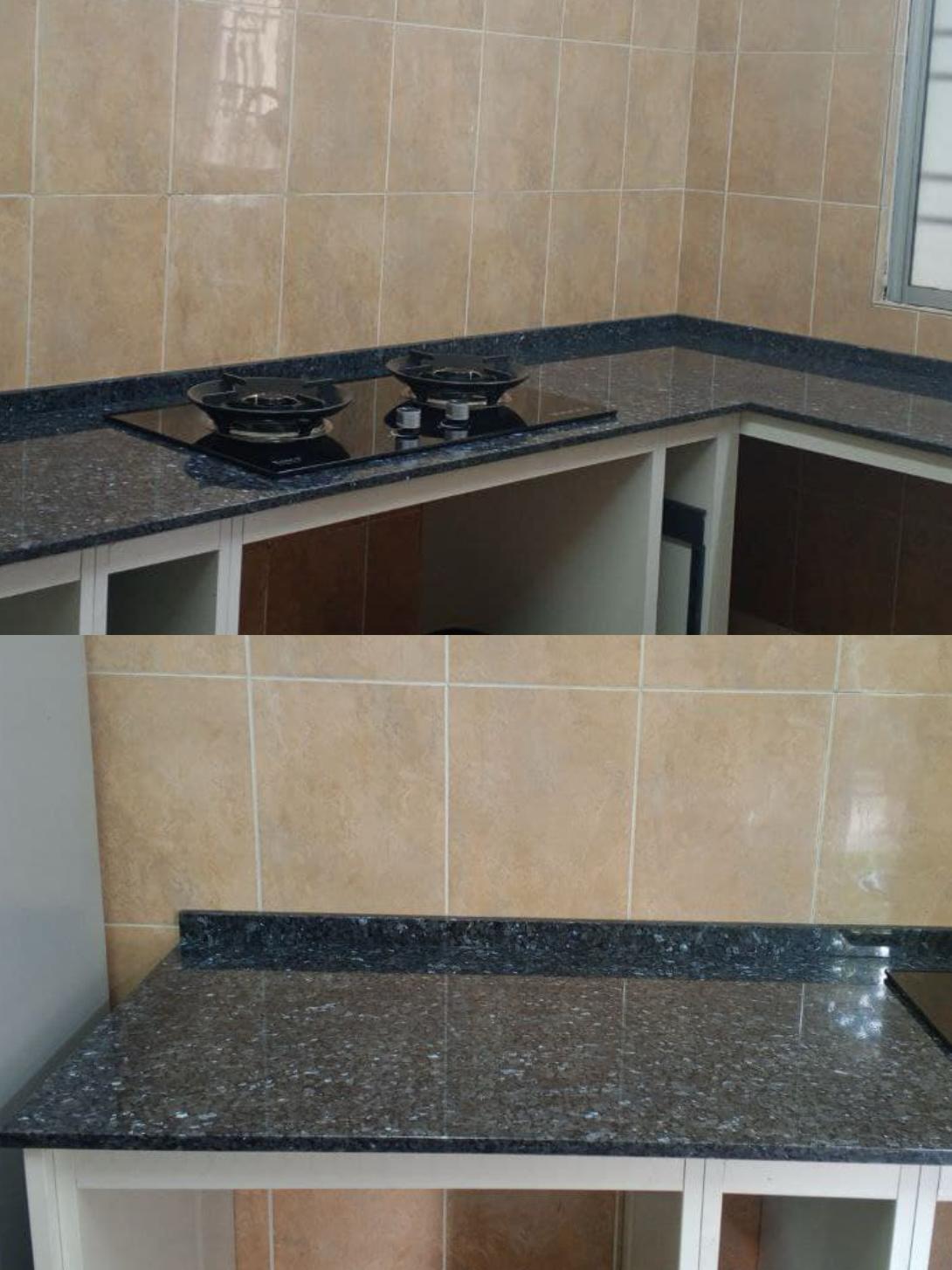
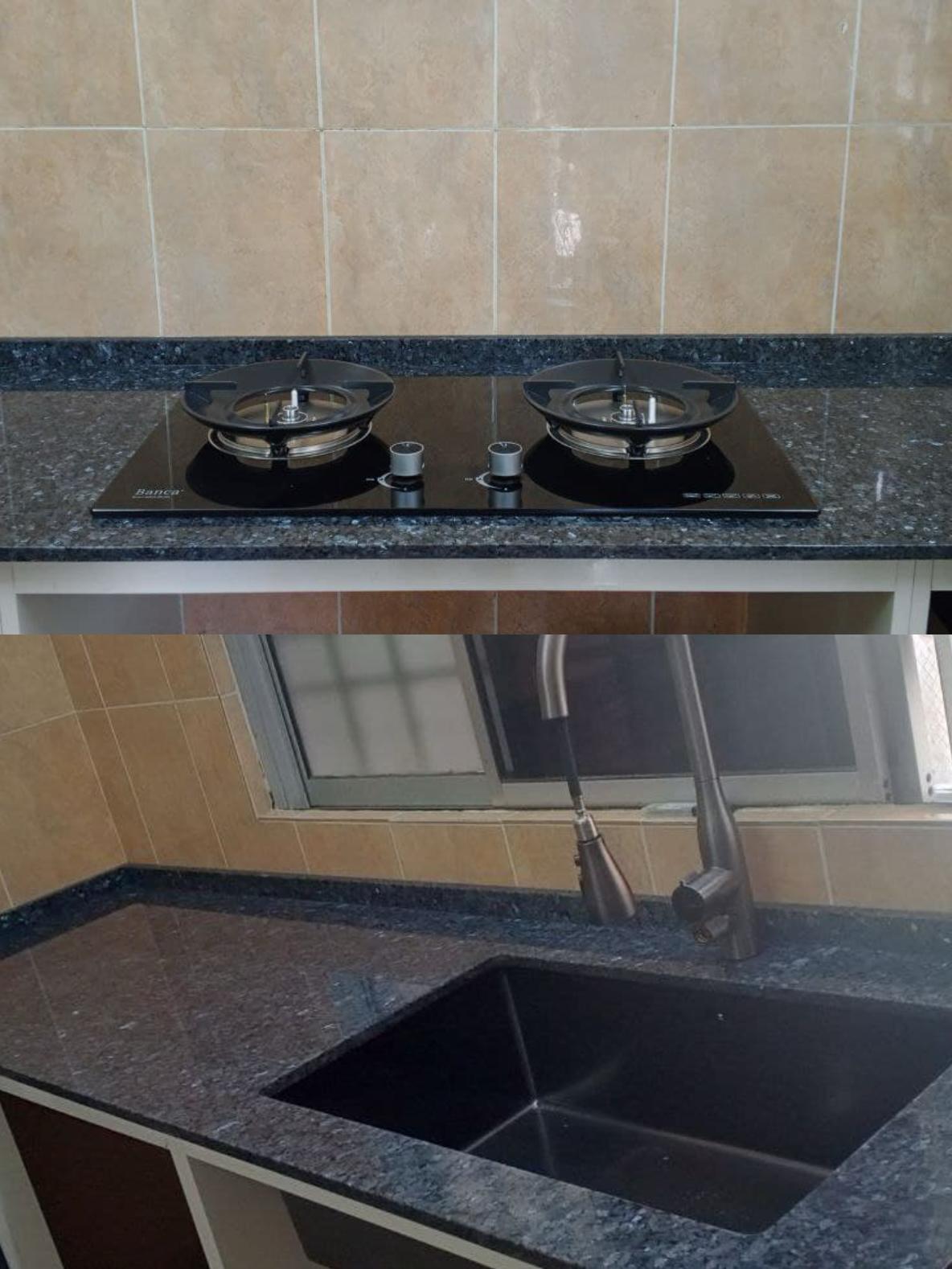
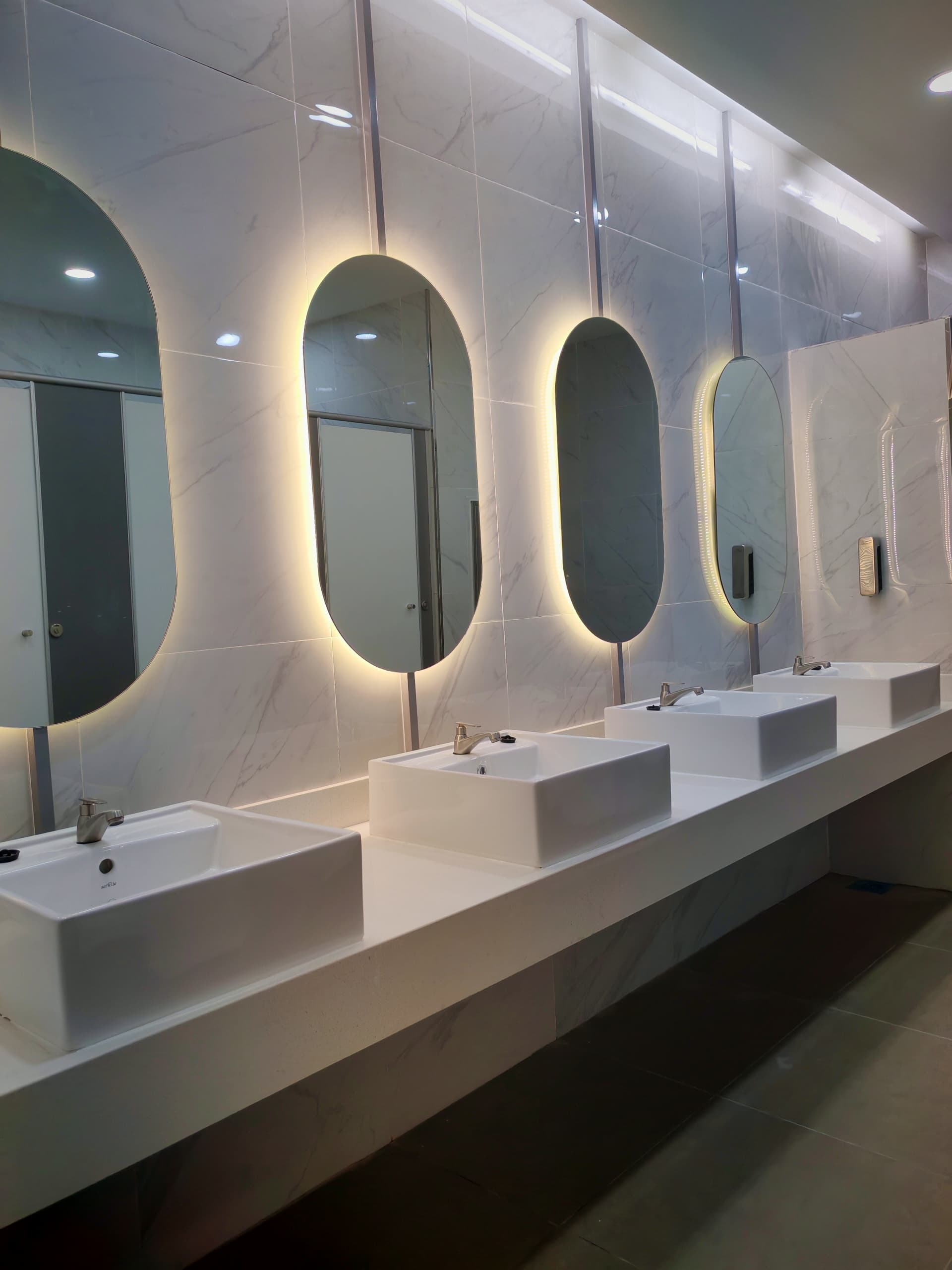
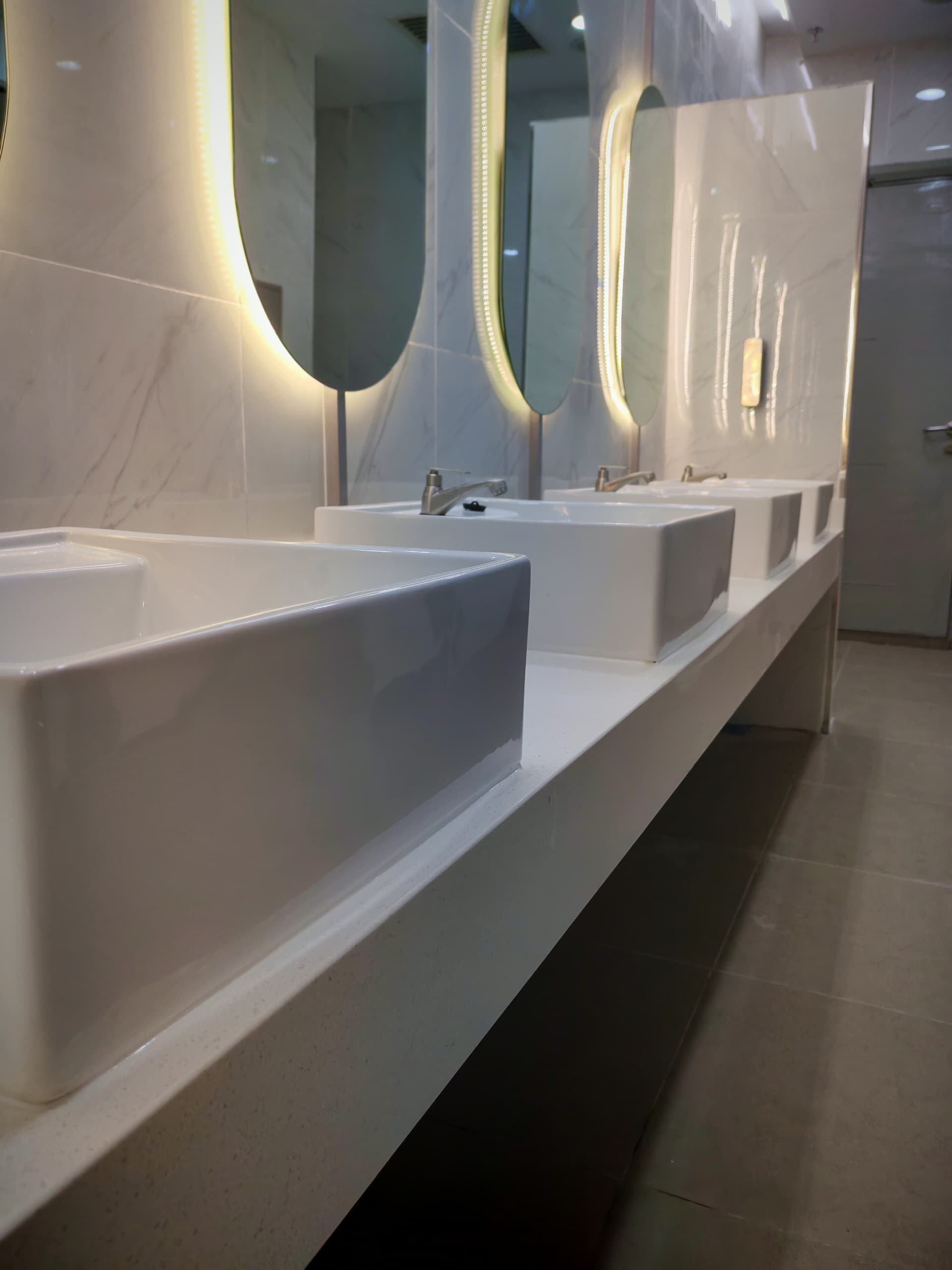
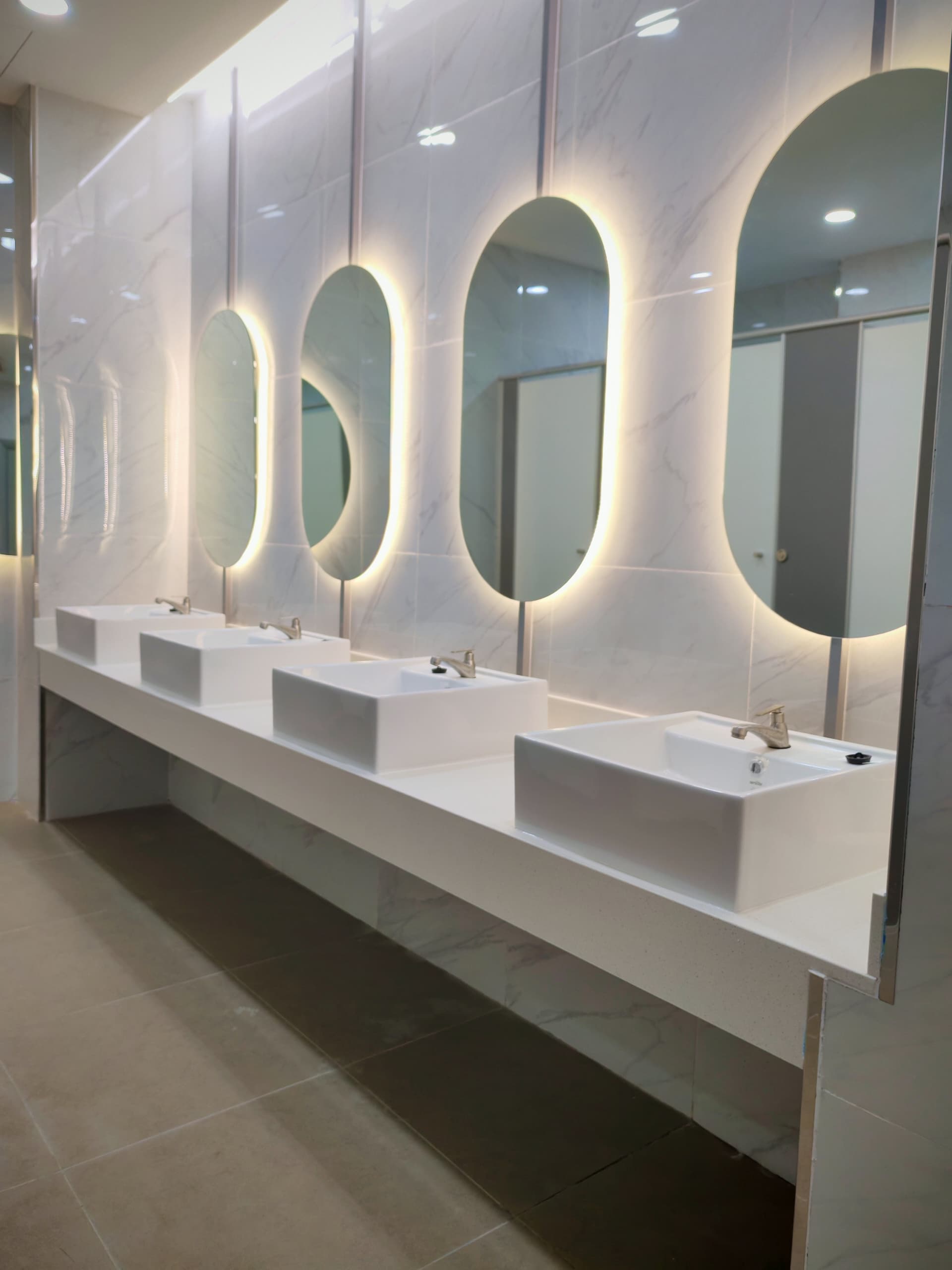
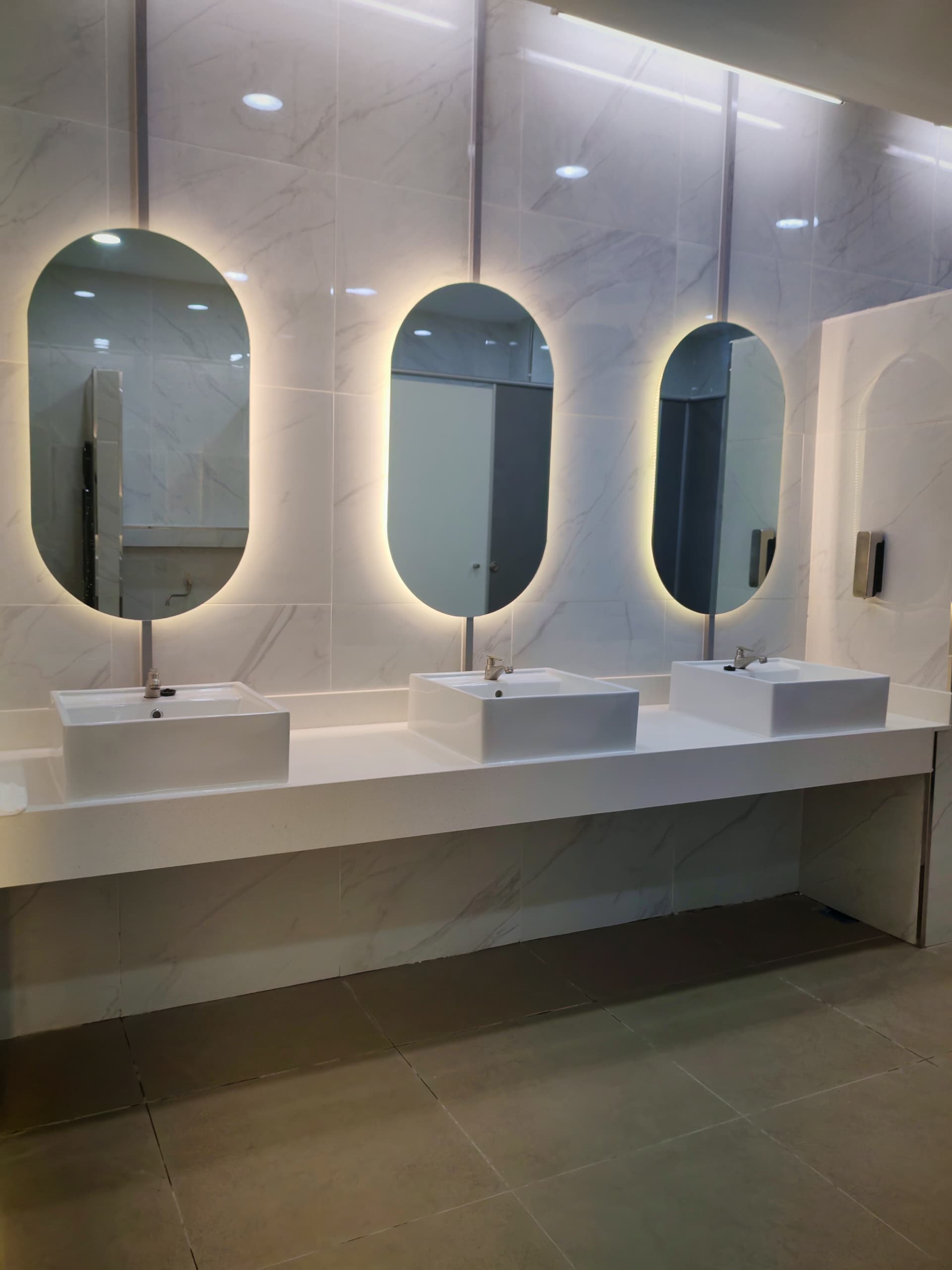
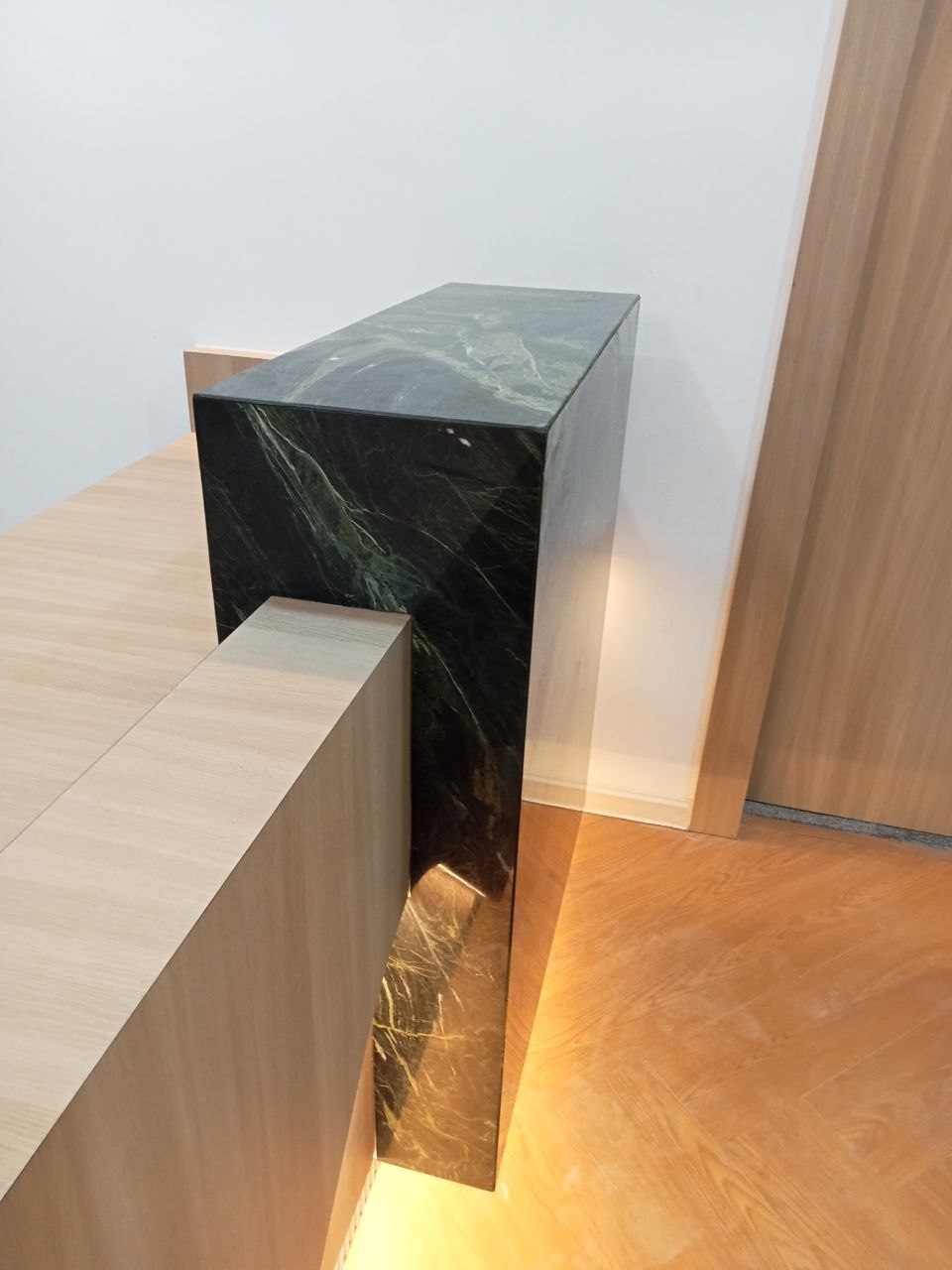
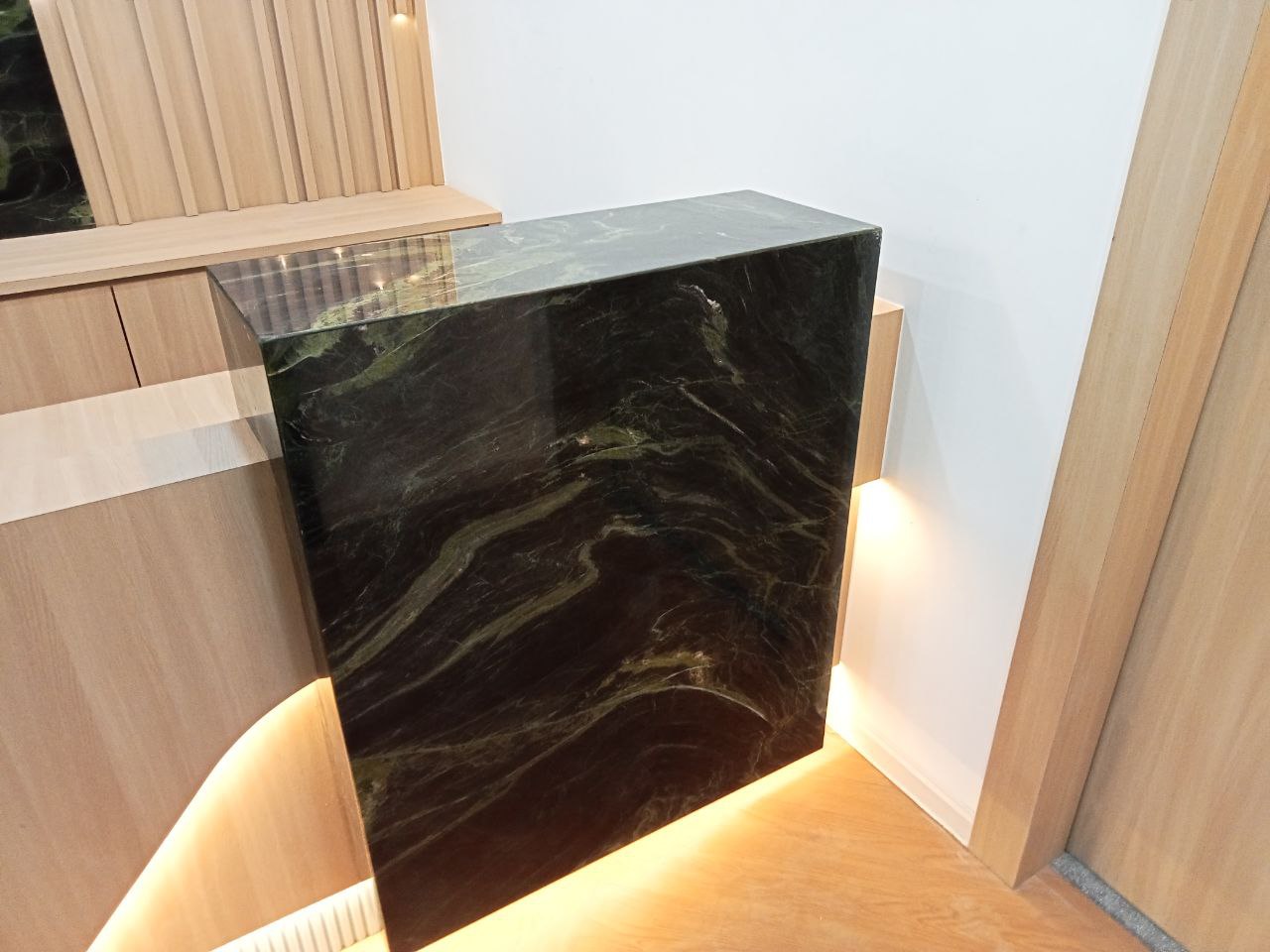
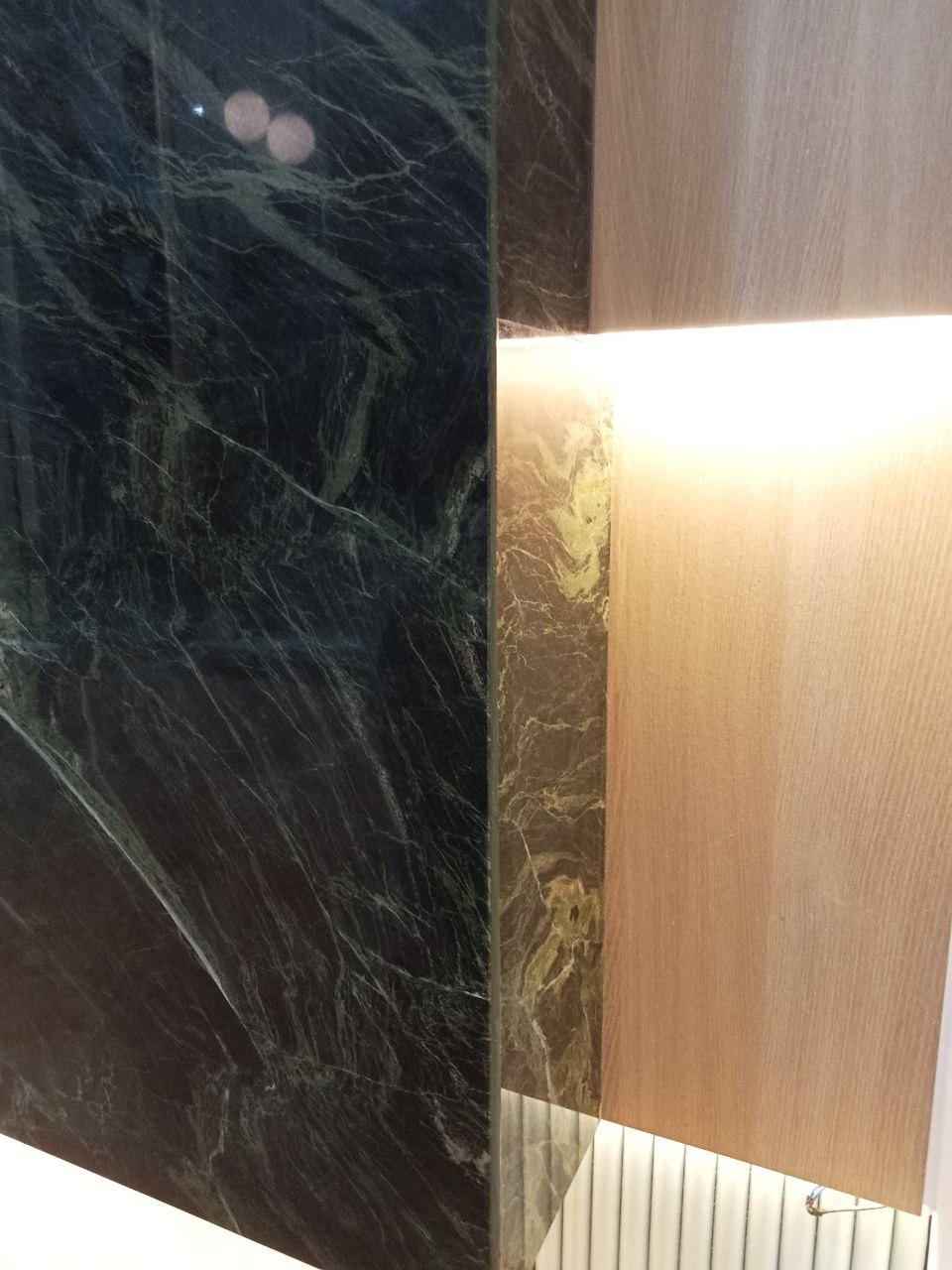
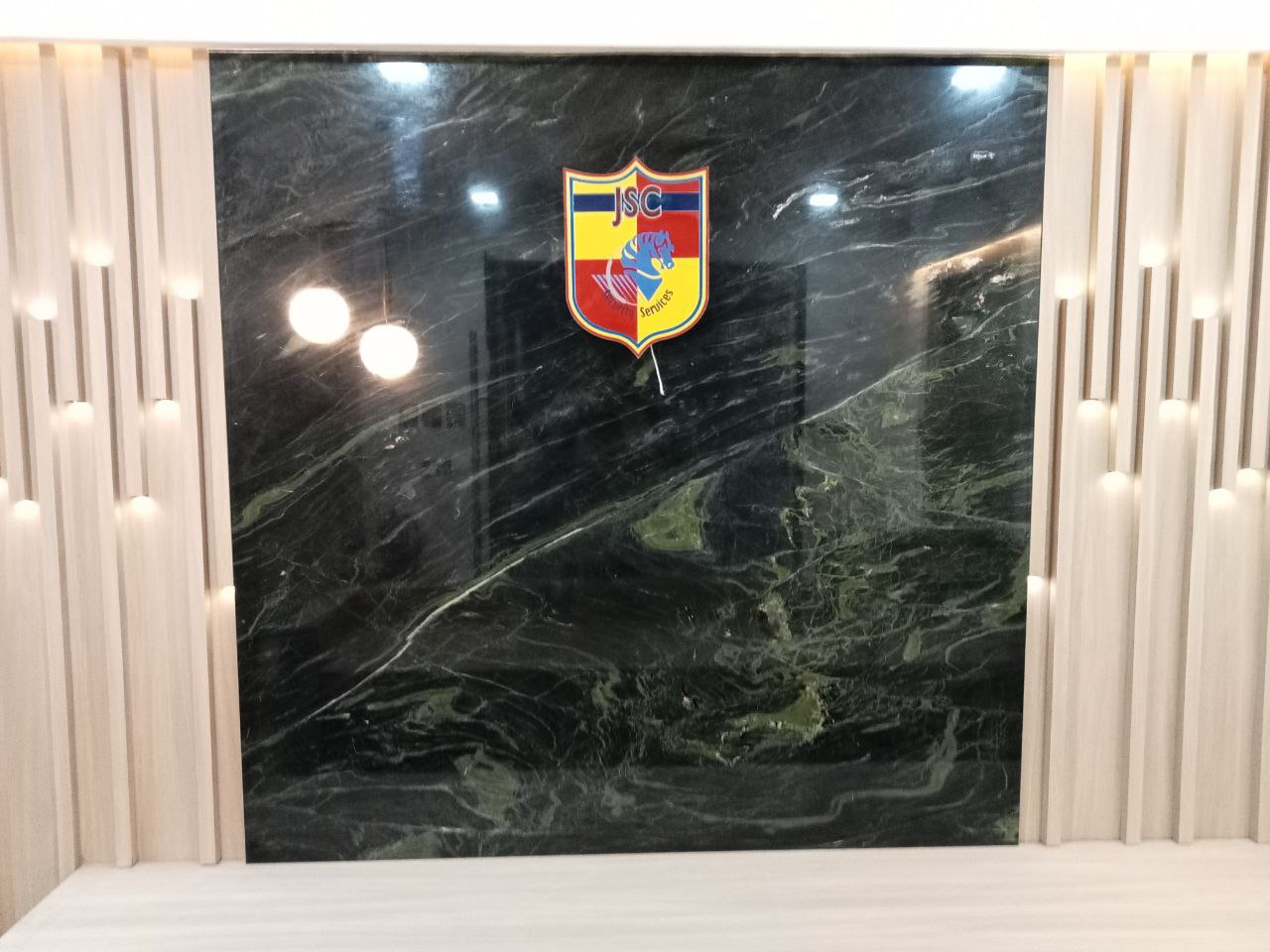
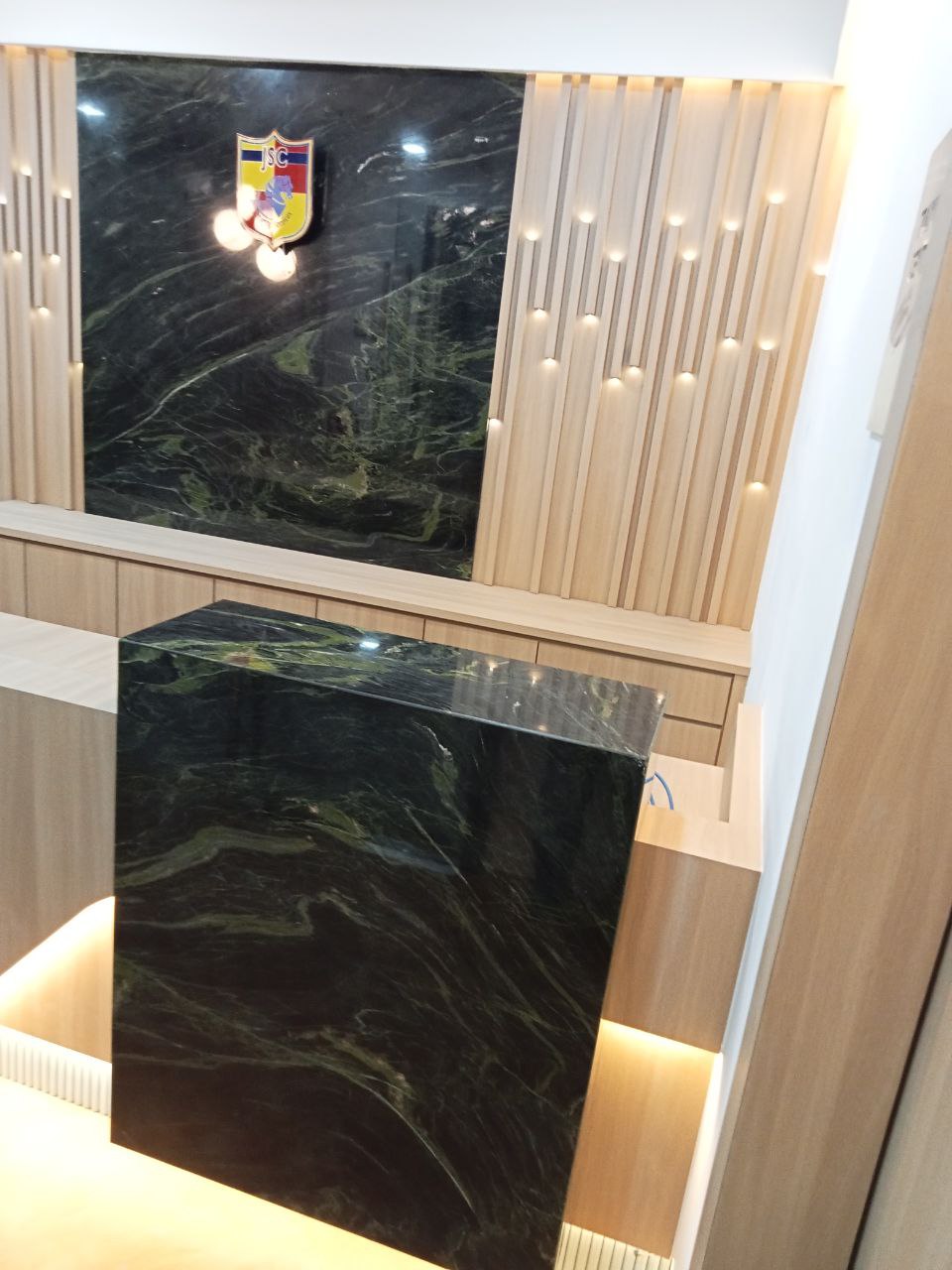
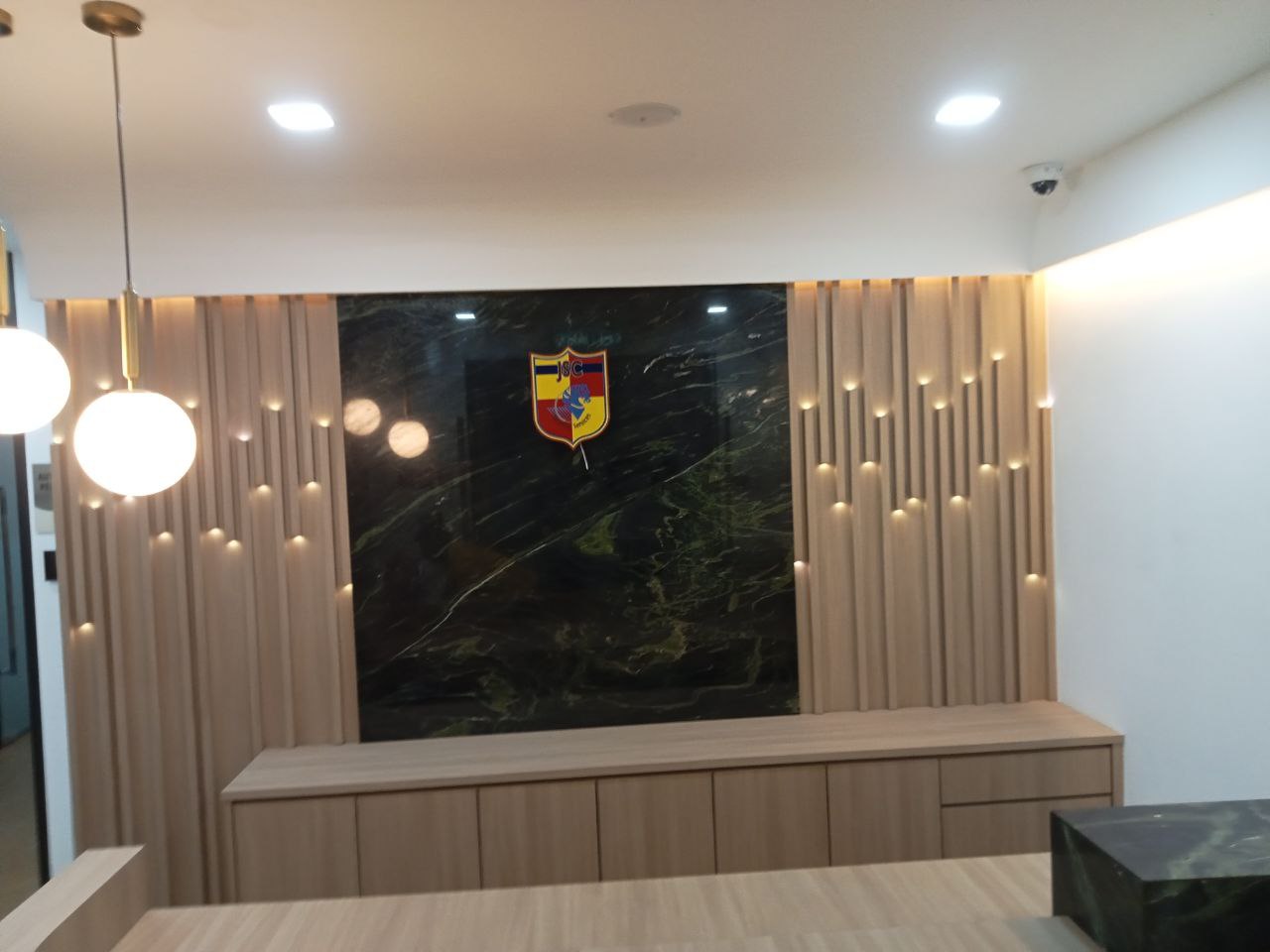
重新装修厨房

重新装修厨房?选择高品质橱柜和台面,焕然一新!

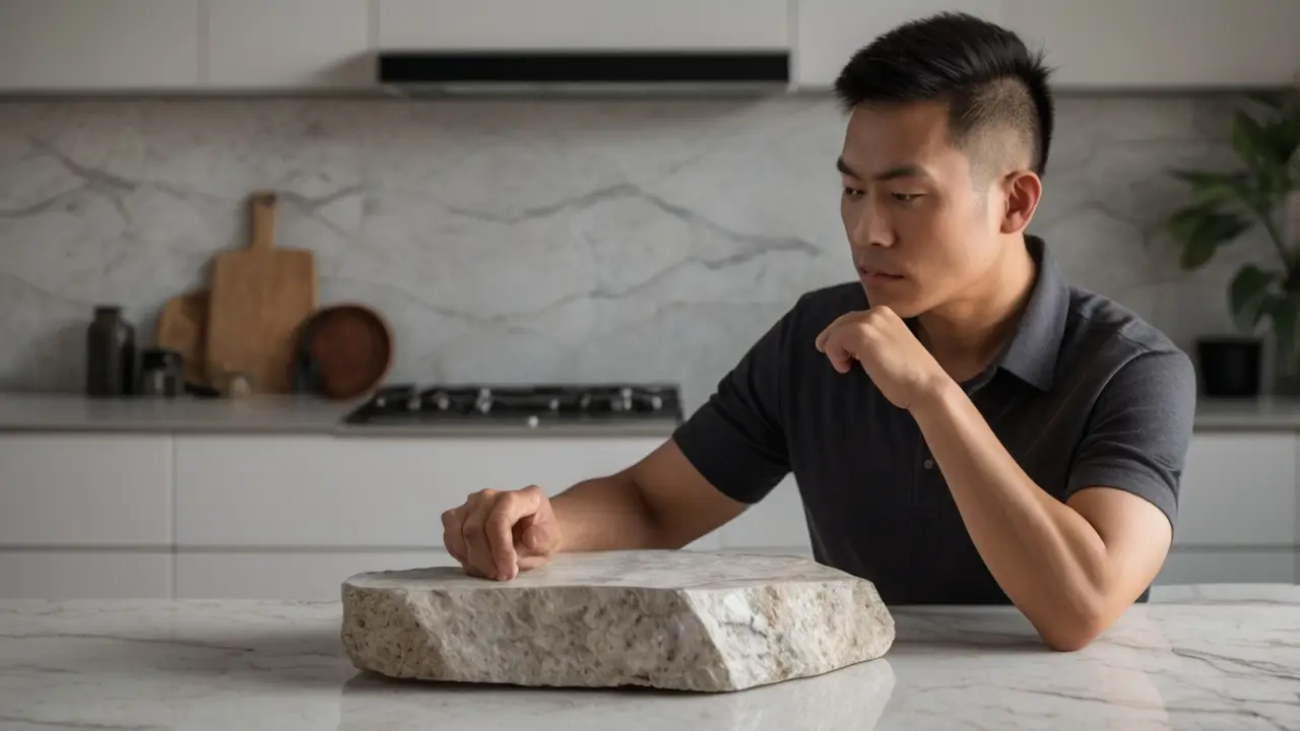
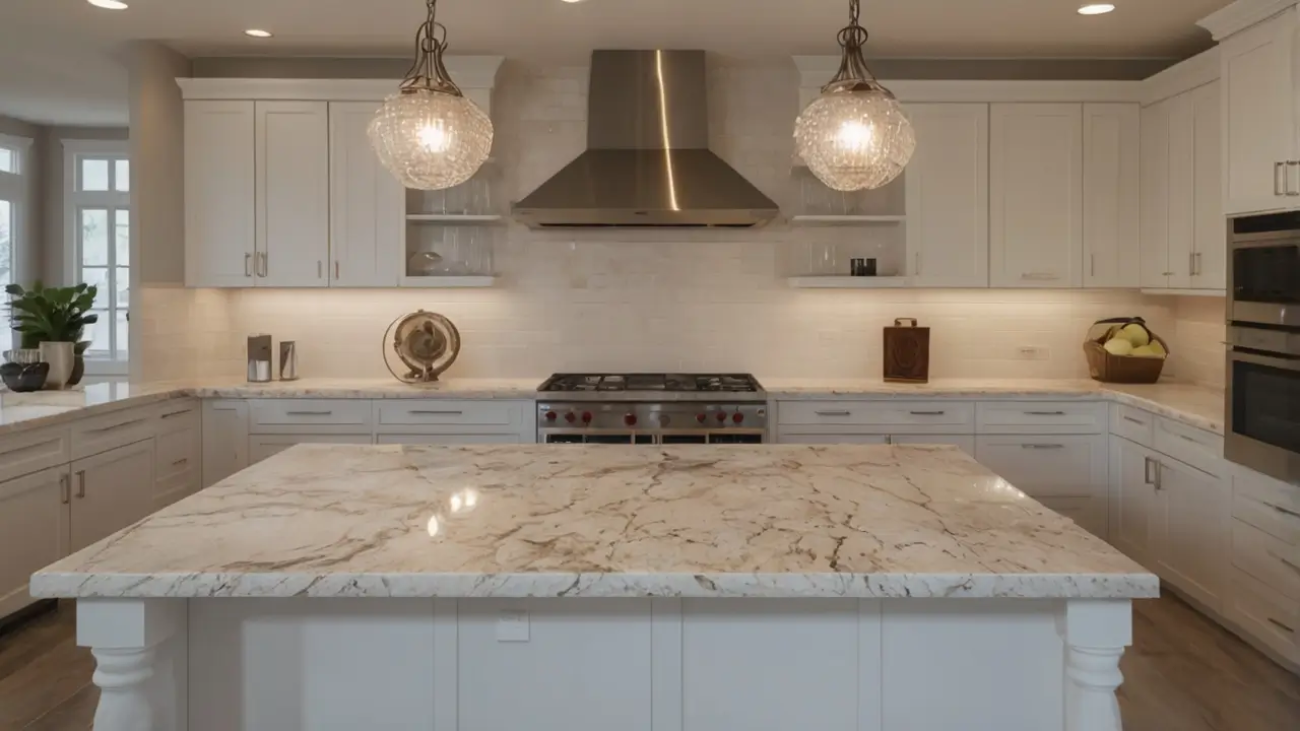
对于大多数家庭来说,厨房不仅是烹饪美食的地方,更是家庭成员互动交流的中心。随着时间的推移,厨房的橱柜和台面会因日常使用而逐渐老旧,影响到整个空间的美观和实用性。当您发现厨房已经难以满足日常需求时,重新装修厨房将成为一个必要且有价值的选择。通过高品质的橱柜和台面,您可以赋予厨房全新的生命力,使其焕然一新。

厨房装修的关键:高品质橱柜和台面

在重新装修厨房时,橱柜和台面是两个至关重要的部分。它们不仅需要具备足够的功能性来满足日常烹饪的需求,还要与整体的家居风格相匹配。因此,选择合适的材料和设计显得尤为重要。我们公司专注于提供高品质的橱柜和厨房台面修复与定制服务,帮助您在厨房装修中做出最佳选择,打造一个兼具美观与实用的厨房空间。

我们使用的材料

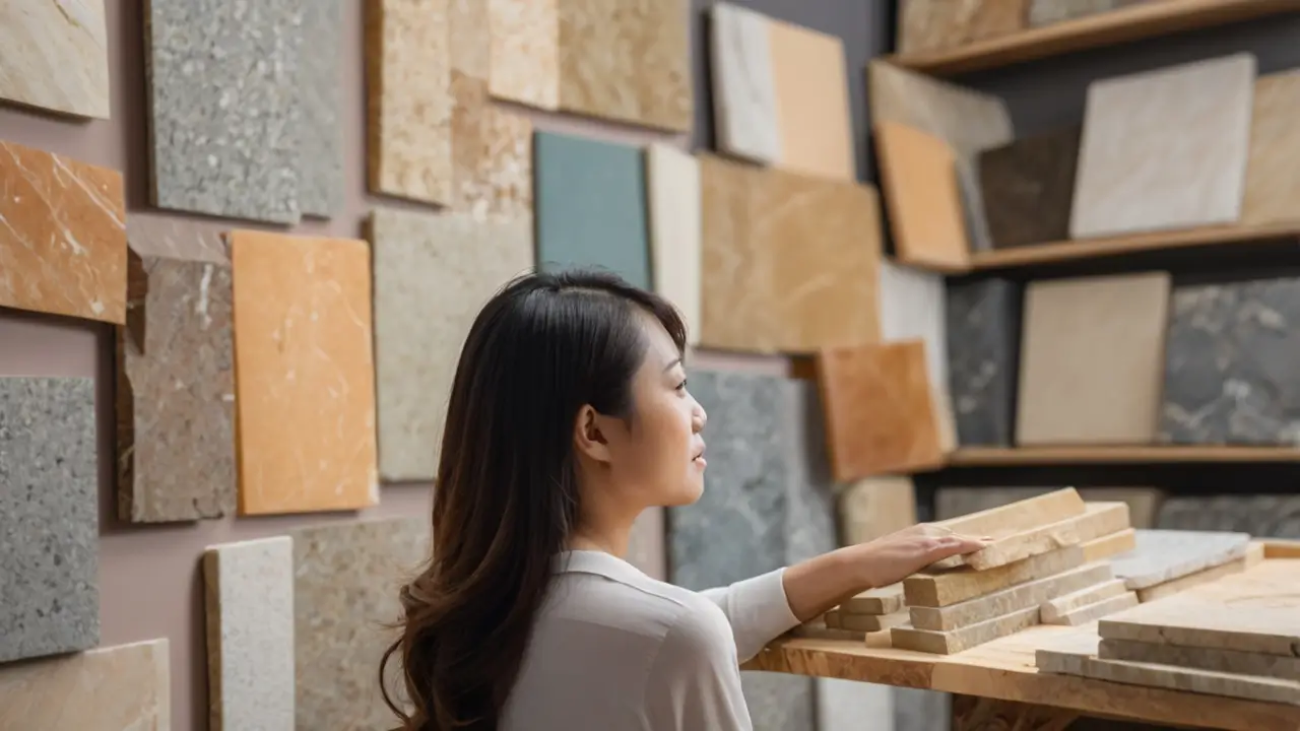
为了确保您的厨房在重新装修后能够持久耐用且外观出众,我们精选了几种在市场上备受赞誉的高品质材料。这些材料不仅性能优越,还具有极高的美观性。

  • 石英石(Quartz Stone): 石英石因其卓越的硬度和耐用性广受青睐。它不仅具有天然石材的美感,而且具备极强的抗刮擦和抗污渍能力,非常适合在厨房这样的高频使用环境中应用。
  • 岩板(Sintered Stone): 岩板是一种通过高温高压烧结制成的新型材料,拥有超强的耐热性和耐刮性。同时,岩板还具有出色的防水性能,非常适合用于厨房台面和橱柜表面。
  • 大理石(Marble): 大理石以其独特的纹理和高贵的外观成为许多高端厨房装修项目的首选材料。虽然大理石的维护要求较高,但其自然美感和丰富的花色无疑为厨房增添了奢华的气质。
  • 陶瓷(Porcelain): 陶瓷材料以其耐磨性和防水性著称,适合现代厨房的各种需求。陶瓷台面不仅耐用且易于清洁,非常适合快节奏的家庭生活。

设计与环保理念的结合

在重新装修厨房的过程中,我们坚持将简洁大方的设计与环保理念结合。我们理解厨房作为家庭重要组成部分的意义,因此在设计中选用环保材料和工艺,确保您的厨房不仅美观实用,还能为环保贡献一份力量。

专业定制服务

每个家庭的厨房需求都不同,因此我们提供量身定制的橱柜和台面服务。无论您需要什么尺寸或风格,我们经验丰富的设计团队都能为您打造符合您期望的厨房空间。我们以客户为中心,注重每一个细节,确保最终效果能够超越您的期望。

联系我们,获取免费报价与咨询

如果您正在考虑重新装修厨房,现在就是行动的最佳时机。点击下方链接,获取免费报价和专业咨询服务。我们的团队将为您提供全方位的建议和支持,帮助您实现理想中的厨房。

📩立即获取您的报价!
点击这里获取免费报价和咨询服务

🌐官方网站
访问我们的网站了解更多

📍我们的地点:
43, Jalan Development, Taman Kepong, 52100 Kuala Lumpur, Wilayah Persekutuan Kuala Lumpur, Malaysia

Natural Stone in Home Design

The Future of Natural Stone in Home Design

Natural stone has been utilized in construction and design for centuries, maintaining its enduring appeal among homeowners and designers. Its distinctive beauty and durability make it a versatile choice for various applications, including flooring, countertops, wall cladding, and outdoor landscaping. Each stone slab’s natural variations in color, texture, and veining contribute to a sense of uniqueness and character in any space.

Natural stone offers a diverse range of options to accommodate different design aesthetics, from the classic elegance of marble to the rustic charm of slate and the earthy warmth of granite. This versatility allows for customization in various architectural and interior design styles. The durability and longevity of natural stone are significant advantages.

When properly maintained, natural stone surfaces can last for decades, making them a sound investment for homeowners. The inherent strength and resilience of natural stone make it particularly suitable for high-traffic areas such as kitchens and bathrooms, where it can withstand daily use while maintaining its appearance. With appropriate care, natural stone surfaces can preserve their beauty and functionality for generations.

This longevity makes natural stone a timeless choice for those seeking to create a lasting impact in their living spaces. The combination of aesthetic appeal and practical durability continues to make natural stone a popular material in modern construction and design.

Innovative Applications in Home Design

The Rise of Large-Format Slabs

One of the most innovative applications of natural stone in home design is the use of large-format slabs. These oversized stone slabs offer a seamless and dramatic look, with fewer grout lines and a more expansive feel. Large-format slabs are being used for everything from kitchen islands and backsplashes to shower walls and flooring, creating a sense of luxury and sophistication in any space.

Thin Stone Veneers: A Game-Changer in Design

Advancements in technology have made it possible to create thin stone veneers that can be applied to a variety of surfaces, opening up new possibilities for incorporating natural stone into design schemes that were previously limited by weight and installation constraints.

Pushing the Boundaries of Traditional Design

Designers and homeowners are finding creative ways to incorporate natural stone into modern and contemporary spaces, pushing the boundaries of its traditional uses. From statement-making fireplace surrounds to dramatic feature walls, natural stone is being reimagined in exciting new ways that showcase its versatility and adaptability to different design styles.

Sustainable and Eco-Friendly Options

In an era where sustainability and eco-friendliness are at the forefront of design considerations, natural stone offers a compelling choice for environmentally conscious homeowners. Unlike synthetic materials that require extensive energy and resources to produce, natural stone is a product of the earth itself, requiring minimal processing and leaving behind a small carbon footprint. Additionally, many natural stone quarries are committed to responsible mining practices that minimize environmental impact and promote the conservation of natural resources.

Furthermore, natural stone’s durability and longevity make it a sustainable choice for home design. Unlike synthetic materials that may need to be replaced every few years, natural stone surfaces can last for decades with proper care, reducing the need for frequent replacements and minimizing waste. Additionally, the thermal mass of natural stone can help regulate indoor temperatures, reducing the need for artificial heating and cooling and lowering energy consumption.

With its timeless appeal and sustainable qualities, natural stone is an eco-friendly choice that aligns with the principles of responsible design and construction.

Emerging Trends in Natural Stone Usage

As home design trends continue to evolve, so too does the use of natural stone in interior and exterior spaces. One emerging trend is the use of mixed materials, where natural stone is combined with other materials such as wood, metal, or glass to create dynamic and visually interesting designs. This trend allows for greater creativity and customization, as designers can play with contrasting textures and colors to achieve a unique look that reflects the homeowner’s personal style.

Another emerging trend is the use of unconventional stone varieties in unexpected applications. While marble and granite have long been popular choices for countertops and flooring, designers are now exploring lesser-known stone varieties such as onyx, travertine, and quartzite for their unique colors and veining patterns. These unconventional stones are being used to create show-stopping focal points in kitchens, bathrooms, and other living spaces, adding a touch of luxury and individuality to the design.

The Versatility of Natural Stone in Different Spaces

Natural stone’s versatility makes it a popular choice for a wide range of spaces within the home. In the kitchen, natural stone countertops offer a durable and heat-resistant surface for food preparation, while also adding a touch of elegance and sophistication to the space. In bathrooms, natural stone can be used for flooring, shower walls, and vanities, creating a spa-like atmosphere that exudes luxury and relaxation.

Natural stone flooring is also a popular choice for living areas, entryways, and outdoor patios, adding a sense of warmth and timelessness to these spaces. Beyond indoor applications, natural stone is also well-suited for outdoor use. From pool surrounds and patio pavers to garden pathways and outdoor kitchens, natural stone can withstand the elements while adding a touch of natural beauty to outdoor living spaces.

Its durability and resistance to fading make it an ideal choice for outdoor applications, allowing homeowners to create cohesive design schemes that seamlessly transition from indoor to outdoor spaces.

Maintenance and Care for Natural Stone Surfaces

Regular Cleaning and Sealing

Regular cleaning with a pH-neutral cleaner is essential to prevent staining and maintain the luster of the stone. Additionally, sealing natural stone surfaces on a regular basis can help protect them from moisture penetration and staining, prolonging their lifespan and maintaining their appearance.

Type-Specific Maintenance

It’s important to note that different types of natural stone require different levels of maintenance. For example, marble is more susceptible to etching from acidic substances, while granite is more resistant to staining but may require periodic resealing. Understanding the specific care requirements of each type of natural stone is essential for preserving its beauty and functionality over time.

Long-Term Benefits

When properly cared for, natural stone surfaces can provide years of enjoyment and add value to a home.

The Future of Natural Stone in Home Design: Expert Predictions

Looking ahead, experts predict that natural stone will continue to be a sought-after material in home design due to its timeless appeal and sustainable qualities. As technology advances, we can expect to see even more innovative applications of natural stone in both residential and commercial spaces. From 3D carving techniques that create intricate patterns and textures to digital printing technologies that replicate the look of rare stones, the possibilities for using natural stone in design are expanding.

Additionally, as consumers become more conscious of environmental impact, there is growing interest in locally sourced and reclaimed natural stone. This trend reflects a desire for authenticity and connection to the earth, as homeowners seek out materials with a story and a sense of place. With its enduring beauty, sustainability, and adaptability to different design styles, natural stone is poised to remain a timeless choice for home design well into the future.

If you’re interested in learning more about selecting the best natural stone for your home design, you should check out Solid Top’s article on comparing marble, granite, and quartz to choose the best quality. This comprehensive guide will help you make an informed decision when it comes to incorporating natural stone into your home. (source)

FAQs

What is natural stone?

Natural stone is a material that is formed in the Earth’s crust through geological processes. It is a durable and versatile material that is often used in construction and home design.

What are the different types of natural stone used in home design?

Some common types of natural stone used in home design include granite, marble, limestone, travertine, and slate. Each type of stone has its own unique characteristics and aesthetic appeal.

How is natural stone used in home design?

Natural stone is used in home design for a variety of purposes, including countertops, flooring, backsplashes, and accent walls. It can also be used for outdoor applications such as patios and pool surrounds.

What are the benefits of using natural stone in home design?

Natural stone offers a range of benefits, including durability, longevity, and a timeless aesthetic. It is also heat-resistant, scratch-resistant, and easy to maintain, making it a popular choice for homeowners.

What is the future of natural stone in home design?

The future of natural stone in home design looks promising, as more homeowners are seeking sustainable and eco-friendly materials. Natural stone also offers a sense of luxury and sophistication, making it a desirable choice for modern home design.

Natural Stone vs. Synthetic Materials

Natural Stone vs. Synthetic Materials: A Comparison

Natural stone has been utilized in construction and design for millennia, valued for its longevity, distinctive aesthetics, and enduring appeal. Formed through geological processes over millions of years, natural stone is a product of the Earth. Common types of natural stone used in construction and design include granite, marble, limestone, travertine, and slate.

Each variety possesses unique characteristics such as color variations, veining patterns, and textures. These properties make natural stone suitable for diverse applications, including countertops, flooring, cladding, and landscaping. Synthetic materials, also referred to as engineered stone or composite materials, are artificially created products designed to replicate the appearance and properties of natural stone.

These materials typically consist of a mixture of natural stone aggregates, resins, and pigments, which are compressed and cured to produce a durable and versatile product. Examples of synthetic materials include quartz, porcelain, and sintered stone. While both natural stone and synthetic materials possess unique qualities and advantages, they differ in terms of durability, aesthetics, environmental impact, maintenance requirements, cost, and potential applications.

Durability and Longevity

Durable Options for Indoor Applications

Granite, for example, is known for its resistance to scratches, heat, and stains, making it an ideal material for kitchen countertops. Marble, while not as hard as granite, offers a luxurious and elegant appeal that can last for generations when properly cared for. Limestone and travertine are also durable options for flooring and cladding, with their unique textures adding character to any space.

Outdoor Applications

Natural stone can withstand the elements when used outdoors, making it a popular choice for patios, walkways, and pool surrounds.

Synthetic Materials: A Durable Alternative

Synthetic materials are engineered to be highly durable and resistant to scratches, stains, and heat. Quartz, for instance, is non-porous and does not require sealing, making it a low-maintenance option for kitchen and bathroom countertops. Porcelain and sintered stone are also highly resistant to wear and tear, making them suitable for both indoor and outdoor applications.

Aesthetics and Appearance

Natural stone is prized for its unique beauty and timeless appeal. Each type of natural stone offers distinct colors, patterns, and veining that cannot be replicated in synthetic materials. Granite, for example, comes in a wide range of colors and patterns, from speckled blacks to veined whites, adding a touch of natural elegance to any space.

Marble is renowned for its luxurious appearance, with its classic white background and intricate veining creating a sense of sophistication. Limestone and travertine offer warm earthy tones and natural textures that can complement a variety of design styles. Synthetic materials are designed to mimic the look and feel of natural stone while offering a more consistent appearance.

Quartz, for instance, can be manufactured in a wide range of colors and patterns to suit different design preferences. Porcelain and sintered stone also offer versatile design options, with the ability to replicate the look of natural stone or create unique contemporary designs. While synthetic materials may not have the same geological variations as natural stone, they offer a more uniform appearance that can be appealing for certain design applications.

Environmental Impact

Natural stone is a sustainable building material that is harvested from the earth with minimal processing. It is a renewable resource that can be quarried in a responsible manner to minimize environmental impact. Additionally, natural stone has a long lifespan and can be recycled or repurposed at the end of its use.

While the extraction and transportation of natural stone may have some environmental considerations, it is important to source from reputable suppliers who adhere to sustainable practices. Synthetic materials are manufactured using a combination of natural stone aggregates, resins, and pigments, which may have varying environmental impacts depending on the production processes. However, many manufacturers are implementing sustainable practices to reduce energy consumption and waste during production.

Additionally, some synthetic materials may contain recycled content or be recyclable at the end of their use. When considering the environmental impact of synthetic materials, it is important to research the specific product and manufacturer to understand their commitment to sustainability.

Maintenance and Care

Natural stone requires regular maintenance to preserve its beauty and durability. Depending on the type of stone and its application, maintenance may include sealing to protect against stains, regular cleaning with pH-neutral products to avoid etching or discoloration, and re-polishing to restore its luster over time. Proper care and maintenance can ensure that natural stone retains its timeless appeal for years to come.

Synthetic materials are designed to be low-maintenance and resistant to stains, scratches, and heat. They do not require sealing or special cleaning products, making them an attractive option for busy households or commercial spaces. However, it is important to follow the manufacturer’s guidelines for care and maintenance to ensure the longevity of synthetic materials.

While synthetic materials may offer easier maintenance compared to natural stone, both options require regular care to preserve their appearance and performance.

Cost and Affordability

Natural Stone: A Long-Term Investment

While some types of natural stone may be more expensive upfront, their durability and timeless appeal can add long-term value to a property. Additionally, natural stone can be more cost-effective in the long run due to its longevity and minimal maintenance requirements.

Synthetic Materials: An Affordable Alternative

Synthetic materials are often more affordable than natural stone upfront due to their manufacturing processes and availability. They also offer consistent pricing regardless of color or pattern variations.

Considering Long-Term Value

While synthetic materials may have a lower initial cost compared to natural stone, it is important to consider long-term value and durability when making a decision.

Applications and Uses

Natural stone is a versatile material that can be used in a wide range of applications, from residential to commercial projects. It is commonly used for kitchen countertops, bathroom vanities, flooring, cladding, fireplace surrounds, outdoor patios, and landscaping features. Its timeless appeal and durability make it a popular choice for both interior and exterior design.

Synthetic materials are also versatile in their applications and uses. They are commonly used for kitchen countertops, bathroom vanities, wall cladding, flooring, outdoor pavers, and furniture surfaces. Their consistent appearance and durability make them suitable for various design styles and environments.

In conclusion, both natural stone and synthetic materials offer unique qualities and benefits that make them suitable for different applications and design preferences. Whether you prefer the timeless beauty of natural stone or the consistent performance of synthetic materials, it is important to consider factors such as durability, aesthetics, environmental impact, maintenance, cost, and applications when making a decision for your project. By understanding the characteristics of each material and their suitability for specific uses, you can make an informed choice that meets your design goals and lifestyle needs.

If you’re interested in learning more about the different types of materials available for kitchen countertops, you should check out this article on selecting the best ultra-compact surface. It provides valuable information on the benefits and features of ultra-compact surfaces, which can help you make an informed decision when choosing between natural stone and synthetic materials for your kitchen countertops.

FAQs

What are natural stones?

Natural stones are materials that are formed in nature, such as granite, marble, limestone, and slate. They are quarried from the earth and then cut and polished for use in various applications.

What are synthetic materials?

Synthetic materials are man-made products that are created using chemical processes. Examples include quartz countertops, porcelain tiles, and engineered stone.

What are the differences between natural stones and synthetic materials?

Natural stones are formed by geological processes over thousands or millions of years, while synthetic materials are manufactured in factories. Natural stones have unique variations in color and pattern, while synthetic materials can be more uniform in appearance. Natural stones are also more porous and may require sealing, while synthetic materials are often non-porous and require less maintenance.

What are the advantages of natural stones?

Natural stones are known for their durability, timeless beauty, and unique characteristics. They can add value to a property and are often considered a luxury material. Natural stones also have a lower environmental impact compared to synthetic materials.

What are the advantages of synthetic materials?

Synthetic materials are often more affordable than natural stones and can be manufactured to have specific characteristics, such as uniform color and pattern. They are also non-porous and resistant to staining, making them easier to maintain in some cases.

Which is better, natural stone or synthetic materials?

The choice between natural stone and synthetic materials depends on individual preferences, budget, and the specific application. Both have their own advantages and disadvantages, and the decision should be based on factors such as aesthetics, durability, maintenance, and environmental impact.

How to Choose a Reliable Stone Supplier

How to Choose a Reliable Stone Supplier

When selecting reliable stone suppliers, it is essential to thoroughly investigate their reputation. This can be accomplished by examining online reviews and customer testimonials, which provide insights into the supplier’s product quality and customer service. Seeking recommendations from industry professionals or businesses with experience in stone procurement can also be valuable.

Gathering information from multiple sources allows for a comprehensive evaluation of potential suppliers. Assessing a supplier’s industry experience and expertise is equally important. Suppliers with extensive experience are more likely to offer reliable, high-quality products and possess in-depth knowledge of various stone types.

They can provide expert guidance on selecting the most suitable stone for specific applications. Choosing a supplier with a proven track record and industry expertise increases the likelihood of receiving quality stone products that meet project requirements.

Assessing the Quality of Stone Products

Requesting Samples: The First Step in Quality Evaluation

When evaluating stone suppliers, it’s essential to assess the quality of their products. This can be done by requesting samples of the stone products you are interested in. By examining the samples, you can assess the color, texture, and overall quality of the stone.

Assessing the Supplier’s Product Range and Manufacturing Process

Look for suppliers who offer a wide range of high-quality stone options, including marble, granite, limestone, and more. Additionally, inquire about the sourcing and manufacturing processes used by the supplier to ensure that their products meet industry standards for quality and durability.

Quality Control: A Key Factor in Supplier Selection

In addition to examining samples, it’s important to inquire about the supplier’s quality control processes. Ask about their inspection procedures and any certifications they have obtained to ensure that their products meet industry standards. A reputable supplier will be transparent about their quality control measures and will be able to provide evidence of their commitment to delivering top-notch stone products.

Comparing Pricing and Quotes from Different Suppliers

When sourcing stone products, it’s important to compare pricing and quotes from different suppliers to ensure that you are getting the best value for your investment. Start by requesting detailed quotes from multiple suppliers, including information on the cost of the stone products, delivery fees, and any additional charges. By comparing quotes side by side, you can identify any significant price discrepancies and gain insight into the overall cost of working with each supplier.

In addition to comparing pricing, it’s important to consider the overall value offered by each supplier. This includes assessing factors such as the quality of the stone products, customer service, and delivery timelines. While it’s important to find a supplier that offers competitive pricing, it’s equally important to consider the overall value they provide.

Look for suppliers who offer a balance of competitive pricing and high-quality products, as well as excellent customer service and support. By carefully comparing pricing and quotes from different suppliers, you can make an informed decision and select a supplier that offers the best overall value for your needs.

Evaluating the Range of Stone Options Available

When choosing a stone supplier, it’s important to evaluate the range of stone options available to ensure that you can find the perfect products for your specific needs. Look for suppliers who offer a wide variety of stone types, colors, and finishes to accommodate different design preferences and project requirements. Whether you are looking for marble for a luxurious interior space or granite for a durable outdoor application, a diverse range of options allows you to find the ideal stone products for your project.

In addition to considering the variety of stone options available, it’s important to assess the availability of custom options and specialty products. Some projects may require unique or custom-cut stone products, so it’s essential to work with a supplier who can accommodate these needs. By evaluating the range of stone options available from different suppliers, you can ensure that you have access to a diverse selection of high-quality products that meet your specific project requirements.

Checking for Certifications and Industry Standards

When sourcing stone products, it’s important to check for certifications and industry standards to ensure that you are working with a reputable and reliable supplier. Look for suppliers who have obtained certifications from recognized industry organizations, such as the Natural Stone Institute or the Marble Institute of America. These certifications demonstrate a commitment to quality and ethical business practices, providing assurance that the supplier meets industry standards for excellence.

In addition to certifications, it’s important to inquire about the sourcing and manufacturing processes used by the supplier to ensure that their products meet industry standards for quality and sustainability. Ask about any environmental certifications or sustainable practices that the supplier follows to ensure that their products are responsibly sourced and manufactured. By checking for certifications and industry standards, you can have confidence in the ethical and quality-driven practices of the stone supplier you choose to work with.

Examining the Supplier’s Customer Service and Support

Key Characteristics of Excellent Customer Service

Look for suppliers who are responsive to inquiries, provide clear communication, and offer expert guidance on product selection and project requirements.

After-Sales Support and Warranties

Additionally, inquire about their after-sales support and any warranties or guarantees offered on their products.

Accommodating Project Needs

In addition to assessing customer service, it’s important to consider the supplier’s ability to accommodate your specific project needs. This includes factors such as lead times, customization options, and logistical support.

By examining the customer service and support offered by potential suppliers, you can ensure that you receive the assistance and guidance needed to make informed decisions and successfully complete your project.

Considering the Supplier’s Delivery and Logistics Capabilities

Finally, when evaluating stone suppliers, it’s important to consider their delivery and logistics capabilities to ensure that your products are delivered on time and in optimal condition. Inquire about the supplier’s shipping methods, delivery timelines, and any additional fees or charges associated with delivery. A reliable supplier will have efficient logistics processes in place to ensure that your stone products are delivered safely and promptly.

In addition to delivery timelines, it’s important to consider the supplier’s ability to accommodate large or complex orders. Whether you require a small quantity of stone products for a residential project or a large volume for a commercial development, it’s essential to work with a supplier who can fulfill your order requirements without compromising on quality or delivery timelines. By considering the delivery and logistics capabilities of potential suppliers, you can ensure that your project stays on track and that your stone products are delivered according to your specific needs.

In conclusion, sourcing stone products requires careful consideration of various factors such as reputation, quality, pricing, range of options, certifications, customer service, and delivery capabilities. By thoroughly researching potential suppliers and assessing these key aspects, you can make an informed decision and select a reliable partner for your stone sourcing needs. Whether you are working on a residential renovation or a large-scale commercial project, choosing the right stone supplier is essential for achieving successful outcomes and creating stunning spaces that stand the test of time.

If you’re looking for more information on selecting the best granite stone in Malaysia, check out this helpful article on solidtop.com.my. This article provides valuable insights and tips for choosing the right granite stone for your project, making it a great complement to the advice on choosing a reliable stone supplier.

FAQs

What factors should I consider when choosing a stone supplier?

When choosing a stone supplier, consider factors such as the supplier’s reputation, experience, product quality, pricing, customer service, and delivery options.

How can I determine a stone supplier’s reputation?

You can determine a stone supplier’s reputation by researching online reviews, asking for references, and checking if they are a member of industry associations or have certifications.

What should I look for in terms of product quality?

When assessing product quality, look for a stone supplier that offers a wide variety of high-quality stones, provides detailed product information, and has a quality control process in place.

How important is customer service when choosing a stone supplier?

Customer service is crucial when choosing a stone supplier as it can impact your overall experience. Look for a supplier that is responsive, knowledgeable, and willing to provide assistance throughout the purchasing process.

What are some important delivery options to consider?

When choosing a stone supplier, consider their delivery options such as shipping costs, delivery times, and the ability to accommodate your specific project requirements.

Why is experience an important factor in choosing a stone supplier?

Experience is important when choosing a stone supplier as it indicates their knowledge of the industry, ability to handle various projects, and track record of delivering quality products and services.

Natural Stone for Bathroom Vanities

The Best Natural Stone for Bathroom Vanities

Natural stone for bathroom vanities are a popular choice for homeowners seeking to enhance their bathrooms with elegance and luxury. These vanities are crafted from various types of natural stone, each possessing unique characteristics and advantages. Common options include marble, granite, quartzite, limestone, travertine, and soapstone.

This article will examine the different types of natural stone used for bathroom vanities, highlighting their individual properties and explaining why they are excellent choices for bathroom design. When selecting natural stone bathroom vanities, several factors should be considered, including durability, maintenance requirements, and aesthetic appeal. Each type of natural stone offers distinct advantages, making it essential for homeowners to carefully evaluate their options before making a decision.

Options range from timeless and luxurious marble to durable and low-maintenance granite, as well as unique and strong quartzite. Natural stone bathroom vanities are available to suit various styles and preferences. This article will explore the world of natural stone bathroom vanities and discuss the beauty and benefits of each stone type.

Marble: A Timeless and Luxurious Choice

The Versatility of Marble

This natural stone is available in a wide range of colors and patterns, allowing homeowners to find the perfect marble vanity to complement their bathroom decor.

Maintenance and Durability

While marble is undeniably stunning, it’s important to note that it does require regular maintenance to keep it looking its best. Proper sealing and cleaning are essential to prevent staining and etching, but with the right care, a marble bathroom vanity can last for years to come. In addition to its aesthetic appeal, marble is also a durable and heat-resistant material, making it an excellent choice for bathroom vanities.

A Timeless Choice for Bathroom Vanities

Its natural strength and resistance to heat make it a practical option for everyday use in the bathroom. Whether you prefer classic white Carrara marble or a more dramatic Calacatta marble with bold veining, there is a marble bathroom vanity to suit every taste and style. With its timeless beauty and enduring appeal, marble is a luxurious choice for homeowners looking to create a sophisticated and elegant bathroom space.

Granite: Durable and Low-Maintenance

Granite is another popular choice for natural stone bathroom vanities, prized for its durability and low-maintenance qualities. This igneous rock is formed from molten magma, giving it incredible strength and resistance to heat and scratches. Granite is available in a wide range of colors and patterns, making it easy to find the perfect granite vanity to complement any bathroom decor.

Whether you prefer a sleek black granite or a warm golden hue, granite offers a versatile and durable option for bathroom vanities. One of the key benefits of granite is its low-maintenance nature. This natural stone is resistant to stains and easy to clean, making it an ideal choice for busy bathrooms.

With proper sealing, granite bathroom vanities can withstand daily use without showing signs of wear and tear. In addition to its practicality, granite also adds a touch of luxury to any bathroom with its natural beauty and unique patterns. Whether you choose a polished or honed finish, a granite bathroom vanity is sure to make a statement in any bathroom space.

With its durability and low-maintenance qualities, granite is an excellent choice for homeowners looking for a practical yet stylish option for their bathroom vanities.

Quartzite: Strong and Unique

Quartzite is a natural stone that offers both strength and unique beauty, making it an excellent choice for bathroom vanities. Formed from sandstone and quartz under intense heat and pressure, quartzite is an incredibly strong and durable material that can withstand the demands of daily use in the bathroom. This natural stone is available in a wide range of colors and patterns, from soft whites and greys to bold blues and greens, making it easy to find the perfect quartzite vanity to suit any bathroom decor.

In addition to its strength, quartzite also offers a unique and striking appearance that adds character to any bathroom space. With its natural veining and subtle shimmer, quartzite creates a one-of-a-kind look that can’t be replicated with any other material. Whether you prefer a sleek and modern design or a more rustic and traditional style, quartzite offers endless possibilities for creating a stunning bathroom vanity.

With its strength and unique beauty, quartzite is an excellent choice for homeowners looking for a durable and distinctive option for their bathroom vanities.

Limestone: Soft and Elegant

Limestone is a soft and elegant natural stone that adds a touch of warmth and sophistication to any bathroom space. This sedimentary rock is formed from the remains of marine organisms, giving it a unique texture and character that sets it apart from other types of natural stone. Limestone is available in a variety of earthy tones, from creamy whites to soft greys and warm beiges, making it easy to find the perfect limestone vanity to complement any bathroom decor.

One of the key benefits of limestone is its soft and inviting appearance, which creates a sense of warmth and elegance in the bathroom. This natural stone adds a touch of timeless beauty to any space with its subtle veining and delicate texture. While limestone does require regular maintenance to prevent staining and etching, with proper care, it can last for years to come.

Whether you prefer a honed or polished finish, a limestone bathroom vanity adds a touch of understated luxury to any bathroom space. With its soft and elegant appearance, limestone is an excellent choice for homeowners looking to create a warm and inviting atmosphere in their bathrooms.

Travertine: Rustic and Warm

Unique Characteristics of Travertine

One of the key benefits of travertine is its rustic and warm appearance, which creates a cozy and inviting atmosphere in the bathroom. This natural stone adds character to any space with its natural pits and voids, giving it a distinctive look that can’t be replicated with any other material.

Maintenance and Durability

While travertine does require regular maintenance to prevent staining and etching, with proper care, it can last for years to come.

Adding Old-World Charm to Your Bathroom

Whether you prefer a tumbled or polished finish, a travertine bathroom vanity adds a touch of old-world charm to any bathroom space. With its rustic and warm appeal, travertine is an excellent choice for homeowners looking to create a cozy and inviting atmosphere in their bathrooms.

Soapstone: Sleek and Modern

Soapstone is a sleek and modern choice for natural stone bathroom vanities, prized for its smooth texture and contemporary appeal. This metamorphic rock is formed from talc, giving it a soft and smooth surface that adds a touch of sophistication to any bathroom space. Soapstone is available in a range of dark hues, from deep charcoal greys to rich black tones, making it easy to find the perfect soapstone vanity to complement any modern bathroom decor.

One of the key benefits of soapstone is its sleek and modern appearance, which creates a clean and contemporary atmosphere in the bathroom. This natural stone adds a touch of understated elegance to any space with its smooth surface and subtle veining. While soapstone does require regular maintenance to prevent staining and etching, with proper care, it can last for years to come.

Whether you prefer a honed or oiled finish, a soapstone bathroom vanity adds a touch of modern sophistication to any bathroom space. With its sleek and modern appeal, soapstone is an excellent choice for homeowners looking to create a clean and contemporary atmosphere in their bathrooms. In conclusion, natural stone bathroom vanities offer an array of options for homeowners looking to add luxury, durability, and unique beauty to their bathrooms.

From timeless marble to durable granite, strong quartzite, soft limestone, rustic travertine, and sleek soapstone, there is a natural stone option to suit every style and preference. Each type of natural stone offers its own set of advantages, making it important for homeowners to carefully consider their options before making a decision. Whether you’re drawn to the timeless elegance of marble or the sleek modernity of soapstone, there’s no shortage of stunning choices when it comes to natural stone bathroom vanities.

With their enduring beauty and practical benefits, natural stone vanities are an excellent investment for any home.

If you’re considering using natural stone for your bathroom vanity, you may also be interested in learning about the benefits of solid surface materials. Solid surface materials are a popular choice for bathroom vanities due to their durability and versatility. To explore more about solid surface materials, check out this article on Malaysia’s Top No. 1 Trustworthy Solid Surface. This article provides valuable insights into the advantages of using solid surface materials for your bathroom vanity and other design projects.

FAQs

What are the best natural stones for bathroom vanities?

The best natural stones for bathroom vanities include marble, granite, quartzite, and soapstone. These stones are durable, resistant to moisture and heat, and come in a variety of colors and patterns.

What are the benefits of using natural stone for bathroom vanities?

Natural stone for bathroom vanities offers durability, resistance to moisture and heat, and a timeless aesthetic. It also adds value to the home and requires minimal maintenance.

How do I choose the right natural stone for my bathroom vanity?

When choosing a natural stone for your bathroom vanity, consider factors such as durability, maintenance requirements, color and pattern options, and budget. It’s also important to consider the specific needs of your bathroom, such as moisture and heat resistance.

How should I care for and maintain natural stone bathroom vanities?

To care for and maintain natural stone bathroom vanities, it’s important to regularly clean them with a mild soap and water, avoid using harsh chemicals or abrasive cleaners, and promptly clean up any spills. Additionally, it’s recommended to seal the stone periodically to protect it from stains and moisture.

Kitchen Countertop Trend

The Surprising Kitchen Countertop Trend: Forget Granite, This Unexpected Material is Taking Over

In recent years, a significant shift has occurred in homeowners’ preferences for kitchen countertop materials. While traditional options like granite, marble, and quartz have long dominated the market, there has been a notable increase in demand for non-traditional materials such as concrete, wood, stainless steel, and recycled glass. This change can be attributed to evolving design trends, increased focus on sustainability, and growing appreciation for the unique aesthetic qualities offered by these alternative materials.

The emergence of non-traditional kitchen countertop materials has expanded the range of options available to homeowners seeking to create distinctive kitchen designs. These materials cater to various styles, from industrial-inspired concrete surfaces to warm and inviting wooden countertops. This article will examine the factors contributing to granite‘s declining popularity as the preferred choice for kitchen countertops, explore the unexpected materials gaining traction, discuss the advantages of selecting non-traditional options, review available design possibilities, consider cost implications, and explain how embracing this new trend can significantly enhance kitchen spaces.

The Decline of Granite: Why Homeowners are Choosing Alternatives

The Uniformity of Granite

One of the main reasons for the decline of granite is its uniformity. While it is undoubtedly beautiful, its widespread use has led to a sense of sameness in many kitchens. Homeowners are now seeking out materials that offer a more unique and personalized look for their countertops.

Maintenance and Environmental Concerns

The maintenance and care required for granite countertops can be off-putting for some homeowners. Granite requires regular sealing to prevent staining and can be prone to chipping and cracking if not properly cared for. Furthermore, the environmental impact of granite mining and production has also led to a shift in consumer preferences. Many homeowners are now seeking out more sustainable options for their kitchen countertops.

The Rise of Alternative Materials

As a result, many homeowners are turning to alternative materials that offer greater durability and ease of maintenance. These non-traditional materials offer eco-friendly benefits, leading to a shift in the kitchen countertop market.

The Unexpected Material: Exploring the Surprising Trend in Kitchen Countertops

As the popularity of granite declines, homeowners are turning to unexpected materials to make a statement in their kitchens. One surprising trend that has emerged is the use of concrete as a countertop material. Concrete countertops offer a modern and industrial look that is perfect for contemporary kitchens.

They can be customized with different colors and finishes, making them a versatile choice for homeowners looking to create a unique focal point in their kitchen. Another unexpected material that is gaining traction in kitchen design is wood. While wood may not seem like an obvious choice for countertops, it offers a warm and inviting look that is perfect for creating a cozy and welcoming kitchen space.

Wood countertops can be made from a variety of different species, each offering its own unique grain pattern and color variations. They can also be sealed to provide protection against moisture and stains, making them a practical choice for busy kitchens. Stainless steel is another unexpected material that is becoming increasingly popular in kitchen design.

Known for its sleek and modern look, stainless steel countertops are durable, heat resistant, and easy to clean, making them a practical choice for busy kitchens. Additionally, recycled glass countertops are gaining popularity for their eco-friendly properties and unique aesthetic appeal. Made from recycled glass chips embedded in a resin or cement base, these countertops offer a colorful and eye-catching option for homeowners looking to make a bold statement in their kitchen.

Benefits of Non-Traditional Countertop Materials: Durability, Sustainability, and Style

Countertop MaterialDurabilitySustainabilityStyle
QuartzHighMediumModern
ConcreteHighHighIndustrial
Recycled GlassMediumHighEco-friendly
BambooMediumHighNatural

There are numerous benefits to choosing non-traditional countertop materials over traditional options such as granite. One of the main advantages is durability. Many non-traditional materials, such as concrete, stainless steel, and recycled glass, offer superior durability compared to natural stone options.

Concrete countertops, for example, are extremely strong and resistant to scratches and heat. Stainless steel countertops are also highly durable and resistant to stains and heat damage. Recycled glass countertops are similarly durable and offer the added benefit of being resistant to scratches and heat.

Sustainability is another key benefit of non-traditional countertop materials. As consumers become more conscious of their environmental impact, there is a growing demand for sustainable options in home design. Many non-traditional materials offer eco-friendly benefits that make them an attractive choice for environmentally conscious homeowners.

For example, wood countertops can be sourced from sustainable forests and are biodegradable at the end of their lifespan. Recycled glass countertops are made from post-consumer glass, diverting waste from landfills and reducing the need for new raw materials. Concrete countertops can also be made with recycled materials and are long-lasting, reducing the need for frequent replacements.

In addition to their durability and sustainability, non-traditional countertop materials offer a wide range of style options that can transform a kitchen. From the modern and industrial look of concrete to the warm and inviting feel of wood, these materials can be customized to suit any design aesthetic. Stainless steel countertops offer a sleek and contemporary look that is perfect for modern kitchens, while recycled glass countertops come in a variety of colors and patterns that can add a pop of personality to any space.

Design Options: How Non-Traditional Countertop Materials Can Transform a Kitchen

The use of non-traditional countertop materials opens up a world of design possibilities for homeowners looking to transform their kitchens. Concrete countertops, for example, can be customized with different colors, textures, and finishes to create a unique focal point in the kitchen. They can be polished to a smooth finish or left with a more natural texture, offering versatility in design options.

Additionally, concrete countertops can be cast in custom shapes and sizes, allowing for creative and innovative designs that are not possible with traditional materials. Wood countertops also offer a wide range of design options that can transform a kitchen space. Different wood species can be chosen to create varying looks, from light and airy to dark and dramatic.

Wood countertops can also be customized with different edge profiles and finishes to suit the overall design aesthetic of the kitchen. They can be paired with other natural materials such as stone or metal to create a cohesive and harmonious look. Stainless steel countertops offer a sleek and modern design option that is perfect for contemporary kitchens.

They can be seamlessly integrated with stainless steel appliances for a cohesive look or paired with contrasting materials such as wood or stone for added visual interest. Recycled glass countertops come in a variety of colors and patterns that can add a vibrant and eye-catching element to any kitchen design. They can be backlit to create a stunning focal point or used as an accent material to add personality to the space.

Cost Considerations: Comparing the Price of Non-Traditional Countertop Materials to Granite

Concrete Countertops: A Durable but Expensive Option

Concrete countertops, for instance, can be more expensive than granite due to the labor-intensive nature of their installation. However, they offer long-term durability and customization options that may justify the higher upfront cost for some homeowners.

Wood and Stainless Steel Countertops: A Balance of Cost and Quality

Wood countertops can also be more expensive than granite, depending on the type of wood chosen and the level of customization required. Stainless steel countertops, on the other hand, are generally comparable in price to high-end granite options but offer superior durability and ease of maintenance.

Recycled Glass Countertops: A Cost-Effective Alternative

Recycled glass countertops can vary widely in price depending on the manufacturer and customization options chosen, but can be comparable to mid-range granite options in terms of cost.

Long-Term Value: A Key Consideration

It’s essential for homeowners to consider not only the upfront cost but also the long-term value when comparing non-traditional countertop materials to granite. While granite may have a lower initial cost, it may require more frequent maintenance and repairs over time, leading to higher overall costs. Non-traditional materials such as concrete, wood, stainless steel, and recycled glass offer superior durability and longevity, making them a worthwhile investment for many homeowners.

Embracing the New Trend in Kitchen Countertops

The rise of non-traditional countertop materials represents an exciting new trend in kitchen design that offers homeowners a wide range of benefits and design options. As the popularity of granite declines, homeowners are turning to unexpected materials such as concrete, wood, stainless steel, and recycled glass to make a statement in their kitchens. These non-traditional materials offer superior durability, sustainability, and style options that can transform a kitchen space.

From the modern and industrial look of concrete to the warm and inviting feel of wood, there is a material to suit every style and taste. While non-traditional countertop materials may vary in price compared to granite, they offer long-term value through their durability and low maintenance requirements. By embracing this new trend in kitchen countertops, homeowners can create unique and personalized spaces that reflect their individual style while also making environmentally conscious choices.

Whether it’s concrete’s modern edge or wood’s timeless warmth, non-traditional countertop materials are redefining what it means to have a stylish and functional kitchen space.

If you’re considering upgrading your kitchen countertops, you may want to consider marble as the ultimate luxury material. According to Solid Top, marble offers a timeless and elegant look that can elevate the overall aesthetic of your kitchen. With its natural veining and unique patterns, marble is a popular choice for homeowners looking to add a touch of luxury to their kitchens.

The Future of Countertops Beyond Granite

The Future of Countertops: Beyond Granite

The popularity of granite as a kitchen countertop material has declined in recent years, despite its long-standing reputation for durability and aesthetic appeal. This change is driven by several factors, including consumer demand for innovative materials, environmentally friendly options, technological integration, and greater customization possibilities. The countertop market has responded by diversifying its offerings, presenting a wide array of new materials and features.

This shift reflects evolving consumer preferences and advancements in material science and manufacturing techniques. As a result, homeowners and designers now have access to a broader range of countertop options that can better suit individual needs, styles, and values beyond what traditional granite countertops offer.

Innovative Materials: Exploring Alternative Options

Innovative Alternatives to Granite

One of the primary reasons for the shift away from granite is the desire for more innovative materials that offer unique aesthetics and functional benefits. For instance, quartz has emerged as a popular alternative to granite due to its non-porous nature, which makes it resistant to stains and bacteria. Moreover, quartz is available in a wide range of colors and patterns, allowing for greater design flexibility.

Porcelain: A Durable and Versatile Option

Another innovative material that has gained traction in the countertop market is porcelain. Porcelain countertops are extremely durable, heat-resistant, and scratch-resistant, making them an ideal choice for high-traffic areas such as kitchens. Furthermore, porcelain countertops can be manufactured to mimic the look of natural stone, wood, or concrete, providing a versatile and customizable option for homeowners and designers.

Sustainable and Aesthetically Pleasing Options

Other innovative materials such as recycled glass, concrete, and stainless steel are also gaining popularity for their unique aesthetic appeal and sustainable properties. Overall, the exploration of alternative materials has opened up a world of possibilities for countertop design, allowing for greater creativity and individuality in kitchen and bathroom spaces.

Sustainable Solutions: Eco-Friendly Countertop Materials

In addition to seeking out innovative materials, there is a growing demand for sustainable countertop options that minimize environmental impact. This shift towards eco-friendly materials can be attributed to increasing awareness of environmental issues and a desire to make more responsible purchasing decisions. As a result, manufacturers have responded by developing a wide range of sustainable countertop materials that offer both environmental benefits and aesthetic appeal.

For example, recycled glass countertops are made from post-consumer glass that is crushed and mixed with resin or cement to create a durable and colorful surface. These countertops not only divert glass from landfills but also provide a unique and eye-catching design element for kitchens and bathrooms. Another sustainable option is bamboo countertops, which are made from rapidly renewable bamboo grass that is compressed and laminated to create a hard and durable surface.

Bamboo is not only sustainable but also naturally antimicrobial, making it an ideal choice for food preparation areas. Additionally, there are eco-friendly options such as paper composite countertops, which are made from recycled paper and non-petroleum-based resins, offering a durable and environmentally friendly surface for countertops. Overall, the availability of sustainable countertop materials provides homeowners and designers with the opportunity to create beautiful and environmentally conscious spaces.

High-Tech Integration: Smart Countertop Features

Features Benefits
Touchscreen Display Allows easy access to recipes, weather updates, and entertainment while cooking.
Integrated Scales Accurately measures ingredients for precise cooking and baking.
Recipe Suggestions Provides personalized recipe recommendations based on available ingredients.
Voice Control Enables hands-free operation for added convenience and safety in the kitchen.
Smart Home Integration Connects with other smart devices for seamless control and automation.

In today’s digital age, there is a growing demand for high-tech integration in all aspects of home design, including countertops. Smart countertop features have become increasingly popular as homeowners seek out ways to streamline their daily routines and enhance the functionality of their living spaces. One example of high-tech integration in countertops is the incorporation of wireless charging stations.

These built-in charging pads allow users to conveniently charge their smartphones and other electronic devices without the need for unsightly cords or adapters. Another innovative feature is the integration of touch-screen displays directly into the countertop surface. These displays can be used for a variety of purposes, such as accessing recipes, watching cooking tutorials, or controlling smart home devices.

Additionally, some countertops are equipped with built-in Bluetooth speakers, allowing users to listen to music or podcasts while working in the kitchen. The integration of high-tech features not only adds convenience and functionality to countertops but also reflects the increasing importance of technology in modern home design.

Customization and Personalization: Tailoring Countertops to Individual Needs

Another key factor driving the shift away from granite is the desire for greater customization and personalization in countertop design. Homeowners are increasingly seeking out options that allow them to tailor their countertops to their individual needs and preferences. This desire for customization has led to the development of a wide range of options for customizing countertop materials, colors, finishes, and edge profiles.

For example, many manufacturers now offer custom color-matching services that allow homeowners to create a unique color palette for their countertops that complements their overall design scheme. Additionally, there are numerous options for customizing edge profiles, ranging from sleek and modern to ornate and traditional, allowing homeowners to achieve their desired aesthetic look. Furthermore, some manufacturers offer the option to embed personalized elements such as decorative accents or custom patterns directly into the countertop surface, adding a truly unique touch to the space.

The ability to customize and personalize countertops allows homeowners to create spaces that reflect their individual style and functional needs, resulting in truly one-of-a-kind kitchen and bathroom environments.

Durability and Longevity: Ensuring Countertops Stand the Test of Time

Countertop Selection: Beyond Aesthetics and Functionality

Durability and Longevity Take Center Stage

While aesthetics and functionality are important considerations in countertop selection, durability and longevity are also key factors driving the shift away from granite. Homeowners are increasingly seeking out materials that can withstand the rigors of daily use and maintain their beauty over time.

Innovative Materials Offer Exceptional Durability

Innovative materials such as quartz and porcelain offer exceptional durability, resistance to scratches and stains, and low maintenance requirements, making them ideal choices for busy households.

Sustainable Options for a Greener Future

Additionally, sustainable materials such as recycled glass and bamboo are not only environmentally friendly but also highly durable and long-lasting. Furthermore, advancements in manufacturing techniques have led to the development of ultra-thin porcelain slabs that offer increased strength and impact resistance while reducing material waste.

Peace of Mind for Homeowners

These durable countertop options provide homeowners with peace of mind knowing that their investment will stand the test of time and continue to look beautiful for years to come.

Embracing the Diversity of Countertop Options

In conclusion, the shift away from granite as the dominant countertop material can be attributed to a variety of factors including the desire for innovative materials, sustainable solutions, high-tech integration, customization options, and durability. The countertop market has become increasingly diverse, offering a wide range of materials and features that cater to the evolving needs and preferences of homeowners and designers. From eco-friendly options such as recycled glass and bamboo to high-tech features like wireless charging stations and touch-screen displays, there is no shortage of exciting choices available for creating beautiful and functional kitchen and bathroom spaces.

As the demand for diverse countertop options continues to grow, it is clear that the future of countertop design is filled with endless possibilities for creativity, sustainability, and personalization. By embracing this diversity, homeowners can create spaces that not only reflect their individual style but also contribute to a more sustainable and technologically advanced living environment.

If you’re considering upgrading your countertops, you may want to consider the benefits of quartz. According to a recent article from Solid Top, quartz countertops are not only durable and low-maintenance, but they also come in a wide variety of colors and patterns, making them a versatile option for any kitchen or bathroom. To learn more about the advantages of using quartz countertops, check out their article here.

Granite Stone Gray Color

Exploring the Timeless Elegance of Granite Stone Gray Color

Intro Granite Stone Gray Color

Granite stone gray is a stunning and versatile color that adds a touch of elegance and sophistication to any space. The natural variations in the gray tones of granite stone create a sense of depth and texture, making it a popular choice for kitchen countertops and other surfaces. The subtle flecks of silver, black, and white in granite stone gray add visual interest and dimension, making it a timeless and classic choice for kitchen design. Whether used as a focal point or as a neutral backdrop, granite stone gray brings a sense of warmth and depth to any kitchen space.

The beauty of granite stone gray lies in its ability to complement a wide range of design styles, from traditional to modern. Its neutral and earthy tones make it a versatile choice for any kitchen color scheme, allowing it to blend seamlessly with both warm and cool tones. Whether paired with rich wood cabinets for a classic look or with sleek white cabinets for a contemporary feel, granite stone gray adds a touch of sophistication and luxury to any kitchen design. Its natural beauty and durability make it a popular choice for homeowners looking to invest in a timeless and elegant kitchen aesthetic.

Timeless Elegance in Kitchen Countertops

Granite stone gray countertops exude timeless elegance and sophistication, making them a popular choice for kitchen design. The natural beauty and durability of granite stone make it an ideal material for countertops, as it can withstand the wear and tear of daily use while maintaining its stunning appearance. The subtle variations in the gray tones of granite stone add depth and character to kitchen countertops, creating a sense of luxury and refinement.

The timeless elegance of granite stone gray countertops lies in their ability to elevate the overall look and feel of the kitchen space. Whether used in a traditional, transitional, or modern kitchen design, granite stone gray countertops add a touch of sophistication and luxury. Their versatility allows them to complement a wide range of cabinet finishes, backsplash materials, and flooring options, making them a popular choice for homeowners looking to create a cohesive and stylish kitchen aesthetic. With proper care and maintenance, granite stone gray countertops can stand the test of time and continue to exude timeless elegance for years to come.

Incorporating Granite Stone Gray into Kitchen Cabinets

Incorporating granite stone gray into kitchen cabinets is a popular choice for homeowners looking to create a cohesive and stylish kitchen design. The neutral and earthy tones of granite stone gray complement a wide range of cabinet finishes, from rich wood to sleek white, making it a versatile choice for any kitchen color scheme. Whether used as the main cabinet color or as an accent on an island or pantry, granite stone gray adds a touch of sophistication and luxury to the kitchen space.

The natural variations in the gray tones of granite stone create a sense of depth and texture, adding visual interest to kitchen cabinets. Whether paired with traditional raised panel doors for a classic look or with sleek flat panel doors for a modern feel, granite stone gray brings a timeless elegance to any kitchen design. Its ability to blend seamlessly with different design styles makes it a popular choice for homeowners looking to create a cohesive and stylish kitchen aesthetic. By incorporating granite stone gray into kitchen cabinets, homeowners can create a sophisticated and luxurious kitchen space that exudes timeless elegance.

Benefits of Choosing Granite Stone Gray for Countertops

Benefits of Choosing Granite Stone Gray for Countertops
Durability
Heat Resistance
Stain Resistance
Low Maintenance
Timeless Appearance
Increased Home Value

There are numerous benefits to choosing granite stone gray for countertops in the kitchen. One of the main advantages is its durability and resistance to heat, scratches, and stains. Granite stone is a natural material that can withstand the wear and tear of daily use, making it an ideal choice for high-traffic areas such as the kitchen. Its natural beauty and timeless elegance make it a popular choice for homeowners looking to invest in a durable and long-lasting countertop material.

In addition to its durability, granite stone gray countertops also offer a wide range of design possibilities. The natural variations in the gray tones of granite stone create a sense of depth and texture, adding visual interest to the kitchen space. Whether used as a focal point or as a neutral backdrop, granite stone gray countertops can complement a wide range of cabinet finishes, backsplash materials, and flooring options. Its versatility allows homeowners to create a cohesive and stylish kitchen design that exudes sophistication and luxury. With proper care and maintenance, granite stone gray countertops can stand the test of time and continue to add value to the home for years to come.

Design Tips for Using Granite Stone Gray in Kitchen Decor

When using granite stone gray in kitchen decor, there are several design tips to keep in mind to create a cohesive and stylish look. One tip is to consider the overall color scheme of the kitchen space and choose complementary materials and finishes. Granite stone gray complements both warm and cool tones, allowing homeowners to pair it with a wide range of cabinet finishes, backsplash materials, and flooring options. By choosing materials that complement the gray tones of granite stone, homeowners can create a cohesive and stylish kitchen design.

Another design tip is to use granite stone gray as a focal point in the kitchen space. Whether used as countertops, an island surface, or a backsplash material, granite stone gray adds visual interest and sophistication to the kitchen decor. Its natural variations in color and texture create a sense of depth and character, making it an ideal focal point for the kitchen space. By incorporating granite stone gray as a focal point, homeowners can create a stylish and luxurious kitchen design that exudes timeless elegance.

Maintaining the Timeless Elegance of Granite Stone Gray Countertops

To maintain the timeless elegance of granite stone gray countertops, it is important to follow proper care and maintenance guidelines. One important step is to seal the countertops regularly to protect them from stains and spills. Granite stone is a porous material that can absorb liquids if not properly sealed, so it is important to reseal the countertops as needed to maintain their stunning appearance.

Another important maintenance tip is to clean the countertops regularly with mild soap and water to remove any dirt or debris. Harsh chemicals or abrasive cleaners can damage the surface of granite stone, so it is important to use gentle cleaning products to preserve its natural beauty. By following proper care and maintenance guidelines, homeowners can ensure that their granite stone gray countertops maintain their timeless elegance for years to come.

The Versatility of Granite Stone Gray in Kitchen Design

The versatility of granite stone gray in kitchen design makes it a popular choice for homeowners looking to create a cohesive and stylish space. Its neutral and earthy tones allow it to complement a wide range of design styles, from traditional to modern. Whether used as countertops, backsplash material, or cabinet finish, granite stone gray adds sophistication and luxury to any kitchen space.

In addition to its versatility in design styles, granite stone gray also complements a wide range of color schemes. Its natural variations in color and texture allow it to blend seamlessly with both warm and cool tones, making it an ideal choice for any kitchen color scheme. Whether paired with rich wood cabinets for a classic look or with sleek white cabinets for a modern feel, granite stone gray adds depth and character to the kitchen space. Its ability to complement different design styles and color schemes makes it a versatile choice for homeowners looking to create a cohesive and stylish kitchen design.

If you’re considering using granite in your home, you may also be interested in learning about the benefits of solid surface materials. Solid surface materials, like those offered by Solid Top, are a popular choice for countertops and other surfaces due to their durability and versatility. In fact, Solid Top is known as Malaysia’s top No. 1 trustworthy solid surface provider, offering a wide range of options for homeowners. To learn more about the benefits of solid surface materials, check out their article on the topic here.

FAQs

What is Granite Stone Gray Color?

Granite stone gray color refers to a specific shade of gray found in natural granite stone. It is a popular choice for countertops, flooring, and other interior and exterior applications.

What are the characteristics of Granite Stone Gray Color?

Granite stone gray color is known for its durability, resistance to heat and scratches, and its natural beauty. It often features specks of darker and lighter gray, as well as other minerals that create a unique pattern.

Where is Granite Stone Gray Color commonly used?

Granite stone gray color is commonly used in kitchen and bathroom countertops, as well as for flooring, backsplashes, and outdoor landscaping features. It is a versatile material that can be used in both residential and commercial settings.

How do you care for Granite Stone Gray Color?

To care for granite stone gray color, it is important to clean up spills promptly, avoid using harsh chemicals or abrasive cleaners, and to reseal the surface as needed to maintain its luster and protect it from stains.

What are the benefits of using Granite Stone Gray Color?

The benefits of using granite stone gray color include its durability, heat resistance, and timeless aesthetic appeal. It can also add value to a property and is available in a wide range of price points to suit different budgets.

Black Granite

Exploring the Timeless Elegance of Black Granite Stone

Black granite stone is a natural stone that has been used for centuries in various architectural and design applications. It is a type of igneous rock that is formed from the slow crystallization of molten magma deep within the earth’s crust. The unique composition of black granite, which includes minerals such as quartz, feldspar, and mica, gives it its distinctive black color and striking veining patterns. This natural stone is known for its durability, strength, and resistance to heat, making it an ideal choice for countertops, flooring, and other surfaces in residential and commercial spaces.

Black granite stone is quarried from different parts of the world, including India, Brazil, and South Africa, each with its own unique characteristics and color variations. The deep black color of black granite stone makes it a popular choice for modern and contemporary design styles, adding a touch of sophistication and elegance to any space. Its timeless appeal and versatility make it a sought-after material for homeowners, interior designers, and architects looking to create stunning and enduring designs.

Black granite stone is available in a variety of finishes, including polished, honed, and leathered, allowing for different looks and textures to suit different design preferences. Whether used as a statement piece in a kitchen or bathroom or as a subtle accent in a living room or outdoor space, black granite stone adds a touch of luxury and refinement to any environment.

The Timeless Elegance of Black Granite Countertops

Black granite countertops are a popular choice for kitchens and bathrooms due to their timeless elegance and durability. The deep black color of black granite stone adds a sense of luxury and sophistication to any space, making it a versatile choice for both modern and traditional design styles. The natural veining and patterns found in black granite stone create a unique and striking visual appeal, adding character and depth to countertops.

In addition to its aesthetic appeal, black granite countertops are highly durable and resistant to heat, scratches, and stains, making them an ideal choice for high-traffic areas such as kitchens. The natural strength of black granite stone ensures that countertops will withstand the rigors of daily use and maintain their beauty for years to come. With proper care and maintenance, black granite countertops can last a lifetime, making them a valuable investment for any home.

Black granite countertops can be paired with a variety of cabinetry and flooring options to create a cohesive and stylish look. Whether used as a focal point in a kitchen or as an accent in a bathroom, black granite countertops add a touch of luxury and sophistication to any space. With its timeless elegance and durability, black granite countertops are a popular choice for homeowners looking to create a stunning and enduring design in their homes.

Enhancing Kitchen Cabinets with Black Granite Stone

Black granite stone is an excellent choice for enhancing kitchen cabinets, adding a touch of luxury and sophistication to any space. The deep black color of black granite stone creates a striking contrast against light-colored cabinetry, adding visual interest and depth to the kitchen. The natural veining and patterns found in black granite stone add character and texture to the space, creating a sense of warmth and elegance.

Black granite stone can be used to create stunning kitchen countertops that complement the cabinetry, creating a cohesive and stylish look. Whether used in a polished finish for a sleek and modern aesthetic or in a honed finish for a more understated and rustic feel, black granite stone adds a touch of luxury and refinement to any kitchen design. Its durability and resistance to heat make it an ideal choice for high-traffic areas such as kitchen countertops, ensuring that it will withstand the rigors of daily use.

In addition to countertops, black granite stone can also be used to create backsplashes, islands, and other kitchen surfaces, adding continuity and visual appeal to the space. Whether used as a statement piece or as a subtle accent, black granite stone enhances kitchen cabinets and creates a stunning focal point in any kitchen design. With its timeless elegance and durability, black granite stone is a popular choice for homeowners looking to create a stylish and enduring kitchen design.

The Versatility of Black Granite in Home Design

ApplicationAdvantagesConsiderations
CountertopsDurable, heat-resistant, easy to cleanMay require sealing, can be expensive
FlooringElegant, long-lasting, low maintenanceCan be slippery when wet, may show dirt easily
BacksplashesStylish, easy to clean, adds value to the homeMay require professional installation, limited color options
Fireplace SurroundsHeat-resistant, adds a luxurious touchMay require regular cleaning, limited design options

Black granite stone is a versatile material that can be used in various home design applications, adding a touch of luxury and sophistication to any space. Its deep black color and striking veining patterns make it an ideal choice for countertops, flooring, backsplashes, and other surfaces in residential and commercial spaces. Whether used as a statement piece in a modern kitchen or as an accent in a traditional bathroom, black granite stone adds character and visual appeal to any design.

In addition to its aesthetic appeal, black granite stone is highly durable and resistant to heat, scratches, and stains, making it an ideal choice for high-traffic areas such as kitchens and bathrooms. Its natural strength ensures that surfaces will withstand the rigors of daily use and maintain their beauty for years to come. With proper care and maintenance, black granite stone can last a lifetime, making it a valuable investment for any home.

Black granite stone is available in a variety of finishes, including polished, honed, and leathered, allowing for different looks and textures to suit different design preferences. Whether used in contemporary or traditional design styles, black granite stone adds a touch of luxury and refinement to any space. Its versatility and enduring appeal make it a sought-after material for homeowners, interior designers, and architects looking to create stunning and enduring designs.

Maintaining the Beauty of Black Granite Countertops

Maintaining the beauty of black granite countertops is essential to ensure that they remain stunning and enduring for years to come. While black granite stone is highly durable and resistant to heat, scratches, and stains, proper care and maintenance are necessary to preserve its natural beauty. With the right cleaning techniques and regular maintenance, homeowners can keep their black granite countertops looking as good as new.

To clean black granite countertops, it is important to use mild soap or pH-neutral cleaners that are specifically designed for natural stone surfaces. Harsh chemicals or abrasive cleaners should be avoided as they can damage the surface of the stone. A soft cloth or sponge should be used to wipe down the countertops, followed by a thorough rinse with clean water to remove any residue.

In addition to regular cleaning, it is important to seal black granite countertops periodically to protect them from stains and spills. A high-quality sealer should be applied according to the manufacturer’s instructions to ensure maximum protection. It is also important to avoid placing hot pots or pans directly on the surface of black granite countertops as extreme heat can cause damage.

By following these simple care and maintenance tips, homeowners can ensure that their black granite countertops remain beautiful and enduring for years to come. With proper care, black granite countertops will continue to add a touch of luxury and sophistication to any kitchen or bathroom design.

Black Granite Stone: A Sustainable and Durable Choice

Black granite stone is not only beautiful but also sustainable and durable, making it an ideal choice for residential and commercial design applications. As a natural stone, black granite is an environmentally friendly material that is quarried from the earth’s crust without the use of harmful chemicals or synthetic materials. Its natural composition makes it an eco-friendly choice for homeowners looking to create sustainable designs in their homes.

In addition to its sustainability, black granite stone is highly durable and resistant to heat, scratches, and stains, making it an ideal choice for high-traffic areas such as kitchens and bathrooms. Its natural strength ensures that surfaces will withstand the rigors of daily use and maintain their beauty for years to come. With proper care and maintenance, black granite stone can last a lifetime, making it a valuable investment for any home.

Black granite stone is also recyclable and can be repurposed for various design applications once it reaches the end of its lifespan. Whether used as flooring in outdoor spaces or as accents in interior designs, recycled black granite stone adds character and visual appeal to any environment. Its sustainability and durability make it a sought-after material for homeowners, interior designers, and architects looking to create stunning and enduring designs.

Incorporating Black Granite Stone into Modern and Traditional Kitchen Designs

Black granite stone can be incorporated into both modern and traditional kitchen designs, adding a touch of luxury and sophistication to any space. In modern kitchens, black granite countertops create a sleek and stylish look that complements stainless steel appliances and minimalist cabinetry. The deep black color of black granite stone adds visual interest and depth to the space while creating a striking contrast against light-colored cabinetry.

In traditional kitchens, black granite countertops add warmth and elegance to the space while creating a timeless look that complements classic cabinetry styles. The natural veining and patterns found in black granite stone add character and texture to the kitchen design while creating a sense of luxury. Whether used as a statement piece or as an accent, black granite stone enhances traditional kitchen designs with its enduring appeal.

In addition to countertops, black granite stone can be used to create backsplashes, islands, and other kitchen surfaces in both modern and traditional designs. Whether used in polished or honed finishes, black granite stone adds a touch of luxury and refinement to any kitchen design style. Its versatility makes it an ideal choice for homeowners looking to create stunning and enduring kitchen designs that stand the test of time.

If you’re considering using granite for your kitchen countertops, you may also want to explore the advantages of using quartz countertops. Quartz is a durable and low-maintenance option that offers a wide range of colors and patterns, including black. To learn more about the benefits of quartz countertops, check out this article.

FAQs

What is Granite Stone Black Color?

Granite stone black color refers to a type of natural stone that is predominantly black in color and is commonly used for various construction and design purposes.

What are the characteristics of Granite Stone Black Color?

Granite stone black color is known for its durability, heat resistance, and low maintenance requirements. It has a distinctive black color with specks of other minerals that give it a unique and elegant appearance.

Where is Granite Stone Black Color commonly used?

Granite stone black color is commonly used for kitchen countertops, bathroom vanities, flooring, and outdoor landscaping features. It is also used for architectural elements such as cladding and facades.

How is Granite Stone Black Color formed?

Granite stone is formed from the slow crystallization of molten magma deep beneath the Earth’s surface. The black color is typically due to the presence of minerals such as biotite and hornblende.

What are the maintenance requirements for Granite Stone Black Color?

Granite stone black color is relatively low maintenance and can be easily cleaned with mild soap and water. It is also recommended to seal the stone periodically to protect it from stains and moisture.

White Granite

Unveiling the Timeless Elegance of Granite Stone in White

White granite is a stunning natural stone that exudes timeless elegance and sophistication. Its pristine white color with subtle veining and specks of other hues creates a luxurious and classic look that never goes out of style. The beauty of white granite lies in its ability to complement any kitchen design, from traditional to modern, and its versatility in enhancing the overall aesthetic appeal of the space. Whether used for countertops, backsplashes, or kitchen islands, white granite adds a touch of refinement and luxury to any kitchen. Its timeless beauty makes it a popular choice for homeowners who want to create a chic and elegant kitchen that will stand the test of time.

The unique patterns and variations found in white granite make each slab one-of-a-kind, adding a sense of exclusivity and luxury to any kitchen. The natural beauty of white granite is further enhanced by its durability and resistance to heat, scratches, and stains, making it an ideal choice for high-traffic areas such as the kitchen. Its ability to withstand the rigors of daily use while maintaining its pristine appearance makes white granite a practical and stylish option for homeowners who want a beautiful and functional kitchen surface. With its timeless elegance and durability, white granite is a wise investment that adds value and sophistication to any home.

White Granite Countertops: A Luxurious Addition to Your Kitchen

White granite countertops are a luxurious addition to any kitchen, adding a touch of elegance and sophistication to the space. The pristine white color of the granite creates a bright and airy feel, making the kitchen appear more spacious and inviting. The subtle veining and specks of other hues in white granite add depth and character to the countertops, making them a stunning focal point in the kitchen. Whether paired with dark or light cabinetry, white granite countertops create a striking contrast that elevates the overall aesthetic appeal of the kitchen.

In addition to its beauty, white granite is also highly durable and resistant to heat, scratches, and stains, making it an ideal choice for kitchen countertops. Its natural strength and resilience make it a practical option for homeowners who want a low-maintenance yet stylish surface for their kitchen. White granite countertops are also versatile, complementing a wide range of kitchen styles, from traditional to contemporary. Whether used in a farmhouse-style kitchen or a sleek modern space, white granite countertops add a touch of luxury and sophistication that enhances the overall design of the kitchen.

The Versatility of White Granite in Kitchen Cabinet Design

White granite is a versatile natural stone that complements a wide range of kitchen cabinet designs, making it a popular choice for homeowners who want to create a stylish and cohesive look in their kitchen. Whether paired with dark wood cabinets for a dramatic contrast or with white cabinets for a seamless and elegant look, white granite adds depth and character to the overall design of the kitchen. Its pristine white color with subtle veining and specks of other hues creates a timeless and sophisticated aesthetic that enhances the beauty of any cabinet style.

In addition to its versatility in complementing different cabinet designs, white granite also adds a sense of luxury and refinement to the kitchen. Its natural beauty and durability make it an ideal choice for homeowners who want a high-end look that will stand the test of time. Whether used for countertops, backsplashes, or kitchen islands, white granite adds a touch of exclusivity and sophistication to the space. Its ability to elevate the overall design of the kitchen while providing practical benefits such as heat and scratch resistance makes white granite a versatile and stylish option for any kitchen.

How to Incorporate White Granite into Your Kitchen Renovation

Benefits of White GraniteConsiderations
1. Timeless and elegant look1. Requires sealing to prevent stains
2. Durable and long-lasting2. Limited color options compared to other materials
3. Heat and scratch resistant3. Can be more expensive than other countertop materials
4. Adds value to your home4. Requires professional installation

Incorporating white granite into your kitchen renovation is a great way to add timeless elegance and luxury to the space. Whether you are looking to update your countertops, backsplash, or kitchen island, white granite can be seamlessly integrated into your renovation project to create a chic and sophisticated look. When choosing white granite for your kitchen renovation, consider the overall design style you want to achieve. For a traditional look, pair white granite with dark wood cabinets and classic hardware for a timeless appeal. If you prefer a modern aesthetic, opt for sleek white cabinets and minimalist fixtures to create a clean and contemporary look.

In addition to countertops, consider using white granite for your kitchen island to create a stunning focal point in the space. The natural beauty and durability of white granite make it an ideal choice for high-traffic areas such as the kitchen, adding both style and functionality to the space. To further enhance the elegance of your kitchen renovation, consider incorporating white granite into the backsplash design. Whether used as a full backsplash or as an accent behind the stove, white granite adds depth and character to the overall design while providing practical benefits such as heat and stain resistance.

The Durability and Longevity of White Granite Countertops

White granite countertops are not only beautiful but also highly durable and long-lasting, making them an ideal choice for any kitchen. The natural strength and resilience of white granite make it resistant to heat, scratches, and stains, ensuring that your countertops will maintain their pristine appearance for years to come. This durability makes white granite an excellent investment for homeowners who want a low-maintenance yet stylish surface for their kitchen. With proper care and maintenance, white granite countertops can withstand the rigors of daily use while retaining their timeless elegance.

In addition to its durability, white granite is also known for its longevity. Unlike synthetic materials that may show signs of wear over time, white granite countertops are designed to stand the test of time. The timeless beauty of white granite ensures that your countertops will remain stylish and relevant regardless of changing design trends. Its ability to complement a wide range of kitchen styles further enhances its longevity, making it a versatile option for homeowners who want a timeless yet practical surface for their kitchen. With its durability and longevity, white granite countertops are a wise investment that adds value and sophistication to any home.

Maintaining the Timeless Elegance of White Granite in Your Kitchen

To maintain the timeless elegance of white granite in your kitchen, it is important to follow proper care and maintenance practices that will preserve the beauty and durability of the stone. Regular cleaning with a mild soap and water solution is recommended to keep your white granite countertops looking their best. Avoid using harsh chemicals or abrasive cleaners that can damage the surface of the stone. In addition, be mindful of acidic substances such as lemon juice or vinegar that can etch the surface of the granite.

To protect your white granite countertops from scratches and heat damage, use cutting boards and trivets when preparing food or placing hot cookware on the surface. This will help preserve the integrity of the stone and ensure that it maintains its pristine appearance over time. It is also important to seal your white granite countertops regularly to protect them from stains and moisture penetration. By following these simple care and maintenance practices, you can ensure that the timeless elegance of white granite remains intact in your kitchen for years to come.

The Timeless Appeal of White Granite: A Wise Investment for Your Home

The timeless appeal of white granite makes it a wise investment for any home. Its natural beauty, durability, and versatility make it an ideal choice for homeowners who want to create a stylish and sophisticated kitchen that will stand the test of time. Whether used for countertops, backsplashes, or kitchen islands, white granite adds a touch of luxury and refinement to any kitchen design. Its ability to complement a wide range of cabinet styles further enhances its appeal, making it a versatile option for homeowners with diverse design preferences.

In addition to its aesthetic appeal, white granite is also highly durable and long-lasting, ensuring that your investment will continue to add value to your home for years to come. Its resistance to heat, scratches, and stains makes it a practical choice for high-traffic areas such as the kitchen, providing both style and functionality to the space. With proper care and maintenance, white granite countertops can maintain their timeless elegance while withstanding the rigors of daily use. Whether you are renovating your kitchen or building a new home, choosing white granite is a decision that will enhance the beauty and value of your space for years to come.

If you’re interested in learning more about the different types of stone available for your home, you should check out Solidtop’s article on Malaysia’s top marble stone manufacturer. They offer a wide range of options, including the beautiful and durable Granite Stone White Color. Learn more here about their high-quality products and services.

FAQs

What is granite stone?

Granite is a natural stone that is formed from the cooling and solidification of magma beneath the Earth’s surface. It is known for its durability, strength, and unique natural patterns.

What is the color of white granite stone?

White granite stone typically has a light to medium shade of white, with variations in color and pattern due to the presence of other minerals and impurities.

What are the characteristics of white granite stone?

White granite stone is known for its durability, heat resistance, and low maintenance. It is also resistant to scratches and stains, making it a popular choice for kitchen countertops and other surfaces.

Where can white granite stone be used?

White granite stone can be used for a variety of applications, including kitchen countertops, bathroom vanities, flooring, and outdoor landscaping features. Its versatility and durability make it a popular choice for both residential and commercial projects.

How do you care for white granite stone?

To care for white granite stone, it is important to clean up spills promptly, avoid using harsh chemicals or abrasive cleaners, and regularly seal the surface to protect it from stains and moisture. Regular cleaning with a mild soap and water solution is recommended to maintain its natural beauty.