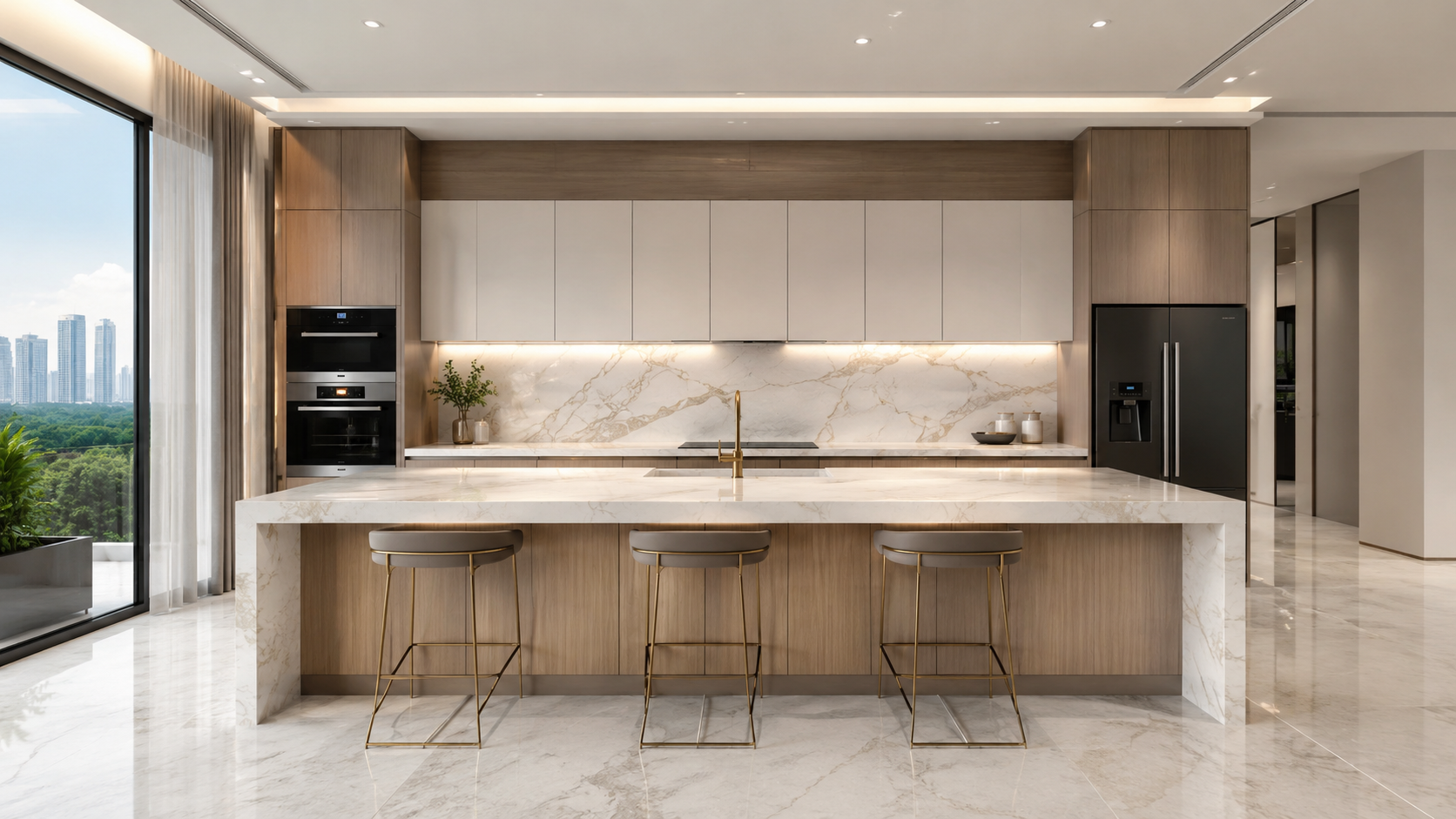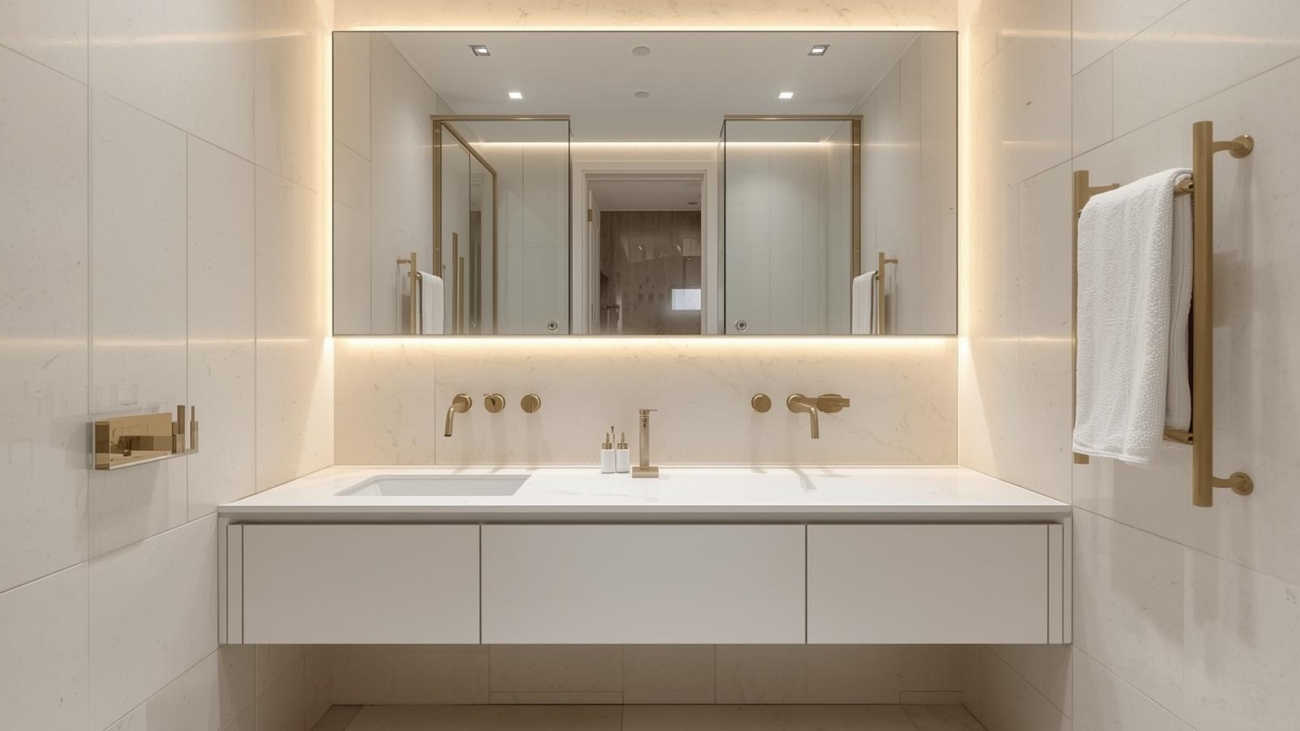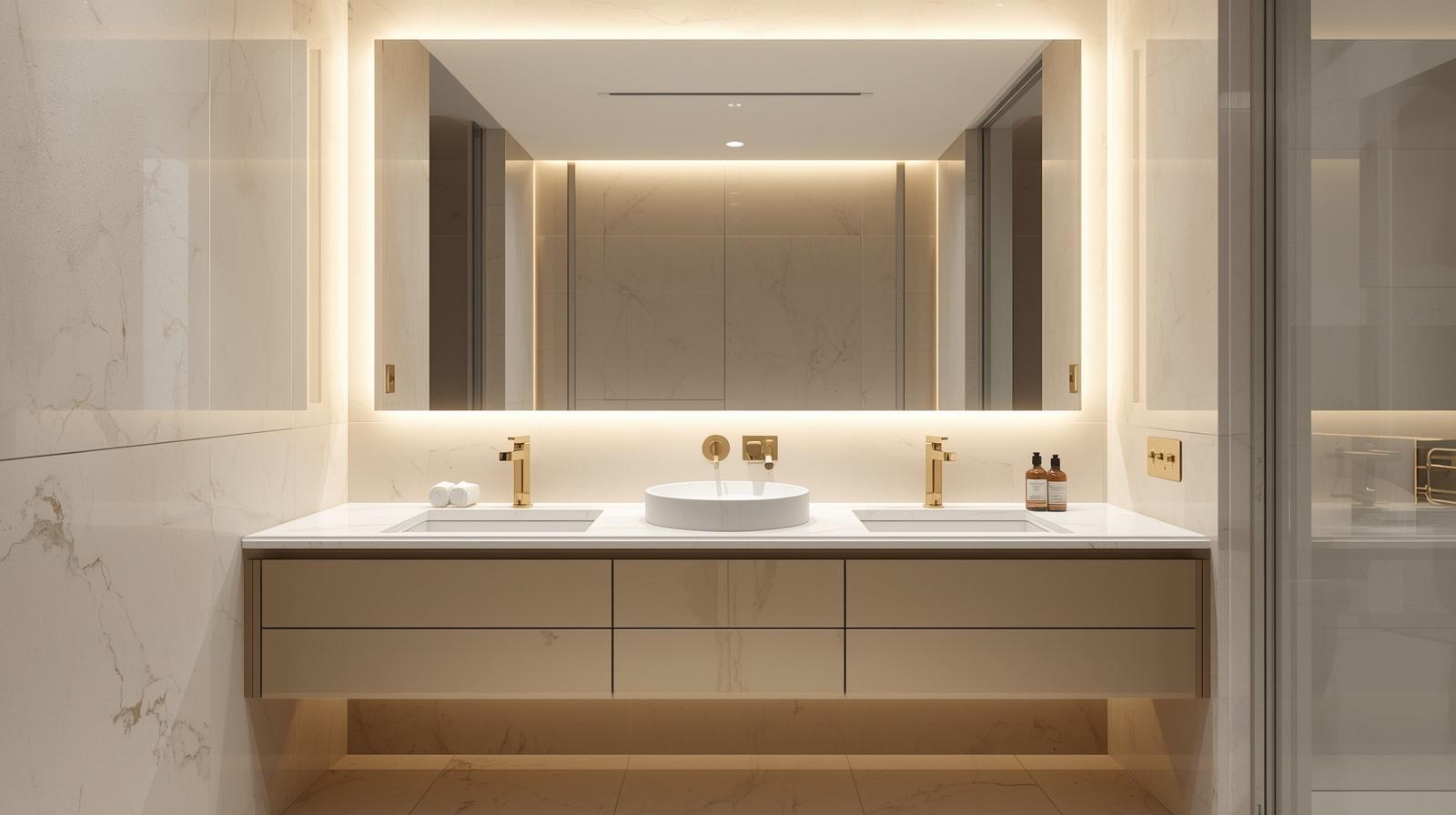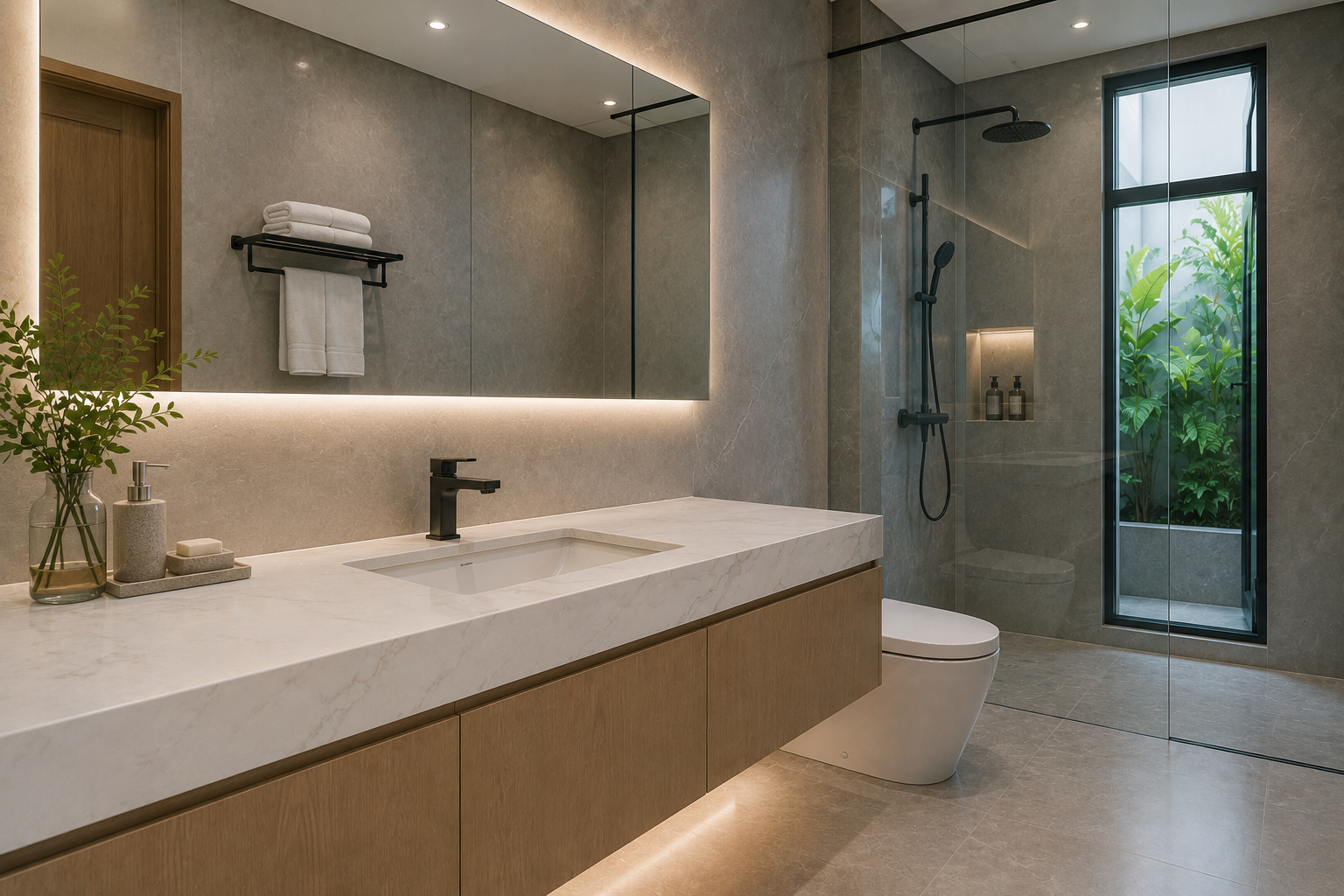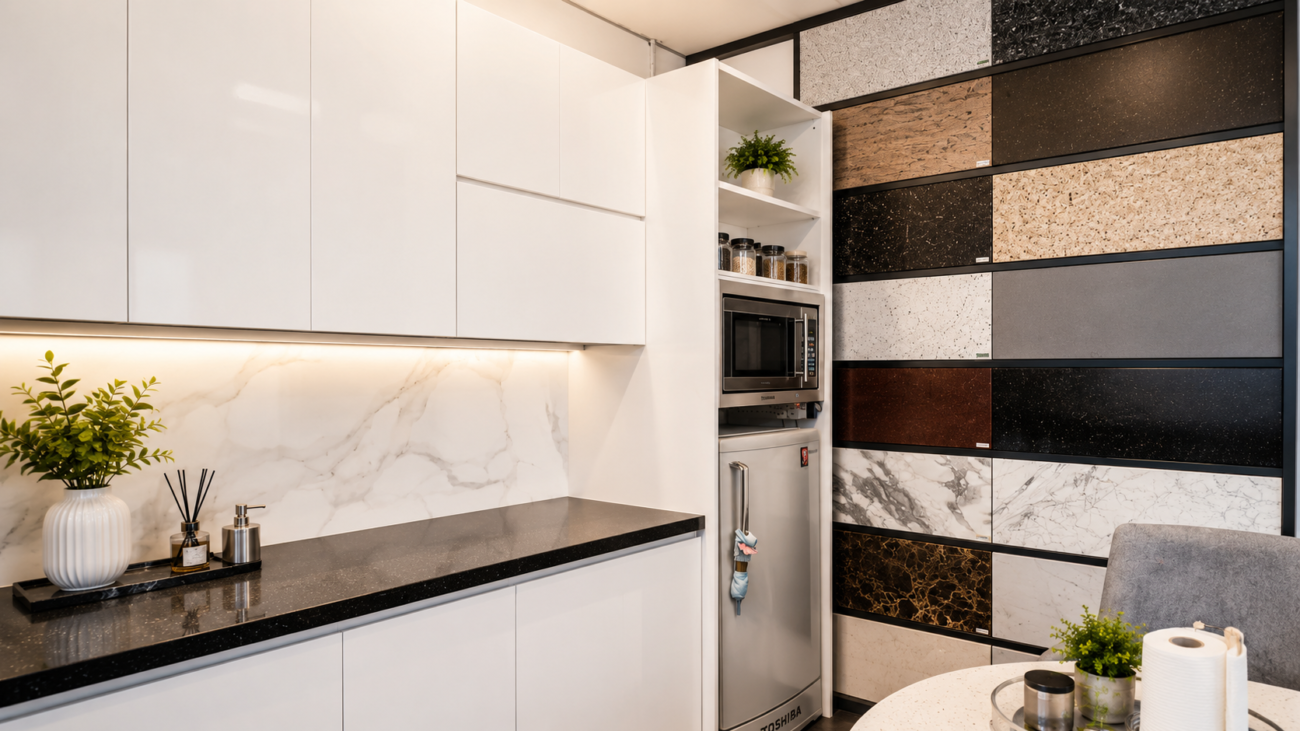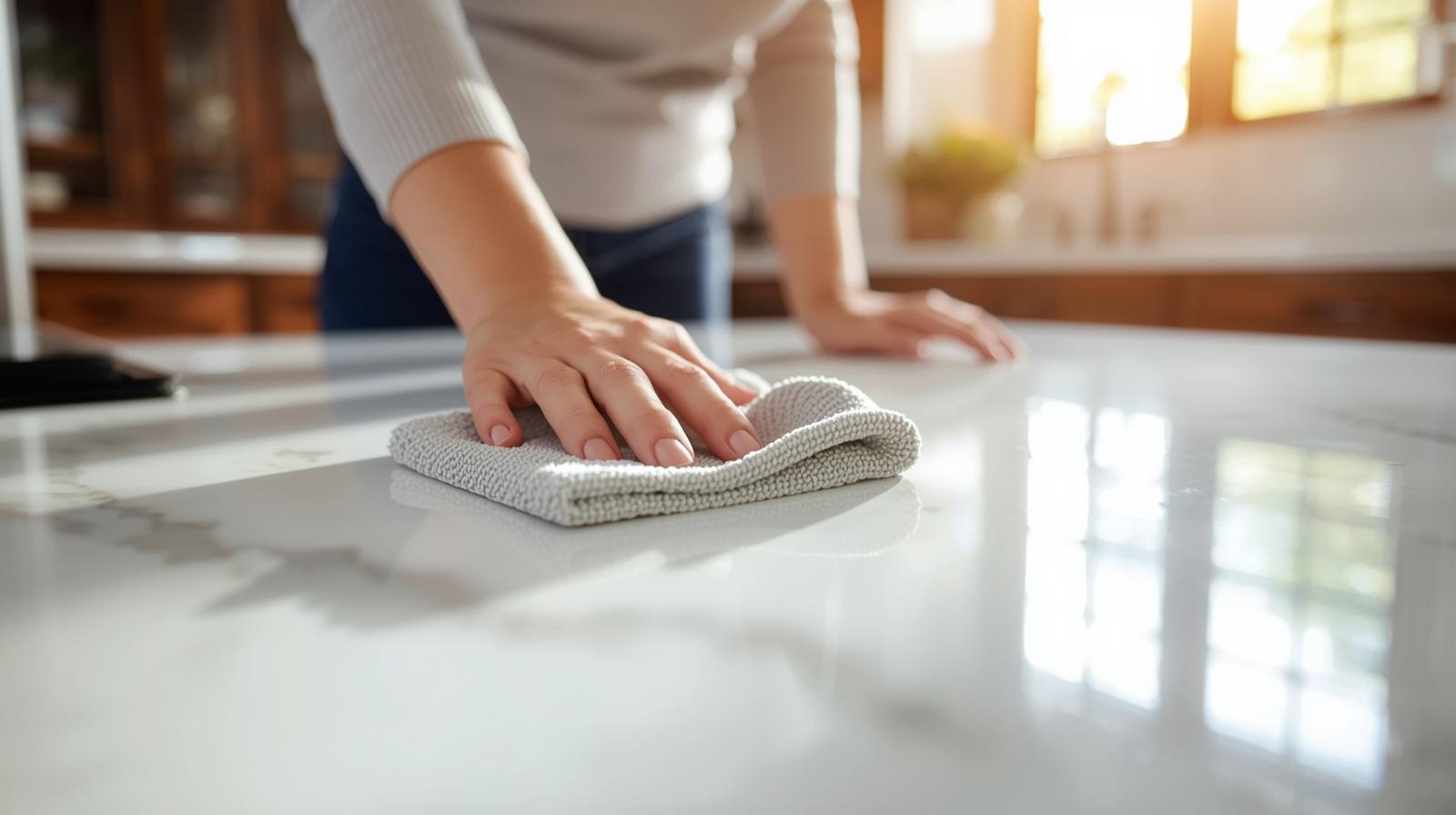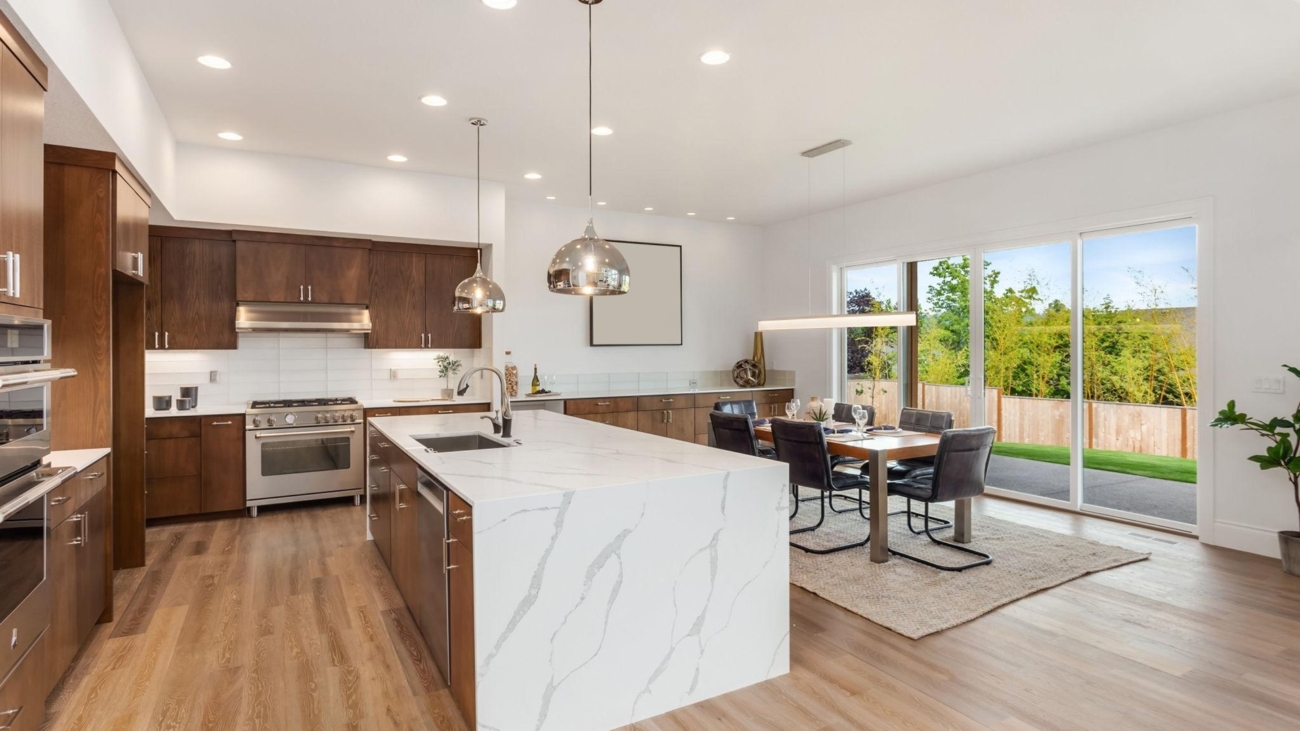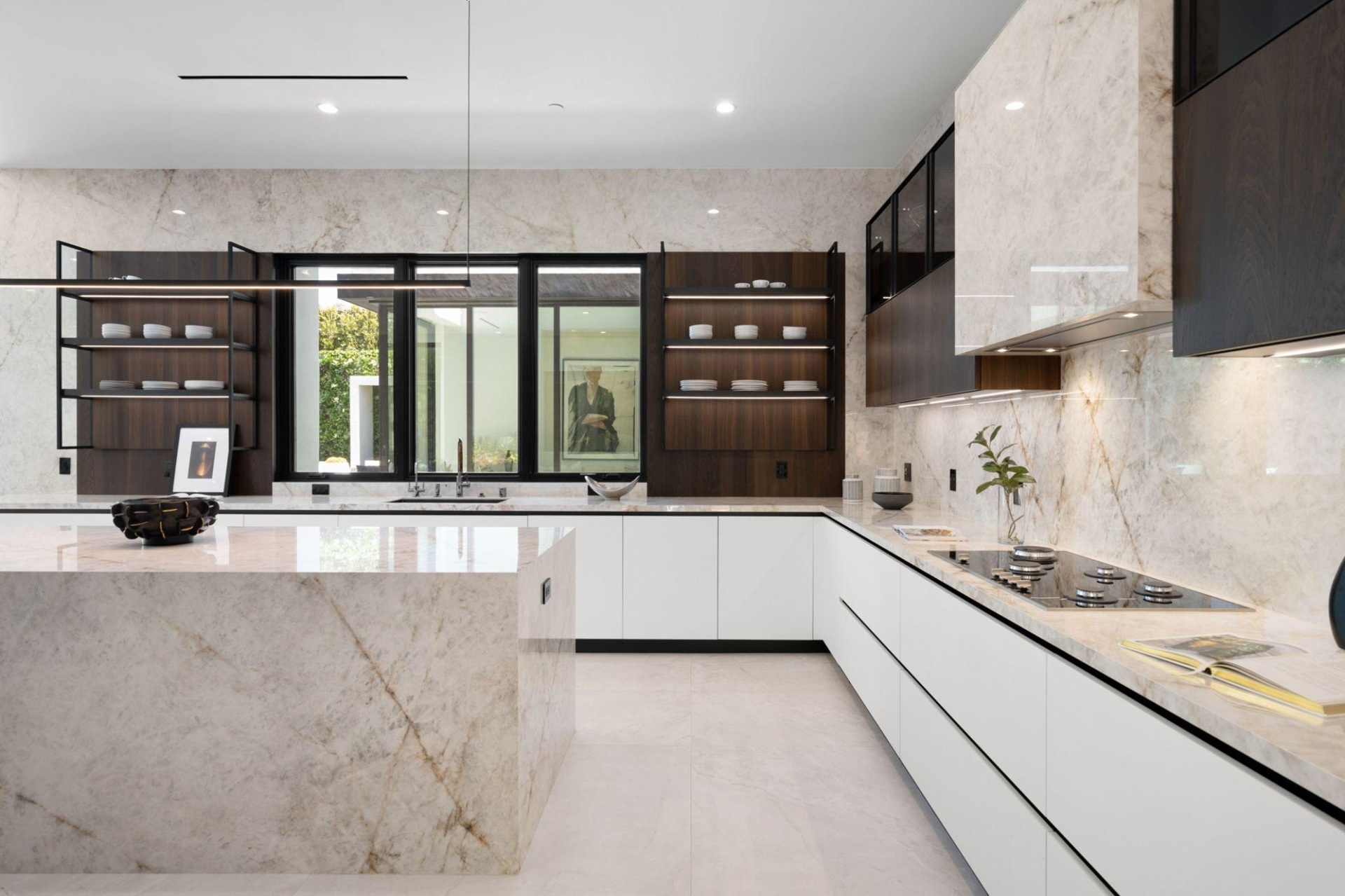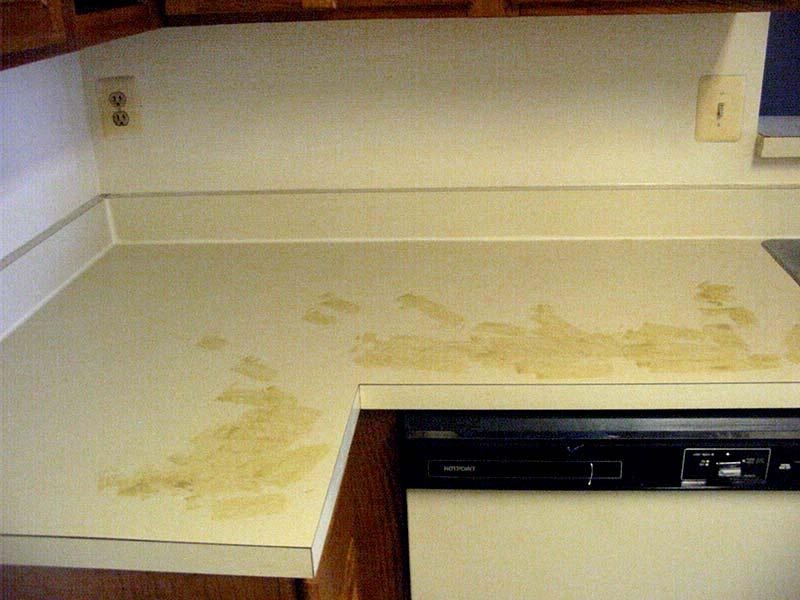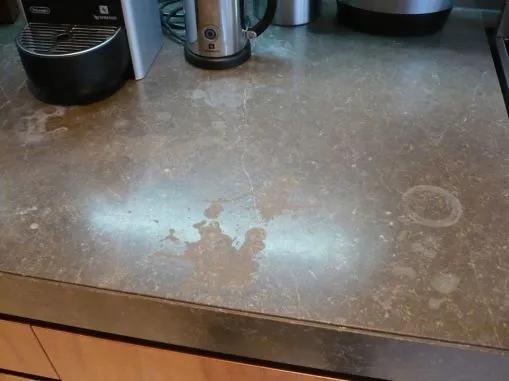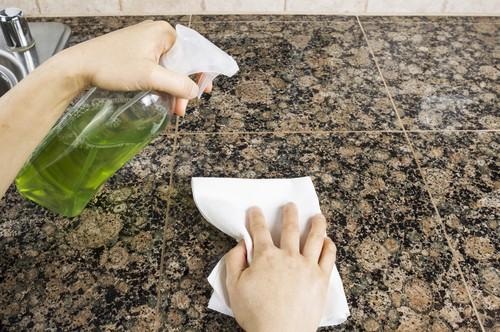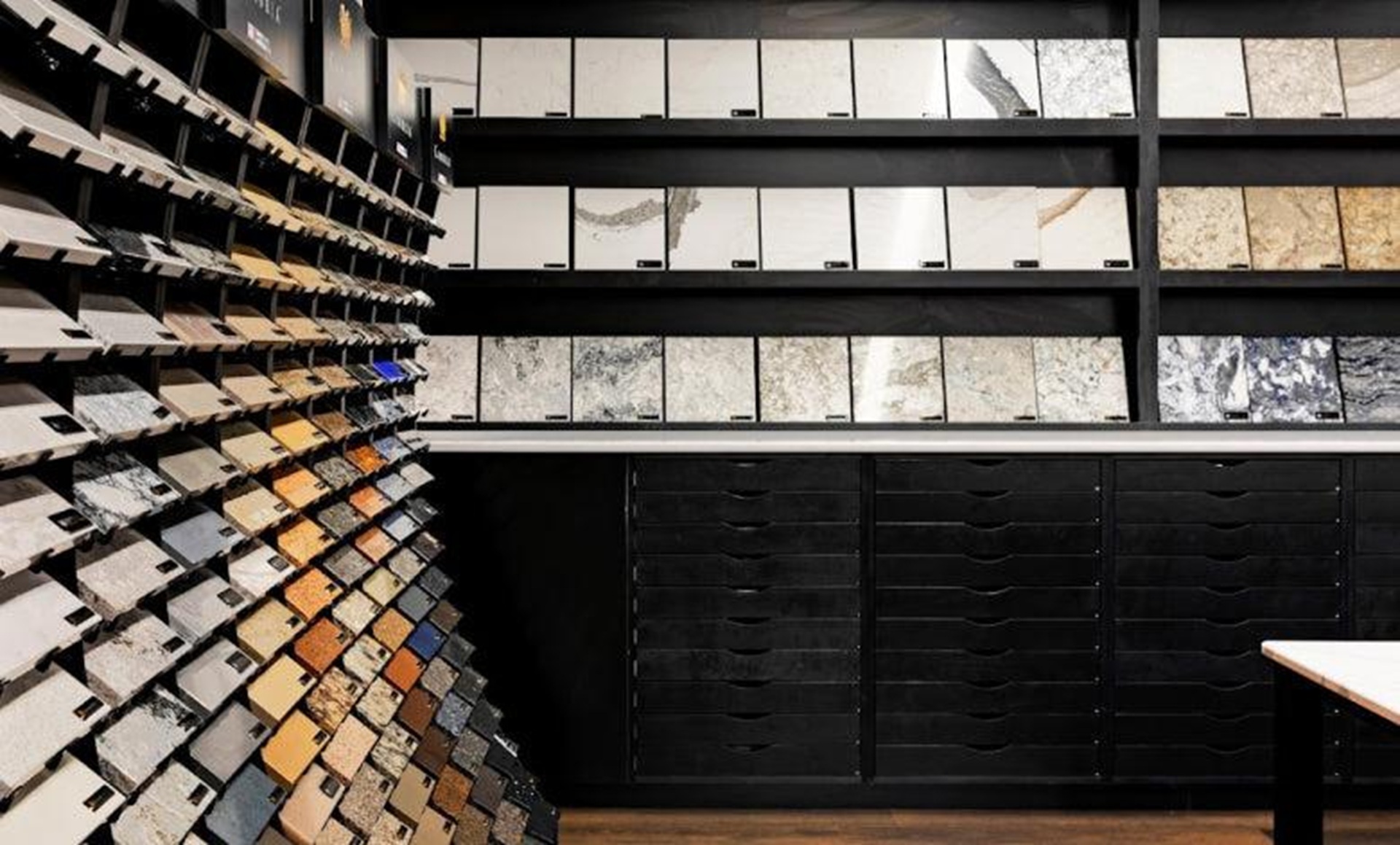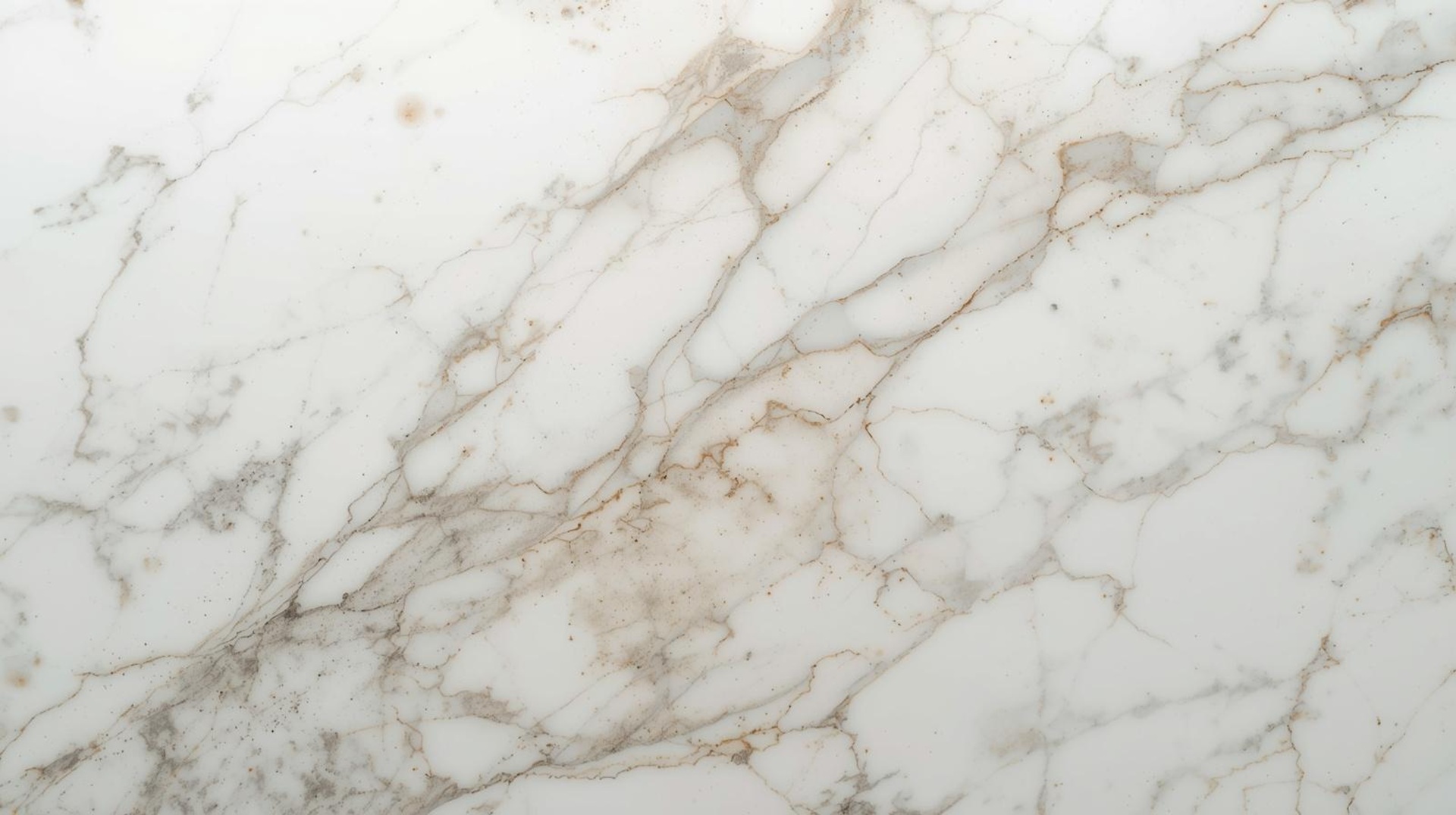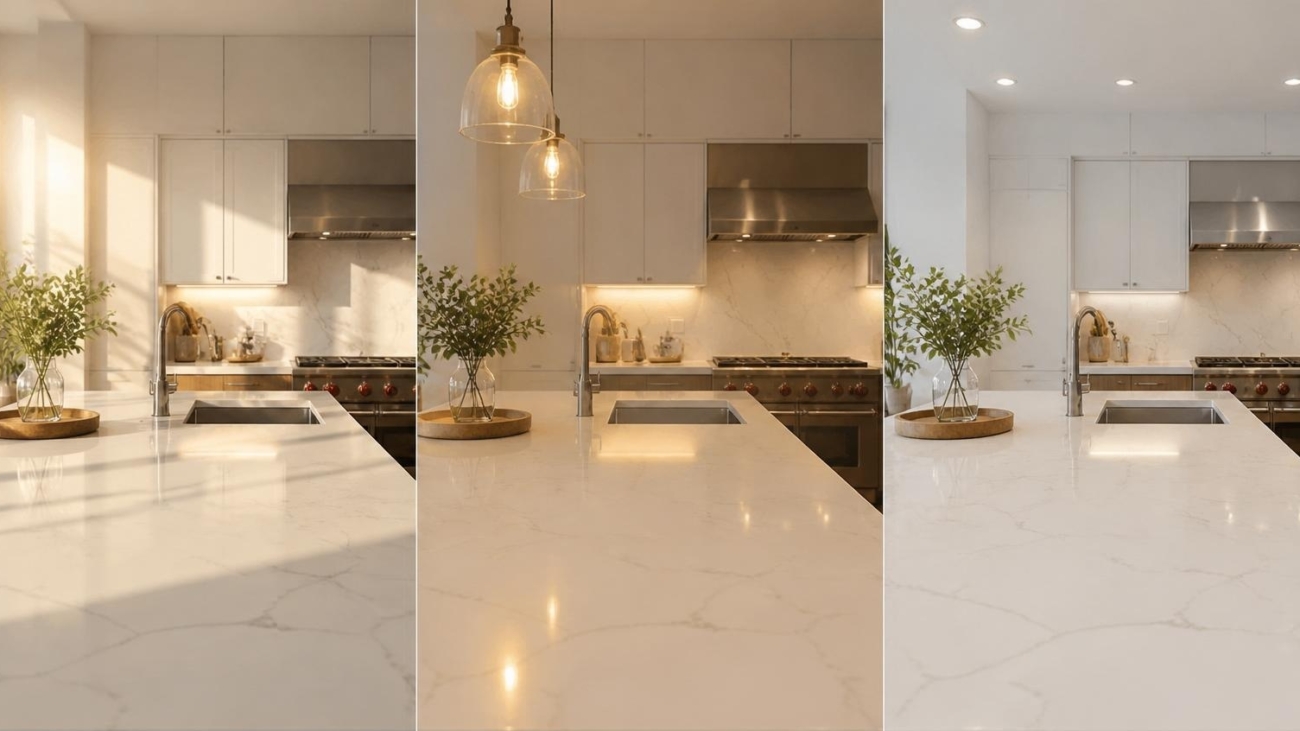
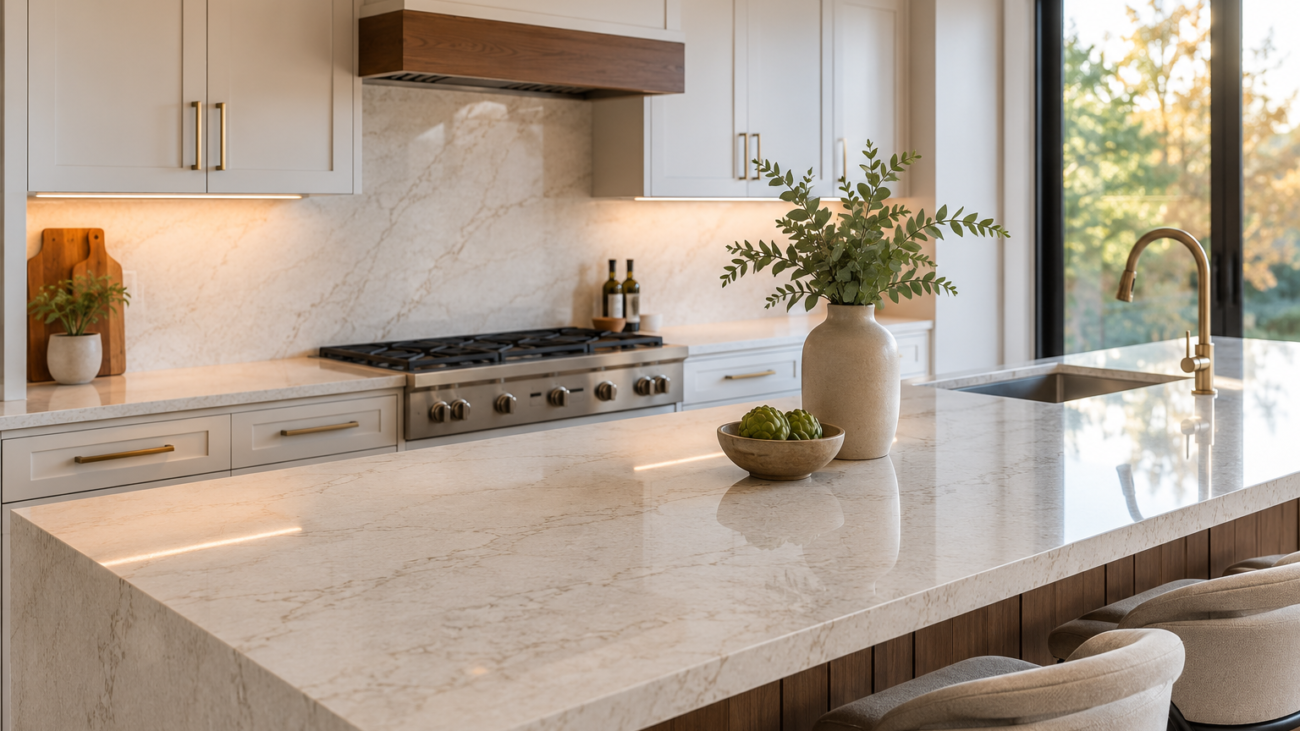
A side-by-side comparison of the same white quartz countertop with subtle grey veining in a modern kitchen

How Lighting Affects the Look of Your Quartz Countertop

Quartz Countertop Lighting plays a bigger role than many homeowners realise. The same quartz slab can look warmer, cooler, brighter, softer, more dramatic or more subtle depending on the lighting in your kitchen. This is especially important in Malaysian homes, where kitchens often combine natural daylight, ceiling lights, under cabinet lighting and different cabinet colours in one space.

Quartz Stone is an engineered stone surface made by combining natural quartz with resins, pigments and other carefully selected materials under high pressure. It is widely used for kitchen countertops, kitchen islands, bathroom vanity tops, dining tables, reception counters and commercial worktops.

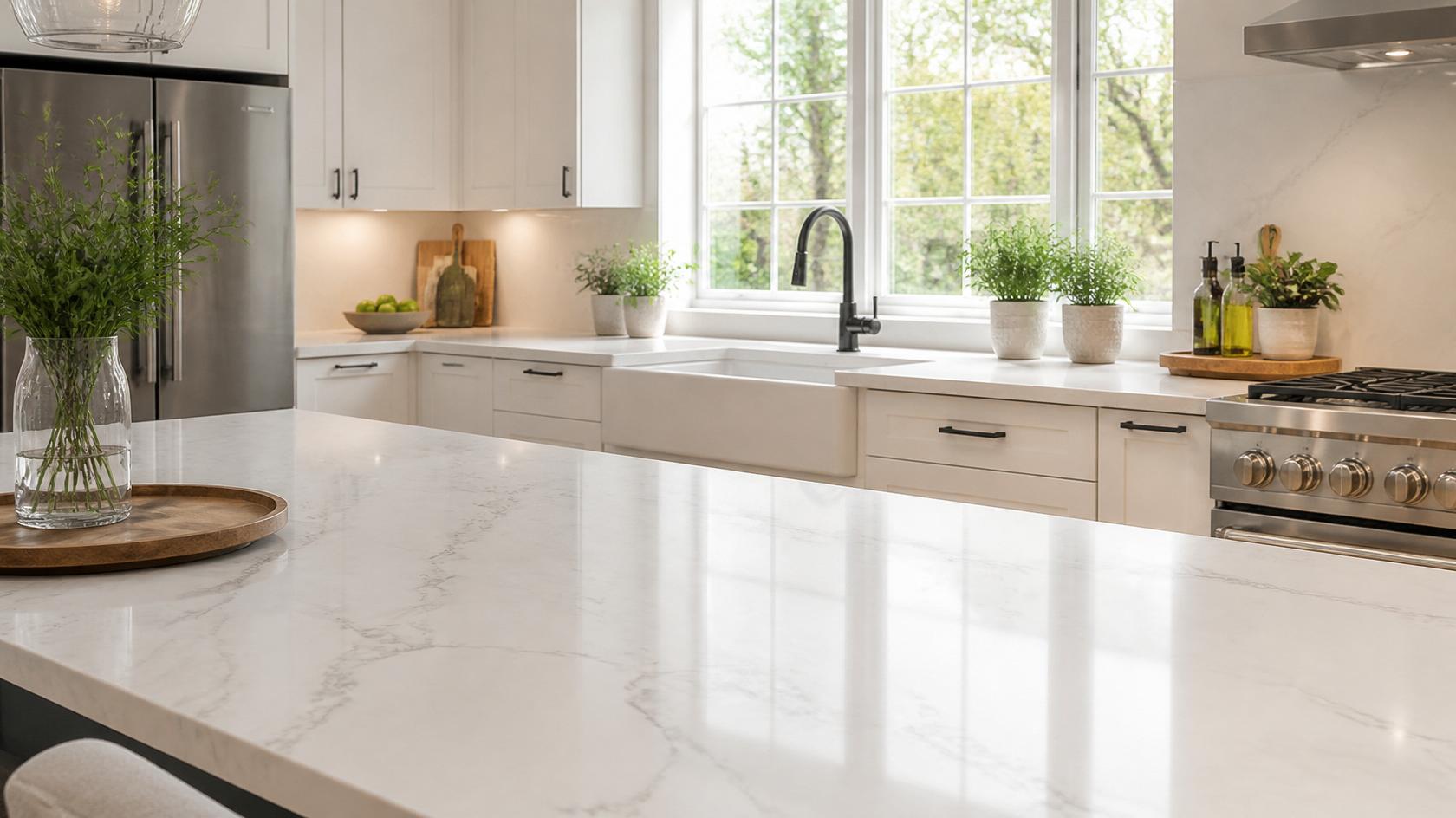
Because quartz is available in many colours and patterns, lighting can influence how the final surface appears after installation. A white quartz countertop may look crisp under cool lighting but slightly creamy under warm lighting. A grey quartz surface may look soft and neutral in daylight but deeper and moodier at night. Veining may appear more obvious under directional lighting, while a uniform pattern may look smoother under diffused lighting.

For homeowners, interior designers, architects and contractors, understanding lighting helps reduce design surprises. It also helps you choose quartz colours more confidently before fabrication and installation.

How Quartz Countertop Lighting Changes Colour Perception

Quartz Countertop Lighting affects colour perception because every light source has its own colour temperature, brightness level and colour rendering quality. These factors change how the eye reads the countertop surface.

In simple terms, your quartz countertop does not exist visually on its own. It is always seen together with:

  • The light source
  • Cabinet colours
  • Wall colour
  • Flooring
  • Backsplash material
  • Window direction
  • Reflection from nearby surfaces

This is why a quartz sample may look slightly different in a showroom, at home during the day, and again at night under LED lighting.

Colour Temperature: Warm, Neutral And Cool Light

Colour temperature is usually measured in Kelvin. In practical kitchen design, it is commonly understood as warm light, neutral light or cool light.

Warm lighting gives a yellowish tone. It can make cream, beige, warm white and brown-based quartz look softer and more inviting. However, it may also make some white quartz surfaces appear less crisp.

Neutral lighting gives a more balanced appearance. It is often suitable when homeowners want the quartz colour to look close to its intended tone without becoming too yellow or too blue.

Cool lighting gives a whiter or slightly bluish tone. It can make a modern kitchen look cleaner and brighter, especially with white or grey quartz. However, if overused, cool lighting may make some spaces feel clinical or harsh.

For Malaysian homes, the right choice depends on the kitchen style. A warm timber kitchen may benefit from warmer or neutral lighting, while a modern grey-and-white kitchen may suit neutral lighting better. The key is to test your quartz sample under the same lighting condition you plan to use at home.
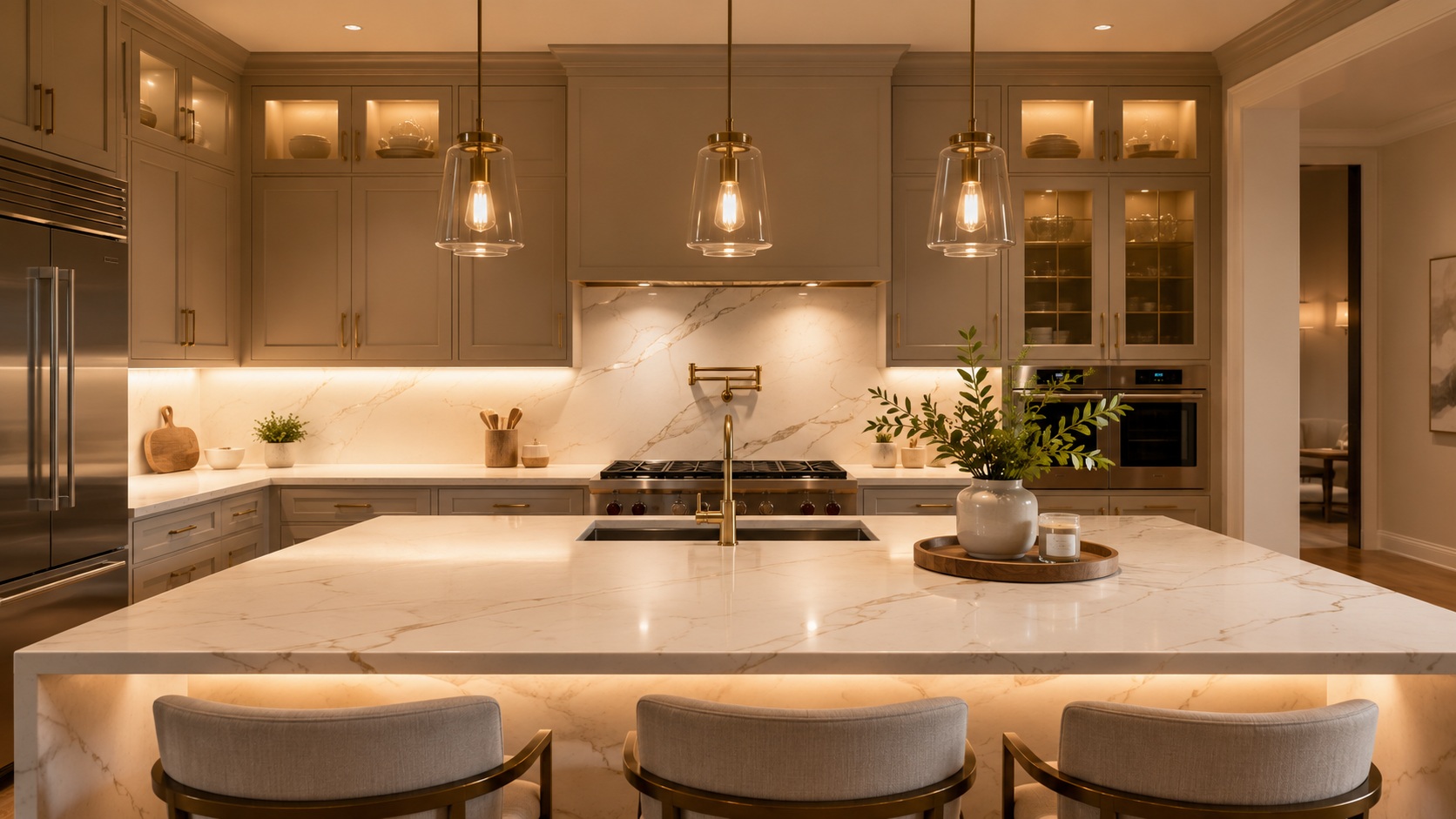
quartz countertop lighting inspirational renovation

Why Quartz Looks Different In The Showroom And At Home

Many homeowners choose a quartz sample in one environment but view the finished countertop in another. This is one of the most common reasons the final installed surface may feel slightly different from expectation.

A showroom may have bright, controlled lighting. Your home may have smaller windows, warmer ceiling lights or darker cabinetry. Even if the quartz material is correct, the surrounding environment can shift its appearance.

This does not mean the quartz has changed. It means the viewing condition has changed.

Important differences include:

  • Showroom lighting may be brighter than home lighting.
  • Home kitchens may have mixed warm and cool light sources.
  • Cabinet colours may reflect onto the countertop.
  • Natural daylight changes throughout the day.
  • Glossy finishes may reflect light more strongly.
  • Matte or subtle patterns may look different under soft lighting.

Before confirming a quartz countertop, it is helpful to view the sample vertically and horizontally. A countertop is usually seen from above and at an angle, not only straight-on like a wall tile. This small step gives a more realistic impression.

The Role Of Natural Daylight In Malaysian Kitchens

Natural daylight can make quartz countertops look fresh, open and more dimensional. However, daylight is not constant. It changes based on time, weather and window direction.

Morning light may feel softer. Afternoon light may be stronger. Cloudy weather can make colours appear flatter. Direct sunlight can increase glare, especially on lighter or more reflective surfaces.

In Malaysia, many homes also have kitchen layouts where daylight enters from a yard, balcony, window or sliding door. If the countertop is close to a natural light source, the quartz colour may appear brighter during the day and deeper at night.

Direct Daylight Versus Diffused Daylight

Direct daylight hits the surface strongly. It can make light quartz look very bright and may highlight reflections.

Diffused daylight is softer. It gives a more even view of colour and pattern. This is often easier for assessing the overall tone of the countertop.

If your kitchen receives strong sunlight, consider how the countertop will look during peak daylight hours. Quartz Stone is suitable for many Malaysian kitchens, but very high direct heat should still be avoided. For daily use, always use trivets for very hot cookware and avoid treating any stone surface as indestructible.

Under Cabinet Lighting And Countertop Shadows

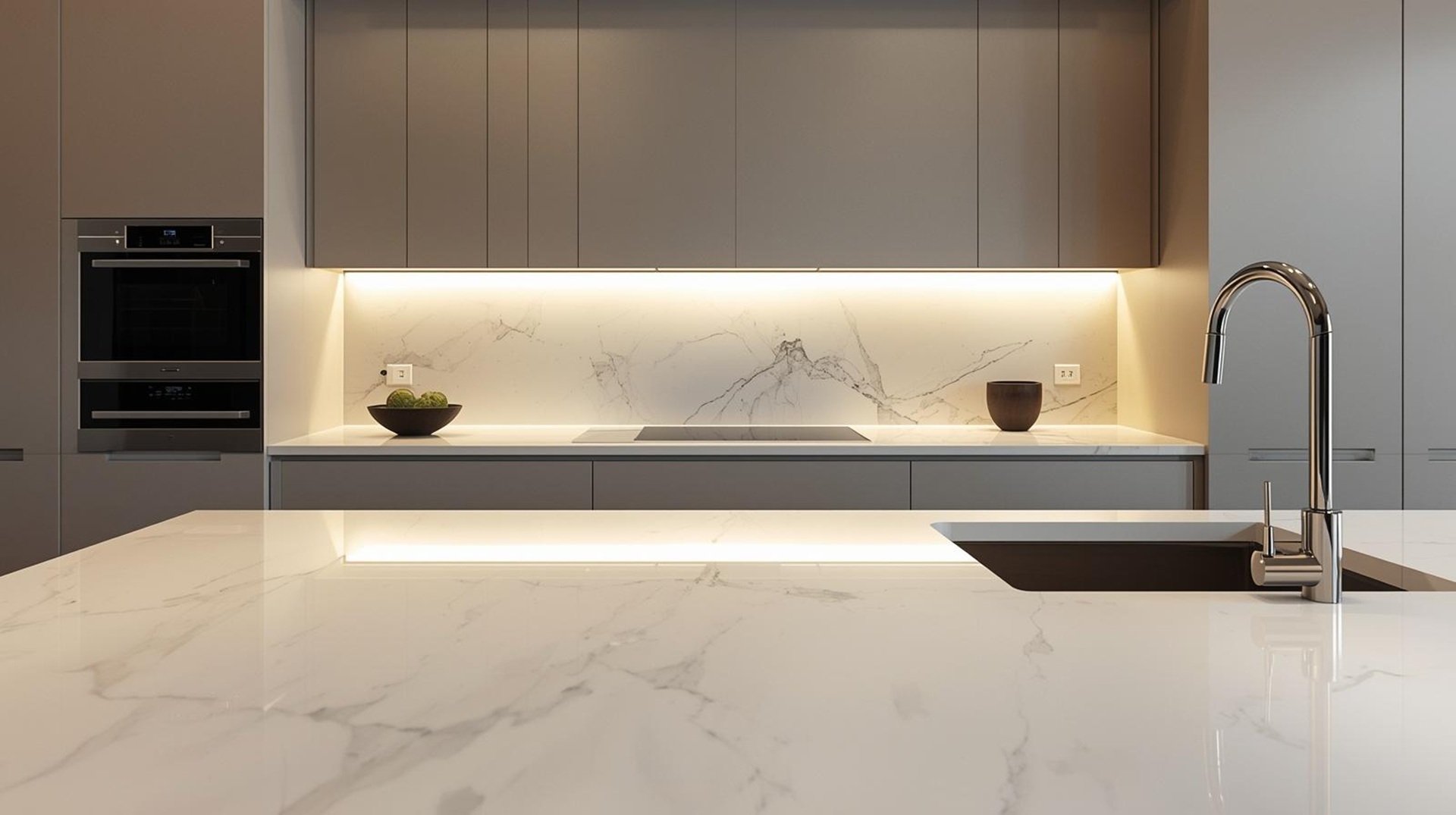
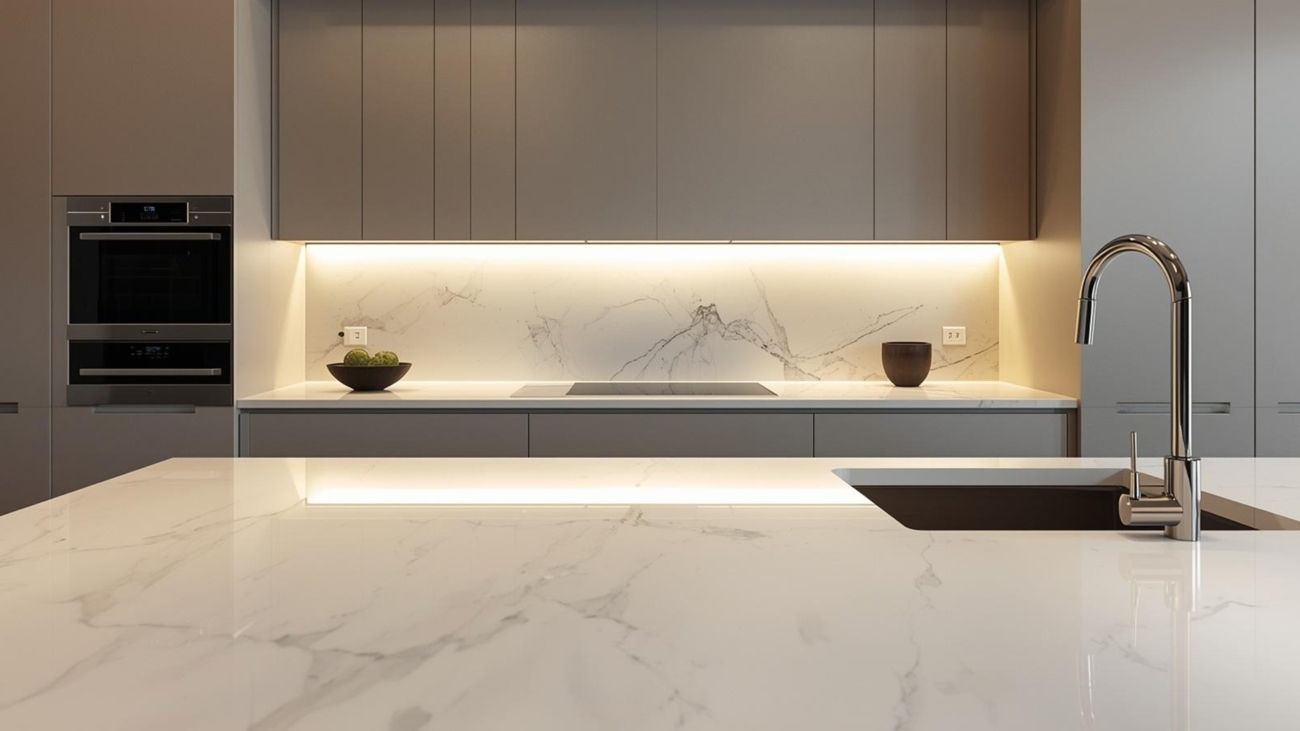
Under cabinet lighting is one of the most practical lighting choices for kitchen countertops. It improves visibility during food preparation and reduces shadows caused by wall cabinets.

Without under cabinet lighting, ceiling lights may be blocked by upper cabinets or by the person standing at the counter. This can create dark zones exactly where you need task lighting.

Under cabinet lighting helps by:

  • Brightening the working surface
  • Making veining and patterns easier to see
  • Reducing shadows from wall cabinets
  • Improving visibility near the backsplash
  • Creating a cleaner evening kitchen appearance

However, under cabinet lights should be planned carefully. If the light is too close to the backsplash, the back area may look bright while the front edge remains darker. If the light is too harsh, it may create glare on polished quartz.

A balanced placement usually gives a more even result across the countertop depth.
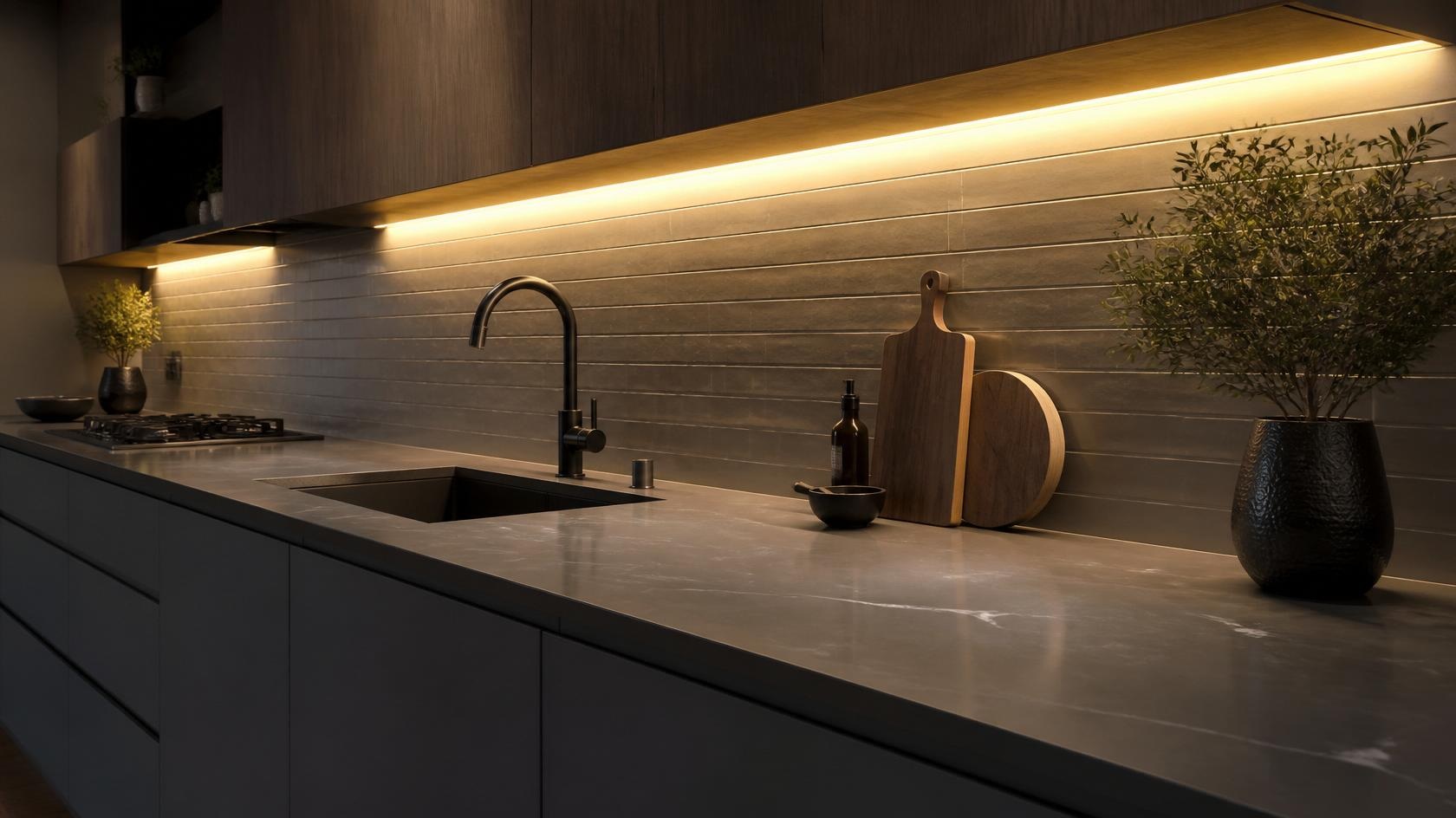
continuous linear under cabinet LED strip lights

Gloss, Reflection And Surface Finish

Quartz Stone is available in a wide range of colours and designs. Depending on the product selection, the surface appearance may look more reflective, more muted or more textured.

Lighting interacts strongly with surface finish. A polished surface may reflect ceiling lights, windows and bright cabinet surfaces. This can make the kitchen feel brighter, but it may also show glare more clearly.

A less reflective look may feel softer and calmer. However, subtle patterns may become less visible if the lighting is too dim or too diffused.

What To Check Before Choosing A Finish

When reviewing a quartz sample, check it under different angles. Do not only look at it flat on a table under one ceiling light.

Look for:

  • Whether the surface reflects light strongly
  • Whether the pattern is visible from normal standing distance
  • Whether the colour still matches cabinets under evening lighting
  • Whether the countertop looks too bright near windows
  • Whether the veining becomes too strong under directional light

This is especially useful for kitchen islands, because islands are often viewed from multiple sides and may sit directly under pendant lights.

How Lighting Affects Quartz Veining And Patterns

Veining, speckles and decorative movement can appear stronger or softer depending on the light direction.

Directional lighting, such as spotlights or pendant lights, can make patterns more noticeable. This may be desirable if you want the quartz countertop to become a visual feature.

Diffused lighting spreads light more evenly. It can make the overall surface look calmer and reduce strong contrast.

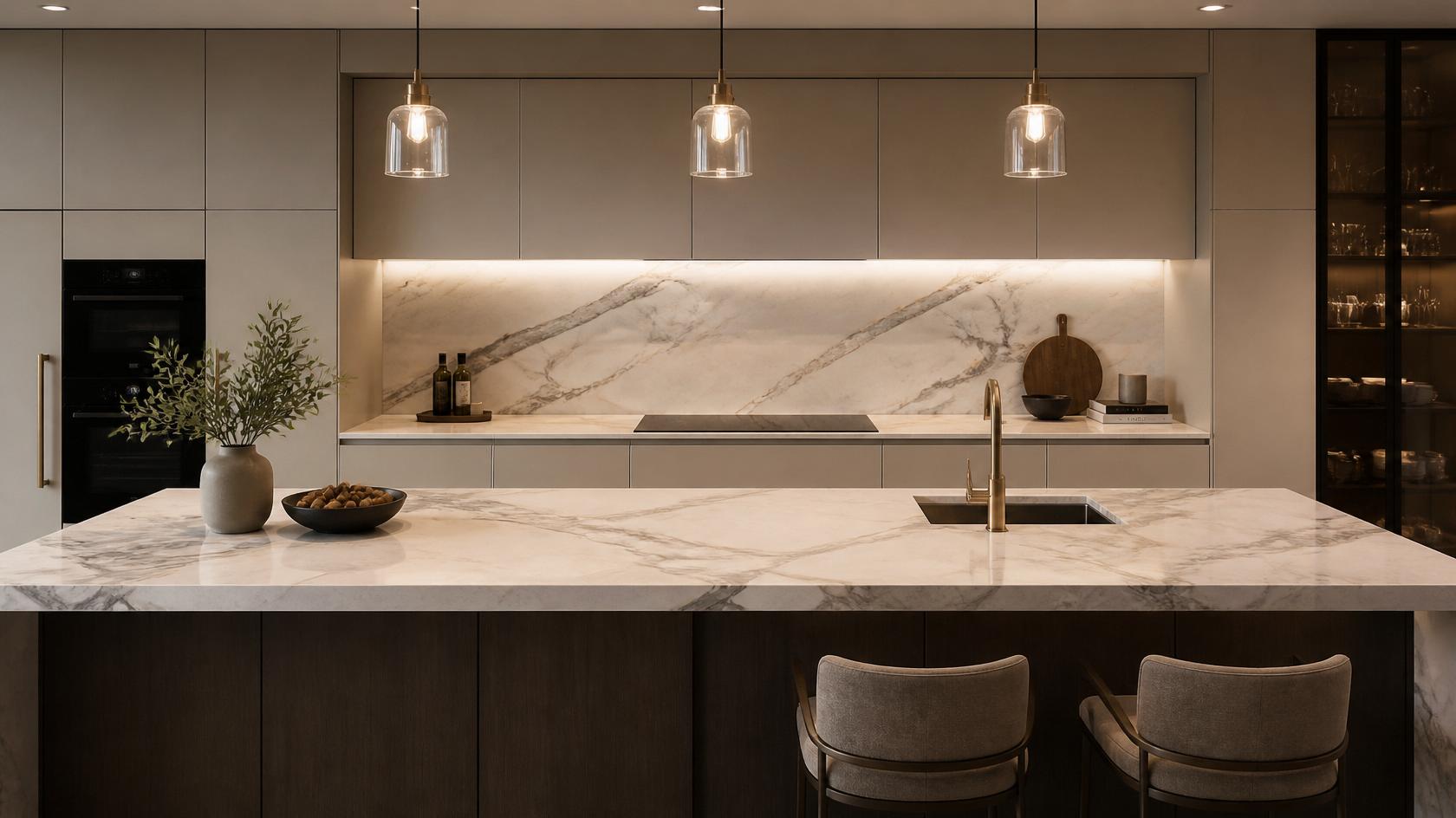
For homeowners choosing marble-look quartz, lighting is particularly important. Some veining may appear soft in daylight but more dramatic at night under downlights. If the kitchen design already has strong cabinet colours, backsplash patterns or feature lighting, a heavily patterned countertop may need more careful coordination.

For a more timeless kitchen, many homeowners prefer a balanced approach: enough lighting to show the quartz design clearly, but not so much contrast that the surface becomes visually busy.

Cabinet Colours Can Change The Look Of Quartz

Lighting is not the only factor. Cabinet colours also affect how quartz is perceived.

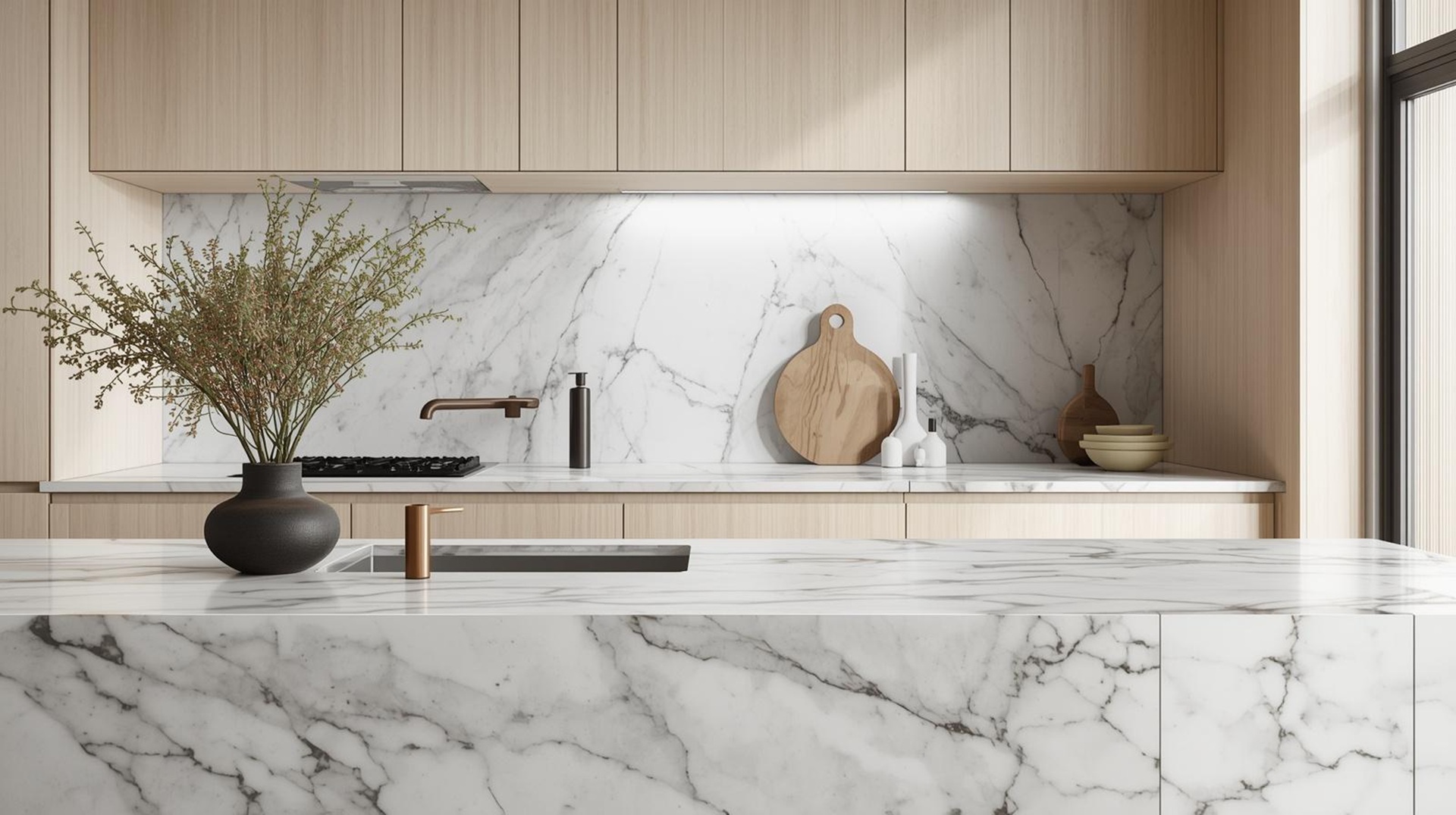
White cabinets can make a quartz countertop look brighter and cleaner. Dark cabinets can make the same quartz appear more dramatic. Timber cabinets can warm up the surface. Grey cabinets can bring out cooler undertones.

This is why countertop selection should not be done in isolation. A quartz sample should be viewed together with cabinet laminates, backsplash samples and flooring samples where possible.

Common Pairing Considerations

For white quartz, check whether your lighting makes it look clean white, creamy white or slightly grey.

For grey quartz, check whether it becomes too cool under cool LED lighting.

For beige or warm-toned quartz, check whether warm lighting makes the surface too yellow.

For dark quartz, check whether the lighting is sufficient to show the pattern and maintain good working visibility.

For heavily veined quartz, check whether the pattern works well with cabinet grain and backsplash design.

This practical checking process is useful for both homeowners and designers because it reduces mismatch after installation.

Pendant Lights Over Quartz Kitchen Islands

Kitchen islands often become the centrepiece of a modern Malaysian kitchen. Pendant lights can improve the appearance of a quartz island, but they must be chosen carefully.

Pendant lighting affects:

  • The brightness of the island surface
  • The strength of reflections
  • The visibility of veins and patterns
  • The mood of the dining or gathering area
  • The balance between function and ambience

If pendant lights are too low or too concentrated, they may create bright spots on the countertop. If they are too dim, the island may look attractive from a distance but less practical for food preparation.

For quartz islands with waterfall edges, lighting can also affect how the edge detail is seen. A waterfall edge may look more premium when light falls evenly across the top and side. Harsh shadows may hide the joint line or make the side panel look visually heavier than intended.
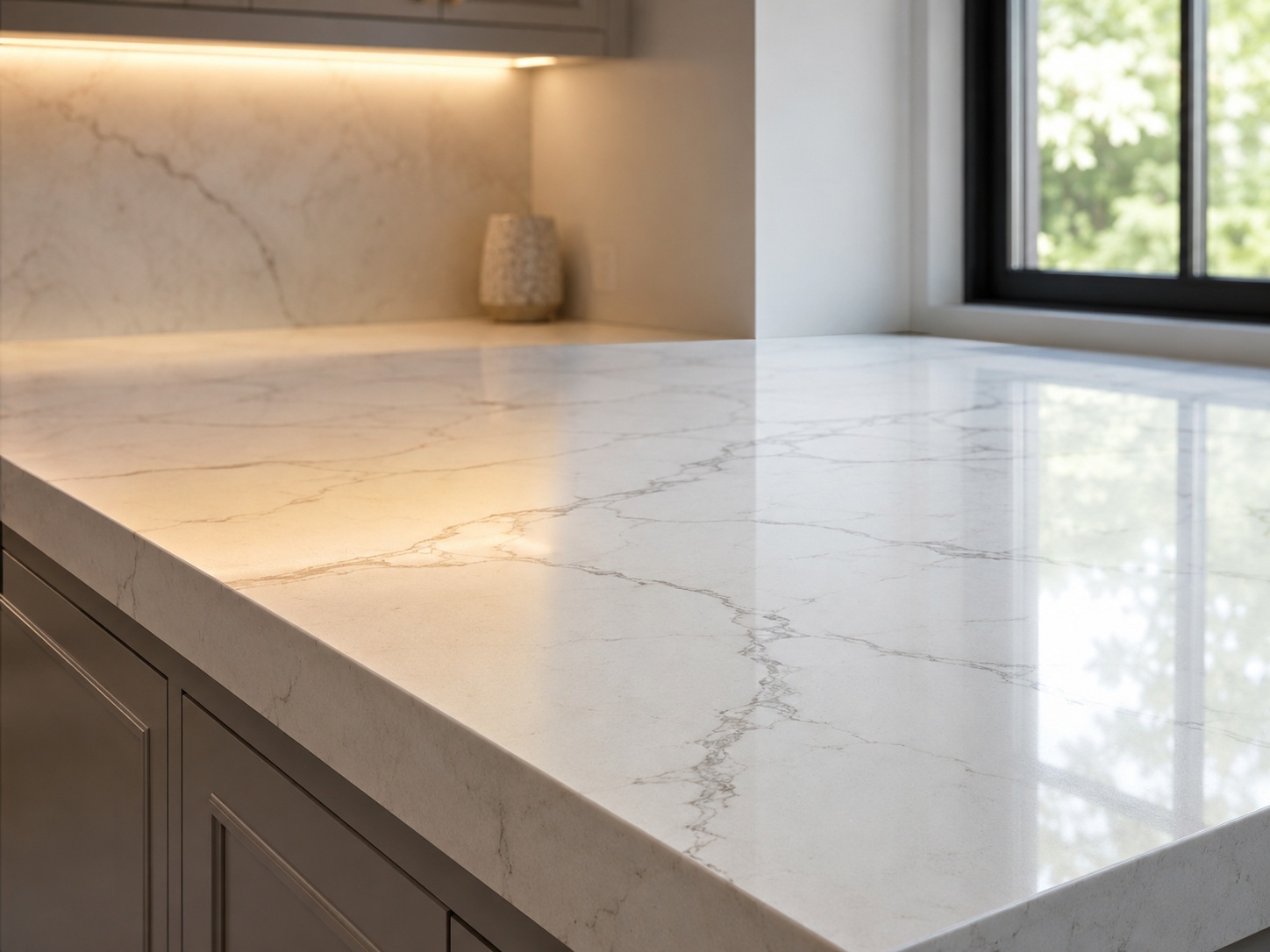
quartz countertop lighting close up

Colour Rendering And Why It Matters

Colour rendering describes how accurately a light source shows the colours of objects compared with a reference light source. In practical kitchen terms, better colour rendering helps the countertop, cabinets, food and finishes look more natural.

This matters because two LED lights with the same colour temperature can still show colours differently. One may make the quartz look clean and balanced, while another may make it look slightly dull or uneven.

For homeowners choosing quartz based on subtle undertones, colour rendering is important. A warm white quartz, cool white quartz and grey-veined quartz can look quite different depending on the quality of the light source.

Interior designers often pay attention to this because material selection depends on accurate colour judgement. Homeowners can apply the same principle by testing samples under their actual lighting or under lighting close to the final kitchen plan.

Practical Lighting Tips Before Choosing Quartz

Before finalising your quartz kitchen countertop, use a simple evaluation process.

First, bring the quartz sample near your actual cabinet material. View both together under natural daylight and artificial lighting.

Second, check the sample in the morning, afternoon and evening if possible. This helps you see how the surface changes throughout the day.

Third, place the sample horizontally. Countertops are viewed flat, so this gives a more realistic impression than holding the sample upright.

Fourth, test it under warm and neutral light if your kitchen lighting has not been finalised. This helps you decide whether the quartz colour remains suitable.

Fifth, look at the surface from different angles. This is especially important for polished quartz, veined quartz and island countertops.

Sixth, consider the lighting layout before installation. Under cabinet lights, ceiling lights and pendant lights should support the countertop design, not fight against it.

Quartz Countertop Lighting For Small Kitchens

Small kitchens need careful lighting because limited space can make shadows more noticeable. A darker countertop may look elegant, but it may also need stronger task lighting to remain practical.

For compact Malaysian kitchens, light quartz colours can help the space feel more open. However, the final result still depends on the cabinet colour and lighting temperature.

Useful considerations include:

  • Use sufficient task lighting at food preparation areas.
  • Avoid relying only on one central ceiling light.
  • Check whether upper cabinets cast shadows.
  • Choose quartz colours that remain clear under evening lighting.
  • Avoid overly reflective lighting if glare becomes uncomfortable.

A small kitchen does not need complicated lighting. It needs consistent, practical lighting that allows the countertop to look good and function well.

Quartz Countertop Lighting For Open Kitchens

Open kitchens are often connected to dining and living areas. In this layout, lighting must balance task performance and ambience.

A quartz countertop may be used for cooking, serving, dining, hosting and casual work. Because of this, one lighting mode may not suit every situation.

Layered lighting works well in many open kitchens. Ceiling lights provide general brightness. Under cabinet lights support preparation work. Pendant lights create focus over an island or dining counter. Natural daylight adds freshness during the day.

The countertop colour should be assessed under all these conditions. A surface that looks perfect under daylight should also look comfortable at night when the kitchen becomes part of the living space.

Maintenance Visibility And Daily Use

Lighting also affects how easily homeowners see spills, crumbs, water marks and surface dust. Quartz Stone is generally easy to maintain for day-to-day use, but visibility still depends on colour, pattern and lighting.

Light quartz may show dark crumbs more clearly. Dark quartz may show light dust or water marks more clearly. Patterned quartz may visually hide small marks better than a plain surface, depending on the design.

For daily care, use a soft cloth, mild detergent and warm water. Clean spills promptly. Use chopping boards during food preparation and trivets for very hot cookware. These habits help keep the quartz countertop suitable for everyday kitchen use under normal household conditions.

Common Mistakes To Avoid

One common mistake is choosing quartz based only on a small sample under showroom lighting. Samples are useful, but they should be checked against the actual kitchen environment.

Another mistake is mixing too many light temperatures in one kitchen. For example, very warm pendant lights with very cool ceiling lights may make the countertop colour look inconsistent.

A third mistake is using decorative lighting without enough task lighting. A kitchen must still support cooking, cleaning and preparation.

A fourth mistake is ignoring reflections. Bright windows, glossy cabinets and polished quartz can all reflect light. This may be attractive, but it should be planned rather than discovered after installation.

A final mistake is treating lighting as an afterthought. Countertop, cabinet and lighting decisions should work together from the beginning of the renovation plan.

Conclusion

Quartz Countertop Lighting can change how your countertop colour, veining, finish and overall kitchen mood appear in real life. The effect is not just decorative. It influences material selection, daily usability, cleaning visibility and long-term satisfaction with the kitchen design.

For the best result, view quartz samples under natural daylight, evening lighting and the planned kitchen light temperature. Check the sample beside cabinet, backsplash and flooring materials. Pay attention to under cabinet lighting, pendant placement, glare and shadow control.

Quartz Stone remains a practical and popular choice for many Malaysian kitchens because it offers consistent colour and pattern, good scratch resistance under normal household use, good stain resistance under normal household use and easy day-to-day maintenance. With the right lighting plan, the countertop can look closer to your intended design in both daytime and night-time conditions.

Need help choosing the right quartz countertop for your kitchen lighting and cabinet design? SolidTop Sdn Bhdsolidtop.com.my provides countertop design, material selection, custom fabrication and professional installation for residential and commercial spaces. Feel free to speak with the team for practical guidance based on your project needs.

Why does my quartz countertop look different under different lights?

Quartz can look different because each light source has its own colour temperature, brightness and colour rendering quality. Cabinet colours, flooring, backsplash and natural daylight also affect how the surface appears.

What lighting is suitable for a quartz kitchen countertop?

A balanced lighting plan is usually best. General ceiling lighting, under cabinet task lighting and suitable island lighting can help the quartz countertop look clear and practical for daily use.
Does warm lighting make white quartz look yellow?

Warm lighting may make some white quartz surfaces appear creamier or slightly warmer. This is why it is useful to test the quartz sample under the actual lighting planned for your kitchen.

Is under cabinet lighting important for quartz countertops?

Under cabinet lighting is useful because it reduces shadows on the worktop and improves visibility during food preparation. It can also help show quartz patterns more clearly near the backsplash area.

Should I choose quartz colour before or after planning lighting?

Ideally, quartz colour, cabinet colour and lighting should be planned together. Viewing the quartz sample under your expected lighting helps reduce surprises after installation.

Warm completed kitchen renovation with elegant countertops for a Countertop Installation Guide

What Happens During a Professional Countertop Installation? A Step-by-Step Guide

A Countertop Installation Guide is useful when you are planning a kitchen renovation, vanity top, island top, reception counter or any custom stone surface for your home or commercial space. Many Malaysian homeowners know how they want their finished kitchen to look, but feel unsure about what actually happens between choosing the material and seeing the countertop installed.

Professional countertop installation is not just about placing a stone slab on top of cabinets. It involves checking site conditions, taking accurate measurements, planning cut-outs, fabricating the surface, transporting it safely, fitting it correctly and making sure the final result is practical for daily use.

For homeowners, interior designers, contractors and property owners, understanding the process helps reduce stress. You will know what to prepare, what questions to ask and what to expect on installation day.

SolidTop Sdn Bhdsolidtop.com.my provides countertop design, material supply, fabrication and professional installation for residential and commercial projects in Malaysia, mainly serving the Klang Valley. This guide explains the installation journey in a simple, step-by-step way so you can plan with more confidence.

Countertop Installation Guide: What to Expect Before Work Begins

Before any countertop is installed, the project should begin with proper discussion and planning. This stage is important because every kitchen, cabinet layout and material choice is different.

A professional team will usually want to understand:

  • The application, such as kitchen countertop, island, vanity top or commercial counter
  • The selected material, such as quartz stone, granite stone, marble stone, sintered stone or solid surface
  • The cabinet layout and support condition
  • Sink, hob and tap positions
  • Edge profile preference
  • Backsplash or wall panel requirements
  • Access route for delivery
  • Any site conditions that may affect installation

For Malaysian homes, this is especially helpful because kitchen spaces can vary widely between landed homes, condominiums, apartments and commercial units. Some sites have tight lift access, narrow staircases or existing cabinets that need careful checking before the countertop is delivered.

At this stage, you do not need to know every technical detail. What matters is that the installation team understands your design intention and practical needs.

Step 1: Material Selection and Design Confirmation

The first practical step is confirming the countertop material and design direction.

Different materials have different characteristics. Quartz stone is popular for modern kitchens because it offers consistent colour, a wide design range and easy day-to-day maintenance under normal household use. Granite stone gives a natural stone appearance with unique patterns. Marble stone offers a premium and elegant look, but it requires more care because it is a natural material. Sintered stone and other compact surfaces may be considered depending on design needs and application.

During material selection, you should consider:

  • Cooking habits
  • Wet kitchen or dry kitchen usage
  • Desired colour and pattern
  • Cabinet colour
  • Lighting condition
  • Maintenance expectations
  • Whether the surface is for residential or commercial use

For quartz stone countertops in the Malaysian market, common thicknesses are usually 15mm and 20mm. For granite stone, 18mm and above may be discussed where relevant. The suitable option depends on the material, design and project requirements.

This is also the time to confirm the edge profile. Common edge profiles include straight edge, pencil edge, bevel edge, bullnose edge and waterfall edge for selected island designs.

Step 2: Site Readiness Check

Before accurate measurement can happen, the site should be ready. This is one of the most important parts of a smooth countertop installation.

In general, base cabinets should be installed in their final position before measurement. If cabinets are moved after measurement, the countertop may no longer fit correctly. Walls, tiles, end panels and other surrounding finishes should also be considered because they can affect the final size.

A professional installer may check:

  • Whether the cabinets are level
  • Whether the cabinets are properly fixed
  • Whether the wall is straight or uneven
  • Whether there is enough support for the countertop
  • Whether the sink, hob and accessories are confirmed
  • Whether there is enough access for delivery and installation

If the cabinet structure is not ready or not level, the installer may advise that adjustments be completed first. This is not to delay the project unnecessarily. It helps protect the final result and reduces the risk of poor fitting, uneven gaps or future issues.

For homeowners, a good preparation tip is to avoid scheduling too many renovation trades at the same time. If carpentry, plumbing, electrical work and countertop installation all happen together without coordination, the site can become crowded and difficult to manage.

Close up of professional stone edge craftsmanship in a Countertop Installation Guide

Step 3: Measurement and Template Taking

Once the site is ready, the installer or measurement team will take detailed measurements.

This step may include measuring the cabinet length, depth, wall angles, sink position, hob position, backsplash height and any special design details. For more complex layouts, a template or detailed drawing may be prepared to guide fabrication.

Accurate measurement is important because stone countertops are custom fabricated. Unlike loose furniture, a countertop must fit the actual site condition. Even small differences in wall angle or cabinet alignment can affect the final installation.

During this stage, homeowners should confirm:

  • Sink model and actual sink size
  • Hob model and cut-out requirement
  • Tap hole position
  • Edge profile
  • Waterfall side panel, if any
  • Joint or seam position, if required
  • Any backsplash or upstand detail

If you are using an undermount sink or built-in hob, the actual product specifications should be available before fabrication. Relying on rough estimates can lead to inaccurate cut-outs.

Step 4: Fabrication at the Workshop

After measurement is confirmed, the countertop is fabricated according to the approved details.

Fabrication may involve cutting the slab to size, shaping edges, preparing sink and hob cut-outs, polishing selected edges and preparing any joint areas. This is a skilled process because the countertop must be made to suit the site layout and material characteristics.

For materials with strong veining or natural pattern variation, slab layout planning is also important. The team may consider how the pattern flows across the countertop, island or waterfall edge. For natural stone such as granite or marble, each slab has its own unique movement, so careful planning helps achieve a more pleasing result.

For engineered materials such as quartz stone, colour and pattern are generally more consistent, but fabrication accuracy remains very important.

At this stage, homeowners usually do not need to be present at the workshop unless specific slab viewing or pattern confirmation has been arranged. The main responsibility is to make sure all design decisions are final before fabrication starts.

Step 5: Preparing Your Home Before Installation Day

A little preparation can make installation day much smoother.

Before the installation team arrives, homeowners can prepare the area by:

  • Clearing items from the cabinets and surrounding work area
  • Ensuring the installation space is accessible
  • Keeping children and pets away from the work zone
  • Confirming lift access or parking arrangement if needed
  • Making sure the site has adequate lighting
  • Informing the management office for condominiums, if required
  • Coordinating with plumbers or electricians for reconnection work where necessary

Countertop installation can involve heavy materials, tools, adjustment work and some noise or dust. The work area should be kept clear for safety and efficiency.

If you live in a condominium or apartment, it is helpful to check building management rules in advance. Some buildings have renovation working hours, lift booking requirements or loading bay procedures.

Step 6: Delivery and Handling of the Countertop

Stone countertops are heavy and must be handled carefully. Delivery is not simply a transport step; it is part of the professional installation process.

The team will usually check the access route before bringing the countertop into the home. Large pieces may require careful turning at staircases, corridors, lifts or kitchen entrances.

This is why access planning matters during the earlier stage. If a countertop piece is too large for the route, the design may need to include a joint or be fabricated in sections. A professional team will consider both appearance and practical handling.

During delivery, homeowners should allow the installers enough space to work. Avoid standing too close to the handling area because stone pieces can be heavy and difficult to manoeuvre in tight spaces.

Step 7: Dry Fitting and Position Checking

Before final fixing, installers may place the countertop pieces in position to check the fit. This is sometimes called dry fitting.

Dry fitting helps the installer confirm:

  • Whether the countertop sits correctly on the cabinets
  • Whether the wall gaps are acceptable
  • Whether cut-outs align with sink and hob positions
  • Whether joints meet properly
  • Whether the overhang and edges look balanced
  • Whether any minor site adjustment is needed

This step is important because real site conditions are not always perfectly straight. Walls may be slightly uneven. Cabinets may have small variations. Professional installers know how to check these details and make suitable adjustments where possible.

For homeowners, this is a good time to observe calmly and ask questions if something looks unclear. However, the installer should be given space to complete the alignment properly before final judgement.

Step 8: Fixing, Levelling and Joint Treatment

Once the fit is confirmed, the countertop will be positioned and secured using suitable installation methods for the material and site condition.

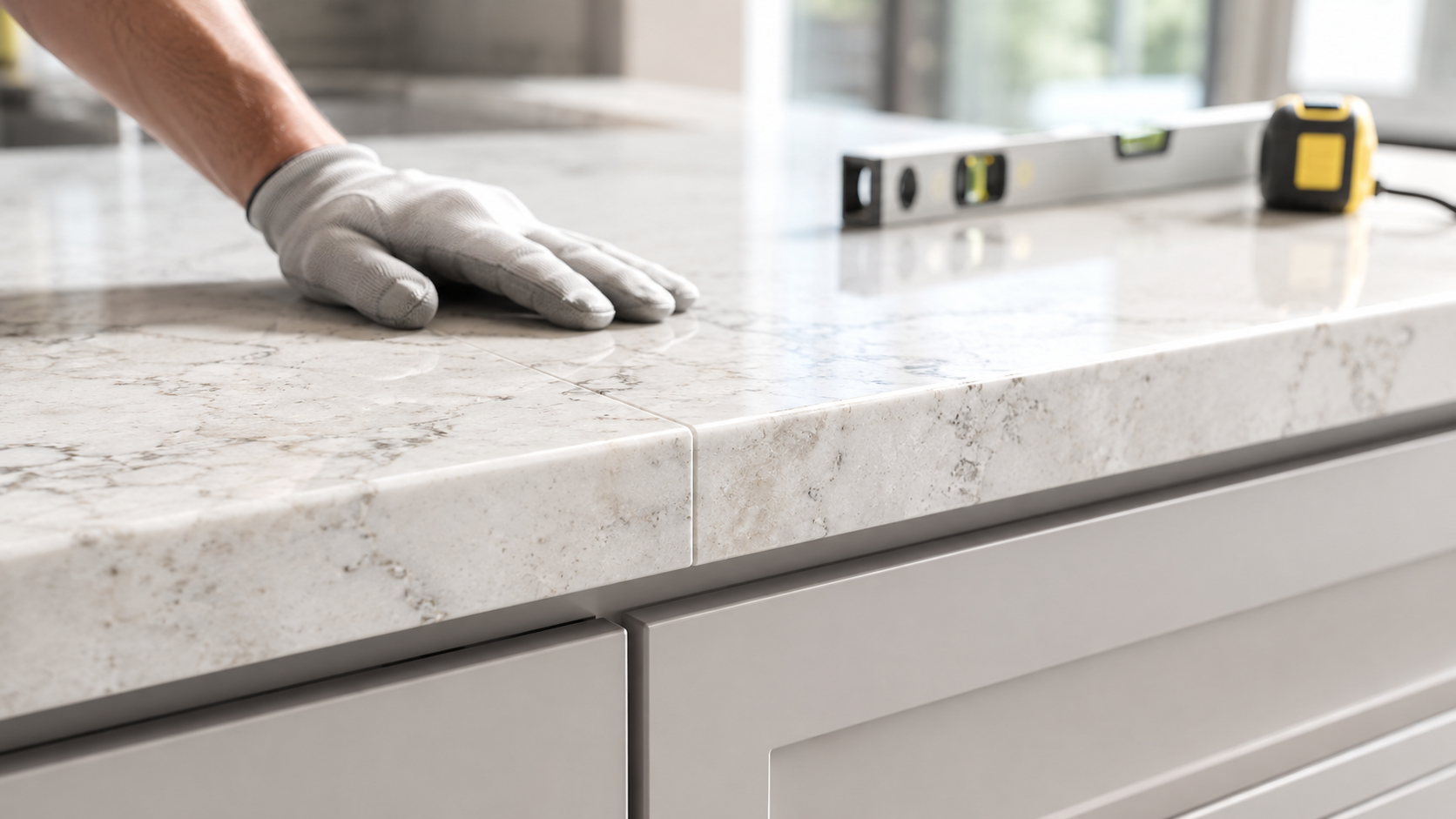
The installer may make small levelling adjustments to ensure the countertop sits properly. If there are multiple pieces, the joint areas will be aligned and treated. Joint visibility can depend on the material colour, pattern, lighting and layout. A well-planned joint should look neat, but homeowners should understand that some seams may still be visible, especially on certain materials or long countertop runs.

For sink and hob areas, installers will check the cut-outs and positioning. If an undermount sink is involved, support and finishing details are especially important. The exact method may depend on the sink type, countertop material and project specification.

Professional installation helps reduce common problems such as uneven surfaces, poor alignment, weak support, untidy joints or inaccurate cut-outs.

Step 9: Final Cleaning and Inspection

After fitting, the installers will usually clean the work area and inspect the countertop.

The final inspection may include checking:

  • Surface alignment
  • Edge finishing
  • Joint appearance
  • Sink and hob cut-out position
  • Overhang consistency
  • Backsplash or wall detail
  • General workmanship
  • Any visible damage from handling or installation

Homeowners should also inspect the countertop before the team leaves. If you notice anything unusual, raise it politely on the spot. It is easier to clarify small details while the installation team is still there.

Keep in mind that stone surfaces are practical building materials, not fragile decorative items, but they still require proper care. The goal is to make sure the installation is neat, stable and suitable for daily use.

Step 10: After-Installation Care and Usage Advice

Once your countertop is installed, you should follow the care advice suitable for your chosen material.

For quartz stone, day-to-day cleaning is usually simple. Use a soft cloth, mild detergent and water. Clean spills promptly, especially from strongly coloured liquids or acidic substances. Although quartz stone is scratch-resistant and stain-resistant under normal household use, it should not be treated as indestructible.

Good habits include:

  • Use a chopping board instead of cutting directly on the countertop
  • Use trivets for very hot cookware
  • Wipe spills promptly
  • Avoid harsh chemicals unless suitable for the material
  • Do not stand or sit on the countertop
  • Avoid heavy impact on edges and corners

For natural stone such as granite or marble, care requirements may differ depending on the stone type and finish. Always ask for material-specific maintenance advice.

Luxurious modern kitchen with premium stone countertops for a Countertop Installation Guide

Common Questions Homeowners Ask During Installation

Will countertop installation be messy?

Some dust, noise and movement should be expected, especially if minor adjustment is needed on site. A professional team will usually work in a controlled way, but homeowners should still clear the surrounding area before installation.

Do I need to be at home during installation?

It is helpful for the homeowner, designer, contractor or authorised representative to be available. This person should be able to answer questions and confirm decisions if anything unexpected comes up.

Can plumbing and electrical work be done immediately?

This depends on the site condition and the installation method. In many projects, plumbers or electricians may need to reconnect the sink, tap, hob or related fittings after the countertop has been installed. It is best to coordinate timing with the relevant trades.

Will there be visible seams?

Some countertop layouts require seams due to slab size, access route, design, material characteristics or handling safety. A professional installer will usually plan seams carefully, but complete invisibility should not be promised.

Why Professional Countertop Installation Matters

A countertop is used every day. It supports cooking, washing, serving, storage and family routines. In commercial settings, it may support customer service, work operations or heavy daily traffic.

Professional installation matters because it affects:

  • How well the countertop fits the space
  • How neat the finishing looks
  • How stable the surface feels
  • How accurately sinks and hobs are positioned
  • How practical the countertop is for long-term use
  • How confidently other trades can complete their work

Even a good material can perform poorly if it is measured, fabricated or installed incorrectly. This is why choosing a professional countertop team is just as important as choosing the stone itself.

SolidTop Sdn Bhd provides a one-stop countertop solution covering design, material selection, fabrication, delivery and installation. This helps customers manage the process more clearly, especially when coordinating with kitchen cabinets, interior designers, contractors or renovation teams.

Conclusion

This Countertop Installation Guide shows that professional installation is a careful process, not a single-day task of simply placing a slab on cabinets. From material selection and measurement to fabrication, delivery, fitting, inspection and care advice, every step helps create a countertop that looks good and works well for daily use.
For Malaysian homeowners, the most reassuring approach is to prepare the site properly, confirm all details early and work with an experienced countertop team that understands both design and practical installation requirements.

Need help planning your countertop installation? Speak with SolidTop Sdn Bhdsolidtop.com.my for professional advice on suitable materials, custom fabrication and installation for your home or commercial project.

How long does professional countertop installation take?

The timeline depends on the project size, material, site condition, fabrication requirements and coordination with other renovation works. Measurement, fabrication and installation are usually handled in stages, so it is best to confirm the schedule with the countertop team after the site has been checked.

What should I prepare before countertop installation day?

Clear the work area, remove items from nearby cabinets, confirm access for the installers and make sure the sink, hob and tap details are ready. If you live in a condominium, check renovation rules, lift booking and management requirements in advance.

Can I install a stone countertop before the cabinets are completed?

It is generally better for base cabinets to be installed in their final position before measurement. If cabinets are moved or adjusted after measurement, the countertop may not fit correctly.

Are countertop seams always visible?

Some seams may be visible depending on the material, colour, pattern, lighting and layout. Professional planning can help make seams neater, but it is not realistic to promise that all seams will disappear completely.

Is this Countertop Installation Guide suitable for quartz countertops?

Yes. This Countertop Installation Guide applies to general stone countertop installation, including quartz stone, granite stone, marble stone, sintered stone and other suitable surfaces. Specific care advice may differ by material.

Quartz bathroom vanity top in a modern Malaysian home

8 Bathroom Vanity Top Design Ideas Using Quartz for Malaysian Homes

Designing a beautiful bathroom goes beyond selecting stylish tiles and fittings. One feature that significantly influences both aesthetics and functionality is the vanity top. Among the many materials available today, quartz has become one of the preferred choices for Malaysian homeowners because of its elegant appearance, consistent patterns, and low-maintenance characteristics.

If you’re planning a bathroom renovation or building a new home, these Bathroom Vanity Top Design Ideas can help you create a space that is both practical and visually appealing.

Why Choose Quartz for a Bathroom Vanity Top?

Quartz is an engineered stone made from natural quartz minerals combined with resins and pigments. It offers a smooth, consistent surface that complements many interior styles while providing reliable performance for everyday use.

For Malaysian homes, quartz vanity tops are commonly fabricated in 15mm and 20mm thicknesses, making them suitable for most residential bathrooms. (By comparison, 18mm and thicker slabs are more commonly associated with granite stone applications.)

Quartz is suitable for:

  • Bathroom vanity tops
  • Double-sink vanity units
  • Powder room countertops
  • Hotel bathrooms
  • Commercial washrooms
Bathroom Vanity Top Design Ideas 02
Quartz Bathroom Vanity Top

1. Minimalist White Quartz Vanity Top

A white quartz vanity top creates a clean and timeless appearance that suits modern Malaysian homes.

Pair it with:

  • Matte white cabinetry
  • Black fixtures
  • Frameless mirrors
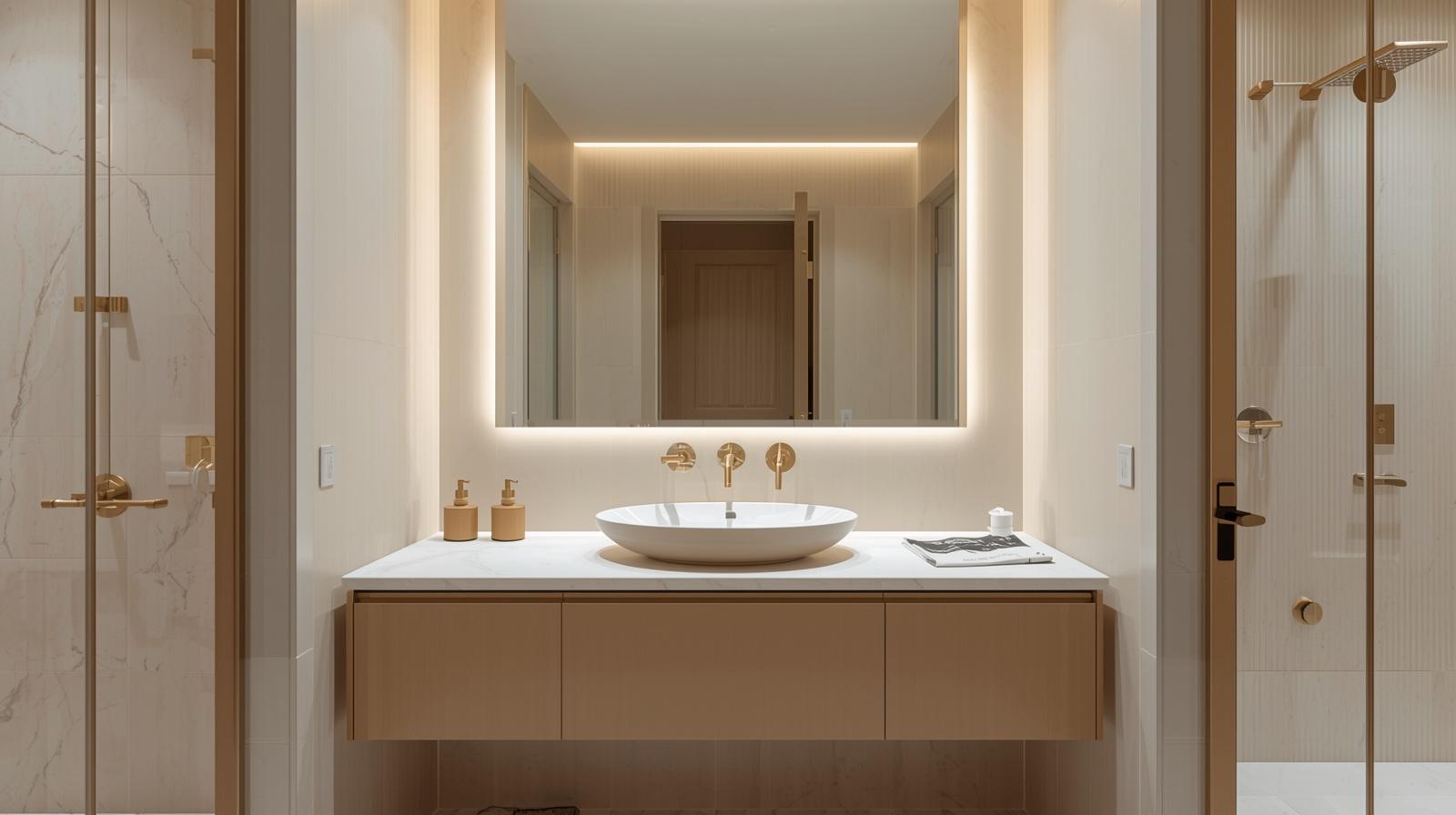
  • Soft LED lighting

The result is a bright, spacious bathroom that feels elegant without being overly complicated.

2. Marble-Look Quartz for a Luxury Feel

If you love the appearance of marble but prefer a more consistent surface, marble-look quartz is an excellent alternative.

Soft grey veining adds sophistication while complementing:

  • Gold accessories
  • Floating cabinets
  • Large porcelain tiles
  • Contemporary bathroom designs

This style works well in master bathrooms and premium residential projects.

3. Floating Vanity with Quartz Countertop

Floating vanities continue to be a popular interior design trend because they create the illusion of a larger space.

Combining a floating vanity with a quartz countertop offers:

  • A modern appearance
  • Easier floor cleaning
  • Better visual flow
  • A neat and uncluttered look

This design is especially suitable for compact bathrooms commonly found in urban homes.

Quartz Vanity Top
Quartz Vanity Top

4. Double Vanity for Family Bathrooms

For larger households, a double vanity improves convenience during busy mornings.

Quartz provides a seamless and elegant surface that works beautifully with two basins while maintaining a consistent appearance across the countertop.

A double vanity is particularly suitable for:

  • Master bathrooms
  • Shared family bathrooms
  • Luxury residences

5. Neutral Colour Palette

Neutral colours remain one of the safest design choices because they are unlikely to go out of style.

Popular quartz colours include:

  • White
  • Light grey
  • Soft beige
  • Warm cream

These colours pair easily with different cabinet finishes and bathroom accessories while creating a relaxing atmosphere.

6. Integrated Modern Bathroom Design

Quartz vanity tops blend naturally with contemporary bathroom elements such as:

  • Wall-mounted cabinets
  • Large mirrors
  • Under-mount basins
  • Soft-close drawers
  • LED mirror lighting

The clean lines help create a modern and organised bathroom layout.

7. Quartz Vanity Tops for Commercial Spaces

Quartz is not only suitable for homes but is also widely used in commercial environments.

Applications include:

  • Office washrooms
  • Hotels
  • Restaurants
  • Retail outlets
  • Healthcare facilities

Its modern appearance and practical maintenance make it a popular option for high-usage indoor spaces.

8. Custom Vanity Top Design

Every bathroom has different dimensions and layout requirements.

A customised quartz vanity top allows homeowners to choose:

  • Countertop dimensions
  • Edge profiles
  • Basin positioning
  • Colour selection
  • Cabinet integration

Custom fabrication helps ensure the vanity fits both the available space and the overall interior design.

How to Choose the Right Quartz Vanity Top

Before selecting a quartz vanity top, consider the following:

Bathroom Size

Lighter colours can help smaller bathrooms feel more spacious.

Cabinet Style

Choose a quartz design that complements the cabinet finish rather than competing with it.

Lighting

Natural and artificial lighting can influence how the quartz pattern appears throughout the day.

Daily Usage

Family bathrooms may benefit from larger vanity tops with additional countertop space.

Bathroom Vanity Top Design Ideas 04
Quartz Bathroom Vanity Top

Caring for a Quartz Bathroom Vanity Top

Quartz is considered a low-maintenance material under normal household use.

To keep your vanity top looking its best:

  • Wipe the surface regularly with a soft cloth.
  • Use mild soap and water for routine cleaning.
  • Clean spills promptly.
  • Avoid harsh abrasive cleaners.
  • Follow the manufacturer’s care recommendations where applicable.

Simple maintenance helps preserve the appearance of the countertop over time.

Why Professional Fabrication Matters

Even the highest-quality quartz slab performs best when fabricated and installed correctly.

Accurate measurements, careful edge finishing, and professional installation contribute to a vanity top that fits well and delivers long-term performance.

SolidTop Sdn Bhdsolidtop.com.my is a Kuala Lumpur-based stone countertop specialist serving homeowners, interior designers, architects, contractors, property developers, and commercial clients throughout Klang Valley.

The company provides a one-stop countertop solution, including material selection, custom fabrication, delivery, and professional installation for residential and commercial projects. With more than 15 years of industry experience, SolidTop focuses on helping customers choose practical countertop solutions based on their project requirements.

Final Thoughts

These Bathroom Vanity Top Design Ideas show how quartz can enhance both the appearance and functionality of modern Malaysian bathrooms.

Whether you prefer a minimalist design, a luxurious marble-inspired look, or a customised vanity for your home, quartz offers a versatile solution for many interior styles.

If you’re planning a bathroom renovation and would like professional guidance on selecting the right vanity top, the team at SolidTop Sdn Bhdsolidtop.co.my is happy to help you explore suitable quartz countertop options for your project.

Is quartz suitable for bathroom vanity tops?

Yes. Quartz is widely used for bathroom vanity tops because of its elegant appearance, low-maintenance characteristics, and suitability for everyday indoor use.

What is the common quartz vanity top thickness in Malaysia?

The most commonly used quartz thicknesses for Malaysian residential projects are 15mm and 20mm.

Can quartz vanity tops be customised?

Yes. Quartz vanity tops can be fabricated in custom sizes, colours, edge profiles, and basin configurations to suit different bathroom layouts.

Is quartz easy to clean?

Yes. Routine cleaning with a soft cloth and mild soap is generally sufficient under normal household use.

Quartz vs Sintered Stone countertop comparison

Quartz vs Sintered Stone: Which Countertop Surface Is Right for You?

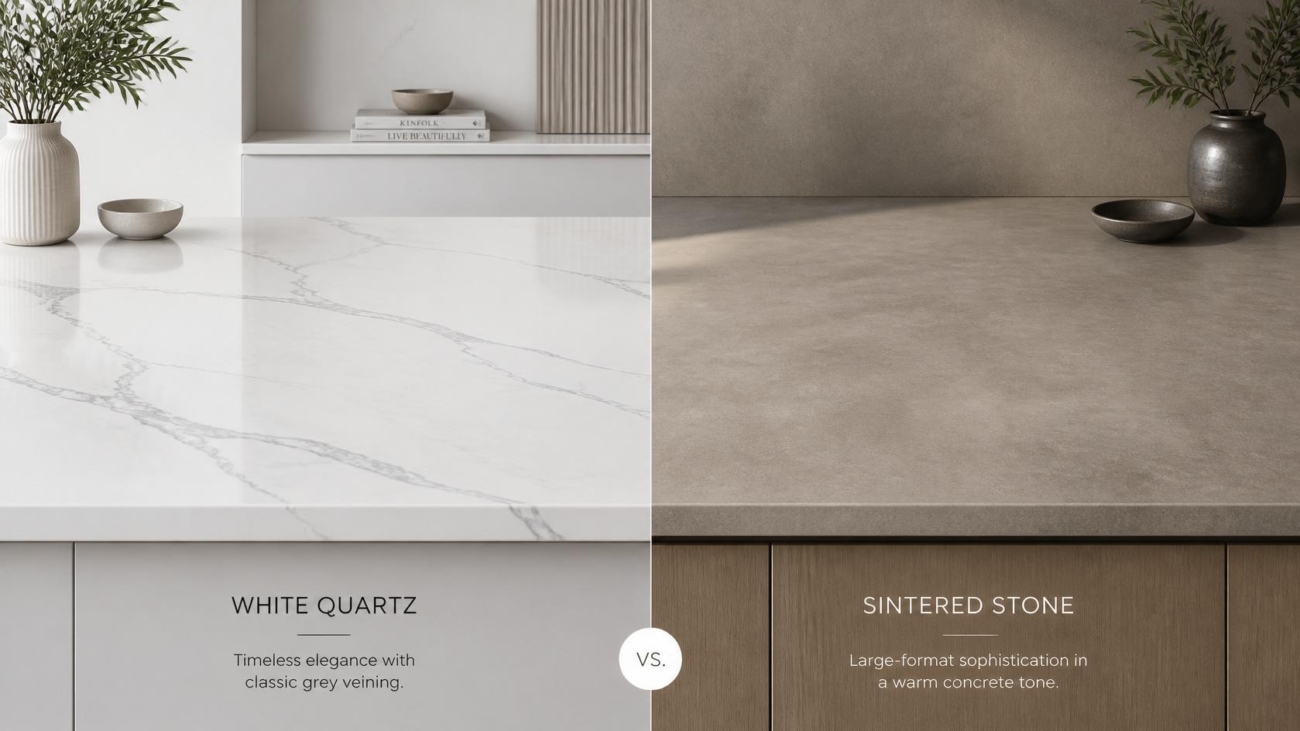
When comparing Quartz vs Sintered Stone, homeowners should consider durability, maintenance, appearance, and everyday usage.

Choosing the right countertop material is one of the most important decisions when designing a kitchen, island, dining table, or workspace. Two of the most popular options in Malaysia today are quartz stone and sintered stone.

Both materials offer modern aesthetics, durability, and low-maintenance performance. However, they are made differently and each has unique characteristics that may suit different lifestyles and applications.

In this guide, we’ll compare quartz vs sintered stone to help you determine which countertop surface is right for your home or commercial project.

This Quartz vs Sintered Stone comparison highlights the strengths of each material.

What Is Quartz Stone?

Quartz stone is an engineered surface made from natural quartz minerals combined with resins and pigments. The manufacturing process creates a dense and consistent material that is widely used for kitchen countertops, vanity tops, worktops, and dining tables.

In the Malaysian market, quartz countertops are commonly available in 15mm and 20mm thicknesses, making them suitable for most residential and commercial interior applications.

Advantages of Quartz Stone

  • Wide range of colours and patterns
  • Consistent appearance throughout the slab
  • Low porosity compared to many natural stones
  • Suitable for everyday kitchen use
  • Easy to clean and maintain
  • Available in various modern and classic designs

Considerations

  • Prolonged exposure to excessive heat may affect the resin content
  • Primarily recommended for indoor applications
  • Direct placement of extremely hot cookware is generally not recommended

What Is Sintered Stone?

Sintered stone is an ultra-compact surface manufactured using advanced technology that applies high pressure and high temperature to natural minerals. The process is designed to replicate how natural stone forms over time.

As a result, sintered stone offers excellent durability and is increasingly popular for modern kitchens, dining tables, feature walls, and commercial spaces.

Advantages of Sintered Stone

  • Excellent heat resistance
  • Highly resistant to UV exposure
  • Suitable for both indoor and selected outdoor applications
  • Available in large-format slabs
  • Modern and contemporary appearance
  • Resistant to stains under normal use and proper maintenance

Considerations

  • Fabrication requires specialised equipment and expertise
  • Edge detailing options may vary depending on the design
  • Professional installation is important to ensure optimal performance
Quartz vs Sintered Stone 05

Quartz vs Sintered Stone: Key Differences

1. Heat Resistance

One of the biggest differences between quartz and sintered stone is heat resistance.

Quartz contains resin binders, which means excessive heat may affect the surface over time. While quartz performs well in everyday kitchens, it is generally advisable to use trivets or heat protection when placing hot cookware on the surface.

Sintered stone is manufactured using extremely high temperatures, making it more resistant to heat exposure. This makes it a popular choice for homeowners who cook frequently.

Winner: Sintered Stone

2. Design and Appearance

Both materials offer attractive design options.

Quartz is known for its consistent patterns and colours. It can replicate marble-inspired designs, solid colours, and modern textures with excellent uniformity.

Sintered stone often features natural stone-inspired visuals and contemporary finishes. Many homeowners choose it for its sophisticated and seamless appearance.

Winner: Depends on personal design preference

3. Maintenance Requirements

Both quartz and sintered stone are considered low-maintenance countertop materials.

Daily cleaning typically requires only a soft cloth and mild cleaning solution. Spills should be cleaned promptly to maintain the appearance of the surface.

Neither material should be considered completely maintenance-free, but both are practical choices for busy households.

Winner: Tie

4. Indoor and Outdoor Applications

Quartz is generally recommended for indoor use, including:

  • Kitchen countertops
  • Island tops
  • Dining tables
  • Vanity tops
  • Worktops

Sintered stone offers greater flexibility and may be suitable for both indoor and selected outdoor applications due to its UV resistance.

Winner: Sintered Stone

5. Fabrication and Installation

Quartz has been widely used in Malaysia for many years, making it a familiar material for countertop fabrication.

Sintered stone requires specialised cutting, handling, and installation techniques due to its density and material characteristics.

Regardless of the material selected, professional fabrication and installation play a major role in the final performance and appearance of the countertop.

Winner: Quartz for fabrication flexibility

Quartz vs Sintered Stone 07

Which Material Is Better for Malaysian Homes?

The answer depends on your lifestyle and project requirements.

Choose Quartz Stone If:

  • You prefer a wide variety of colours and patterns
  • You want a consistent design appearance
  • Your countertop will be used primarily indoors
  • You are looking for a practical and low-maintenance surface
  • You prefer common thickness options such as 15mm or 20mm

Choose Sintered Stone If:

  • Heat resistance is a top priority
  • You want a modern ultra-compact surface
  • The project may involve exposure to sunlight
  • You prefer large-format slab designs
  • You want a material suitable for both residential and selected commercial applications

Is quartz stronger than sintered stone?

Both materials are durable and suitable for everyday use. However, they perform differently in areas such as heat resistance and UV exposure.

Can quartz be used for kitchen countertops?

Yes. Quartz remains one of the most popular countertop materials for Malaysian kitchens due to its durability, design variety, and ease of maintenance.

Is sintered stone suitable for outdoor use?

Many sintered stone products are suitable for outdoor applications because they offer good resistance to UV exposure. However, suitability may vary depending on the specific product and installation environment.

Which countertop material requires less maintenance?

Both quartz and sintered stone are considered low-maintenance surfaces when cleaned regularly and used according to manufacturer recommendations.

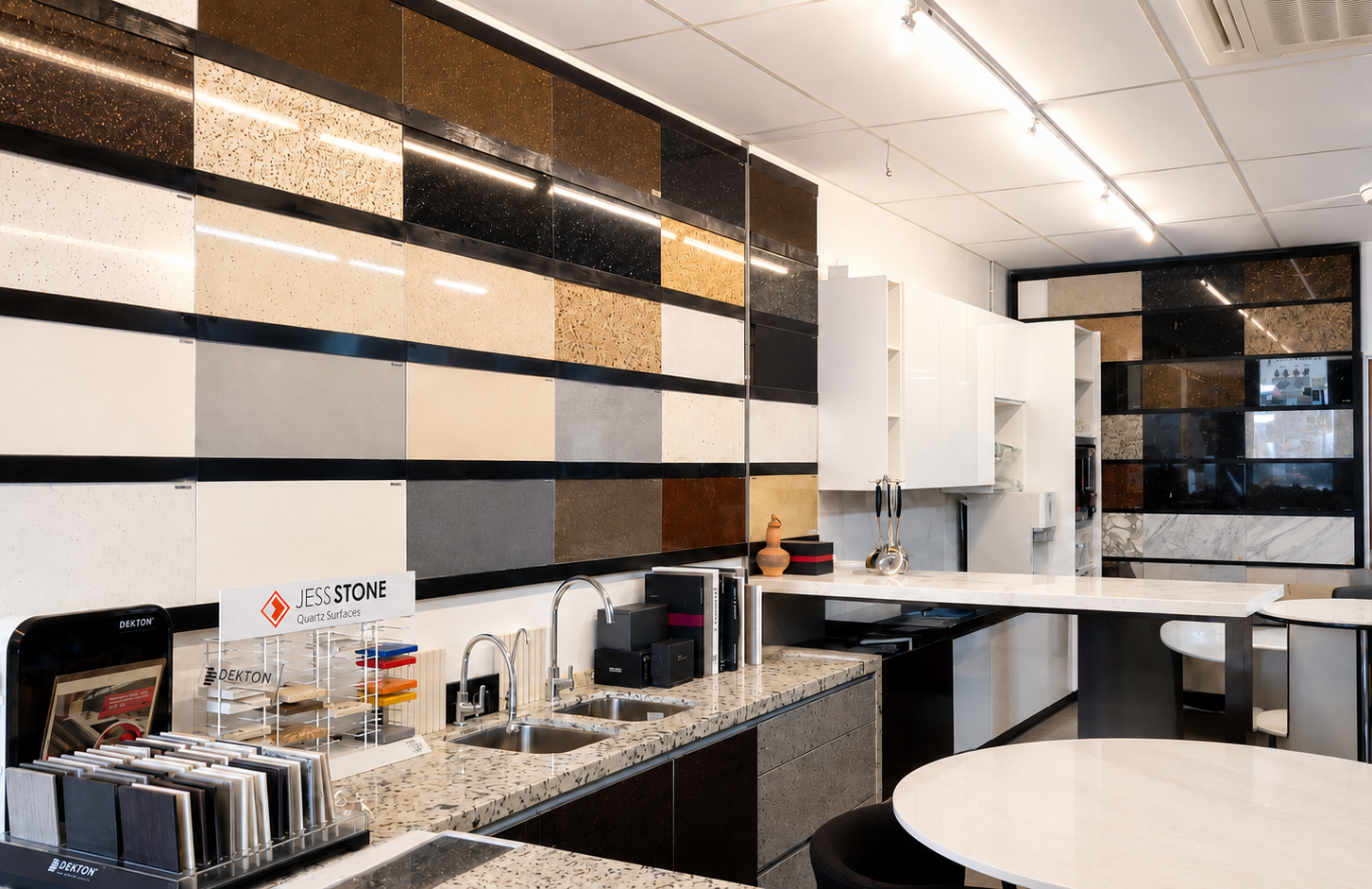
Stone Countertop Malaysia showroom by SolidTop

Why SolidTop Sdn Bhd is Your Trusted One-Stop Stone Countertop Specialist in Malaysia

Stone Countertop Malaysia is one of the most important investments when renovating a kitchen, bathroom, or commercial space. Choosing the right supplier ensures long-lasting quality, durability, and beautiful design.

At SolidTop Sdn Bhdsolidtop.com.my, we have spent more than 15 years helping homeowners, interior designers, architects, developers, and contractors transform their spaces with premium stone surfaces. Based in Kuala Lumpur and serving the Klang Valley, we provide complete stone countertop solutions—from consultation and design to fabrication, installation, and after-sales support.

A Complete One-Stop Stone Solution

Managing multiple suppliers during a renovation can be time-consuming and stressful. That’s why SolidTop offers a comprehensive one-stop service that covers every stage of your project.

Our process includes:

  • Site measurement
  • Design consultation
  • Material selection
  • Custom fabrication
  • Professional installation
  • After-sales warranty

By handling every step in-house, we reduce coordination issues, improve quality control, and ensure a seamless customer experience from beginning to end.

Premium Materials for Every Design Style

Every project has different functional requirements and design preferences. That’s why we offer an extensive selection of natural and engineered stone materials to suit both residential and commercial applications.

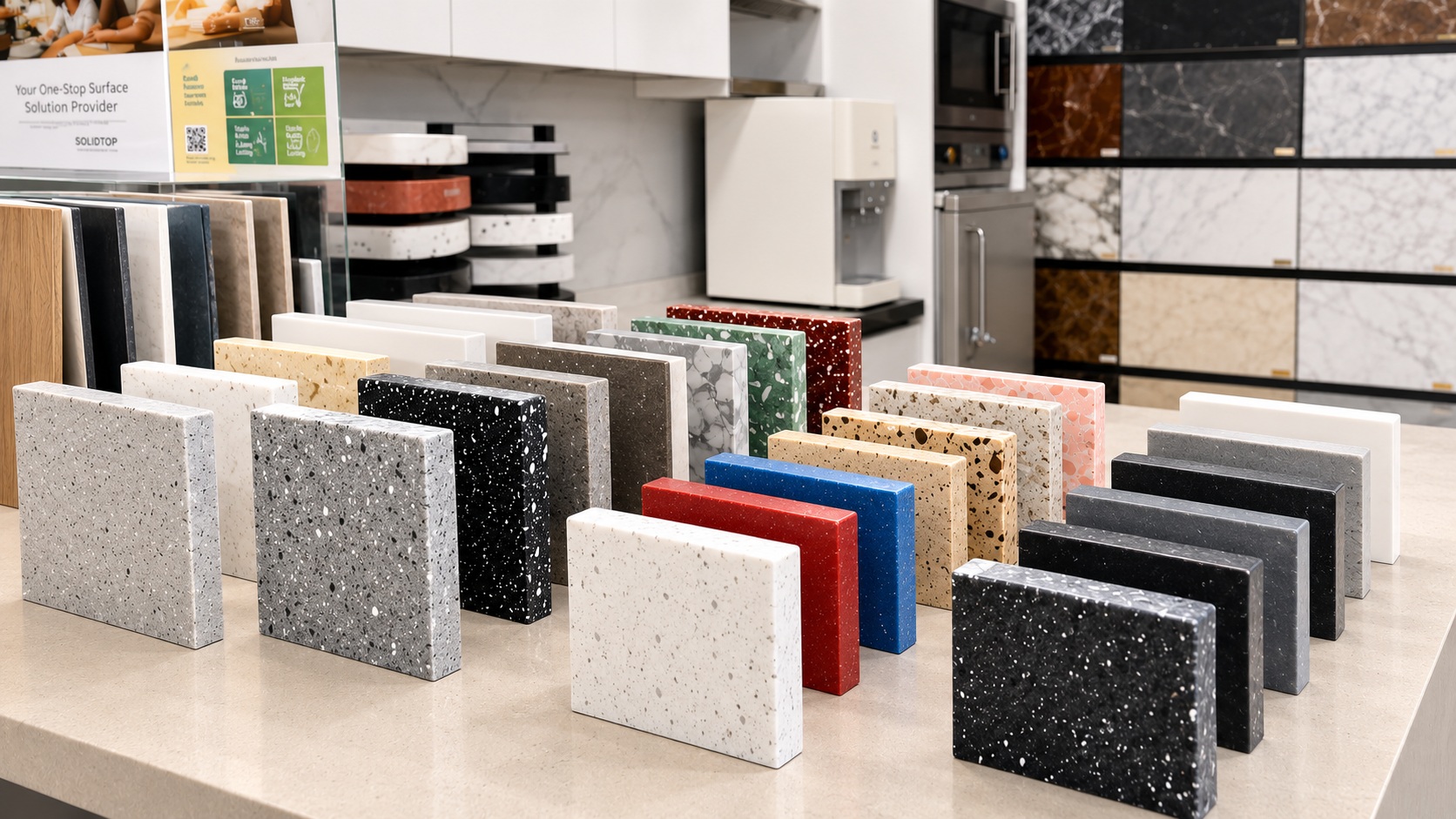
Our material collection includes:

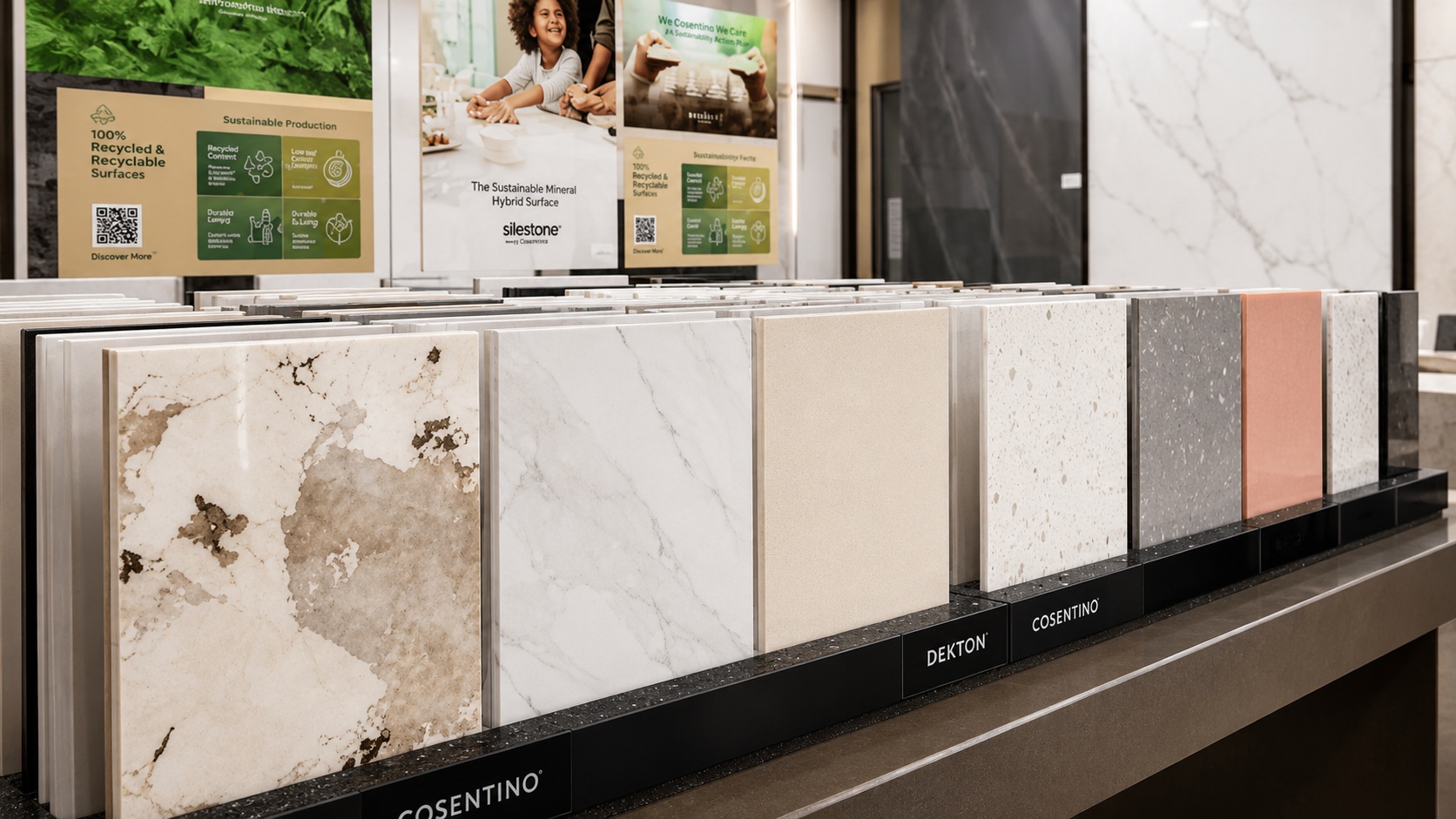
We also supply trusted quartz brands such as Silestone, Caesarstone, Jess Stone, QQ Quartz, and HanStone, giving customers access to globally recognised products known for their beauty and performance.

Showroom Kepong 03
Stone Countertop Malaysia

Designed for Homes and Commercial Spaces

SolidTop’s solutions extend beyond kitchen countertops. Our experienced team customises stone surfaces for a wide variety of applications, including:

  • Kitchen countertops and islands
  • Dining and conference tables
  • Bathroom vanity tops
  • Reception counters
  • Bar counters
  • Commercial worktops
  • Public washrooms
  • Retail display counters

Whether you’re creating a modern family kitchen or furnishing a large commercial development, our team delivers tailored solutions that combine aesthetics with long-lasting performance.

Quality Workmanship That Gives You Peace of Mind

A premium stone deserves professional installation. With more than 15 years of industry experience, our skilled craftsmen pay close attention to every cut, joint, and installation detail.

To give customers additional confidence, every installation is backed by our 5-Year Workmanship Warranty. We are committed to delivering installations that are durable, secure, and built to last, with workmanship designed to prevent common issues such as poor bonding or installation defects.

Fast Turnaround Without Compromising Quality

Renovation schedules are important. Delays can affect the entire project timeline.

Thanks to our factory-direct production process and experienced fabrication team, most confirmed orders can be completed with installation in approximately 5 to 7 working days, depending on project requirements. This allows homeowners, designers, and contractors to keep their projects moving efficiently while maintaining high-quality workmanship.

Showroom Kepong 04
SolidTop

Reliable After-Sales Support

Our commitment doesn’t end after installation.

If any defects or damage are identified during delivery or on-site installation, SolidTop provides a one-to-one replacement policy rather than temporary repairs. This customer-first approach ensures greater confidence throughout the installation process and reflects our commitment to delivering quality products and professional service.

How to Choose the Right Stone Countertop Malaysia

When selecting your ideal countertop, consider these essential factors to match your lifestyle:

  • Budget & Value: Factory-direct engineered stones offer fantastic durability at an accessible price point, while premium natural marble is an investment in ultimate luxury.
  • Lifestyle & Maintenance: If you cook heavy Asian meals, non-porous materials like Quartz or Sintered Stone are highly recommended as they are incredibly stain and scratch-resistant.
  • Heat & Stain Resistance: For kitchen areas near stoves, materials with high heat resistance like Granite perform exceptionally well.
  • Design & Aesthetics: Choose seamless-joining materials like Solid Surface for curved designs, or opt for Marble/Quartz to showcase bold, elegant patterns.

Trusted by Professionals and Homeowners

Over the years, SolidTop has become a trusted partner for:

  • Property developers
  • Construction contractors
  • Interior designers
  • Architects
  • Commercial business owners
  • Homeowners

Our combination of premium materials, professional workmanship, factory-direct supply, and comprehensive service has made us a reliable choice for projects of every size throughout the Klang Valley.

Showroom Kepong 05
SolidTop

Build a Space That Lasts

Choosing the right countertop is an investment that you’ll enjoy every day for years to come. By partnering with an experienced stone specialist, you can achieve the perfect balance of style, durability, and value.

At SolidTop Sdn Bhdsolidtop.com.my, we are committed to helping every customer create beautiful, functional spaces with premium stone surfaces and professional craftsmanship. Whether you’re upgrading your kitchen, renovating your bathroom, or completing a commercial project, our team is ready to deliver a customised solution tailored to your needs.

Contact SolidTop today to schedule a consultation and discover how our one-stop stone solutions can bring your vision to life.

If you’re looking for a trusted Stone Countertop Malaysia supplier, SolidTop offers premium materials and professional installation backed by years of experience.

What is the best stone countertop in Malaysia?

Quartz is one of the most popular choices because it is durable, stain-resistant, and low maintenance.

How much does a stone countertop cost in Malaysia?

Prices depend on the material, thickness, and project size.

How long does installation take?

Most projects are completed within 5–7 working days after order confirmation.

Quartz Countertop the Right Way

How to Clean and Maintain Your Quartz Countertop the Right Way

Learning how to clean and maintain your quartz countertop the right way is the single most effective thing you can do to protect your investment and keep your kitchen looking brand new for decades. Quartz is remarkably low-maintenance compared to natural stone — but “low maintenance” doesn’t mean “zero maintenance.” A few simple habits and the right cleaning products make all the difference.

Understanding Why Quartz Still Needs Regular Care

Quartz Countertop the Right Way

While quartz surfaces are non-porous and highly resistant to staining, the resin binders that hold the engineered stone together can be degraded over time by harsh chemicals, abrasive scrubbing, or prolonged exposure to extreme heat. Understanding this helps you avoid the most common mistakes homeowners make.

What Can Damage a Quartz Countertop?

  • Harsh chemical cleaners — Bleach, drain cleaners, and oven degreasers can break down the resin surface
  • Abrasive pads — Steel wool or scouring pads leave micro-scratches that dull the finish
  • Prolonged heat exposure — Placing hot pans directly on the surface can cause discolouration or cracking
  • Sharp objects — Cutting directly on the surface without a chopping board will scratch the finish over time
  • Permanent markers and dyes — High-pigment substances left on the surface for extended periods may penetrate if the surface is compromised

Your Complete Quartz Countertop Care Routine

Daily Cleaning — What to Do Every Day

Daily wiping prevents residue buildup and keeps your quartz looking polished after every meal.

How to Clean and Maintain Your Quartz Countertop 01
Quartz Countertop the Right Way

Daily Cleaning Checklist

  • ✅ Wipe down the surface with a damp microfibre cloth after cooking
  • ✅ Use a mild dish soap diluted in warm water for general cleaning
  • ✅ Dry the surface immediately with a clean cloth to prevent water spots
  • ✅ Remove food spills as soon as possible — especially coffee, turmeric, and red sauces
  • ✅ Never leave wet cloths or sponges sitting on the surface for extended periods

Quartz Countertop the Right Way

Weekly Cleaning — Deeper Surface Care

Once a week, spend a few extra minutes on a more thorough clean to address any accumulated grease or residue near the stove or sink area.

Weekly Cleaning Steps

  1. Mix a small amount of non-abrasive liquid detergent with warm water in a spray bottle
  2. Spray lightly across the countertop surface
  3. Wipe in circular motions using a soft sponge or microfibre cloth
  4. Pay extra attention to the backsplash junction and sink edges where grime accumulates
  5. Rinse with clean water and buff dry with a lint-free cloth
  6. Inspect for any dull patches — these may benefit from a quartz-specific surface polish

Monthly Maintenance — Protecting the Surface Long-Term

Monthly Care Tasks

  • Apply a quartz-safe surface polish (available from stone care retailers) to restore sheen on polished finishes
  • Inspect all silicone joints around the sink and edges — replace any cracked or discoloured sealant promptly
  • Check for any surface chips or cracks near the edge — report these early before water infiltration worsens the damage
  • Clean underneath any countertop appliances like toasters or rice cookers that may trap moisture and heat

What Cleaning Products Are Safe for Quartz?

Recommended Safe Products

Product TypeExamplesSafe to Use?
Mild dish soap + waterAny standard brand✅ Yes
Glass cleaner (ammonia-free)Windex (ammonia-free version)✅ Yes
Isopropyl alcohol (diluted)70% IPA in water✅ Yes (spot treatment)
Quartz-specific cleanerHMK, Lithofin, etc.✅ Yes
White vinegarUndiluted⚠️ Use sparingly
Bleach / chlorine cleanersAny brand❌ No
Oven or grill degreasersEasy-Off etc.❌ No
Nail polish remover (acetone)Any brand❌ No

How to Remove Common Stains from Quartz

Dealing with Stubborn Stains

Even the most careful homeowner will face the occasional stubborn stain. Here’s how to handle the most common ones:

Stain-by-Stain Treatment Guide

  • Coffee or tea rings → Apply a paste of baking soda and water, leave for 5 minutes, then wipe clean
  • Cooking oil grease → Use a small amount of diluted dish soap and a non-scratch sponge; rinse thoroughly
  • Turmeric or curry stains → Dab with isopropyl alcohol (70%), let sit briefly, then wipe and rinse
  • Dried food crust → Use a plastic scraper (never metal) to gently lift the residue before cleaning
  • Marker or ink → Apply a small amount of rubbing alcohol to a cotton ball and dab — do not rub widely

⚠️ Important: Always test any cleaning method on an inconspicuous area first. If in doubt, contact your quartz supplier before attempting aggressive stain removal.

Common Maintenance Mistakes to Avoid

  1. Using cutting boards inconsistently — Always use them, every time, without exception
  2. Placing hot appliances directly on the surface — Air fryers, rice cookers, and electric kettles generate sustained heat that damages resin bonds
  3. Using the same cloth for cleaning and drying — Always use a separate dry cloth for buffing to prevent streaks
  4. Ignoring edge chips — Small chips at corners worsen rapidly; seal them with stone epoxy early
  5. Believing quartz is “indestructible” — It’s highly durable, not invincible. Treat it with care and it will last a lifetime.

Solidtop’s After-Sales Care Support

At Solidtop Sdn Bhdsolidtop.co.my, we don’t just sell you a countertop and walk away. Our team provides:

  • Post-installation care guidance for every client
  • Recommended product lists suitable for Malaysian kitchen environments
  • Warranty support for manufacturing defects
  • Repair and re-polishing referrals for aged surfaces

If you have questions about your existing Solidtop countertop or are considering an upgrade, reach out to our team today — we’re happy to advise without any obligation.

Frequently Asked Questions

Do quartz countertops need to be sealed?

No — this is one of quartz‘s biggest advantages over granite and marble. Because it is non-porous by manufacture, sealing is not required. However, periodic use of a quartz-safe polish helps maintain its aesthetic sheen.

Can I use a steam cleaner on quartz?

Steam cleaners are generally not recommended for quartz surfaces. The combination of high heat and moisture can weaken the resin binders over time, particularly at seams and joints.

How do I remove scratches from my quartz countertop?

Light surface scratches may be buffed out using a quartz polishing compound. Deep scratches or gouges typically require professional re-polishing or section replacement — contact your supplier for assessment.

This complete routine will show you exactly how to clean and maintain your quartz countertop the right way — without damaging the surface or voiding your warranty.

For more care tips, product recommendations, and renovation inspiration, follow Solidtop Sdn Bhd’ssolidtop.com.my blog — updated weekly with practical guides for Malaysian homeowners.

Most People Don't Regret the Color — They Regret Choosing the Wrong Countertop

How to Choose the Right Kitchen Countertop and Avoid Costly Renovation Regrets

When planning a renovation, many homeowners spend hours choosing the perfect countertop color.
The most common comment we hear is:
“White countertops look beautiful.”
And they do.
A beautiful countertop can instantly elevate the look of a kitchen, bathroom, pantry, or commercial space.
However, after moving in and using the space every day, most homeowners discover that color is rarely the reason for regret.
The real regret often comes from choosing a countertop material that doesn’t suit their lifestyle.

Website Blog 01
Modern quartz stone kitchen countertop

Common Regrets After Choosing the Wrong Countertop

Difficult to Maintain

A countertop may look stunning on the first day, but daily maintenance is what truly matters.

Some materials require frequent sealing, special cleaning products, or extra care to prevent staining. For busy families and working professionals, high-maintenance surfaces can quickly become frustrating.

Durability Issues

Countertops are one of the most frequently used surfaces in a home.

Hot cookware, heavy kitchen appliances, food preparation, accidental impacts, and daily wear can all affect the lifespan of the material.

Choosing a surface that cannot withstand your daily usage may lead to chips, scratches, stains, or costly repairs in the future.

Website Blog 04
Website Blog 03
Website Blog 05

Doesn’t Match Your Lifestyle

Every household uses its space differently.
A family with young children has different needs compared to a couple who rarely cooks.

Likewise, someone who prepares meals daily will require a different countertop solution than a homeowner who mainly uses the kitchen for light food preparation.

The best countertop is not necessarily the most expensive one—it’s the one that fits your lifestyle.

Doesn’t Complement the Overall Design

A countertop should work together with the cabinets, flooring, wall finishes, lighting, and overall interior concept.

Even a premium material can feel out of place if it doesn’t complement the surrounding elements.

A well-planned countertop creates visual harmony and enhances the value of the entire space.

Different Spaces Require Different Solutions

There is no single countertop material that suits every project.

Different environments have different requirements:

  • Families with children may prioritize durability and easy maintenance.
  • Heavy cooking households may need better heat, stain, and scratch resistance.
  • Open-concept kitchens often place greater emphasis on aesthetics and design consistency.
  • Commercial spaces such as restaurants, offices, hotels, and retail outlets may require higher durability and long-term performance.

Choosing the right countertop means understanding how the space will be used every day.

Website Blog 06

Look Beyond Appearance

A countertop is a long-term investment.

While appearance is important, factors such as durability, maintenance, practicality, and suitability should be considered before making a decision.

The right countertop should:

✔ Enhance your space aesthetically
✔ Match your daily lifestyle
✔ Provide long-term durability
✔ Remain easy to maintain
✔ Deliver value for years to come

Let Experience Guide Your Decision

With over 15 years of experience in supplying, fabricating, and installing countertop surfaces, we have helped homeowners, interior designers, contractors, and commercial clients choose solutions that balance both beauty and practicality.

Whether you’re considering Quartz Stone, Sintered Stone, Natural Marble, Granite, Solid Surface, or other premium materials, professional guidance can help you avoid costly mistakes and make a choice you’ll be happy with for years to come.

Need Professional Countertop Advice?

Every project is different, and every space deserves the right surface solution.

Contact our team today for expert consultation and material recommendations tailored to your lifestyle and project requirements.

Choosing the wrong countertop can lead to maintenance issues, durability problems, and costly regrets. Learn how to select the right kitchen countertop for your lifestyle.

What is the most durable countertop material?

Quartz stone and sintered stone are among the most durable and low-maintenance countertop options.

Which countertop is easiest to maintain?

Quartz countertops are popular because they are non-porous, stain-resistant, and easy to clean.

Is marble suitable for kitchens?

Marble offers natural beauty but requires more maintenance compared to quartz or sintered stone.

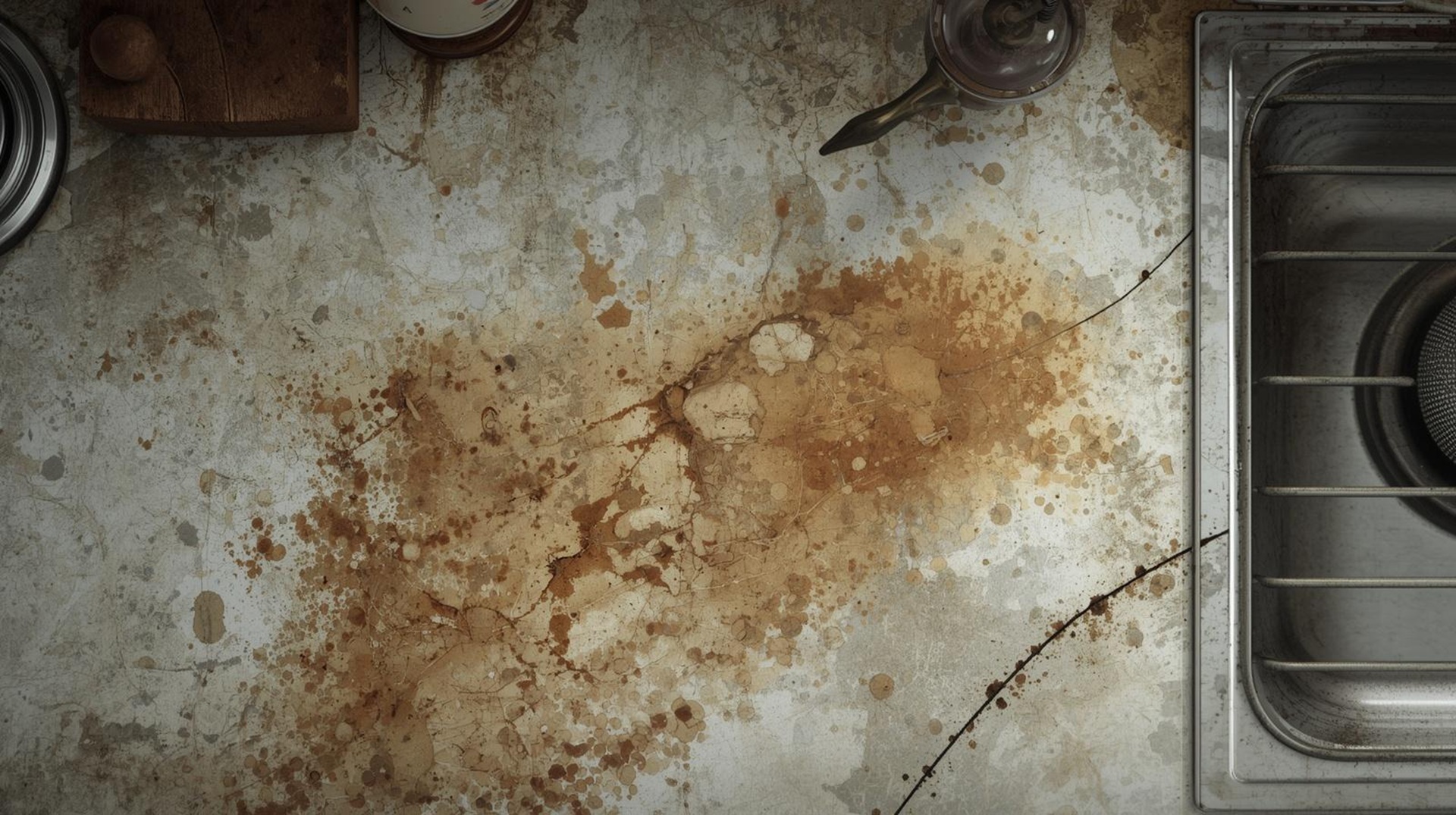
Why Some Countertops Stain Easily

Why Some Countertops Stain Easily (And How to Avoid Choosing the Wrong One)

At first, every countertop looks beautiful.
But after a few months, many homeowners begin noticing problems:

  • Coffee stains that won’t disappear
  • Curry marks absorbed into the surface
  • Countertops becoming harder to clean

This is usually not a cleaning issue.
It’s a material issue.

Why Do Countertops Stain?

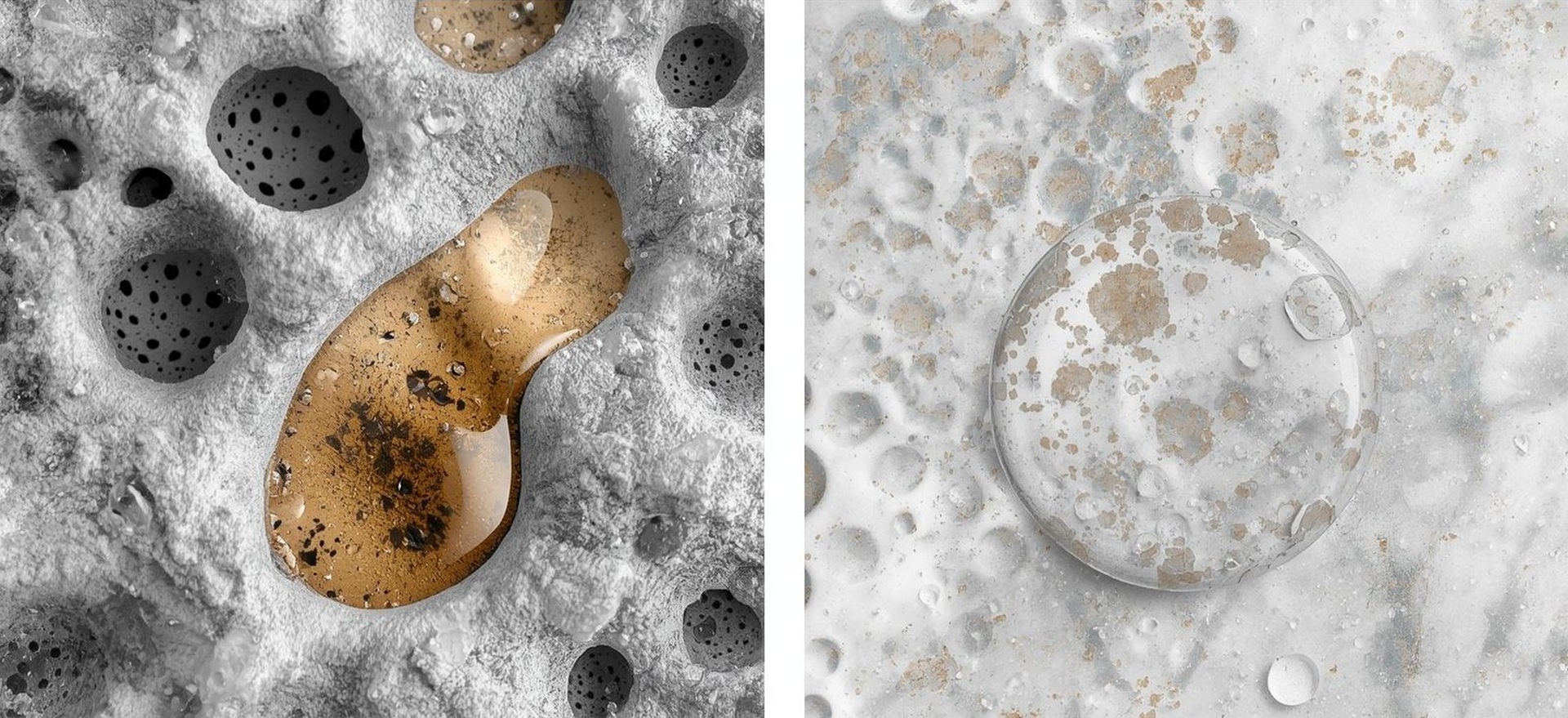
The main reason is porosity.
Some materials contain microscopic pores that absorb liquids like coffee, tea, soy sauce, or curry.
Once absorbed, stains become difficult or even impossible to remove.

👉 Common stain-prone materials include:

  • Natural marble
  • Certain low-density granite
  • Poorly sealed stone surfaces

While they may look luxurious, they tend to have higher absorption rates, making them less suitable for heavy kitchen use.

Common Mistakes When Choosing a Countertop

Many homeowners unknowingly make these mistakes:

1. Choosing based on appearance only
A beautiful surface doesn’t always mean durable performance.

2. Assuming all stone materials are the same
Different materials vary greatly in structure and functionality.

3. Ignoring the kitchen environment
Kitchens involve frequent use, heat, moisture, and stains—materials must be able to withstand all of these.

Modern quartz countertop with stain-resistant surface

How to Choose the Right Material

To ensure long-term durability and easy maintenance:

✔ Choose low-porosity materials
High-quality quartz is a popular choice due to its dense structure and stain resistance.

✔ Prioritize stain resistance & easy cleaning
A good countertop should resist absorption and require minimal upkeep.

✔ Work with a professional supplier
Material quality, fabrication, and installation all affect the final result.

Final Thoughts

Once a countertop is stained, it’s difficult to reverse.
Choosing the right material from the start saves time, cost, and frustration.

👉 A countertop is not just a surface—
it’s the heart of your kitchen.

Why don’t some countertops stain, but mine does?

It usually comes down to material density. Low-porosity materials (like high-quality quartz) resist staining better than natural or lower-grade stones.

Can stained countertops be fixed?

Light stains may be cleaned with professional products. However, deep stains that have penetrated the surface are often permanent and may require polishing or replacement.

Are all quartz countertops stain-resistant?

Not entirely. Quality matters. Higher-grade quartz has better density and performance, so choosing the right brand and supplier is important.

I don’t cook often—can I choose any material?

Not recommended. Even daily use like drinks or sauces can cause stains over time. A countertop is a long-term investment.

What should I prioritize when choosing a countertop?

Look beyond appearance. Focus on:
✔ Stain resistance
✔ Durability
✔ Professional installation & support

Need help choosing the right countertop?

Our team can help you select the ideal material for your kitchen and lifestyle.

Contact us today for professional consultation.