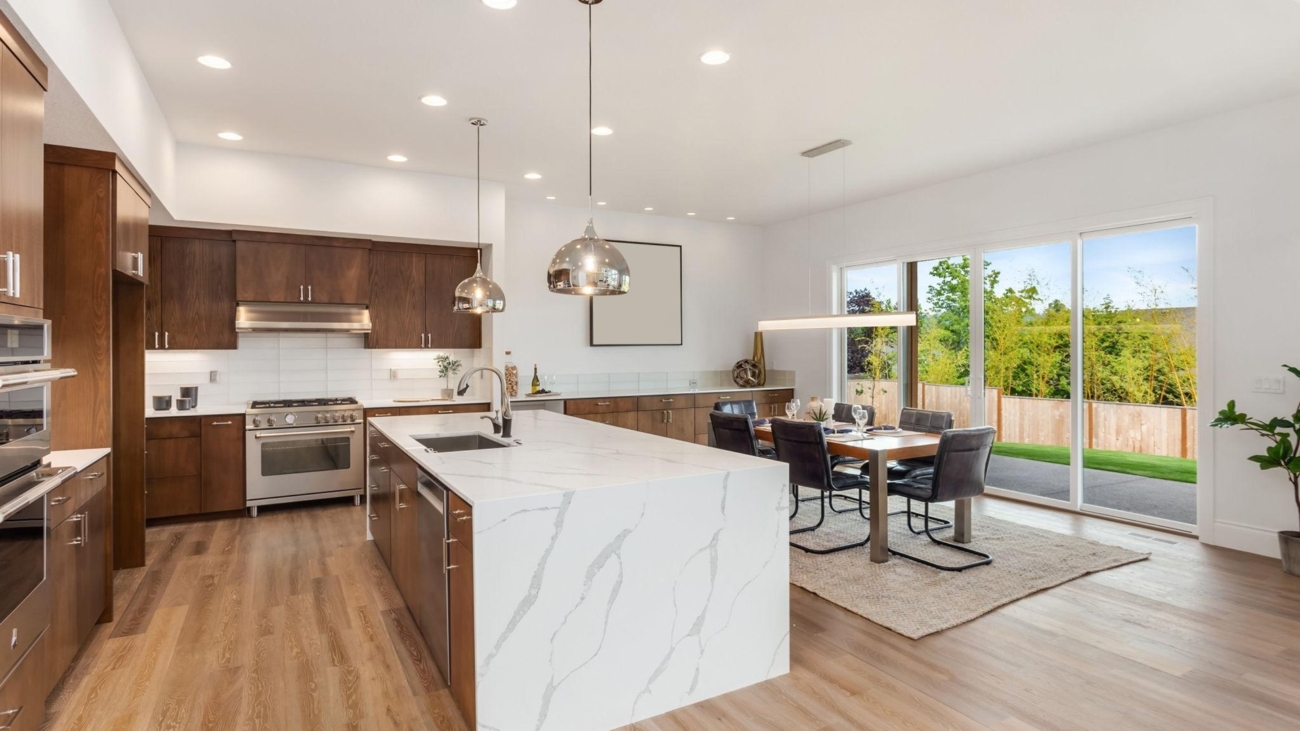
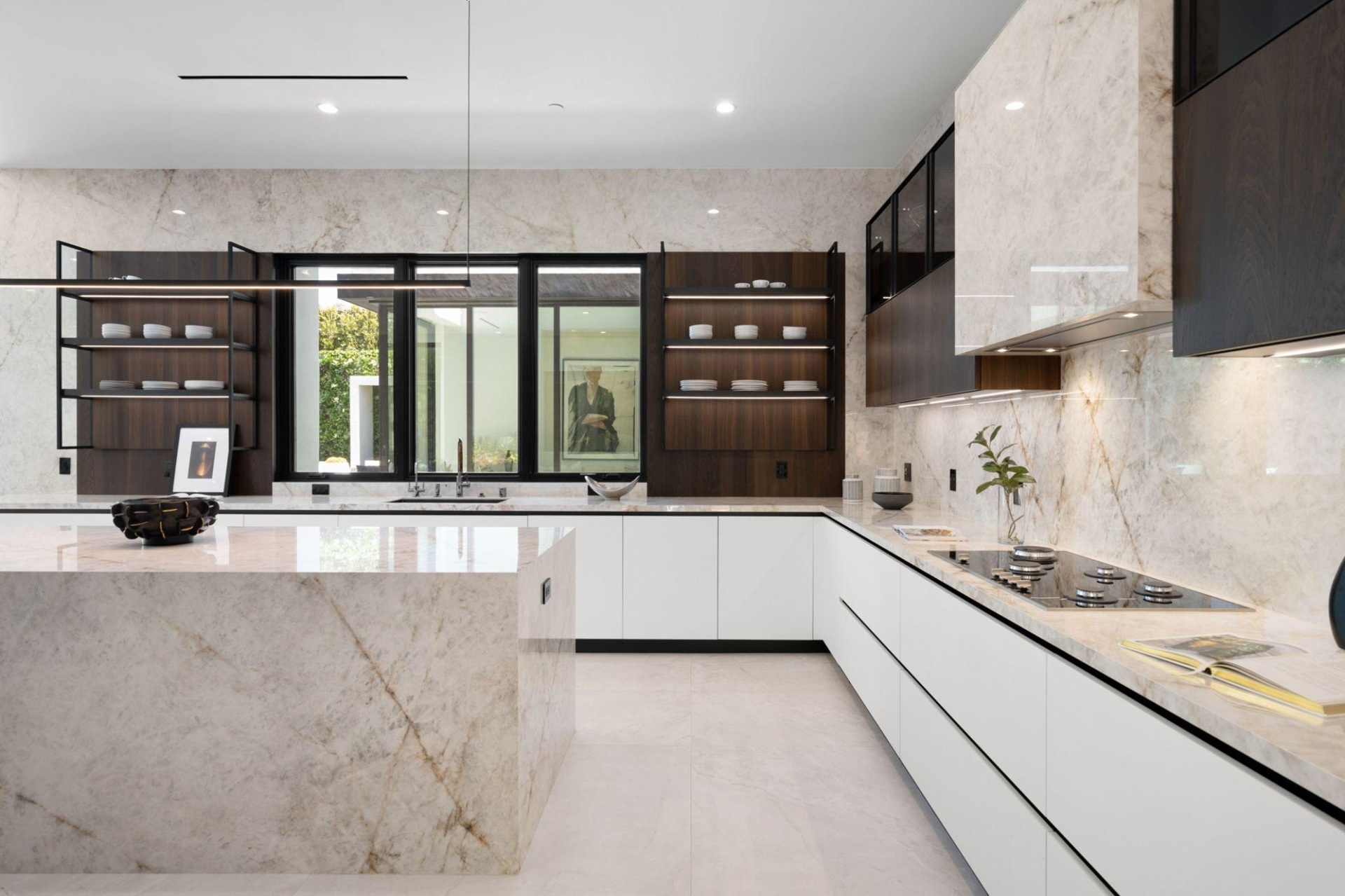
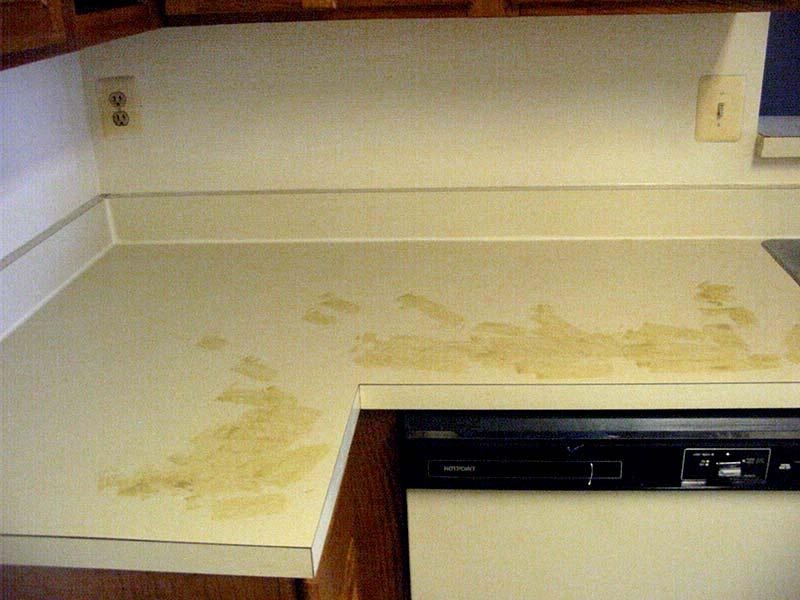
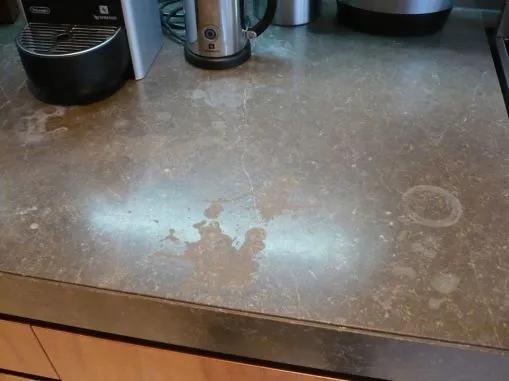
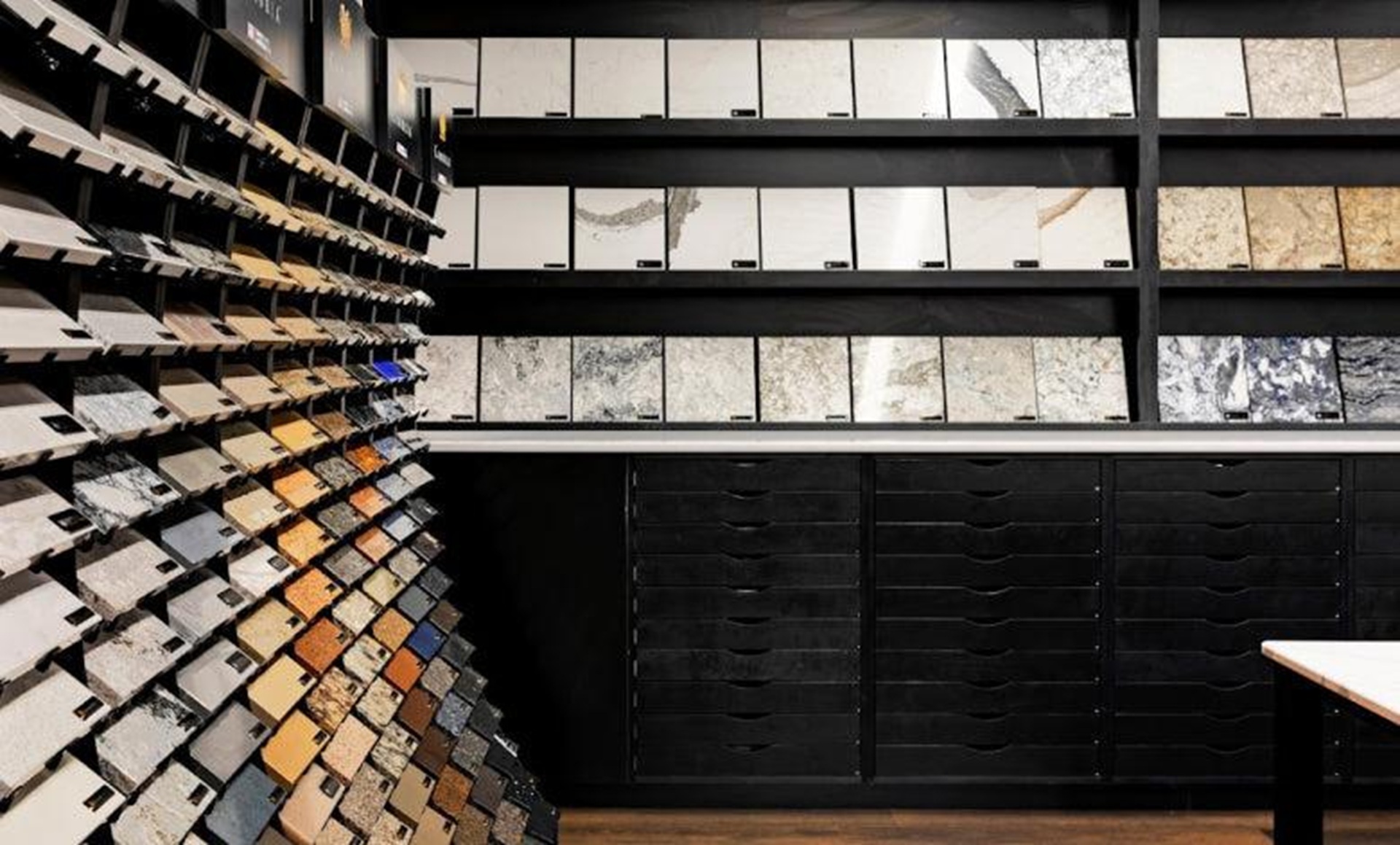
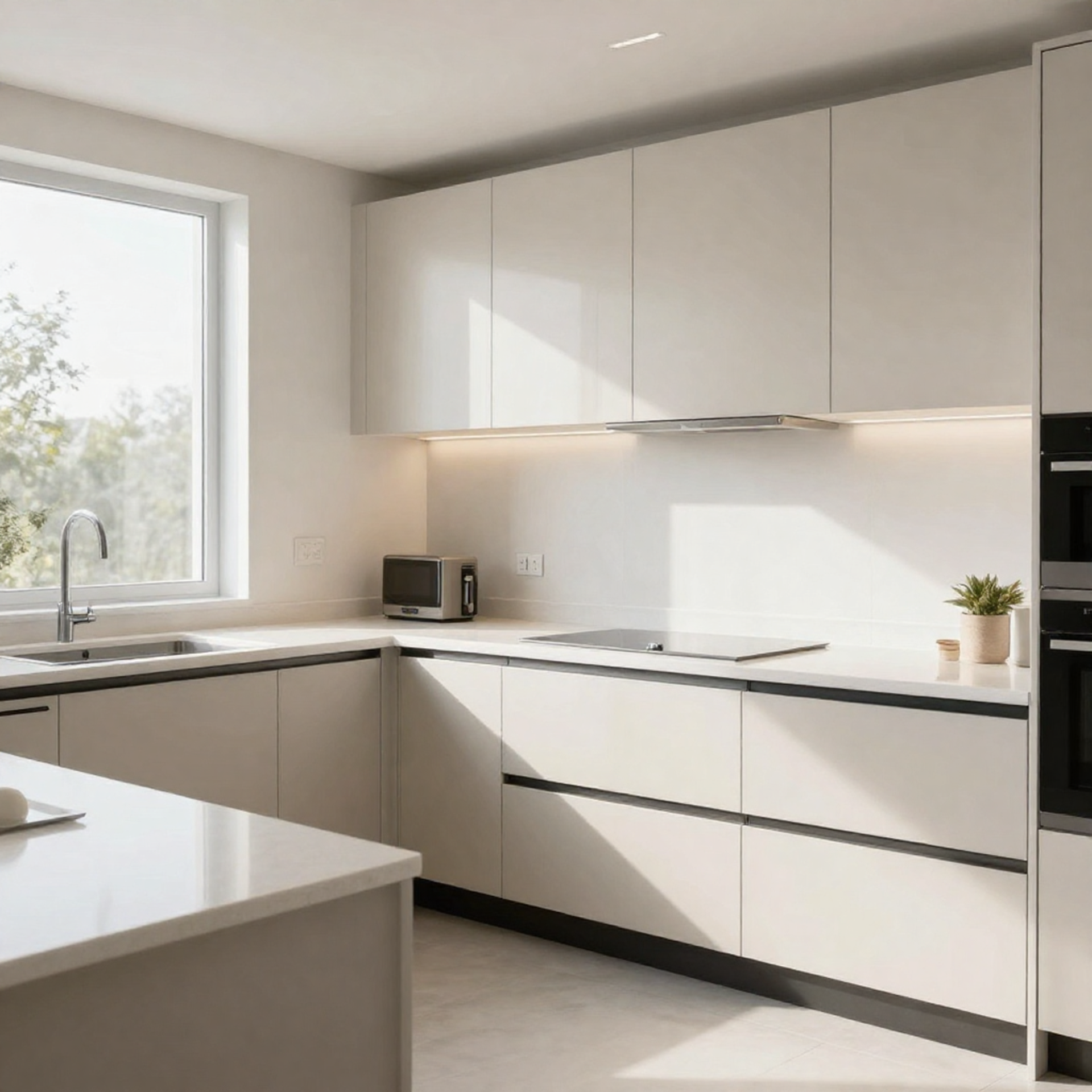
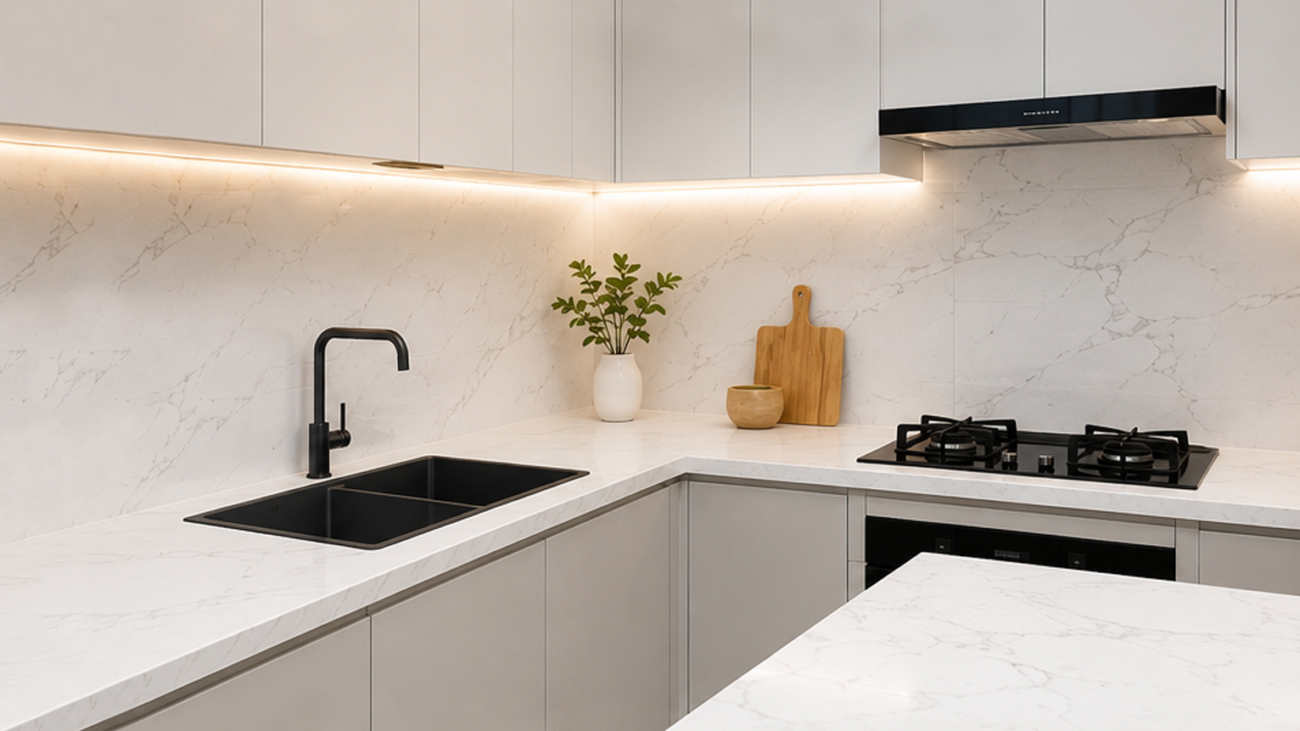
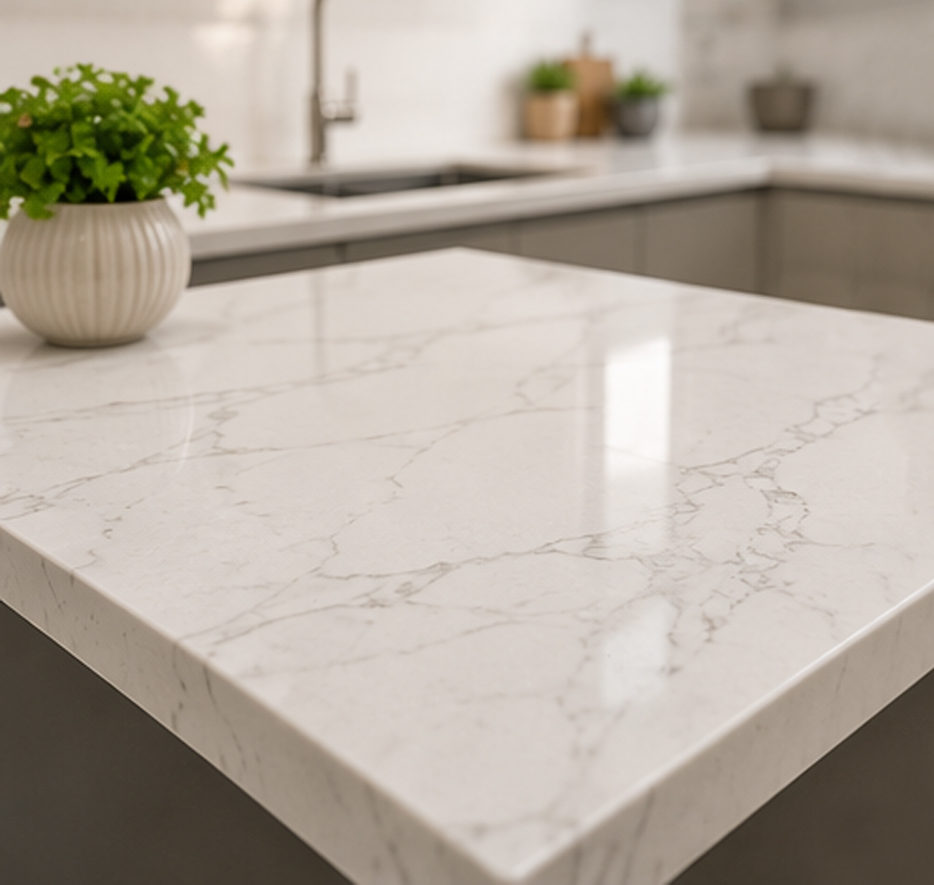
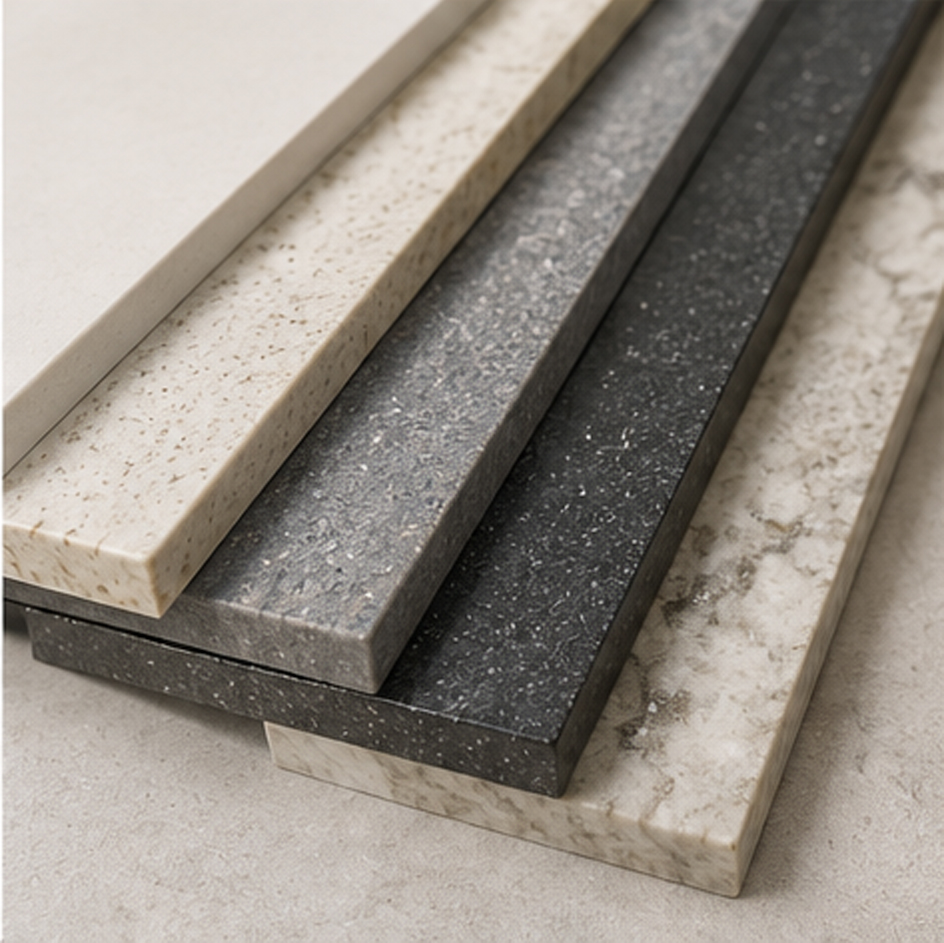
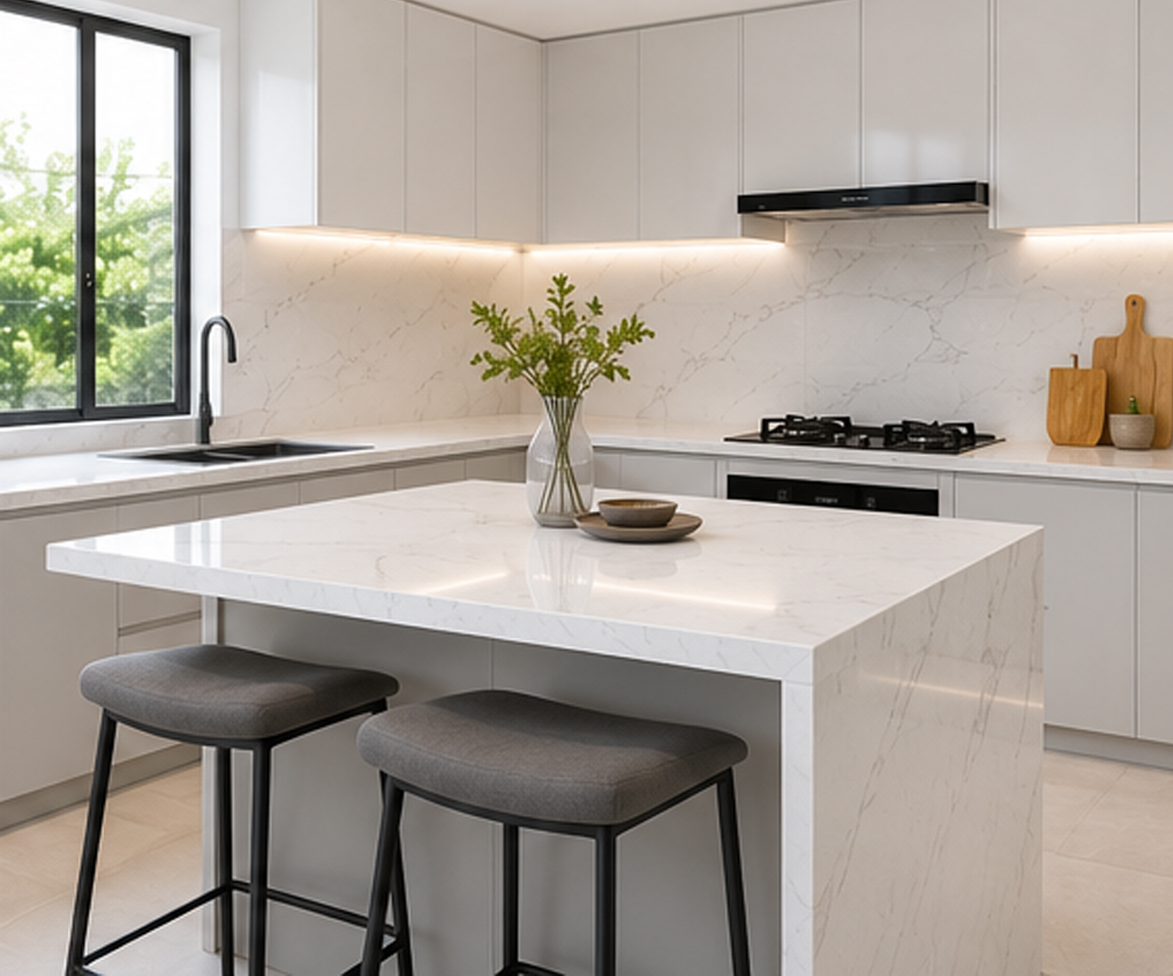
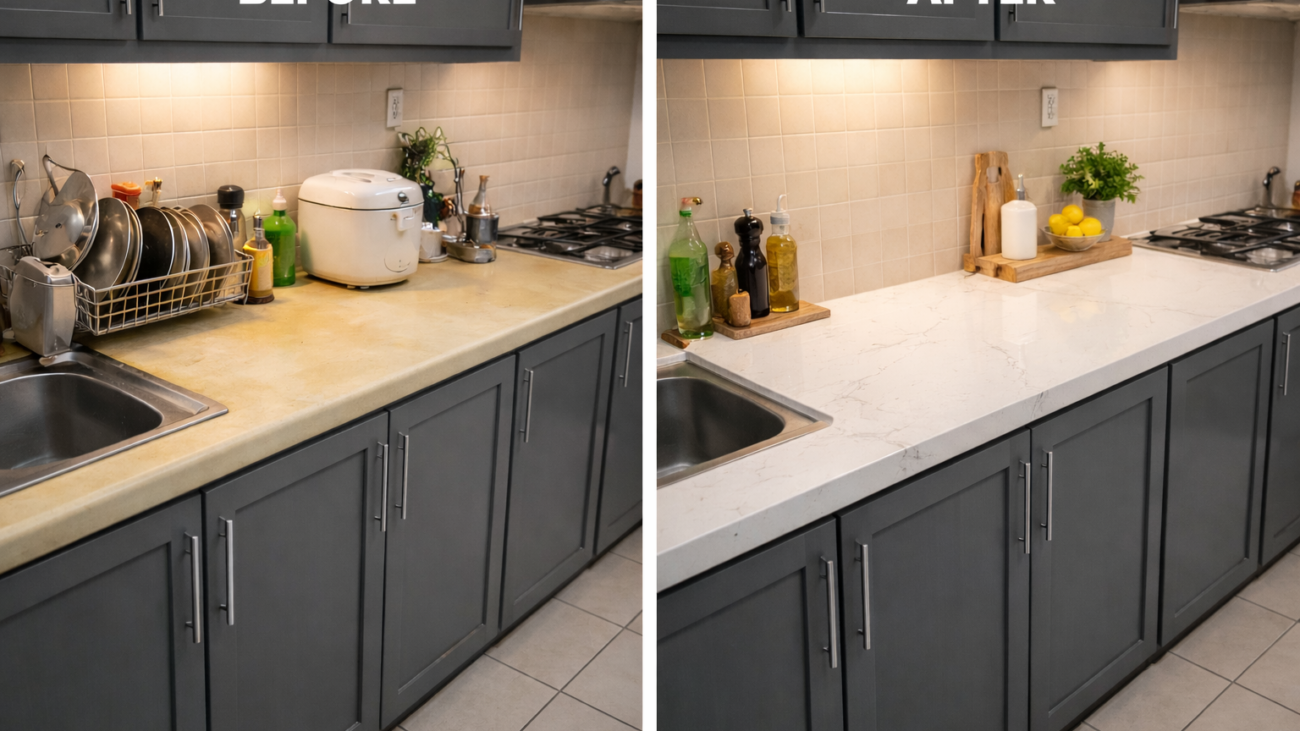
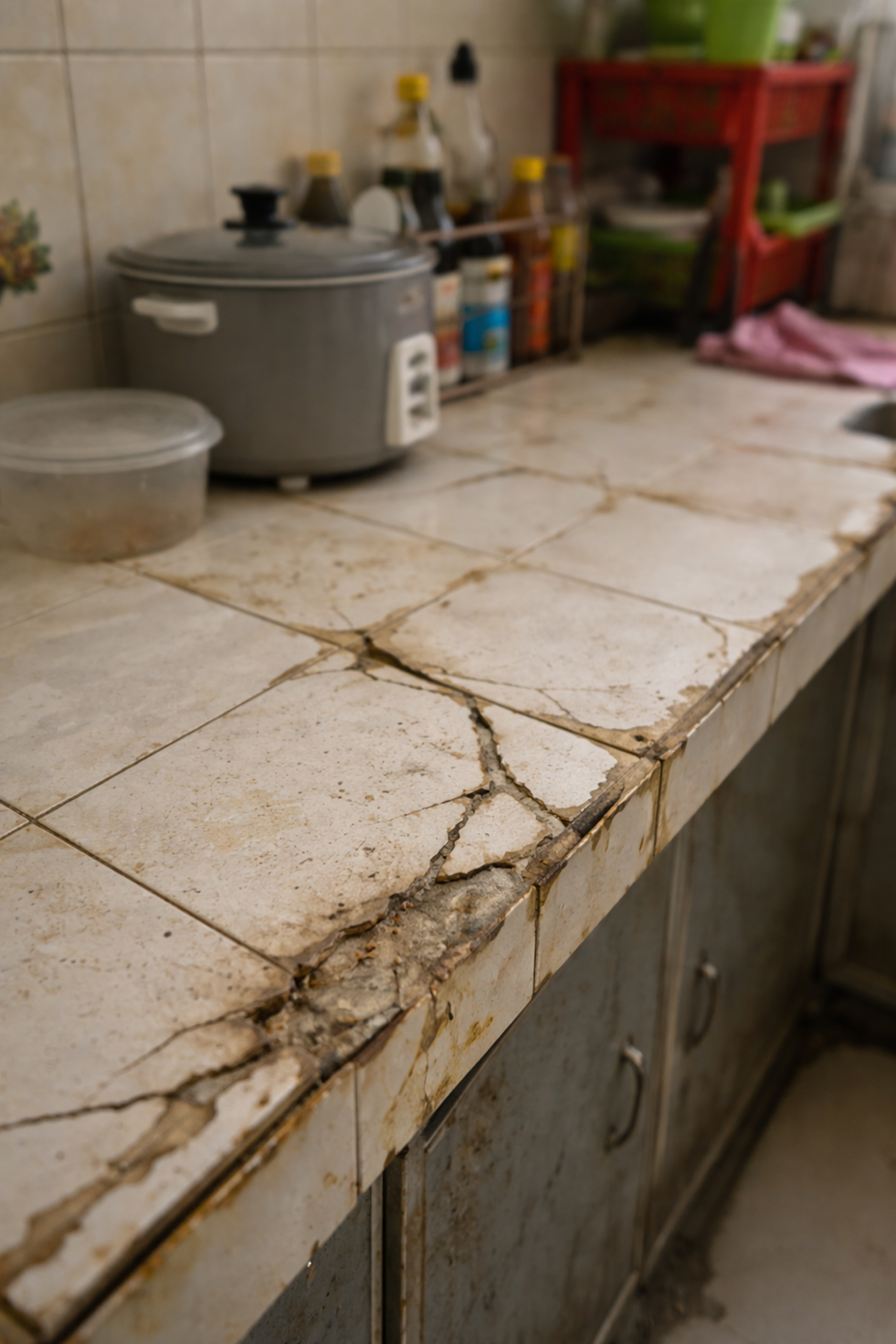
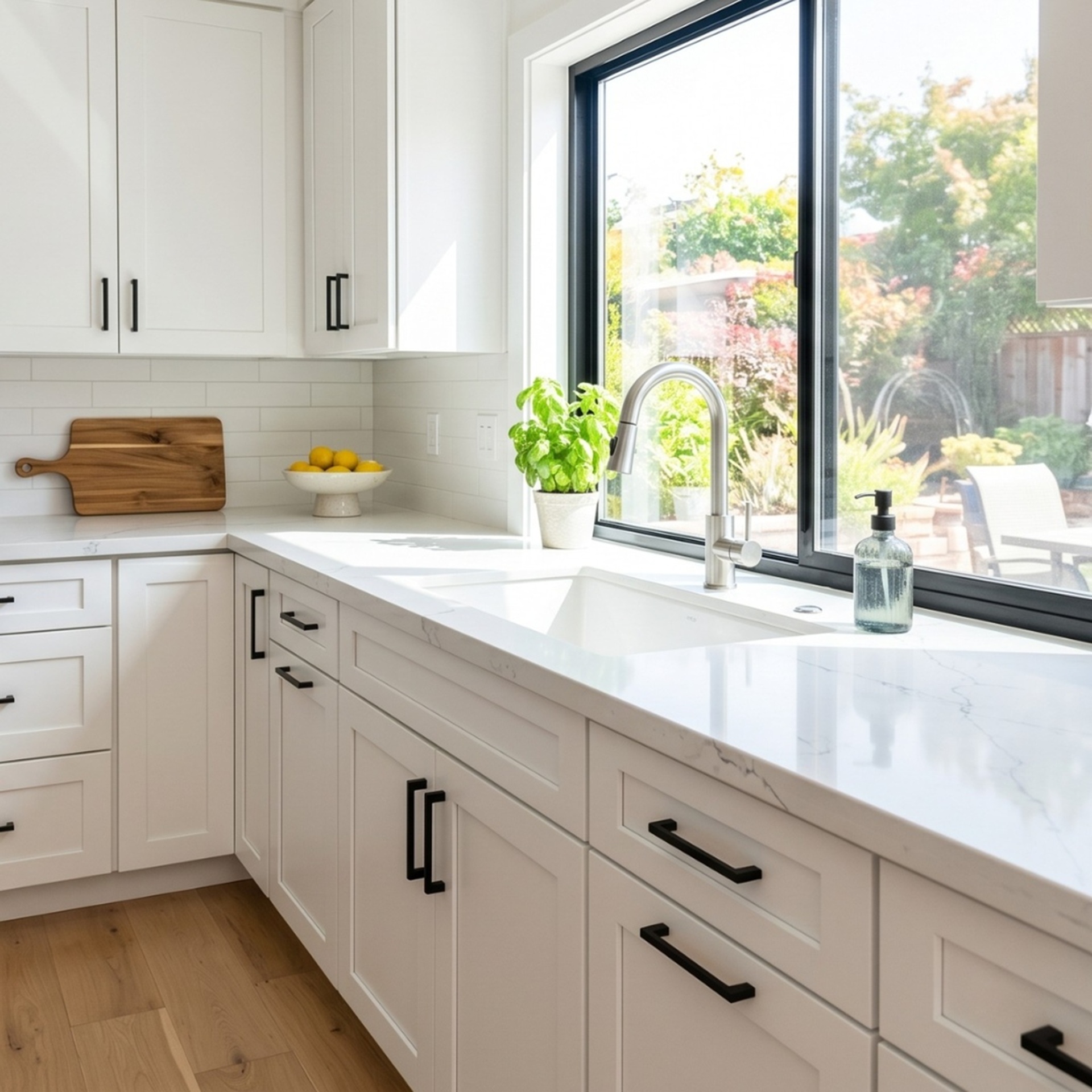
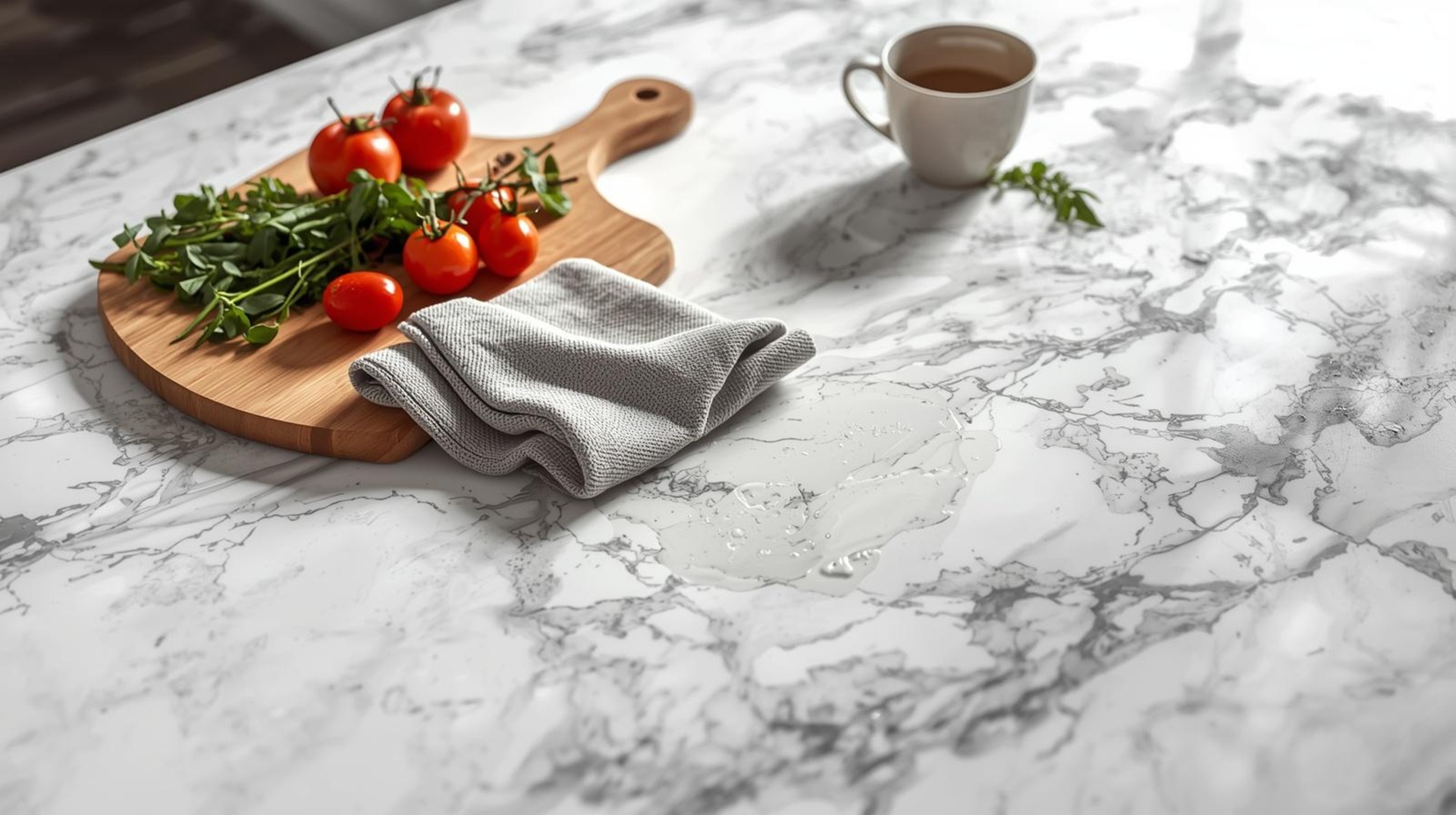
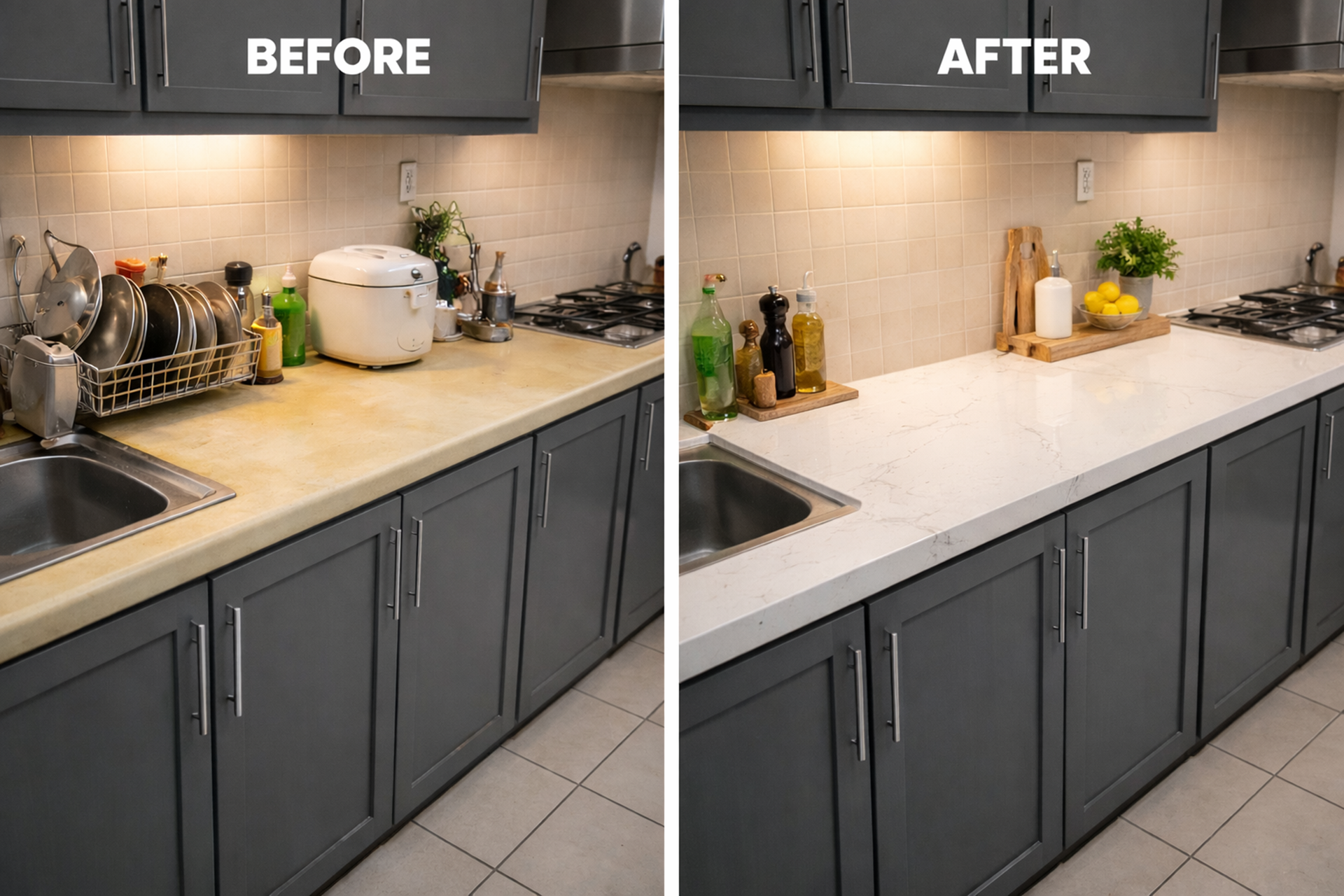
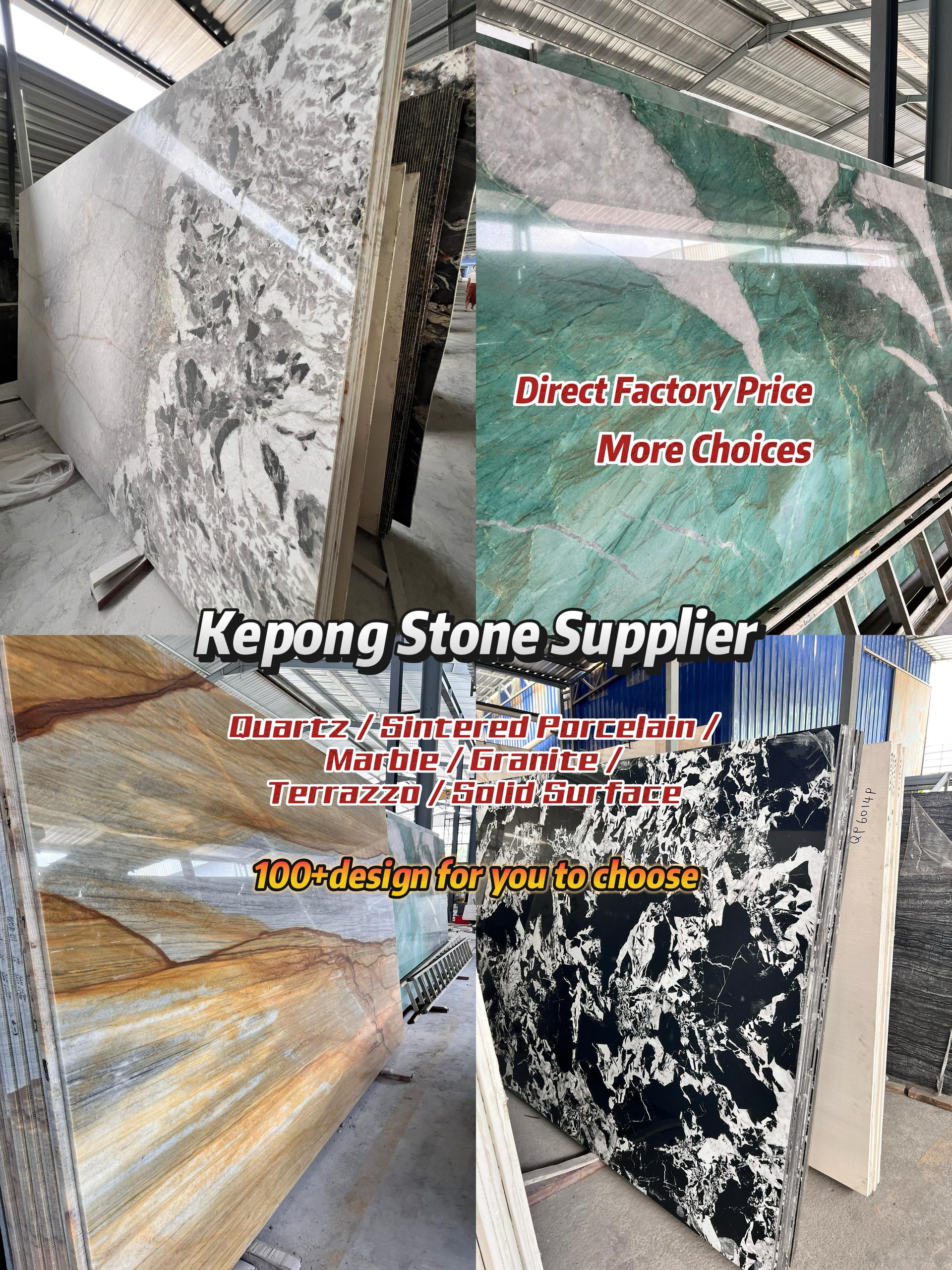
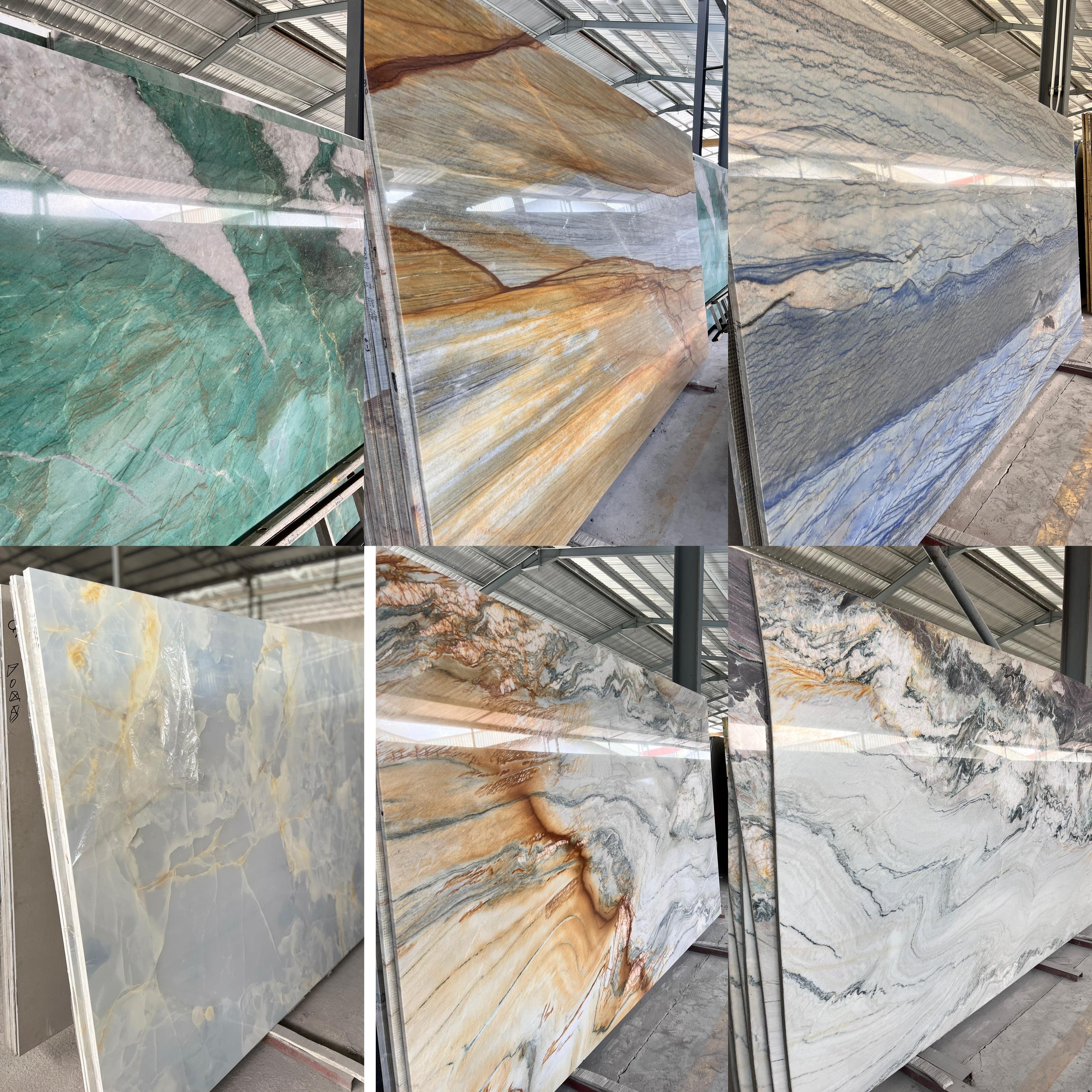
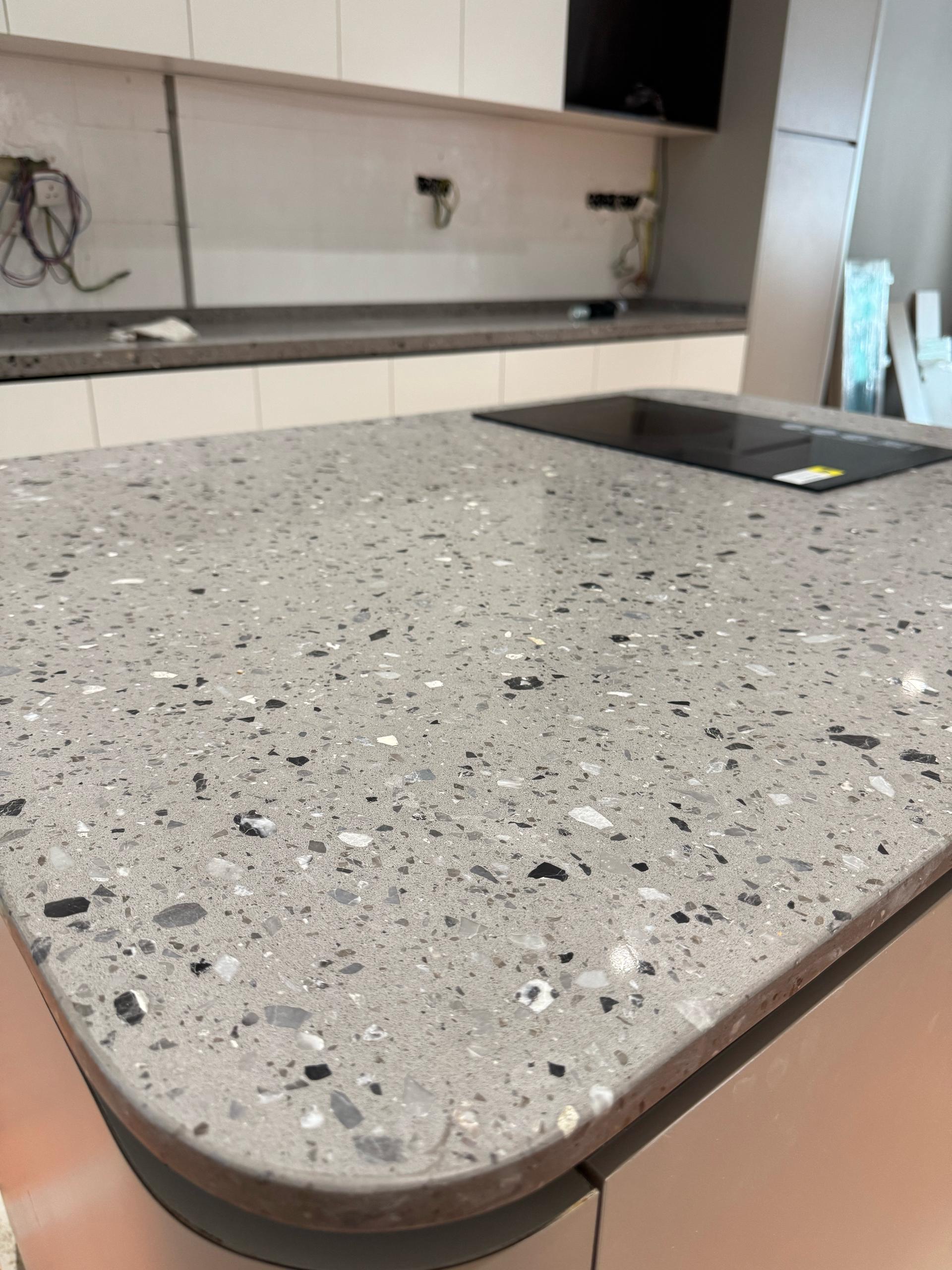
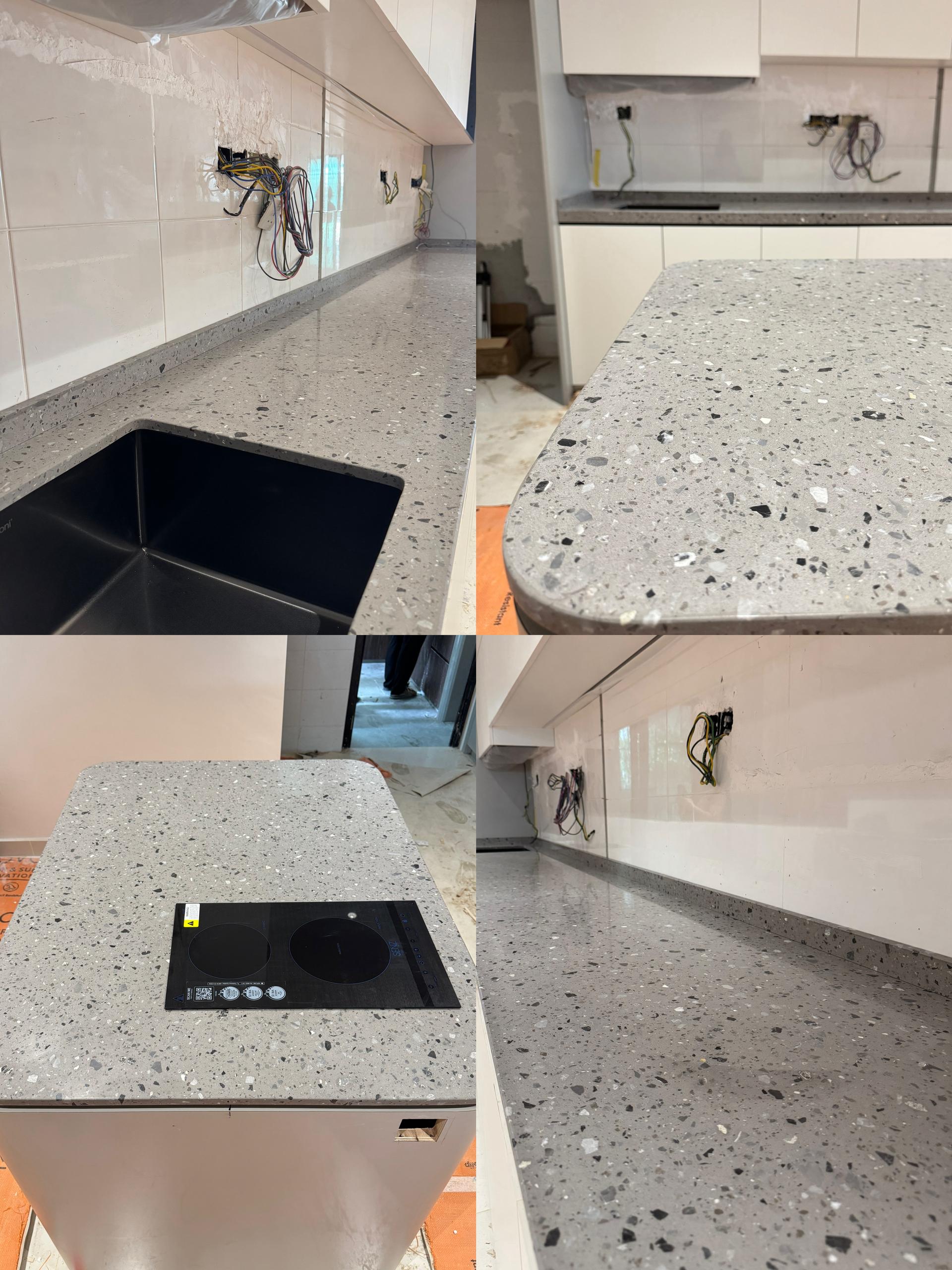
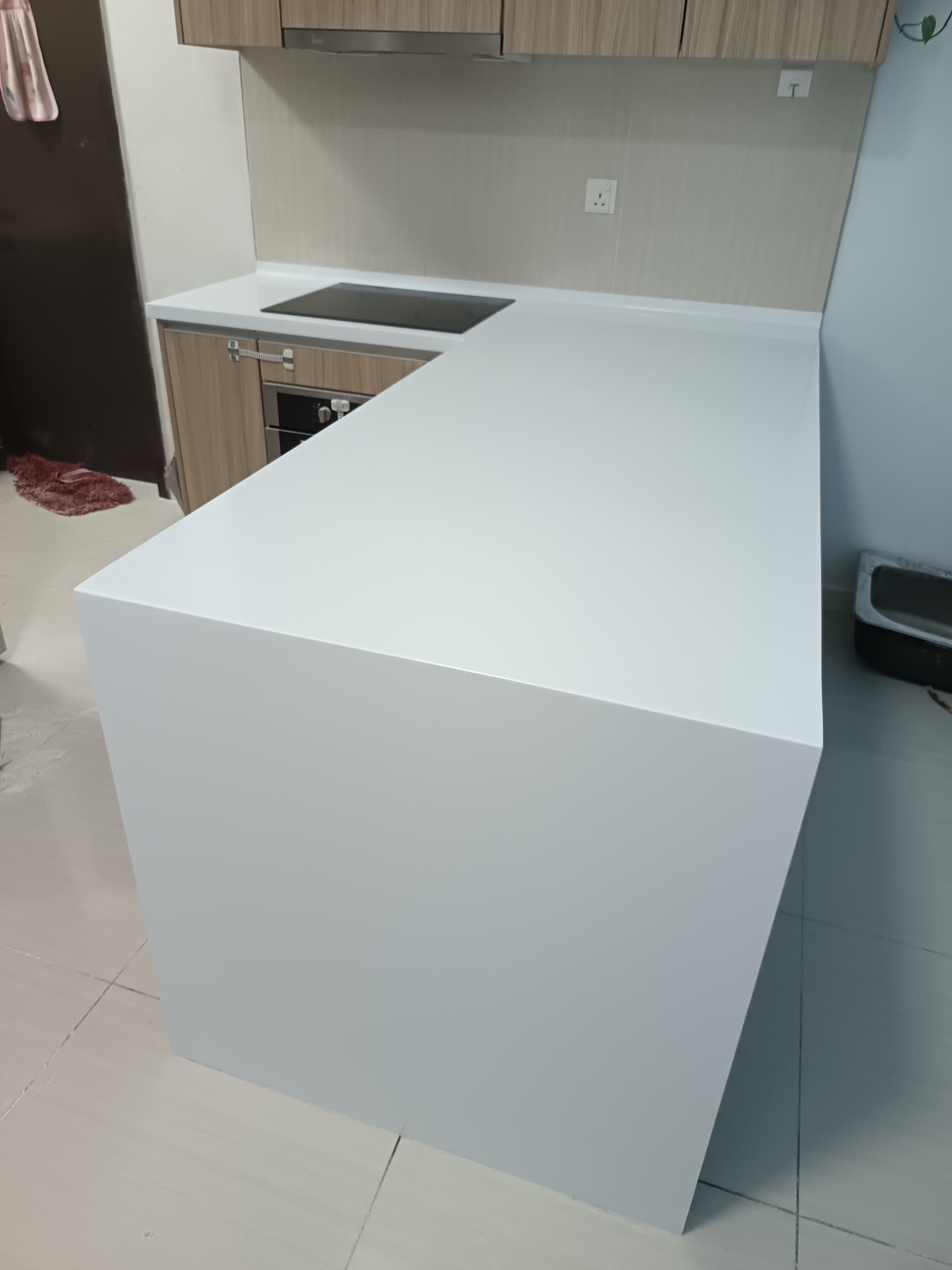
When planning a renovation, many homeowners spend hours choosing the perfect countertop color. The most common comment we hear is: “White countertops look beautiful.” And they do. A beautiful countertop can instantly elevate the look of a kitchen, bathroom, pantry, or commercial space. However, after moving in and using the space every day, most homeowners discover that color is rarely the reason for regret. The real regret often comes from choosing a countertop material that doesn’t suit their lifestyle.
Common Regrets After Choosing the Wrong Countertop
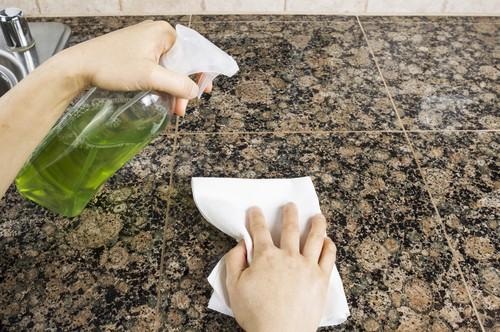
Difficult to Maintain
A countertop may look stunning on the first day, but daily maintenance is what truly matters.
Some materials require frequent sealing, special cleaning products, or extra care to prevent staining. For busy families and working professionals, high-maintenance surfaces can quickly become frustrating.
Durability Issues
Countertops are one of the most frequently used surfaces in a home.
Hot cookware, heavy kitchen appliances, food preparation, accidental impacts, and daily wear can all affect the lifespan of the material.
Choosing a surface that cannot withstand your daily usage may lead to chips, scratches, stains, or costly repairs in the future.
Doesn’t Match Your Lifestyle
Every household uses its space differently. A family with young children has different needs compared to a couple who rarely cooks.
Likewise, someone who prepares meals daily will require a different countertop solution than a homeowner who mainly uses the kitchen for light food preparation.
The best countertop is not necessarily the most expensive one—it’s the one that fits your lifestyle.
Doesn’t Complement the Overall Design
A countertop should work together with the cabinets, flooring, wall finishes, lighting, and overall interior concept.
Even a premium material can feel out of place if it doesn’t complement the surrounding elements.
A well-planned countertop creates visual harmony and enhances the value of the entire space.
Different Spaces Require Different Solutions
There is no single countertop material that suits every project.
Different environments have different requirements:
Families with children may prioritize durability and easy maintenance.
Heavy cooking households may need better heat, stain, and scratch resistance.
Open-concept kitchens often place greater emphasis on aesthetics and design consistency.
Commercial spaces such as restaurants, offices, hotels, and retail outlets may require higher durability and long-term performance.
Choosing the right countertop means understanding how the space will be used every day.
Look Beyond Appearance
A countertop is a long-term investment.
While appearance is important, factors such as durability, maintenance, practicality, and suitability should be considered before making a decision.
The right countertop should:
✔ Enhance your space aesthetically ✔ Match your daily lifestyle ✔ Provide long-term durability ✔ Remain easy to maintain ✔ Deliver value for years to come
Let Experience Guide Your Decision
With over 15 years of experience in supplying, fabricating, and installing countertop surfaces, we have helped homeowners, interior designers, contractors, and commercial clients choose solutions that balance both beauty and practicality.
Whether you’re considering Quartz Stone, Sintered Stone, Natural Marble, Granite, Solid Surface, or other premium materials, professional guidance can help you avoid costly mistakes and make a choice you’ll be happy with for years to come.
Need Professional Countertop Advice?
Every project is different, and every space deserves the right surface solution.
Contact our team today for expert consultation and material recommendations tailored to your lifestyle and project requirements.
What is the most durable countertop material?
Quartz stone and sintered stone are among the most durable and low-maintenance countertop options.
Which countertop is easiest to maintain?
Quartz countertops are popular because they are non-porous, stain-resistant, and easy to clean.
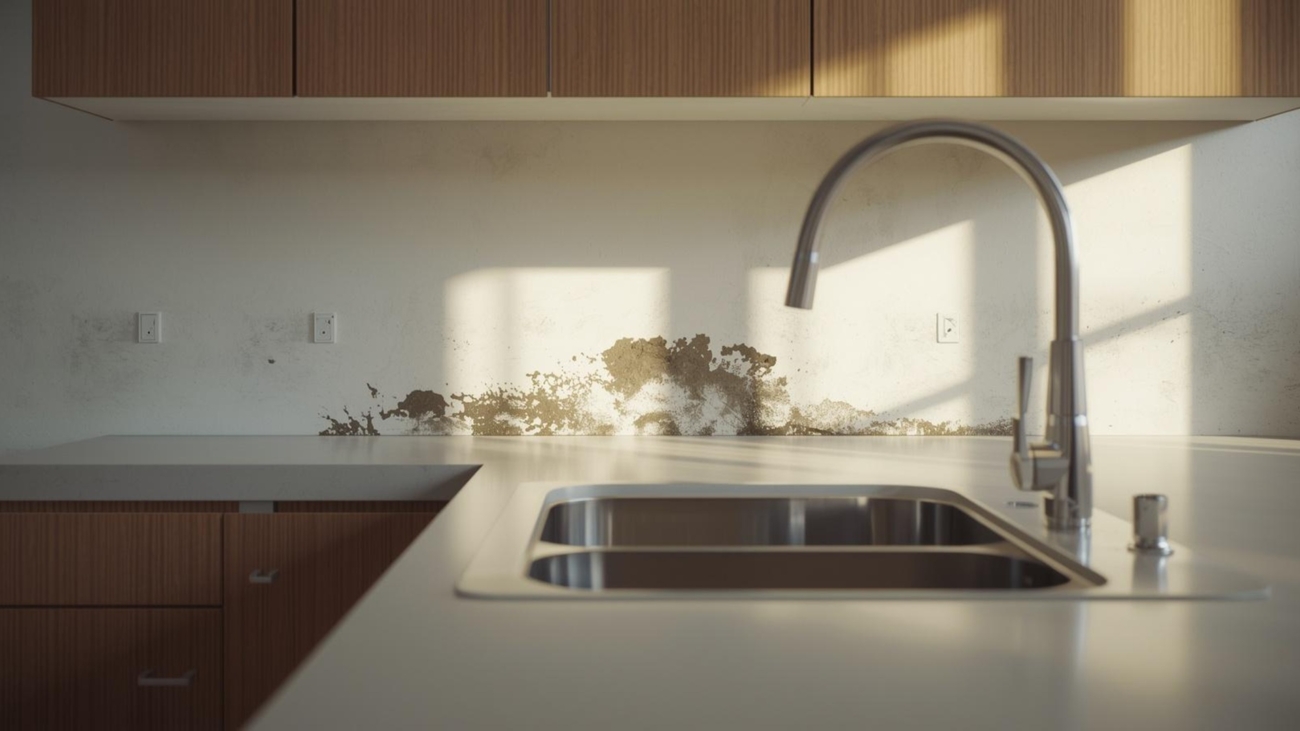
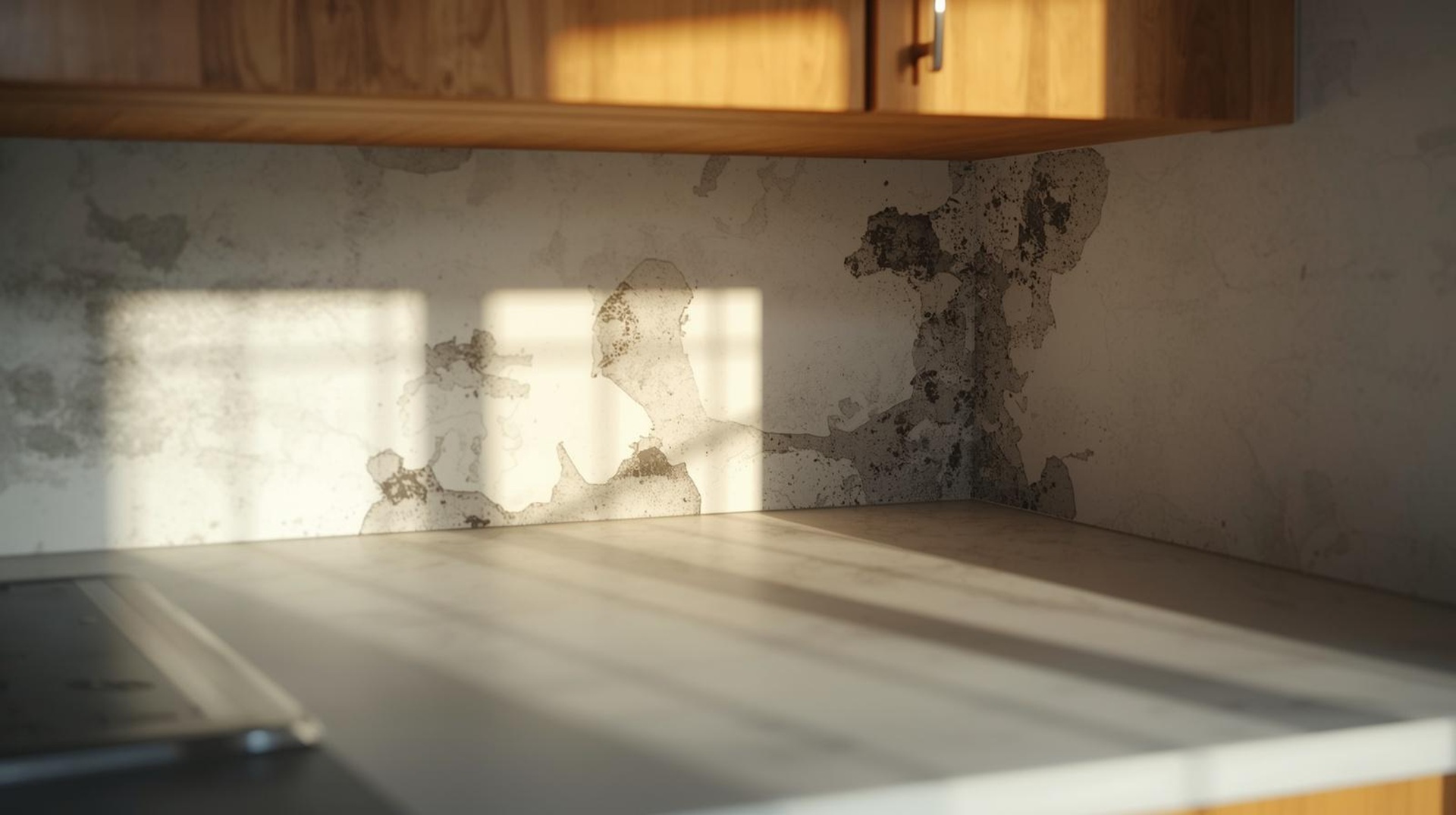
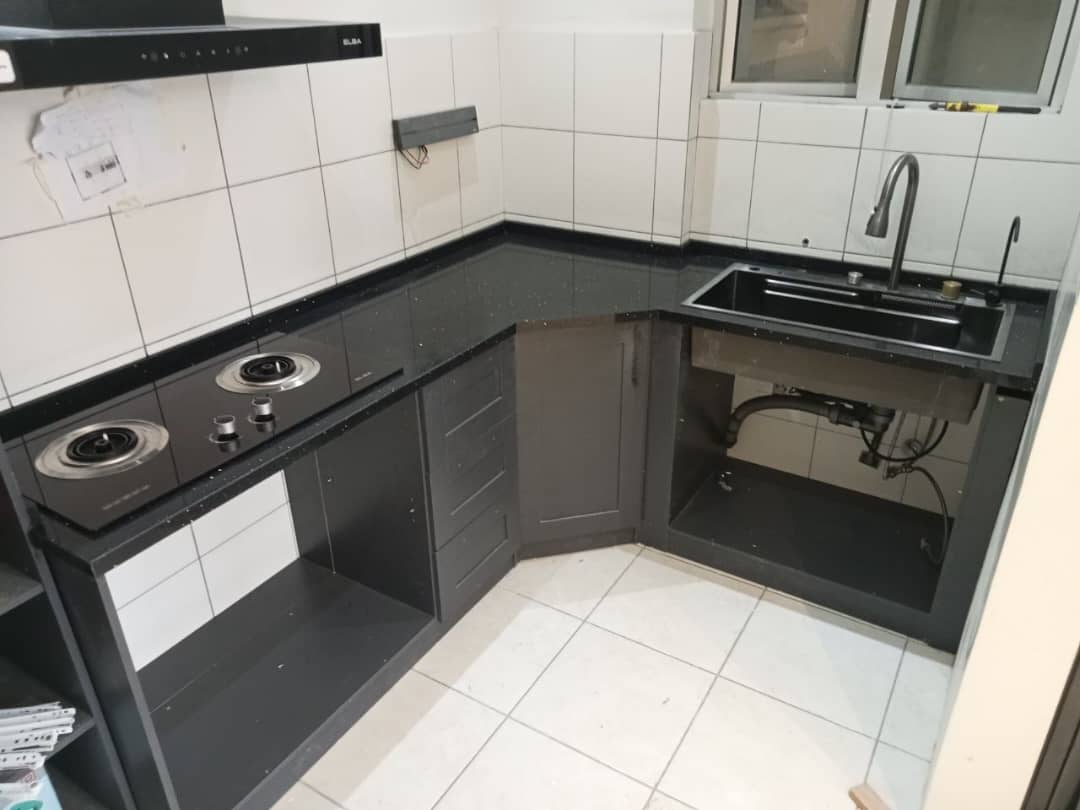
Kitchen mold problems often catch homeowners by surprise. Most people assume that water spills on countertops or sink areas are the main cause. However, the real reason kitchen cabinets become moldy is often hidden in the small details that are easy to overlook.
Kitchen cabinets constantly face heat, humidity, cooking steam, and moisture exposure. Over time, these conditions create an environment where mold can grow and spread. Understanding the causes of mold in kitchen cabinets can help homeowners prevent damage before it becomes an expensive repair issue.
Poor Ventilation Can Trap Moisture Inside Cabinets
One of the leading reasons kitchen cabinets become moldy is inadequate airflow.
Daily cooking activities release heat and steam into the kitchen. Without proper ventilation, moisture remains trapped and slowly accumulates around cabinets, especially in enclosed spaces.
Common signs of poor ventilation include:
Damp cabinet interiors
Musty odors when opening cabinet doors
Water condensation near cabinet edges
Small black or green spots appearing over time
Proper airflow and a reliable kitchen exhaust system can reduce moisture buildup significantly and improve overall kitchen conditions.
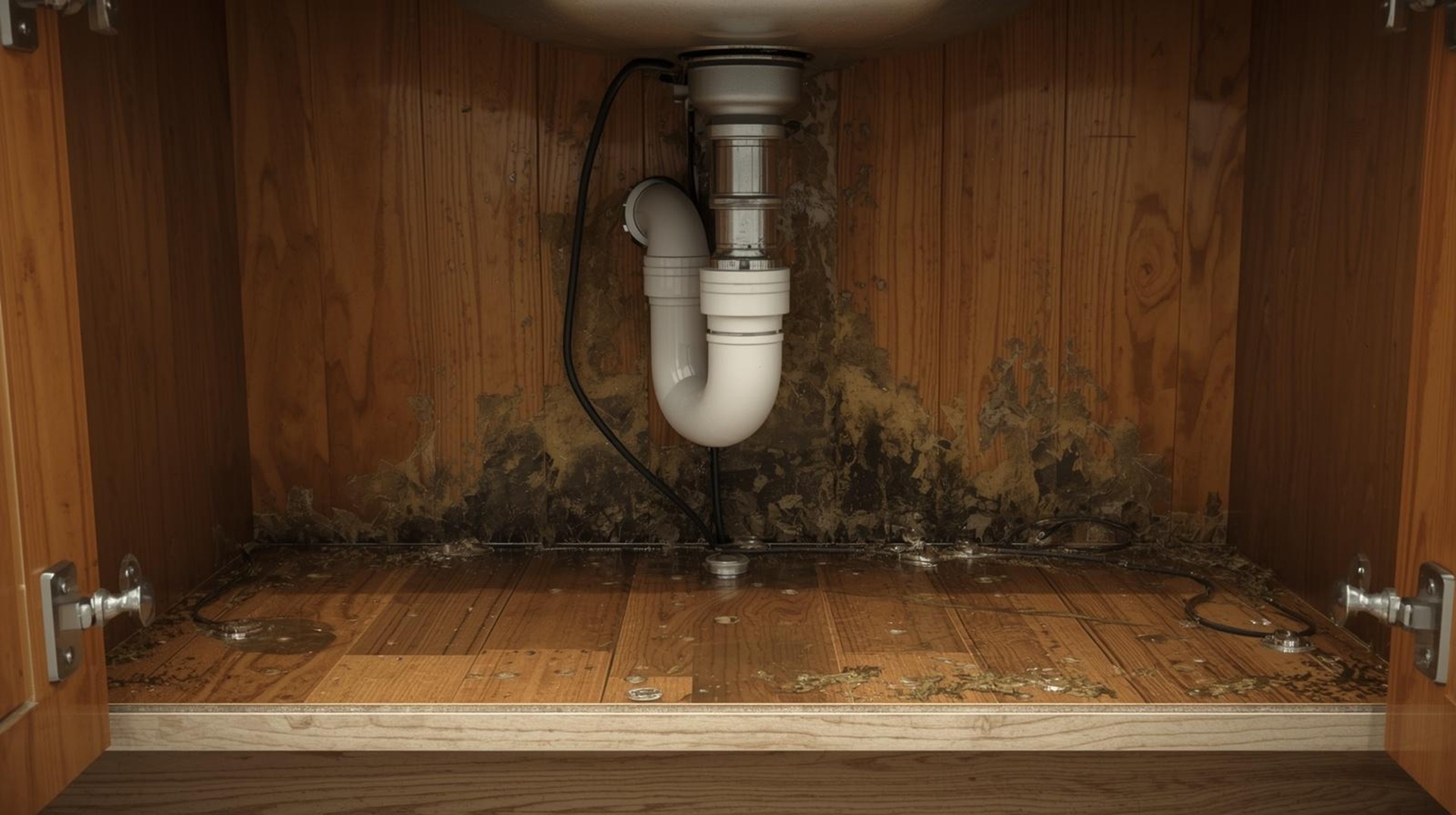
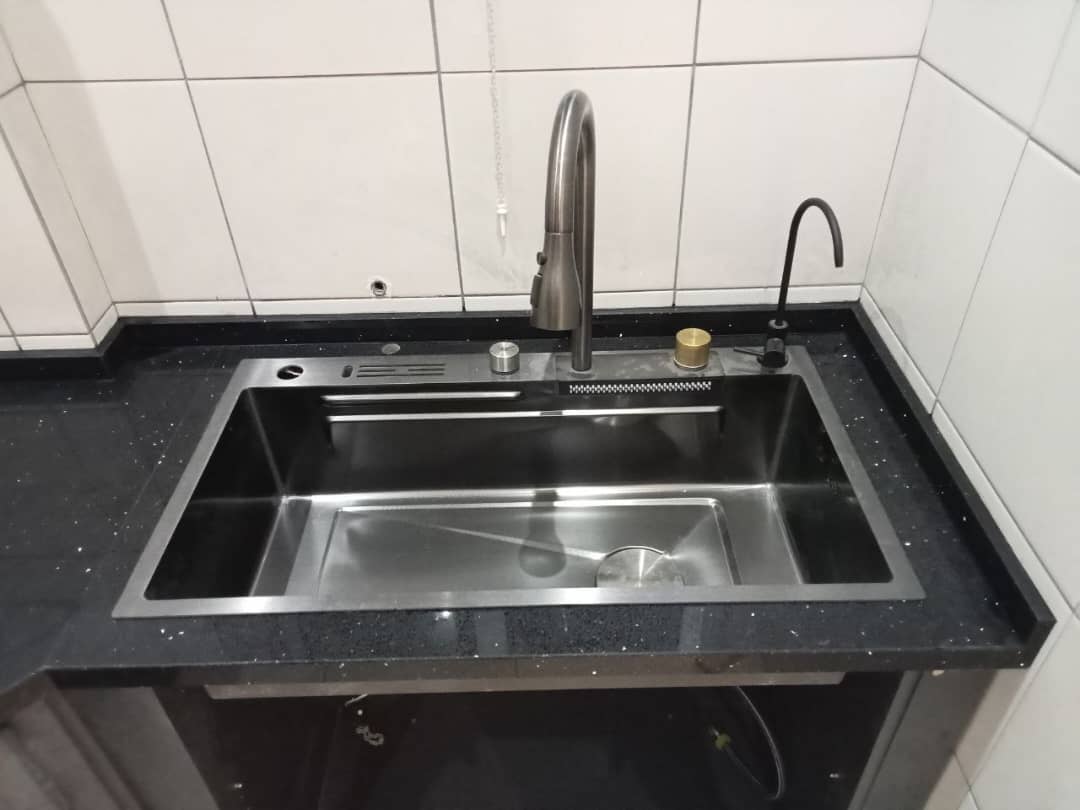
Hidden Water Leaks Under the Sink May Go Unnoticed
Many kitchen cabinet mold problems begin with leaks that homeowners never notice.
Small leaks beneath sinks or loose plumbing connections can continuously release moisture into enclosed cabinet spaces. Since these areas usually remain dark and poorly ventilated, mold growth can happen quickly.
Watch for these warning signs:
Water stains
Warped cabinet panels
Swollen wood surfaces
Persistent damp smells
Regular inspection can prevent long-term cabinet damage.
Cabinet Materials Affect Moisture Resistance
The type of material used for kitchen cabinets can influence how easily mold develops.
Lower-quality materials may absorb moisture faster and become vulnerable to swelling and fungal growth. Cabinets with moisture-resistant finishes generally perform better in humid environments.
Investing in quality cabinet materials can improve durability while reducing maintenance costs over time.
Indoor Humidity Can Become a Hidden Contributor
Sometimes the issue is not directly related to kitchen activities.
Homes located in humid environments often experience consistently high moisture levels. Kitchens with limited sunlight exposure or poor air circulation may face greater risk.
Simple ways to control indoor humidity include:
Using a dehumidifier
Improving air circulation
Opening windows regularly
Preventing standing water accumulation
Controlling humidity can greatly reduce the risk of mold in kitchen cabinets.
Daily Habits Can Create Long-Term Problems
Small everyday actions may contribute more to cabinet mold issues than expected.
Examples include:
Storing wet cloths inside cabinets
Closing cabinet doors immediately after washing dishes
Ignoring minor water spills
Leaving moisture around sink areas
Over time, these habits create ideal conditions for mold growth.
How to Prevent Mold in Kitchen Cabinets
Preventing mold is easier and less expensive than repairing damaged cabinets.
Follow these practical tips:
Keep kitchen ventilation systems functioning properly
Inspect plumbing regularly
Wipe moisture immediately
Use moisture-resistant cabinet materials
Monitor indoor humidity levels
Taking preventive measures today can protect both your kitchen appearance and long-term investment.
Final Thoughts
Kitchen cabinet mold rarely appears without a reason. While many people blame countertops or obvious water exposure, the true causes often come from hidden moisture sources and overlooked details.
Understanding what causes kitchen cabinets to become moldy can help create a healthier, cleaner, and more durable kitchen environment for years to come.
Why do kitchen cabinets get moldy even without visible water leaks?
Cabinets can develop mold due to humidity, trapped moisture, cooking steam, and poor ventilation even when no obvious leaks exist.
Can moldy kitchen cabinets be cleaned?
Surface mold can often be removed, but severe cases may require replacing damaged materials and fixing the moisture source.
How can I prevent mold in kitchen cabinets?
Improve ventilation, control humidity, repair leaks quickly, and use moisture-resistant cabinet materials.
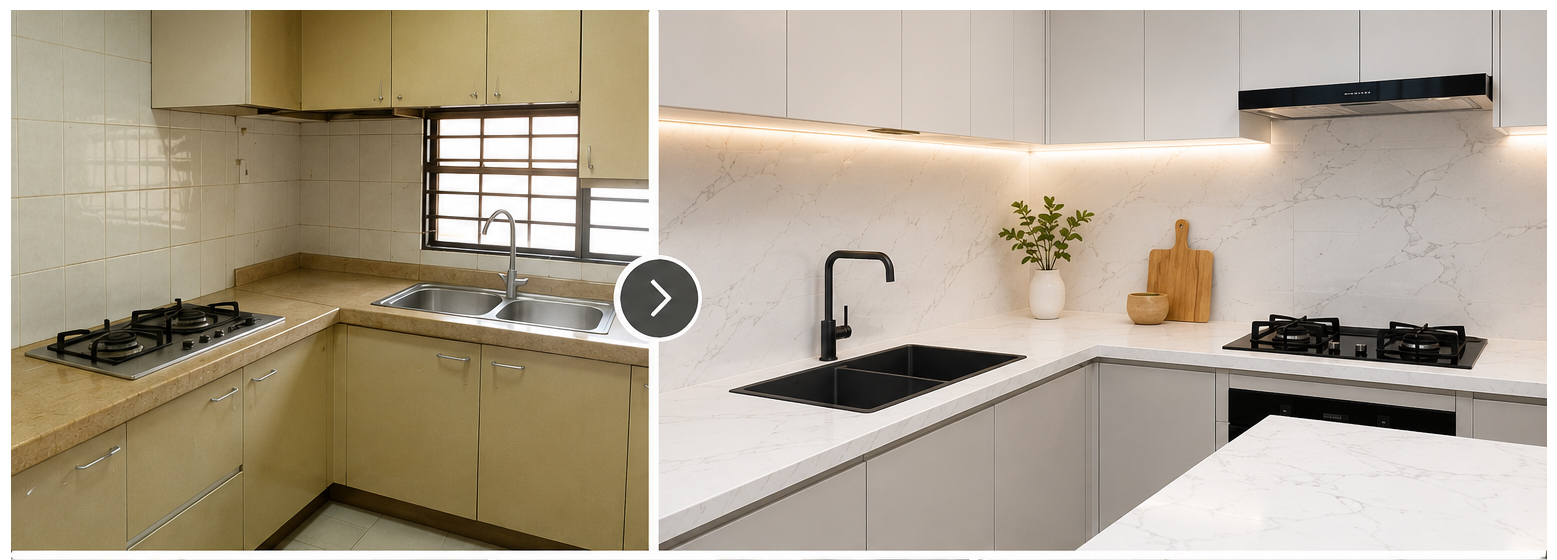
When a kitchen starts to look old or worn out, many homeowners immediately think:
“Do I need to renovate the whole kitchen?”
In many cases, the answer is actually no.
For most kitchens, the countertop is one of the most noticeable elements that affects both appearance and daily usability. When the countertop becomes stained, cracked, difficult to clean, or simply looks outdated, the entire kitchen can feel old.
But that doesn’t always mean you need a full renovation.
Why More Homeowners Are Choosing to Replace Only the Countertop
1. Lower Cost
Compared to a full kitchen renovation, replacing only the countertop can significantly reduce unnecessary renovation and demolition costs.
If your kitchen cabinets are still in good condition, there may be no need to replace everything.
2. Faster Installation
A full kitchen renovation can take weeks or even longer.
Replacing a countertop usually requires much less time, minimizing disruption to daily life.
3. Big Visual Improvement
In many cases, simply changing the countertop can dramatically improve the overall look and feel of the kitchen.
The right material, texture, and color selection can make a huge difference.
Common Mistakes People Make When Choosing a Countertop
Besides appearance, durability is equally important.
Choosing the wrong material may lead to problems after a few years, such as:
Staining
Cracks
Surface wear
Difficult maintenance
That’s why choosing the right countertop should not only depend on budget, but also on your lifestyle and daily usage needs.
Professional Advice Matters More Than You Think
Many customers tell us after upgrading:
“We wish we had known this earlier.”
Getting proper professional advice can help avoid unnecessary replacement costs and future problems.
Solid Top Sdn Bhd
With over 15 years of experience, we specialize in kitchen countertops, worktops, and bathroom countertops for residential and commercial spaces.
✔ Factory direct supply ✔ Wide range of color choices ✔ Installation within 5–7 working days ✔ 5-year warranty
If you are considering upgrading your kitchen, feel free to contact us for professional advice and suitable solutions.
Let’s be honest. Are you absolutely sick and tired of looking at that kitchen you built years ago? The countertop is yellowing, stained, scratched, or maybe it even has a hairline crack that drives you crazy every single time you walk in.
But when you think about a “kitchen renovation,” what’s the first nightmare that pops into your head?
❌ Hiring contractors, tearing out all your cabinets, and living in a construction warzone for weeks.
❌ Endless dust covering your entire home, and not being able to cook a proper meal for days.
❌ A massive budget that always seems to spiral out of control.
Listen to me: Stop stressing yourself out! It’s 2026. Smart homeowners do not do this anymore. If your underlying cabinet structures are still perfectly solid and it’s just the surface that’s ruined or outdated, you absolutely do not need to tear down the whole house.
80% of Your Kitchen’s Value and Look Comes Down to ONE Thing
Let’s look at the facts. What is the first thing you see when you step into a kitchen? What is the surface that takes 90% of the daily beating from prepping, chopping, and cooking?
It’s the countertop.
The countertop is the “face” of your kitchen. If your base cabinets are still sturdy and structurally sound, ripping them out is just throwing money out the window. What you actually need is a precision countertop upgrade. Think of it like putting on a perfectly tailored premium suit—you don’t need to change your bones to look ten times more expensive instantly.
Why “Countertop-Only” Upgrades are Winning Right Now
This is the smarter approach nobody tells you about: Keep your existing cabinets, but replace the top with premium stone (like high-density Quartz, Sintered Stone, or seamless Solid Surface).
Here is exactly why this strategy wins every single time:
⚡️ Mind-Blowing Speed (5 to 7 Days): A traditional, full-blown kitchen remodel takes weeks or even a month. A precision countertop replacement? From exact measurement and factory fabrication to final on-site installation, it takes just 5 to 7 days. The actual installation on-site takes only a few hours! Your dinner plans won’t even be disrupted.
💰 Maximize Your Budget: Stop wasting hard-earned cash on hacking walls, disposing of perfectly good wood, or rewiring plumbing. Save that money and invest 100% of it into premium stone that you will touch and use every single day. You spend way less overall, but get a much more luxurious look.
Zero Mess, Zero Stress: No thick clouds of dust, no loud drilling for weeks, and absolutely no need to move out of your home. Your daily routine stays 100% untouched.
Which Material Fits Your Vibe?
Stop settling for cheap, porous materials that stain the moment a drop of coffee hits them. If you’re going to upgrade, do it right the first time:
Want Modern Luxury & Heat Resistance? Go for Premium Sintered Stone. It delivers that ultra-sleek, high-end European aesthetic that instantly elevates the room.
Want Incredible Durability & Stain Resistance? Go for High-Density Quartz. It’s highly scratch-resistant, non-porous, and perfect for heavy-duty cooking. You can’t go wrong with this one.
Want a Completely Seamless, Clean Look? Go for Solid Surface. It allows for seamless joints and integrated sinks, making it an absolute dream for cleaning and maintenance.
Final Verdict & Call to Action
Stop putting up with a sticky, stained, and outdated kitchen countertop. And stop believing the old myth that you have to break the bank to get a beautiful home. There is a faster, cleaner, and much more cost-effective way staring you right in the face.
💡 Want to see how your kitchen could look with just a premium countertop upgrade?
We don’t do fluff; we deliver with speed and precision. Click “Contact Us” below or drop your location in the comments, and let our team transform your kitchen in just 5 to 7 days!
In summary, premium MarbleQuartz surfaces—ranging from striking compress marble reception counters to inviting quartz stone lounges and functional quartz stone meeting room tables—are shaping modern workspaces. Compress marble counters make a memorable first impression with their sculptural forms and durability. Quartz lounges blend comfort and resilience, offering stain‑resistant surfaces ideal for high‑traffic breakout areas. Quartz meeting tables promote collaboration and long‑term performance, with engineered surfaces that resist scratching and bacterial growth. Backed by a one‑stop supply chain and rapid response times, our brand delivers turnkey MarbleQuartz solutions that align with sustainability goals and flexible service models—ensuring every corporate installation is efficient, eco‑friendly, and on‑brand.
A Legacy of Innovation
Crafting Timeless First Impressions
For nearly two decades, our passion for MarbleQuartz has driven us to redefine reception spaces with cutting‑edge compress marble reception counters. By mastering compression technology—melding marble aggregates under extreme pressure and heat—we produce counters that are not only visually stunning but also exceptionally robust. These bespoke reception pieces cultivate an unforgettable first impression, reflecting your company’s heritage of excellence. Our in‑house design studio collaborates directly with clients, ensuring every sculptural curve and monolithic slab aligns with corporate aesthetics and branding goals. This deep commitment to innovation, combined with our direct factory model, allows us to maintain competitive pricing without compromising on quality. As pioneers in engineered stone, we continue to invest in R&D, adopting the latest CNC machining and surface‑treatment processes to elevate the compress marble reception counter into an art form—one that welcomes guests with elegance and durability.
Why Office Countertops Matter More Than You Think
Beyond Aesthetics – The Role of Surfaces in Workplace Efficiency Office countertops are more than just functional surfaces—they shape productivity, reflect brand identity, and influence employee morale. A well-designed workspace with durable, stylish countertops can reduce distractions and foster creativity. Studies show that employees in aesthetically pleasing environments report 15% higher job satisfaction. But how do you choose the right material? The answer lies in balancing durability, maintenance, and design versatility. For example, natural stone like granite offers timeless elegance, while quartz provides a low-maintenance alternative.
Question:Why invest in high-quality office countertops? Answer: Quality countertops enhance durability, reduce long-term replacement costs, and create a professional atmosphere that aligns with your company’s values.
Transformative Reception Spaces
Sculptural Design Meets Practical Performance
A reception area sets the tone; a compress marble reception counter becomes both a functional desk and a dramatic focal point. Compress‑marble technology produces ultra‑dense surfaces that resist chipping, staining, and impact—perfect for high‑traffic entryways. Our signature counters range from minimalist white blocks to textured finishes that evoke natural stone, allowing seamless integration with your lobby’s architectural language. Beyond aesthetics, we reinforce every installation with steel‑subframes and precision anchoring to ensure long‑term stability. Whether your lobby demands a floating cantilever or an L‑shaped welcome desk, our expert installers can handle complex layout requirements with millimeter‑level accuracy. By combining bespoke design with industrial‑grade durability, our compress marble reception counters not only captivate visitors but also stand up to daily wear—ensuring your brand’s entrance remains as impressive on day 1,000 as on day one.
Best Materials for Office Countertops
Granite, Quartz, and Solid Surface – Which Reigns Supreme? When selecting materials, prioritize durability and ease of maintenance. Granite is a natural stone prized for its heat resistance and unique veining, though it requires annual sealing. Quartz, an engineered stone, is non-porous and scratch-resistant, ideal for high-traffic offices. Solid surface materials like Corian® offer seamless designs and easy repairs, perfect for collaborative spaces.
Comfort, Style, and Quartz Stone Lounge Innovation
Breakout zones and lounges demand surfaces that invite relaxation yet endure daily use. Enter the quartz stone lounge—engineered quartz slabs tailor‑cut into communal tables, low bars, and side consoles that resist stains, bacteria, and scratches. With non‑porous characteristics, quartz requires no sealing and provides a hygienic, easy‑clean finish ideal for coffee spills or catered events. Design options include waterfall edges, integrated LED light channels, and flush‑mount receptacles, enabling lounges to double as collaborative hubs or casual meeting spots. Color and pattern selection draw from top trends—from warm, earthy hues to bold, veined styles—ensuring each quartz stone lounge complements furniture palettes. By leveraging our direct‑to‑project supply chain, we guarantee rapid prototyping and on‑time installation, turning your vision of an inviting lounge into a reality that boosts employee wellness and brand cohesion.
Meeting rooms deserve surfaces as professional as the people who gather around them. Quartz stone meeting room tables provide a perfect blend of elegance and practicality: scratch‑resistant, heat‑tolerant, and impervious to coffee‑stain mishaps. We engineer custom table tops in sizes from 6‑foot executive boards to modular 3‑by‑3 foot pods, accommodating collaborative sessions or formal presentations. Integrated wire‑management channels and pop‑up power modules ensure technology needs are discreetly met without compromising the table’s sleek profile. Choose from honed, polished, or leathered finishes to define the room’s tone—whether it be a glossy, high‑end aesthetic or a subtler, tactile experience. By constructing these tables with precision‑cut MarbleQuartz cores and matching edge profiles, we deliver uniform thickness and consistent veining, enhancing visual harmony throughout your meeting spaces.
MarbleQuartz combines natural marble’s signature veining with engineered quartz’s superior durability. Unlike pure marble, it resists etching and staining—ideal for corporate environments where surfaces face frequent use. Its non‑porous composition minimizes bacterial growth and simplifies maintenance, reducing cleaning costs and downtime. Using up to 93% natural stone aggregates bound by high‑performance resin, MarbleQuartz slabs achieve hardness ratings comparable to quartzite, outpacing granite in resistance to chips and scratches. Available in hundreds of colors and patterns—including marble replicas, concrete‑looks, and bold veining—it offers design flexibility for reception counters, lounges, meeting tables, and beyond. This engineered surface delivers a low‑maintenance, high‑performance solution that embodies both luxury and resilience—making MarbleQuartz a standout choice for forward‑thinking workplaces.
Design & Durability
Balancing Aesthetics with Long‑Term Performance
In office contexts, durability is as critical as appearance. While marble conveys timeless elegance, its softness can lead to scratches and etching from acidic spills. Engineered quartz—including MarbleQuartz—offers a middle ground: the look of marble with superior hardness and stain resistance. Our compress‑marble counters undergo densification processes that boost impact resistance by up to 40%, while CNC‑cut quartz edges maintain consistent profiles for years of use. All surfaces receive a final quality audit—measuring flatness to within 0.5 mm and verifying resin content for uniform strength. This rigorous approach ensures each compress marble reception counter, quartz stone lounge, and quartz stone meeting room table delivers both irresistible style and industrial‑grade reliability.
As clients prioritize ESG goals, our MarbleQuartz offerings incorporate up to 40% post‑consumer recycled content, minimizing environmental impact. Sintered porcelain lounge tops and compress marble reception counters. Terrazzo variants harness locally sourced aggregates, cutting transportation emissions and supporting circular‑economy practices. These eco‑friendly surfaces pair beautifully with biophilic design elements—living green walls, natural light optimization, and ergonomic seating—to foster employee well‑being and productivity. By selecting sustainable materials without compromising on style or durability, companies can demonstrate corporate responsibility while cultivating inspiring, health‑focused environments.
One‑Stop Shop
Simplifying Lives with End‑to‑End Service
Coordinating suppliers, fabricators, and installers can derail timelines and inflate budgets. Our vertically integrated model manages everything—from quarry to installation—for compress marble reception counters, quartz stone lounges, and quartz stone meeting room tables. In‑house logistics reduce lead times by up to 30%, while consolidated quality control ensures consistent standards at every stage. Transparent, all‑inclusive quotes eliminate hidden fees, and dedicated project coordinators provide real‑time updates via our client portal. Whether you opt for design‑only, fabrication‑plus‑install, or installation‑only, our flexible service packages are tailored to fit any project scope. The result? A frictionless experience that lets you focus on core business objectives while we transform your workspace with premium MarbleQuartz surfaces.
Rapid Response & Support
Agility for Today’s Fast‑Paced Workplaces
Office rollouts can’t wait. We guarantee detailed quotes within 24 hours and can expedite urgent orders in just 72 hours—custom patterns included Pinterest. Our rapid‑response team leverages automated templating and on‑site laser measurement to slash approval cycles. State‑of‑the‑art CNC machining delivers repeatable precision, so your compress marble reception counter or quartz stone lounge arrives ready for seamless install. Post‑installation, our support team stands by with a 10‑year warranty on all MarbleQuartz products, covering delamination and manufacturing defects. With round‑the‑clock customer service and on‑demand maintenance kits, we ensure your surfaces remain pristine—supporting uninterrupted operations in high‑traffic corporate settings.
Every workspace tells a story. With our compress marble reception counters, quartz stone lounges, and quartz stone meeting room tables, you can create environments that embody your brand’s ethos—whether it’s modern minimalism, bold innovation, or sustainable stewardship. Our collaborative design process incorporates mood‑board workshops, 3D renderings, and physical sample reviews to ensure final surfaces resonate with your corporate identity. From material selection to installation choreography, we guide you every step of the way—merging functional requirements with aesthetic ambitions. Reach out today for a complimentary consultation and sample kit. Together, we’ll craft MarbleQuartz solutions that not only elevate your office’s visual impact but also enhance productivity, well‑being, and brand loyalty.
Top 2025 Trends in Office Countertop Design
Bold Colors, Textured Finishes, and Sustainable Choices 2025 trends emphasize personality and sustainability:
Nature-Inspired Neutrals: Warm taupes and terracotta create calming environments.
Bold Veining: High-contrast marble-like patterns make statements in reception areas.
Recycled Materials: Porcelain and reclaimed wood align with eco-conscious branding.
Matte Finishes: Reduce glare for a modern, professional look.
Question:Are textured countertops practical for offices? Answer: Yes! Leathered or honed finishes hide fingerprints and add sophistication.
Designing for Collaboration: Countertop Layouts
From Solo Desks to Open-Plan Workspaces Open-plan offices benefit from L-shaped countertops that maximize space, while private offices may opt for minimalist floating designs. Integrate power outlets and wireless charging zones into countertops for tech-friendly workspaces.
Question:How can countertops improve teamwork? Answer: Large islands with seating encourage impromptu meetings, blending functionality with style.
Maintenance Tips for Long-Lasting Countertops
Protect Your Investment with Simple Care Routines
Granite: Clean with pH-neutral soap; reseal annually.
Quartz: Avoid abrasive cleaners and prolonged heat exposure.
Solid Surface: Buff minor scratches with a mild abrasive.
Question:Can you repair scratches on quartz? Answer: Yes—professional polishing restores surfaces, but prevention is key
Color Psychology in Office Design
How Countertop Hues Impact Productivity Cool tones like gray and blue enhance focus, while warm neutrals foster creativity. For branding, match countertops to company colors—e.g., deep green for eco-friendly businesses.
Question:Do dark countertops make spaces feel smaller? Answer: Not necessarily! Pair dark surfaces with ample lighting to maintain openness
Budget-Friendly Alternatives Without Sacrificing Style
Laminate and Butcher Block – Smart Choices for Startups Laminate countertops offer affordability and realistic stone patterns. Butcher block adds warmth but requires frequent sealing.
Question:Is laminate durable enough for offices? Answer: Yes—modern laminates resist stains and mimic high-end materials effectively.
Integrating Technology into Countertops
Smart Surfaces for the Modern Workplace Embed wireless charging pads, USB ports, or LED lighting into countertops for a futuristic edge. Porcelain countertops with integrated tech are heat-resistant and sleek.
Case Study: Transforming a Corporate Office with Quartz
A Real-World Example of Function Meets Design A tech startup upgraded to quartz countertops with matte finishes, reducing maintenance time by 30% and impressing clients with its polished aesthetic.
Question:How long does quartz installation take? Answer: Professional installers typically complete projects in 3–7 days.
Future-Proofing Your Office: Timeless vs. Trendy
Choosing Designs That Stand the Test of Time While bold trends are tempting, classic materials like granite and quartzite ensure longevity. Pair them with interchangeable decor (e.g., plants, artwork) for flexibility.
Question:Can I mix materials for a custom look? Answer: Absolutely! Combine quartz islands with wood accents for contrast
1. A Legacy of Craftsmanship – 25 Years of Stone Expertise Our Journey: From Quarry to Kitchen, Built on Precision
For 25 years, Solid Top Sdn Bhd has stood for unwavering craftsmanship in Malaysia’s premium stone industry. With a focus on our signature MarbleQuartz and Jess Stone Quartz, our legacy is built on delivering over 100 unique designs through factory-direct sales.
Our journey began with a simple belief: quality comes from control. From material selection — Natural Granite, Natural Marble, Quartz, Sintered Stone, Terrazzo, to DEKTON® Ultra-Compact Surface and Solid Surface — to CNC fabrication and on-site installation, every slab is meticulously crafted for durability, beauty, and performance. By combining traditional craftsmanship with modern technology, we continue to refine our process and set the benchmark for stone artistry in the Klang Valley.
2. An Impressive Portfolio – Over 100 Designs to Choose From Diverse Options Tailored for Every Vision
With 25 years of expertise, we offer an extensive portfolio tailored for both residential and commercial projects. Our range includes our signature MarbleQuartz and Jess Stone Quartz, along with Natural Granite, Natural Marble, QQ Quartz, Silestone, Caesarstone, Solid Surface, DEKTON® Ultra-Compact Surface, and Terrazzo.
Each design is the result of rigorous quality control and creative innovation, delivering both elegance and long-term durability. We continuously introduce new textures and colors to keep you ahead of trends — whether you’re revamping a kitchen, a luxury hotel lobby, or a corporate reception. Every product, especially our advanced MarbleQuartz, is engineered to offer lasting beauty with unmatched resilience.
3. Signature Styles – Featuring Bulgari Black & Bulgari Purple Exclusive Designs for the Discerning Client Stand out with our exclusive signature patterns like Bulgari Black and Bulgari Purple, designed to make a dramatic impact on any space. These exclusive finishes are an ideal choice for those seeking a distinctive look, and they complement our refined MarbleQuartz offerings. The deep, luxurious hues and intricate veining in these stones create a captivating environment that resonates with elegance and modern sophistication. Our design team carefully curates each pattern to ensure that it not only meets our rigorous quality standards but also provides a unique artistic statement. These exceptional surfaces are perfect for high-end projects looking to blend innovation with traditional beauty.
4. From Cut to Install – Full-Service Customization Your Vision, Our Precision We pride ourselves on offering a comprehensive service model that covers the entire process, from custom cutting to installation. This includes tailored solutions for MarbleQuartz countertops, ensuring precise cuts that match your exact specifications. Our full-service approach allows clients to choose between a one-stop supply-plus-install package or separate services. With our experienced team managing every detail—cutting, polishing, and installing—we guarantee a seamless execution that meets the highest industry standards. This integrated approach not only minimizes hassle but also ensures that your final product is both flawless and enduring.
5. Complete Supply Chain – One Contact, One Solution Streamlining Your Project from Start to Finish Say goodbye to the complexity of coordinating with multiple vendors. Our vertically integrated supply chain ensures that every step—from raw material procurement to processing and installation—is managed by us. Our robust supply chain for products like MarbleQuartz ensures seamless delivery and installation, reducing delays and guaranteeing consistency in quality. This streamlined process improves communication, reduces costs, and enhances overall project efficiency. With our one-contact solution, you can enjoy a hassle-free experience that meets rigorous quality control standards, ensuring that every project is executed swiftly and reliably.
6. Rapid Response – Fast Quotes, Faster Results Speed and Efficiency that Set You Ahead In today’s fast-paced world, rapid response is critical. We deliver detailed quotations within 24 hours and can process urgent orders in as little as 72 hours. Our agile and efficient system supports quick turnaround times for orders featuring premium materials like MarbleQuartz. By leveraging advanced production technologies and expert logistics, we ensure that every inquiry and order is handled promptly. This speed enables you to begin your project without unnecessary delays, ensuring both timely delivery and outstanding quality. Our commitment to fast service underlines our dedication to customer satisfaction and competitive pricing.
7. Trusted by the Industry – Over 500 Successful Projects Proven Excellence Across Multiple Sectors Our reliability is proven by our track record of over 500 successful projects across hotels, luxury residences, and commercial spaces. Our MarbleQuartz solutions have garnered acclaim for their exceptional durability and aesthetic appeal. Clients ranging from top-tier interior designers to renowned contractors trust us to deliver outstanding results. Our commitment to quality is reflected in a near-zero return rate and consistent positive feedback from all project types. These milestones reinforce our reputation as industry leaders who combine traditional craftsmanship with innovative practices to provide unmatched stone surface solutions that captivate and endure.
8. Flexible Cooperation Models – You Choose, We Deliver Adaptability that Meets Your Unique Needs We offer flexible cooperation models designed to suit every project, whether you need just materials, full-service installation, or processing on a contract basis. Our adaptability enables us to serve small-scale homeowners as well as large commercial developers. Our MarbleQuartz offerings can be ordered through various models including pure procurement, contract manufacturing, or comprehensive design-to-install packages. This flexible approach fosters constructive collaboration, allowing us to craft personalized solutions that not only fit your design vision but also optimize cost-efficiency and project timelines.
9. Our Values – Commitment, Creativity, and Customer First The Principles that Drive Our Success Our company’s core values form the bedrock of everything we do. We are committed to delivering projects on time, fostering creativity through innovative design solutions, and always prioritizing the customer. By offering free samples and comprehensive technical consultations, we empower clients to make informed decisions about our premium MarbleQuartz products. These guiding principles ensure that every interaction—whether in the showroom or on-site—is imbued with trust, transparency, and excellence. We continually invest in technology and training to maintain these standards, creating lasting relationships built on reliability and innovation.
10. Let’s Build Your Dream Surface – Contact Us Today Elevate Your Interiors with Unmatched Quality Your dream countertop is just a call away. Whether renovating a home or upgrading a commercial space, our comprehensive services—from design to installation—are designed to transform your environment. Our premium MarbleQuartz products deliver a perfect blend of natural beauty and engineered strength, ensuring a sustainable upgrade that lasts for years. Our expert team is passionate about turning visions into reality, providing constructive advice and solutions tailored to your specific needs. Don’t wait to experience the excellence of our products—contact us now to begin your journey toward creating a space that truly reflects your style and standards.
FAQ
What exactly is MarbleQuartz? MarbleQuartz is a premium engineered surface that combines the beauty of natural marble with the durability and resilience of quartz. It offers a unique blend of aesthetics and performance, making it ideal for high-traffic areas like kitchens and bathrooms.
How does MarbleQuartz compare to natural marble? Unlike natural marble, MarbleQuartz is less porous and more resistant to stains, scratches, and wear. Its engineered composition ensures consistent beauty and performance, offering advantages in maintenance and longevity without compromising on style.
Can I customize the size and design of my MarbleQuartz countertop? Absolutely. We offer custom cut-to-size solutions and personalization services that allow you to tailor your MarbleQuartz countertop to meet your specific design and space requirements. Our flexible processes ensure that every detail is handled with precision.
What services do you offer for MarbleQuartz projects? We provide a full-service solution that includes supply, custom fabrication, processing, and professional installation. Whether you need just the material, processing-only, or full installation, we cover every aspect to ensure a seamless, hassle-free project from start to finish.
Can you handle large-scale commercial projects? Yes, our extensive experience—having successfully completed over 500 projects in commercial spaces, hotels, and luxury residences—makes us fully equipped to manage large-scale MarbleQuartz installations. We offer flexible collaboration models to meet diverse project needs and deadlines.
Can I order a custom cut for my specific countertop dimensions? Yes! We specialize in precise, custom cut-to-size services to fit your exact project requirements.
What makes your MarbleQuartz products so durable? Our MarbleQuartz is engineered using advanced techniques and high-quality materials to ensure superior durability. Combined with stringent quality control measures at our own factory, our products are designed to withstand daily wear and tear while maintaining their exquisite appearance.
How long does it take to get a quote? We typically provide quotations within 24 hours. For urgent projects, we can process orders in 72 hours.
Do you offer installation services? Absolutely. We provide full installation services or installation-only options if you supply your own materials.
Can I see a sample before placing an order? Yes, we offer free samples and technical consultation to help you make informed decisions.
What’s the minimum order quantity? We are flexible! Whether it’s a single slab or a large volume order, we can accommodate your needs.
Why should I choose your MarbleQuartz solutions for my project? Our premium MarbleQuartz combines aesthetic beauty with unmatched durability. With 19 years of experience, a comprehensive supply chain, and a commitment to customer-first service, we ensure that you receive the highest quality product along with personalized, transparent, and innovative service throughout your project.
Quartz Stone has transformed kitchen design by combining unmatched beauty with durability. More than a trend, it’s a revolution that enhances every culinary space. With its non-porous design, Quartz Stone delivers superior hygiene and requires minimal maintenance, making it the ideal choice over natural stones like granite or marble. Our blog today explores why Quartz Stone is the future of countertops. We invite you to join us on a journey of style, practicality, and innovation—where every kitchen can shine with the brilliance of Quartz Stone.
Unmatched Durability for Modern Lifestyles Quartz stone table tops aren’t just a trend—they’re a revolution in surface design. Engineered from 90% natural quartz and 10% resins, this material combines the elegance of stone with cutting-edge technology. Unlike porous surfaces like marble or granite, quartz is non-porous, making it impervious to stains, bacteria, and viruses24. Perfect for busy kitchens, messy family dinners, or even outdoor patios, quartz thrives under pressure. Spill coffee, slice veggies, or host a pizza night—this surface won’t flinch.
Design Freedom: Your Aesthetic Playground
From Minimalist to Maximalist—Endless Possibilities Say goodbye to cookie-cutter designs! Quartz stone offers a kaleidoscope of colors and patterns, from marble-inspired veining to bold industrial concrete looks. Brands like Caesarstone and Silestone push boundaries with translucent finishes and semi-precious stone accents8. Whether you’re crafting a sleek waterfall-edge island or a rustic farmhouse table, quartz adapts to your vision. Pro tip: Pair white quartz with gold accents for instant luxe vibes!
Health & Safety: Beyond Just Pretty
A Cleaner, Safer Home Starts Here In a post-pandemic world, hygiene is non-negotiable. Quartz’s non-porous nature blocks bacteria growth, making it ideal for kitchens, bathrooms, and even hospital cafeterias24. Forget harsh chemical cleaners—just soap and water keep it sparkling. Parents, rejoice: crayon marks and juice spills wipe away effortlessly.
Unmatched Product Attributes for Modern Kitchens
When you choose Quartz Stone, you choose excellence. Engineered for precision, Quartz Stone is celebrated for its consistent pattern and resilience against scratches and stains. Its non-porous nature ensures that bacterial growth is minimized, promoting a healthier kitchen environment. Whether you are renovating your home or building a new kitchen, Quartz Stone provides the sleek and elegant finish that modern homes demand. Our passion for quality is evident in every detail—from finish to functionality, Quartz Stone stands as a symbol of reliability and style.
Balancing Cost with Enduring Quality
Investing in Quartz Stone is not just about enhancing aesthetics; it’s also a wise financial decision. Our Quartz Stone products offer exceptional value by combining durability, low maintenance, and timeless design. With its high resistance to wear and tear, Quartz Stone is built to last, thereby reducing long-term expenses. This intelligent investment not only adds value to your home but also ensures a safe and pristine kitchen environment for everyday use. Experience affordability and superior quality as Quartz Stone continues to set a benchmark in premium countertop solutions.
Attracting You with Attractive Deals and Exclusive Packages
To celebrate the countless benefits of Quartz Stone, we offer exclusive promotions designed to make your dream kitchen attainable. Our deals include free site visits, expert consultations, and precise measurements, ensuring you receive a tailored experience from start to finish. These exclusive offers reflect our commitment to customer satisfaction and quality service. By combining limited-time discounts with value-added services, we create a win-win scenario for every home improvement project. It’s time to capitalize on these exciting promotions and witness the transformative power of Quartz Stone in your space.
Our commitment to spreading the Quartz Stone revolution extends across strategic locations, particularly in the bustling KL area. At SolidTop Sdn Bhd, our convenient service coverage ensures that every customer has direct access to premium Quartz Stone installations. By setting up our operations in key urban centers, we guarantee faster response times, localized support, and on-site expertise. Whether you’re in Kuala Lumpur or surrounding regions, our dedicated team is ready to bring the exceptional quality of Quartz Stone to your doorstep, making beautiful kitchen transformations easily accessible.
Skilled Professionals Committed to Your Vision
Behind every successful Quartz Stone project is a team of passionate experts dedicated to perfecting your space. Our professionals boast over 18 years of experience in delivering custom kitchen solutions, ensuring that every installation reflects quality and care. We listen to our customers’ needs and blend your vision with our expertise. Our commitment to service excellence is reflected in glowing client testimonials, praising our personalized approach. With our trusted team, every Quartz Stone countertop becomes a masterpiece—a testament to collaborative creativity, precision craftsmanship, and our ongoing pursuit of perfection.
From the first consultation to the final installation, our process is designed to make your experience with Quartz Stone smooth and rewarding. Our service package includes free site visits, professional design advice, precise measurements, and expert installation, ensuring every detail is handled with care. We are dedicated to minimizing disruption while maximizing quality—from initial planning to the final polish. With our streamlined process, you gain transparency, convenience, and satisfaction every step of the way, making your journey to a stunning Quartz Stone countertop a seamless and enjoyable experience.
Real-Life Success Stories and Stunning Results
Nothing speaks louder than the proof of a job well done. Our portfolio is a showcase of kitchens that have been elevated by the timeless allure of Quartz Stone. From before-and-after transformations to glowing customer testimonials, we present our work as a living testament to quality. Every Quartz Stone installation tells a story of craftsmanship, precision, and beauty. These real-life examples highlight not only the visual appeal but also the lasting benefits of Quartz Stone. Explore our gallery and case studies to see how Quartz Stone is making a remarkable difference in modern home design.
Q1: What makes Quartz Stone different from natural stones? Quartz Stone is engineered to be non-porous, making it more hygienic and stain-resistant than natural stones like granite or marble.
Q2: Is Quartz Stone durable enough for a busy kitchen? Absolutely! Quartz Stone offers excellent scratch and heat resistance, ensuring it stands up to daily wear and tear.
Q3: How much maintenance does Quartz Stone require? Minimal! Its non-porous surface means you can easily clean it without worrying about bacteria buildup.
Q4: Why choose Quartz Stone for my countertop? With its blend of style, durability, and low maintenance, Quartz Stone is a smart investment for modern kitchens.
Ready to Transform Your Space? With quartz stone, you’re not just buying a tabletop—you’re investing in a lifetime of beauty and practicality. Explore our portfolio, book a free consultation, and join thousands of satisfied customers who’ve upgraded their homes with #SolidTopSdnBhd.
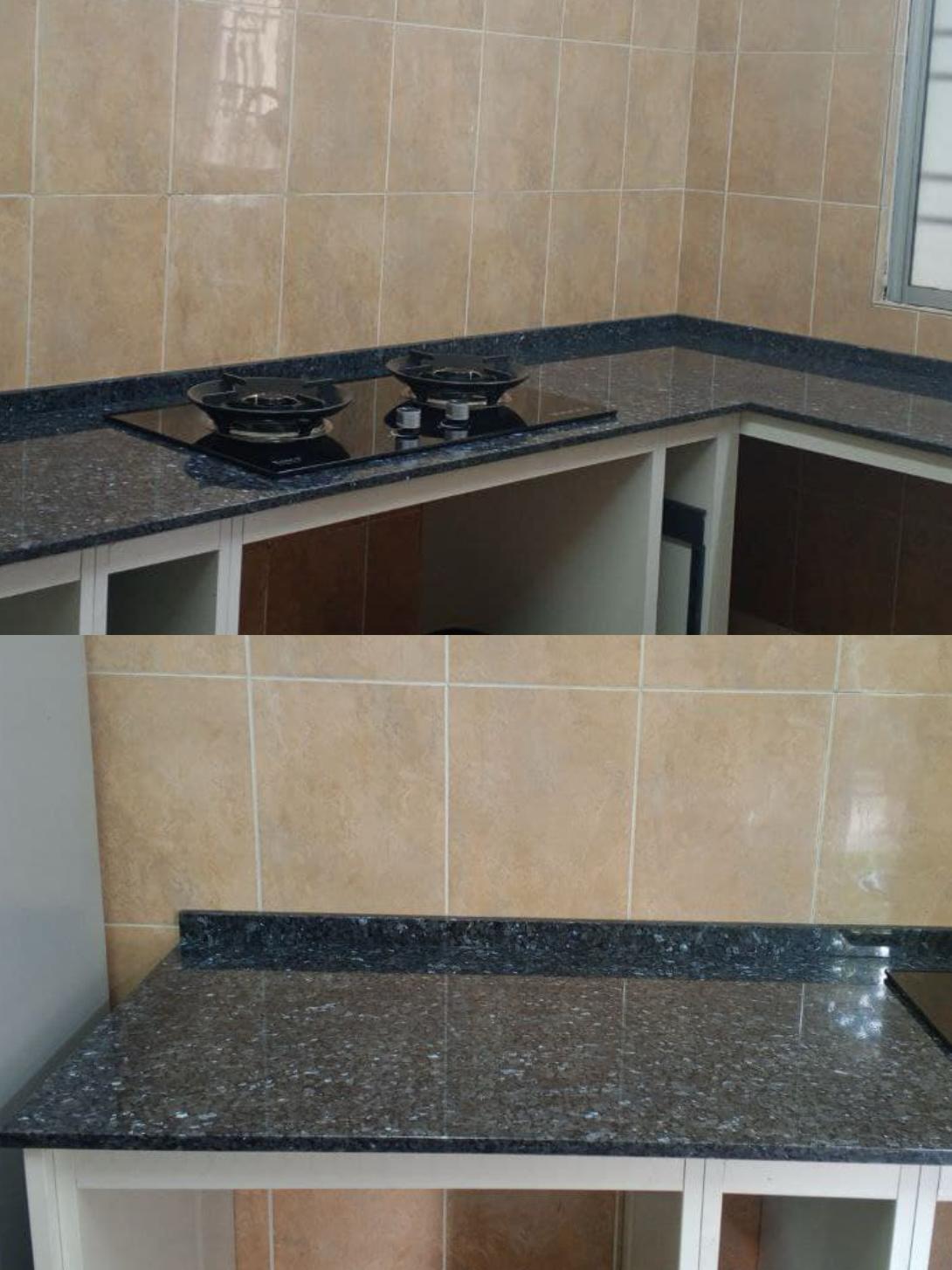
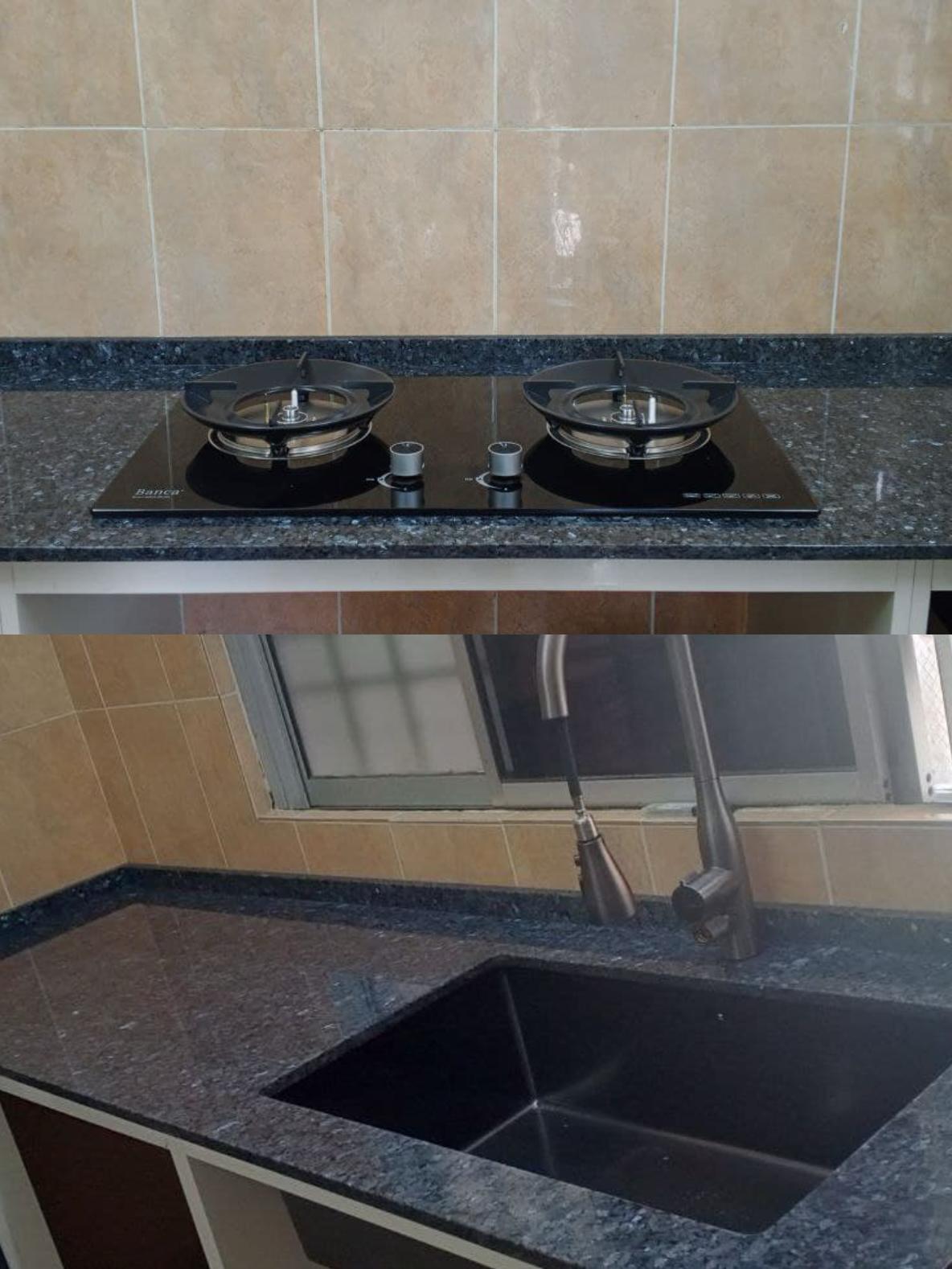
Looking for a kitchen countertop that blends luxury with practicality? Blue Pearl Granite isn’t just stone—it’s a cosmic masterpiece. Formed over millions of years, its deep navy base dances with silver flecks, mimicking a starry night sky. Unlike generic kitchen countertop materials, Blue Pearl’s natural mineral composition (feldspar, quartz, and mica) ensures unmatched durability. Perfect for busy homes, this stone resists scratches, heat, and stains—ideal for both cooking enthusiasts and chaotic family kitchens.
Design Inspiration: Turn Your Kitchen into a Starry Sanctuary
Where Art Meets Functionality
Imagine prepping meals under a galaxy-inspired kitchen countertop that sparkles under pendant lights. Blue Pearl Granite isn’t just a surface—it’s a conversation starter. Pair it with brass fixtures for a luxe industrial vibe or white cabinetry for minimalist elegance. Pro tip: Use under-cabinet lighting to amplify its celestial shimmer. Whether you’re hosting dinner parties or baking cookies with kids, this countertop turns mundane tasks into magical moments.
Durability That Outshines the Competition
Built to Survive Real Life
Tired of babying your kitchen countertop? Blue Pearl Granite laughs in the face of hot pans, spilled wine, and rogue knives. With a Mohs hardness rating of 7 (diamond is 10!), it withstands daily abuse without losing its luster. Unlike quartz or marble, it doesn’t require sealants for stain protection—though an annual application extends its lifespan. For parents, pet owners, or aspiring chefs, this stone is a warrior in disguise.
Low Maintenance, High Reward
For Busy Lives, Not Just Pinterest Boards
Let’s face it: nobody has time for finicky kitchen countertops. Blue Pearl Granite’s dark hides crumbs and coffee spills like a pro. Daily cleanup? A quick wipe with mild soap. Annual sealing? A 10-minute task that even DIY newbies can handle. Compare that to light-colored stones that show every smudge—this is the “set it and forget it” of luxury surfaces.
Our Brand Promise: Crafting Dreams, Not Just Countertops
19 Years of Turning Kitchens into Legacies
We’re not just selling kitchen countertops—we’re curating heirlooms. With nearly two decades of expertise, our team handles everything: free consultations, precision measurements, and installation in 5–7 days. Worried about budgets? Our 0% financing plans make luxury accessible. From concept to completion, we treat your kitchen like our own.
Q1: What is the primary material of a Granite Countertop? Granite countertops are primarily made of natural granite, which forms from cooled magma and is known for its durability and unique natural veining.
Q2: Are Granite Countertops safe to use? When properly installed and certified to meet environmental standards, granite countertops are safe and reliable. It is important to choose suppliers who offer products that comply with safety certifications.
Q3: What are the key maintenance tips for Granite Countertops? For daily upkeep, clean with mild detergents and a soft cloth, avoid harsh chemicals, and consider periodic sealing to protect the surface. Promptly address any minor scratches or cracks.
Q4: How long does it typically take to install a Granite Countertop? Installation times vary based on the project’s complexity. Generally, the process—from measurement and customization to actual installation—can take anywhere from a few days to a week depending on the supplier’s schedule and the specifics of your project.
Q5: What advantages does a Granite Countertop have over other materials? Granite offers exceptional scratch resistance, heat tolerance, and ease of maintenance. Its natural patterns and various finishes add a distinctive, upscale look to any space, making it a popular choice among homeowners and designers.
⚠️ Extra Tips|FAQ
How does Blue Pearl compare to Emerald Pearl Granite? They’re mineral twins! Both offer extreme durability, but Blue Pearl’s darker hue hides stains better.
Can I cut directly on the countertop? Technically yes—but use a cutting board to protect your knives (and the stone’s polish!).
Is it eco-friendly? Natural stone has a lower carbon footprint than synthetic materials. We also recycle 100% of installation waste.
What if I chip the edge? Our 10-year warranty covers repairs. Chips are rare but fixable!
Museum Display: Earthquake-proof base + humidity control
Unexpected Twists
Pet Memorial Stone: Laser-etched paw prints + celestial coordinates
⚠️ Pro Tips|When to Think Twice
Small Dark Kitchens: Use as accent zones (e.g., sink area)
Wabi-Sabi Interiors: Opt for honed finish to soften drama
Outdoor Use: Thermal shock may oxidize mineral flecks
Choosing a high-quality Granite Countertop not only brings visual delight to your living spaces but also underscores your commitment to long-lasting investment and superior craftsmanship. Whether you’re a home renovation enthusiast or a professional designer, a granite countertop is an indispensable element that enriches your interior design and elevates the functionality of your kitchen or bathroom.
Introduction & Vision Are you dreaming of a kitchen upgrade that combines art and function? The modern home now welcomes the revolutionary Terrazzo Kitchen Countertop—a design solution that transforms ordinary spaces into inspiring works of art. With its bold patterns and timeless appeal, the Terrazzo Kitchen Countertop redefines what a kitchen surface can be. Experience creativity every time you cook or entertain. Whether you’re renovating or simply refreshing your space, the Terrazzo Kitchen Countertop offers a unique blend of style and practicality that challenges old norms.
Terrazo Kitchen Countertop
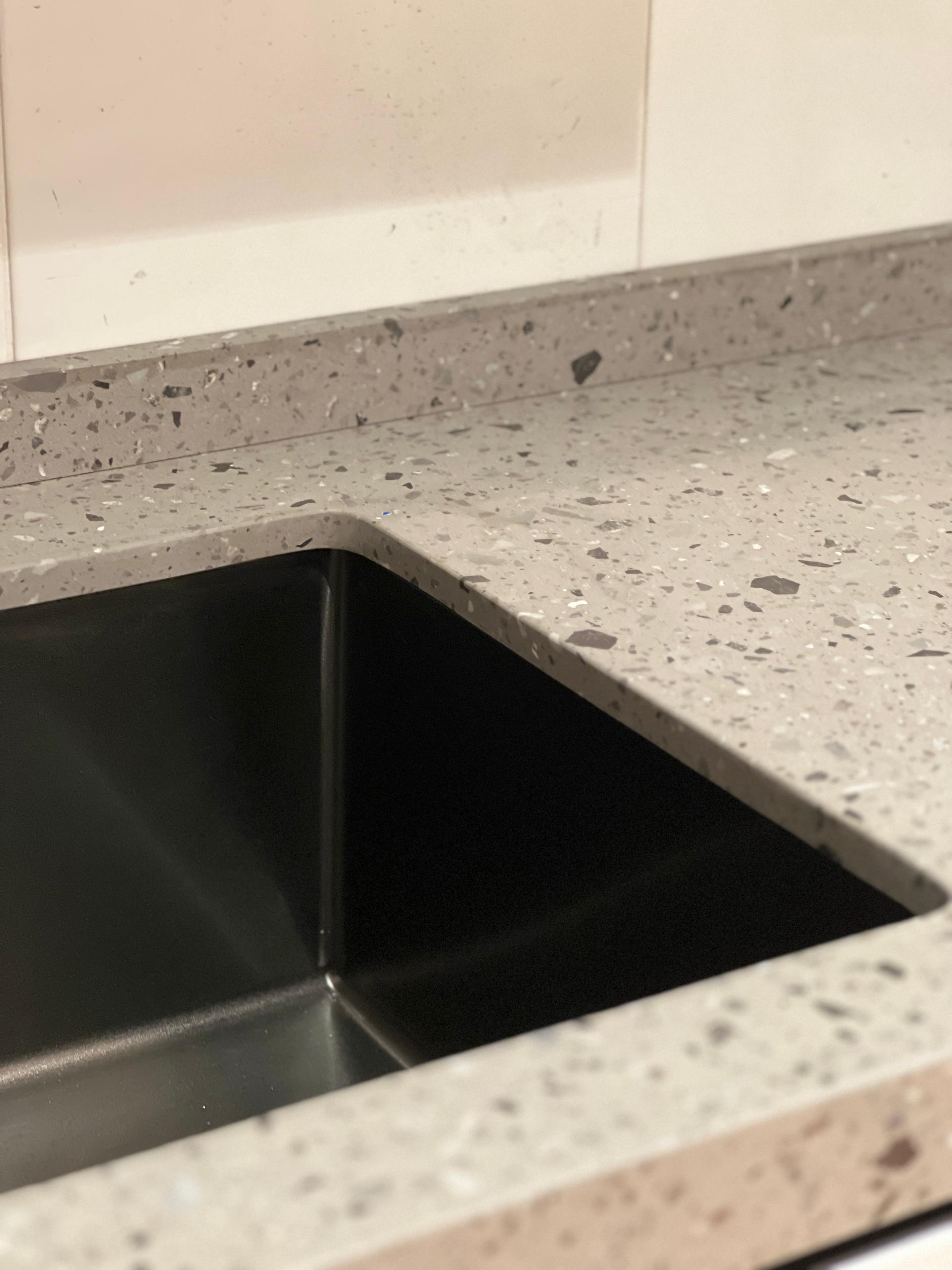
Unique Artistic Design One of the most striking features of the Terrazzo Kitchen Countertop is its artistic design. Each countertop is a unique mosaic of natural speckles and bold colors, making your kitchen a gallery of individuality. Unlike uniform materials, the Terrazzo Kitchen Countertop celebrates imperfection as art, sparking conversation and admiration. This fresh perspective challenges the common belief that perfection is everything—here, creativity wins. Elevate your home with a Terrazzo Kitchen Countertop that speaks to your personal style and artistic taste.
Affordability & Value Beauty and luxury shouldn’t cost a fortune. The Terrazzo Kitchen Countertop offers a premium look at a fraction of the price of high-end materials. Savvy homeowners choose the Terrazzo Kitchen Countertop for its unbeatable cost–performance ratio. Enjoy a stylish upgrade that fits your budget without compromising quality. In today’s market, the Terrazzo Kitchen Countertop stands out as an investment that combines affordability with long‐lasting design. This value proposition not only enhances your kitchen’s appeal but also keeps your renovation costs under control.
Durability & Easy Maintenance In a bustling kitchen, durability is key. The Terrazzo Kitchen Countertop is engineered to withstand daily use—from cooking spills to the wear of busy lifestyles. Its robust surface resists scratches, stains, and heat, making the Terrazzo Kitchen Countertop an ideal choice for families and avid cooks alike. Maintenance is a breeze with a simple wipe-down, ensuring that your Terrazzo Kitchen Countertop remains as striking as the day it was installed. Invest in a countertop that is as hardworking as you are with the Terrazzo Kitchen Countertop.
Terrazo Kitchen Countertop
Eco-Friendliness & Sustainability Today’s homeowners seek eco–friendly solutions that do not sacrifice style. The Terrazzo Kitchen Countertop is crafted with sustainable materials, aligning with a green lifestyle while delivering undeniable beauty. By choosing the Terrazzo Kitchen Countertop, you contribute to environmental conservation without compromising on design or performance. Its eco–friendly production methods make the Terrazzo Kitchen Countertop a smart, responsible choice for modern living. Enjoy a stylish kitchen upgrade that respects nature, proving that the Terrazzo Kitchen Countertop is both beautiful and sustainable.
Customization & Versatility Your kitchen is an expression of your unique taste, and the Terrazzo Kitchen Countertop adapts effortlessly to any style. With endless options for colors and patterns, the Terrazzo Kitchen Countertop can be customized to complement both modern minimalism and classic elegance. This versatile surface not only serves as a practical work area but also as a design statement. Personalize your space with a Terrazzo Kitchen Countertop that reflects your personality and vision. Embrace creativity and versatility with a Terrazzo Kitchen Countertop that’s truly one-of-a-kind.
Terrazo Kitchen Countertop
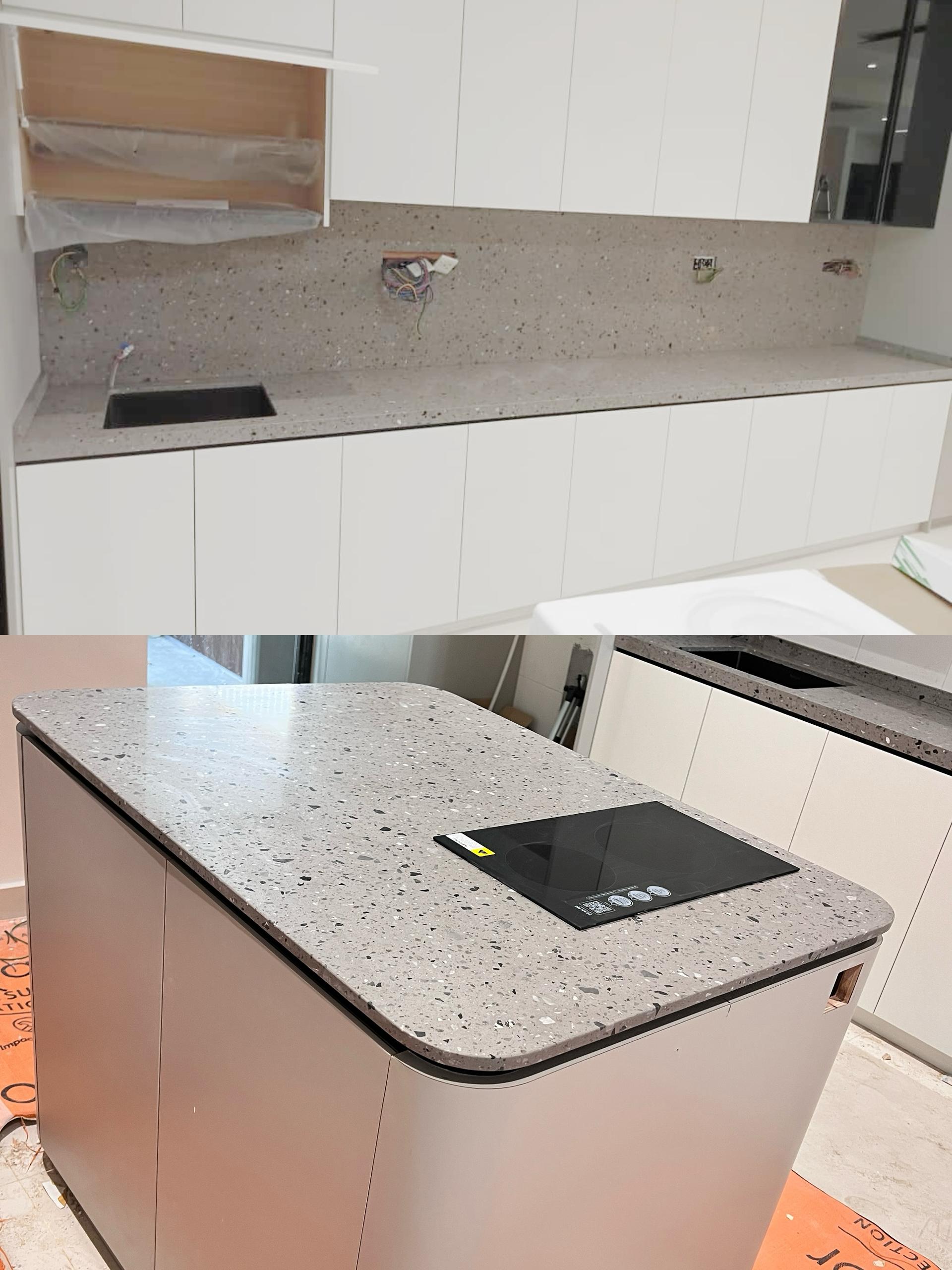
Island Integration & Trendsetting Style Modern kitchens often center around a stylish island, and the Terrazzo Kitchen Countertop makes an exceptional island countertop. This design not only provides extra workspace but also creates a stunning focal point that draws guests’ attention. Whether used along walls or as the centerpiece of your island, the Terrazzo Kitchen Countertop delivers seamless integration and trendsetting style. Enhance your kitchen’s flow with a Terrazzo Kitchen Countertop that combines beauty and functionality in one innovative package. Experience the transformation that a Terrazzo Kitchen Countertop brings to your culinary hub.
Scroll-Stopping Hooks & Challenging Conventions Stop scrolling and ask yourself: why settle for ordinary when you can have extraordinary? The Terrazzo Kitchen Countertop defies conventional design by transforming imperfections into an artistic feature. This countertop challenges the belief that uniformity equals quality and dares you to embrace a look that is both raw and refined. With the Terrazzo Kitchen Countertop, every speck and swirl tells a story. Spark curiosity and ignite conversation with a Terrazzo Kitchen Countertop that is as unpredictable as it is captivating. Dare to be bold—choose the Terrazzo Kitchen Countertop today.
Upgrade Reasons & Call to Action It’s time to upgrade your kitchen with a solution that stands out. The Terrazzo Kitchen Countertop isn’t just a surface—it’s a lifestyle choice that enhances your daily routine. Imagine a kitchen where every meal is prepared on a vibrant, durable, and eco–friendly surface. The Terrazzo Kitchen Countertop transforms your space into an inspiring haven. Now is your chance to join the revolution. Don’t wait—elevate your home, impress your guests, and enjoy the practical beauty of a Terrazzo Kitchen Countertop. Upgrade now and let your kitchen shine!
Terrazo Kitchen Countertop
FAQ Section Q1: What is a Terrazzo Kitchen Countertop? A: It’s a stylish, durable surface featuring unique mosaic designs that transform kitchens into artful spaces. Q2: Why choose a Terrazzo Kitchen Countertop? A: The Terrazzo Kitchen Countertop combines artistic design, affordability, and eco–friendliness in one practical package. Q3: How durable is a Terrazzo Kitchen Countertop? A: Extremely—this countertop is engineered for everyday use and easy cleaning. Q4: Can I customize my Terrazzo Kitchen Countertop? A: Yes, each Terrazzo Kitchen Countertop is highly versatile and tailored to your style. Q5: How does the Terrazzo Kitchen Countertop improve my kitchen? A: It elevates your space with bold design, functional durability, and an eco–friendly edge.
1. Introduction: Upgrade Your Kitchen with Confidence Are you ready to transform your outdated kitchen into a modern masterpiece? For homeowners seeking to renew their space, upgrading your countertop can be the game-changer you need. Today’s trend is all about the revolutionary Solid Surface Kitchen Countertop—a material that offers durability, elegance, and an ultra-sleek design. This article will explore how this innovative option not only meets the challenges of daily kitchen use but also elevates your home’s overall style. Discover why more modern homeowners are turning to Solid Surface for an upgrade that truly stands out.
2. The Rising Trend: Why Solid Surface Kitchen Countertops? Solid Surface Kitchen Countertops are quickly becoming the top choice for kitchen renovations. Unlike traditional materials, Solid Surface offers a seamless, non-porous surface that resists stains, scratches, and bacteria. Its versatility in design allows you to integrate sinks and backsplashes without visible seams, creating a visually striking centerpiece. As modern lifestyles demand both beauty and practicality, the Solid Surface Kitchen Countertop is making its mark by delivering a sophisticated look while offering the reliability you need in a busy home. It’s a trend that challenges outdated ideas about kitchen surfaces and promises a fresh start.
3. Unique Selling Point 1: Seamless Durability – “Ever Wondered if Your Countertop Could Last Forever?” Imagine a countertop that not only looks pristine today but remains flawless for years to come. With a Solid Surface Kitchen Countertop, durability isn’t just a promise—it’s a guarantee. This material is engineered to withstand daily wear and tear without compromising its stunning finish. The seamless design means there are no cracks or crevices where dirt can accumulate, making it both an aesthetic and hygienic marvel. This USP challenges the common belief that beauty fades with time. Experience the confidence of a countertop that stands up to heavy use while maintaining its elegance, proving that enduring quality can be both practical and visually captivating.
4. Unique Selling Point 2: Hygiene Redefined – “Think Your Countertop is Clean Enough? Think Again.” In today’s health-conscious world, a clean kitchen is a must-have. The Solid Surface Kitchen Countertop redefines hygiene with its non-porous construction that resists bacterial growth and stains. Unlike conventional countertops that can harbor germs, this material ensures that spills wipe away effortlessly, leaving no trace behind. This USP challenges the notion that regular cleaning is enough—Solid Surface offers a deeper level of cleanliness that protects your family’s health. Embrace a countertop that doesn’t just look immaculate but actively contributes to a safer and more sanitary kitchen environment.
5. Unique Selling Point 3: Timeless Aesthetics – “Skeptical about Trends? Discover Enduring Elegance.” Trends come and go, but style remains eternal. A Solid Surface Kitchen Countertop offers a minimalist, elegant look that complements any modern décor. Its sleek finish and subtle patterns create an understated luxury that never feels outdated. This hook sparks curiosity by challenging the belief that stylish surfaces are always high maintenance or faddish. Instead, you get a timeless design that adds sophistication to your kitchen regardless of changing fashions. Invest in a countertop that not only elevates your space today but continues to impress for years to come with its enduring charm.
6. Unique Selling Point 4: Eco-friendly Innovation – “Believe Green Isn’t Stylish? Prepare to Be Surprised.” Sustainability meets sophistication in the Solid Surface Kitchen Countertop. Many of these countertops are manufactured using recycled materials and environmentally friendly processes. This USP highlights that going green doesn’t mean compromising on style or performance. In fact, eco-friendly innovation in Solid Surface production offers an attractive, sustainable option for the modern homeowner. It challenges the common misconception that sustainable products lack elegance. Enjoy a countertop that not only enhances your kitchen’s look but also contributes to a healthier planet, proving that eco-friendly choices can be both stylish and smart.
7. Unique Selling Point 5: Effortless Maintenance – “Tired of Constant Cleaning? Discover a Hassle-Free Upgrade.” Time is precious, especially when it comes to maintaining a busy household. A Solid Surface Kitchen Countertop offers the ultimate in low-maintenance convenience. Its non-porous surface means that spills and stains wipe away with minimal effort, allowing you more time to enjoy your home rather than obsess over cleaning. This hook challenges the outdated belief that high-end surfaces require constant care. Instead, it provides a solution that redefines convenience, ensuring that your countertop remains as pristine as the day it was installed without a lot of extra work. Experience the ease of a beautiful, low-maintenance kitchen upgrade that lets you focus on what truly matters.
8. Bringing It All Together: The Ultimate Kitchen Upgrade Combining these five unique selling points, the Solid Surface Kitchen Countertop emerges as the ultimate solution for modern homeowners. It offers seamless durability, unmatched hygiene, timeless aesthetics, eco-friendly innovation, and effortless maintenance. This holistic approach to kitchen design not only addresses common concerns but also sparks curiosity about the benefits of upgrading to this revolutionary material. For those between 25 and 50 looking to renew or upgrade their kitchen, the Solid Surface Kitchen Countertop is more than just a product—it’s an investment in quality, style, and future-proof functionality. Embrace the upgrade that challenges conventional wisdom and redefines what a kitchen can be.
9. Final Decision & Expert Tips – Making the Right Choice 🎯
Expert Advice for Choosing Your Perfect Kitchen Countertop with Solid Surface Excellence
As you finalize your kitchen renovation plans, consider all the factors that make a Kitchen Countertop truly outstanding. From product quality and pricing to local availability and special promotions, every element counts. Expert tips include comparing materials, requesting samples, and consulting with professionals to ensure a seamless installation process. Remember that while a Solid Surface Kitchen Countertop may require a higher initial investment, its long-term benefits—such as durability, ease of cleaning, and design flexibility—are unmatched. With careful planning and expert advice, you can select a countertop that not only meets your needs but also elevates your entire home.
10. FAQ – Your Questions Answered 💬
Quick QnA for Peace of Mind on Kitchen Countertop & Solid Surface Choices
Q1: What sets a Solid Surface Kitchen Countertop apart? A1: Its seamless, non-porous design prevents stains and bacteria, ensuring easy cleaning and long-lasting durability in your Kitchen.
Q2: Is the higher cost justified? A2: Yes! The long-term savings on maintenance and the premium quality provide excellent value, making it a smart investment for any modern home.
Q3: How do I customize my Kitchen Countertop? A3: Many suppliers offer options for color, texture, and integrated designs, allowing you to tailor your solid surface to your unique style.
Q4: What makes a Solid Surface Kitchen Countertop different from other materials? A4: It offers a seamless, non-porous surface that resists stains, scratches, and bacteria, ensuring durability and easy maintenance.
Q5: Is a Solid Surface Kitchen Countertop eco-friendly? A5: Yes, many are made using recycled materials and sustainable processes without sacrificing style.
Q6: How much maintenance does it require? A6: Minimal—spills and stains wipe away effortlessly, making it a low-maintenance option ideal for busy households.
Q7: Does it suit modern design trends? A7: Absolutely, its timeless elegance complements any modern décor.
Q8: Will it last long under daily use? A8: With its superior durability, a Solid Surface Kitchen Countertop is built to withstand everyday challenges while maintaining its beauty.
For more details on installation, care tips, and additional promotions, feel free to reach out to our expert team today!