
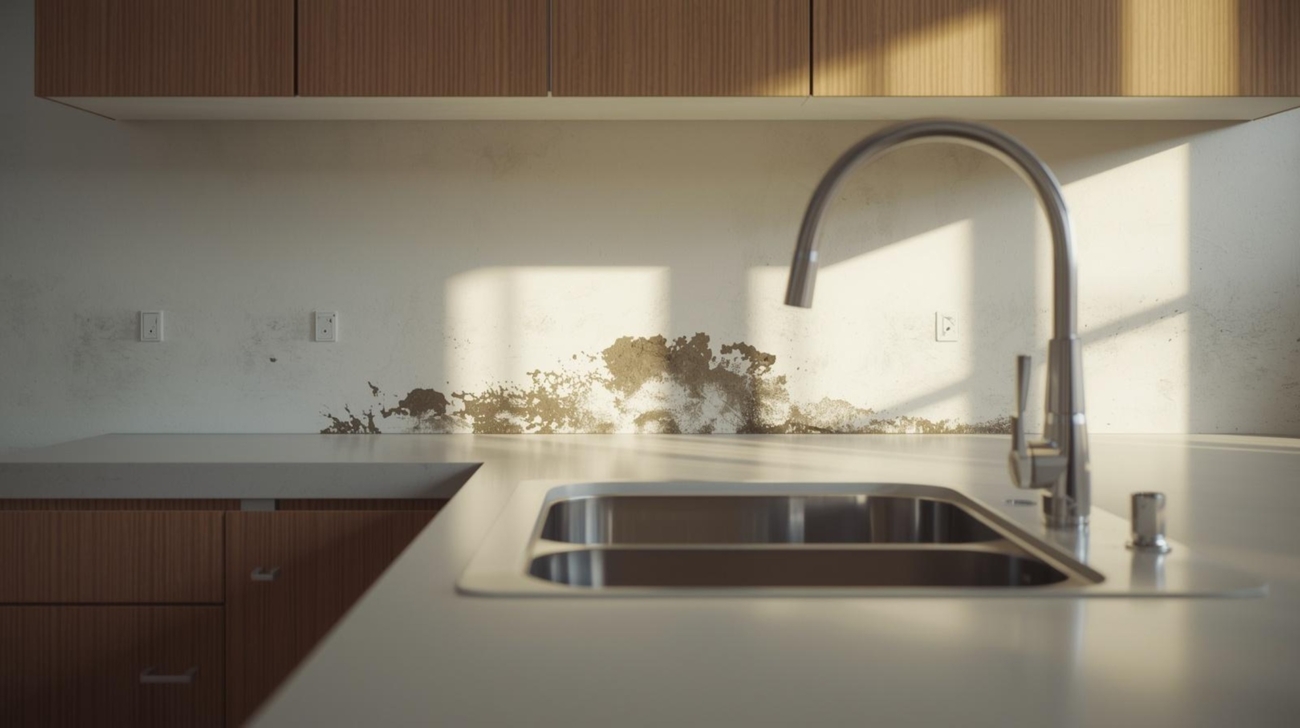
Kitchen mold problems often catch homeowners by surprise. Most people assume that water spills on countertops or sink areas are the main cause. However, the real reason kitchen cabinets become moldy is often hidden in the small details that are easy to overlook.
Kitchen cabinets constantly face heat, humidity, cooking steam, and moisture exposure. Over time, these conditions create an environment where mold can grow and spread. Understanding the causes of mold in kitchen cabinets can help homeowners prevent damage before it becomes an expensive repair issue.
Poor Ventilation Can Trap Moisture Inside Cabinets
One of the leading reasons kitchen cabinets become moldy is inadequate airflow.
Daily cooking activities release heat and steam into the kitchen. Without proper ventilation, moisture remains trapped and slowly accumulates around cabinets, especially in enclosed spaces.
Common signs of poor ventilation include:
- Damp cabinet interiors
- Musty odors when opening cabinet doors
- Water condensation near cabinet edges
- Small black or green spots appearing over time
Proper airflow and a reliable kitchen exhaust system can reduce moisture buildup significantly and improve overall kitchen conditions.
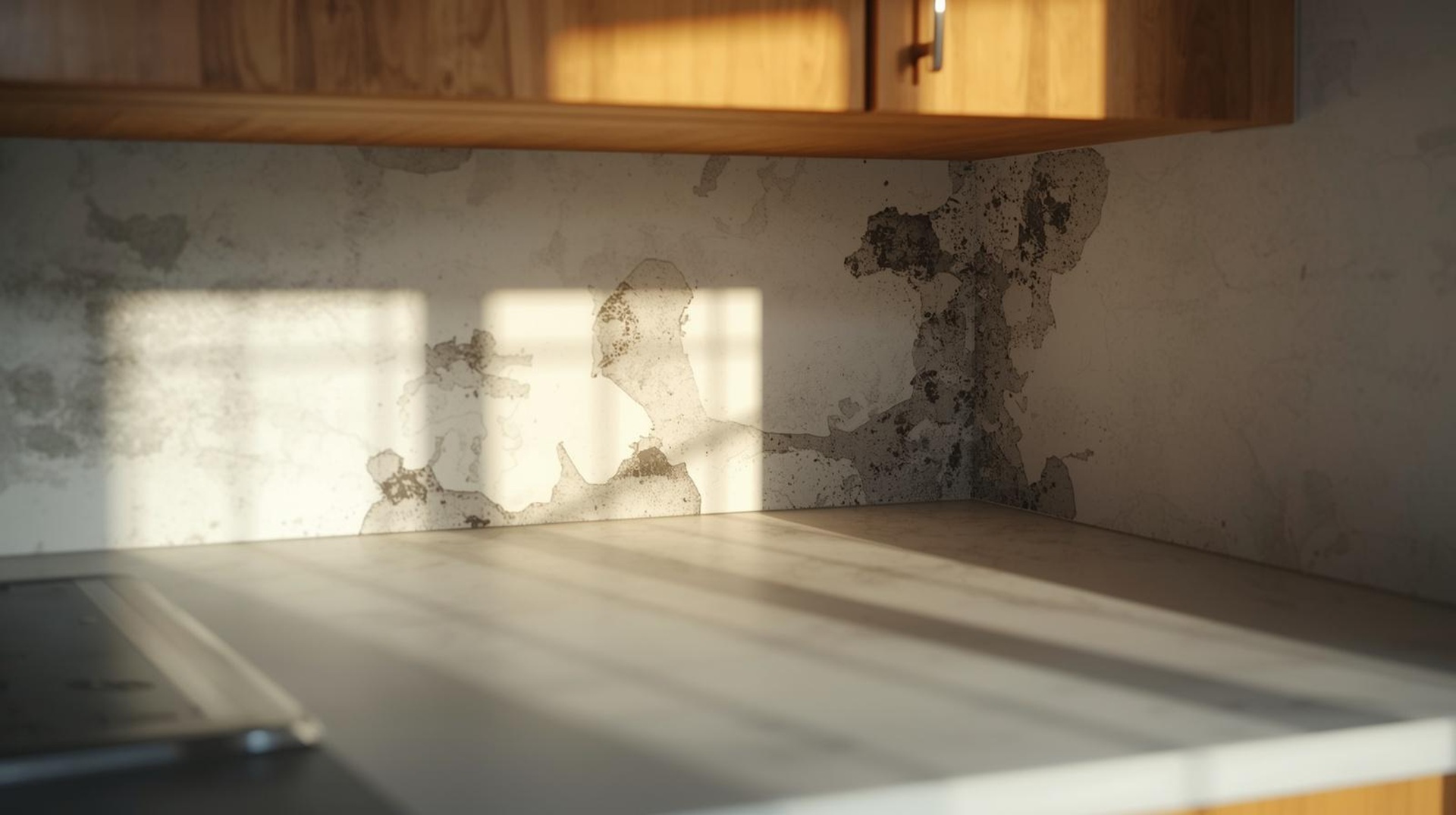
Hidden Water Leaks Under the Sink May Go Unnoticed
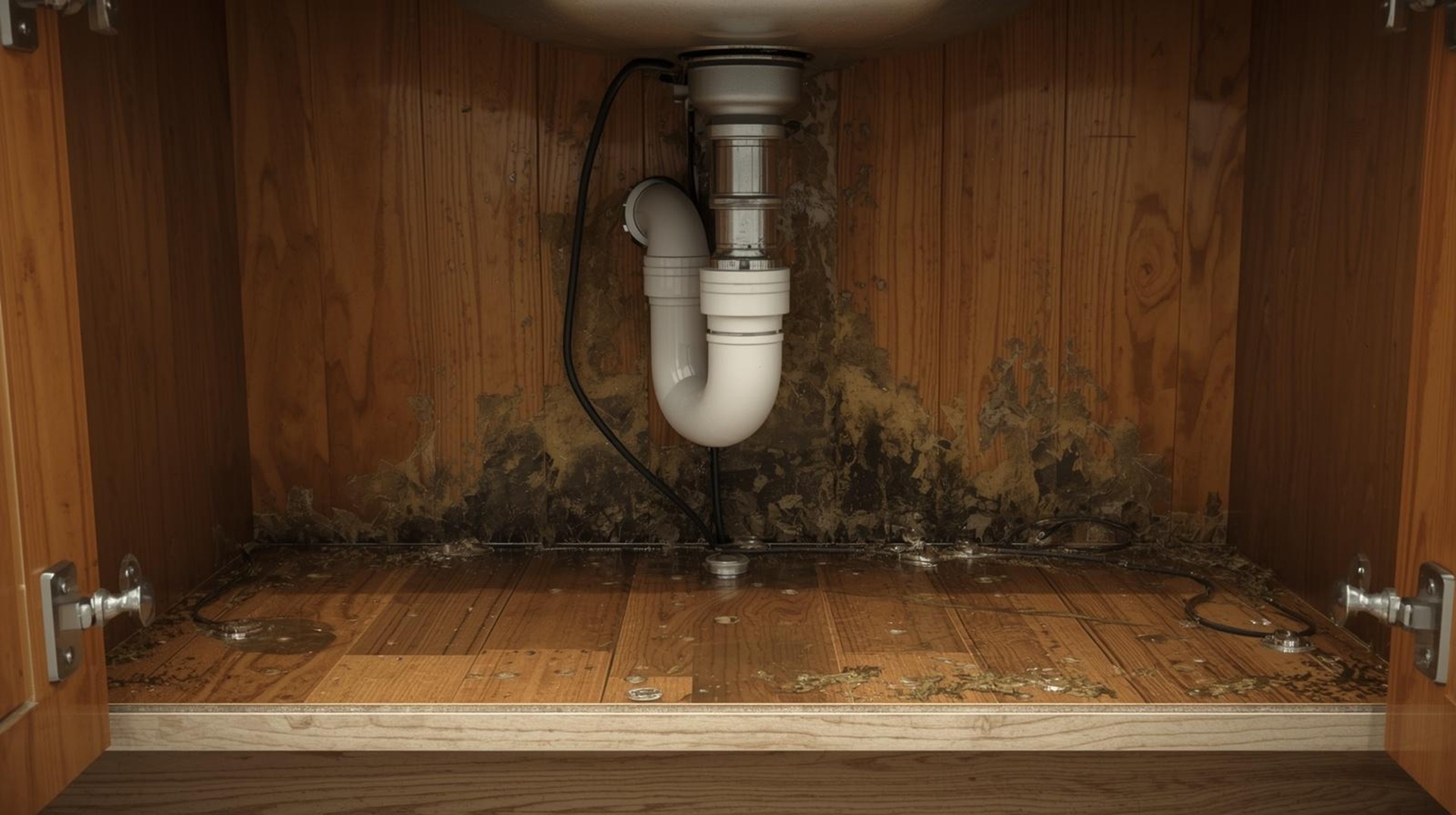
Many kitchen cabinet mold problems begin with leaks that homeowners never notice.
Small leaks beneath sinks or loose plumbing connections can continuously release moisture into enclosed cabinet spaces. Since these areas usually remain dark and poorly ventilated, mold growth can happen quickly.
Watch for these warning signs:
- Water stains
- Warped cabinet panels
- Swollen wood surfaces
- Persistent damp smells
Regular inspection can prevent long-term cabinet damage.
Cabinet Materials Affect Moisture Resistance
The type of material used for kitchen cabinets can influence how easily mold develops.
Lower-quality materials may absorb moisture faster and become vulnerable to swelling and fungal growth. Cabinets with moisture-resistant finishes generally perform better in humid environments.
Investing in quality cabinet materials can improve durability while reducing maintenance costs over time.
Indoor Humidity Can Become a Hidden Contributor
Sometimes the issue is not directly related to kitchen activities.
Homes located in humid environments often experience consistently high moisture levels. Kitchens with limited sunlight exposure or poor air circulation may face greater risk.
Simple ways to control indoor humidity include:
- Using a dehumidifier
- Improving air circulation
- Opening windows regularly
- Preventing standing water accumulation
Controlling humidity can greatly reduce the risk of mold in kitchen cabinets.
Daily Habits Can Create Long-Term Problems
Small everyday actions may contribute more to cabinet mold issues than expected.
Examples include:
- Storing wet cloths inside cabinets
- Closing cabinet doors immediately after washing dishes
- Ignoring minor water spills
- Leaving moisture around sink areas
Over time, these habits create ideal conditions for mold growth.
How to Prevent Mold in Kitchen Cabinets
Preventing mold is easier and less expensive than repairing damaged cabinets.
Follow these practical tips:
- Keep kitchen ventilation systems functioning properly
- Inspect plumbing regularly
- Wipe moisture immediately
- Use moisture-resistant cabinet materials
- Monitor indoor humidity levels
Taking preventive measures today can protect both your kitchen appearance and long-term investment.
Final Thoughts
Kitchen cabinet mold rarely appears without a reason. While many people blame countertops or obvious water exposure, the true causes often come from hidden moisture sources and overlooked details.
Understanding what causes kitchen cabinets to become moldy can help create a healthier, cleaner, and more durable kitchen environment for years to come.
Why do kitchen cabinets get moldy even without visible water leaks?
Cabinets can develop mold due to humidity, trapped moisture, cooking steam, and poor ventilation even when no obvious leaks exist.
Can moldy kitchen cabinets be cleaned?
Surface mold can often be removed, but severe cases may require replacing damaged materials and fixing the moisture source.
How can I prevent mold in kitchen cabinets?
Improve ventilation, control humidity, repair leaks quickly, and use moisture-resistant cabinet materials.
Add a Comment