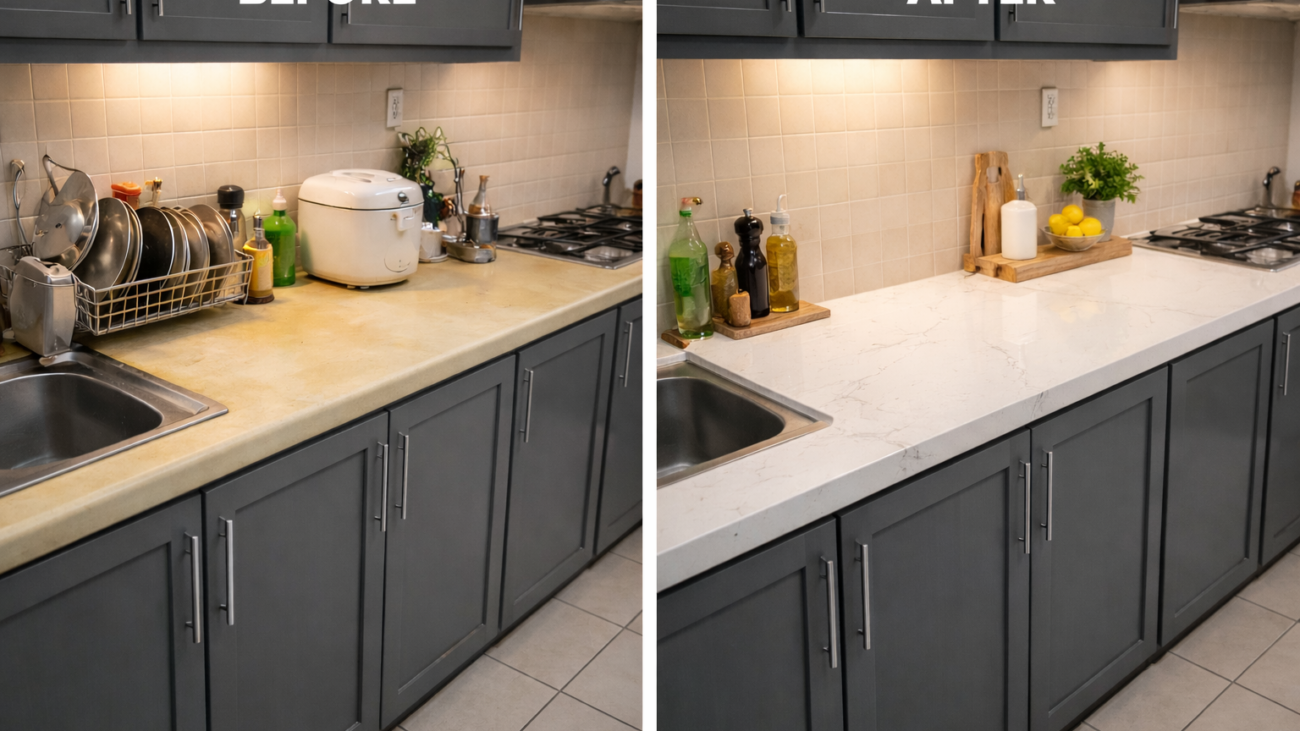
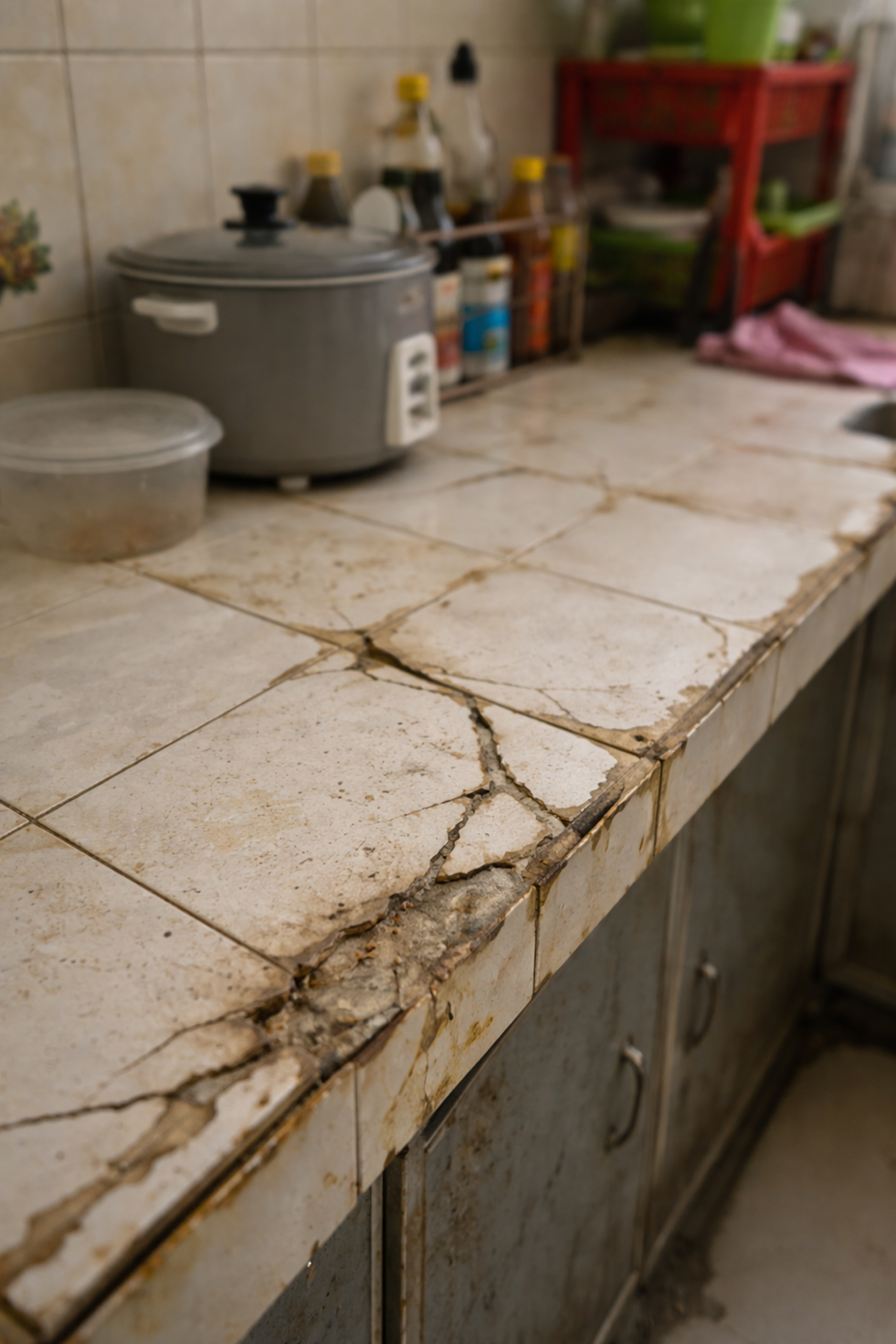
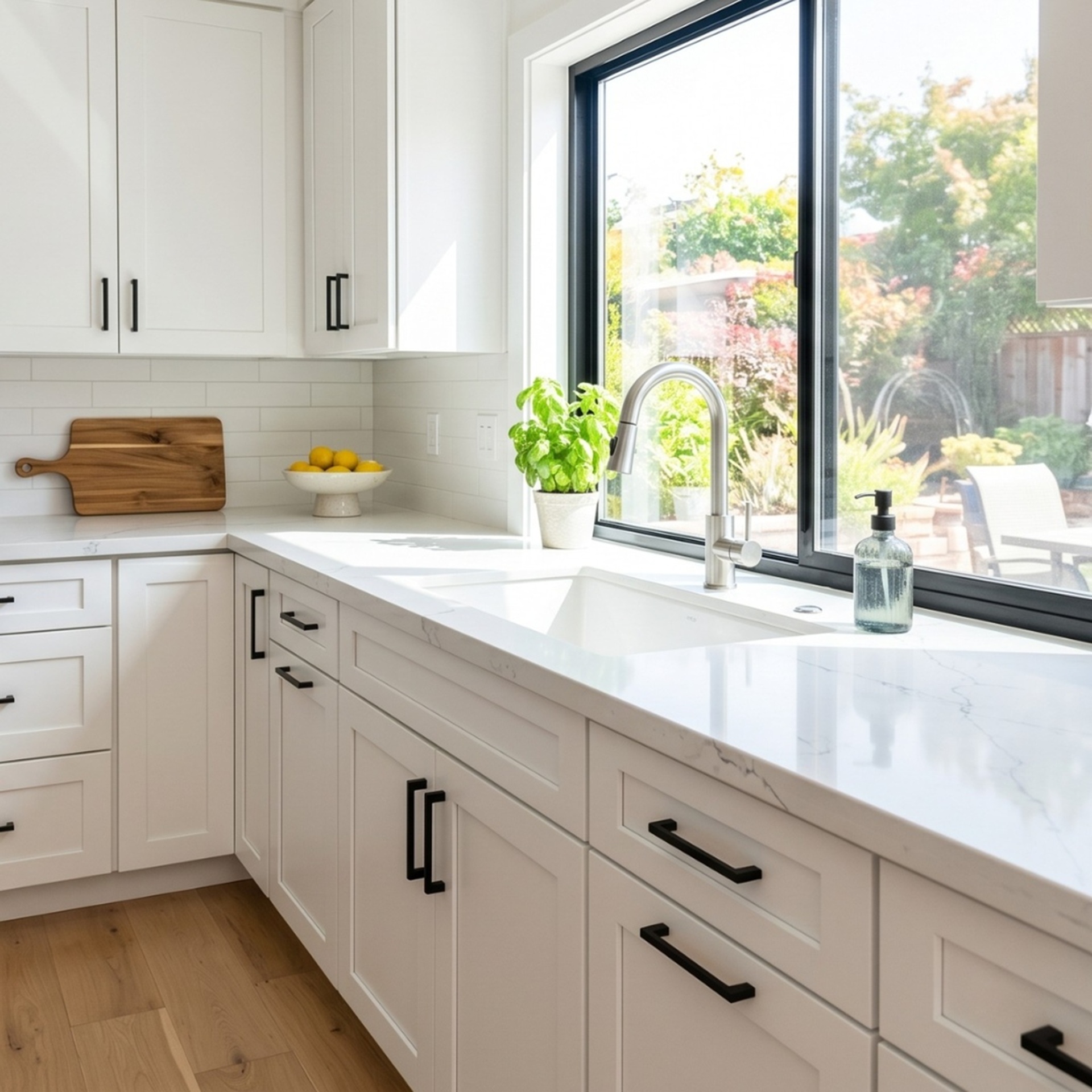
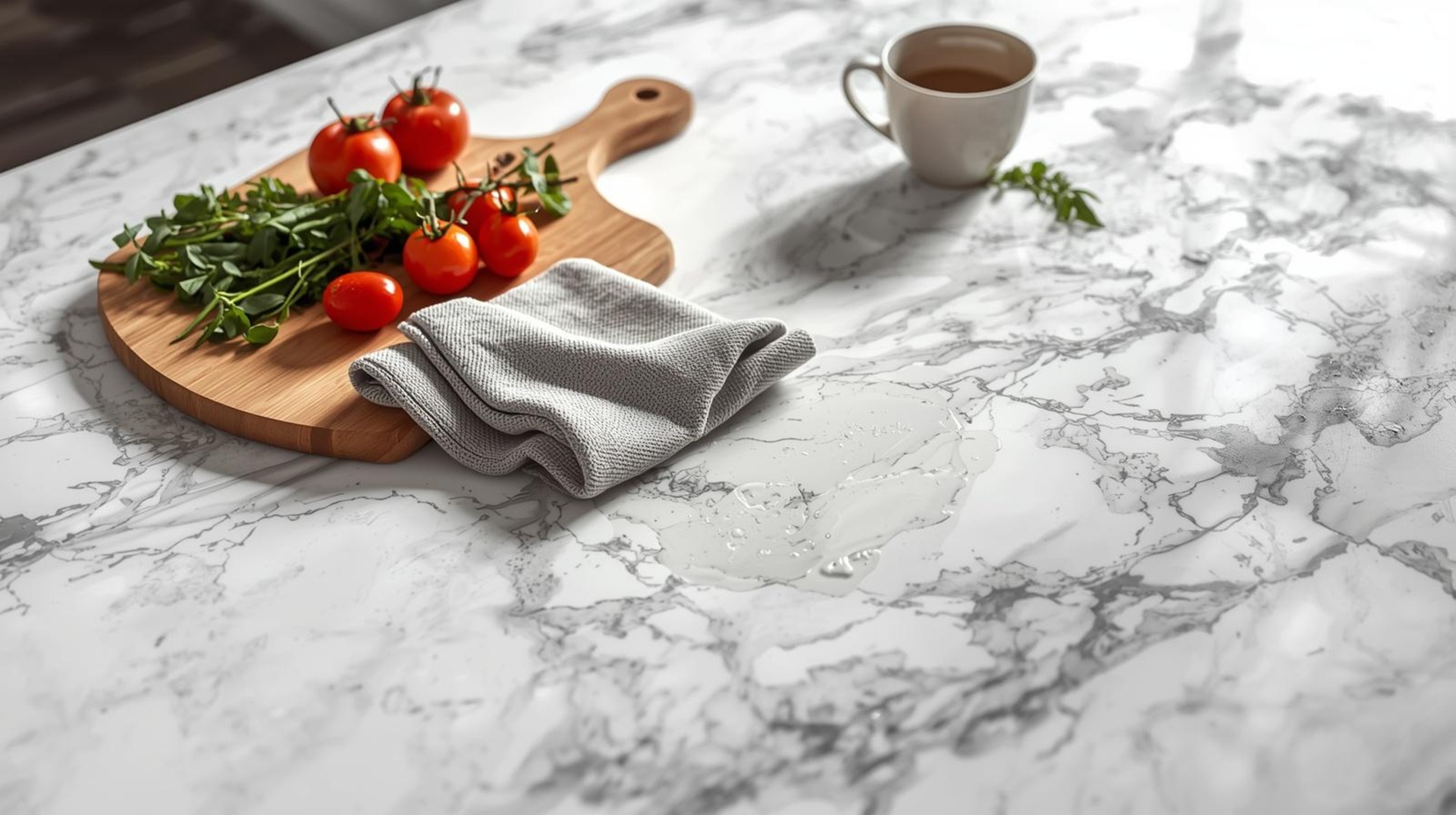
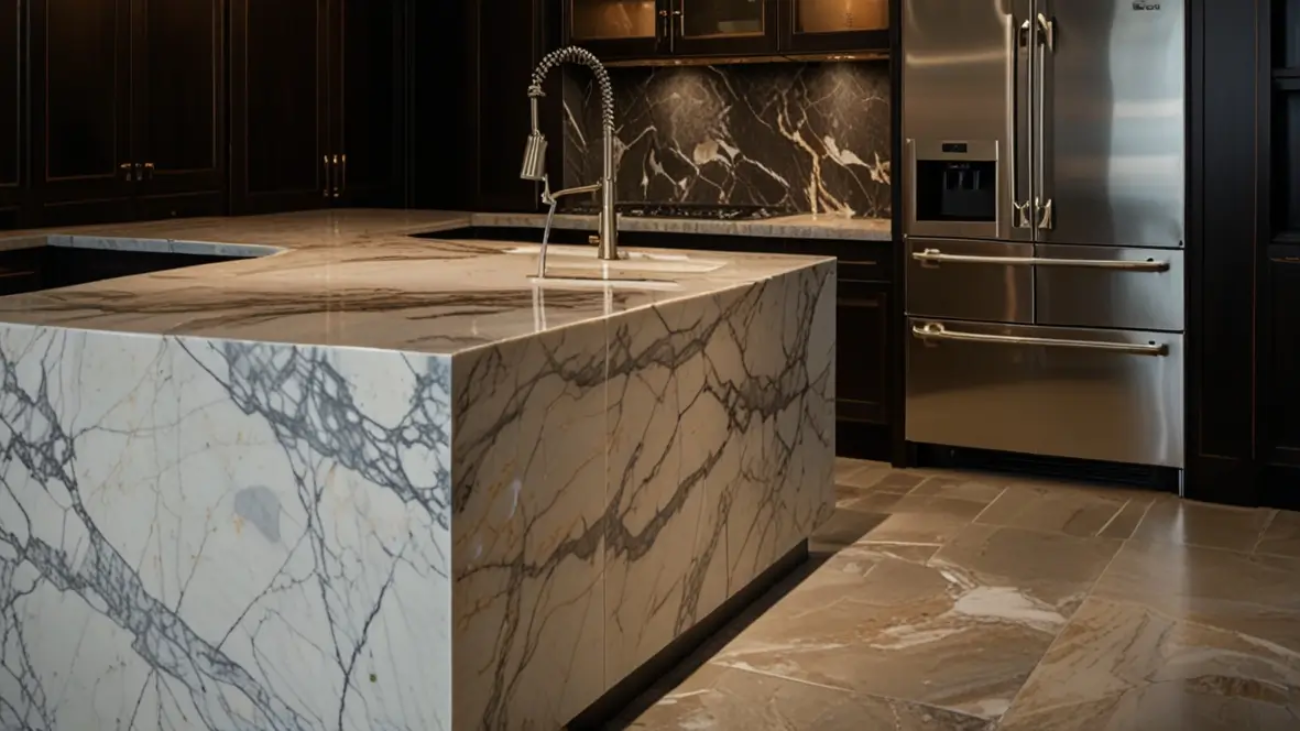
Natural Stone vs. Synthetic Materials

Natural Stone vs. Synthetic Materials: A Comparison

Natural stone has been utilized in construction and design for millennia, valued for its longevity, distinctive aesthetics, and enduring appeal. Formed through geological processes over millions of years, natural stone is a product of the Earth. Common types of natural stone used in construction and design include granite, marble, limestone, travertine, and slate.

Each variety possesses unique characteristics such as color variations, veining patterns, and textures. These properties make natural stone suitable for diverse applications, including countertops, flooring, cladding, and landscaping. Synthetic materials, also referred to as engineered stone or composite materials, are artificially created products designed to replicate the appearance and properties of natural stone.

These materials typically consist of a mixture of natural stone aggregates, resins, and pigments, which are compressed and cured to produce a durable and versatile product. Examples of synthetic materials include quartz, porcelain, and sintered stone. While both natural stone and synthetic materials possess unique qualities and advantages, they differ in terms of durability, aesthetics, environmental impact, maintenance requirements, cost, and potential applications.

Durability and Longevity

Durable Options for Indoor Applications

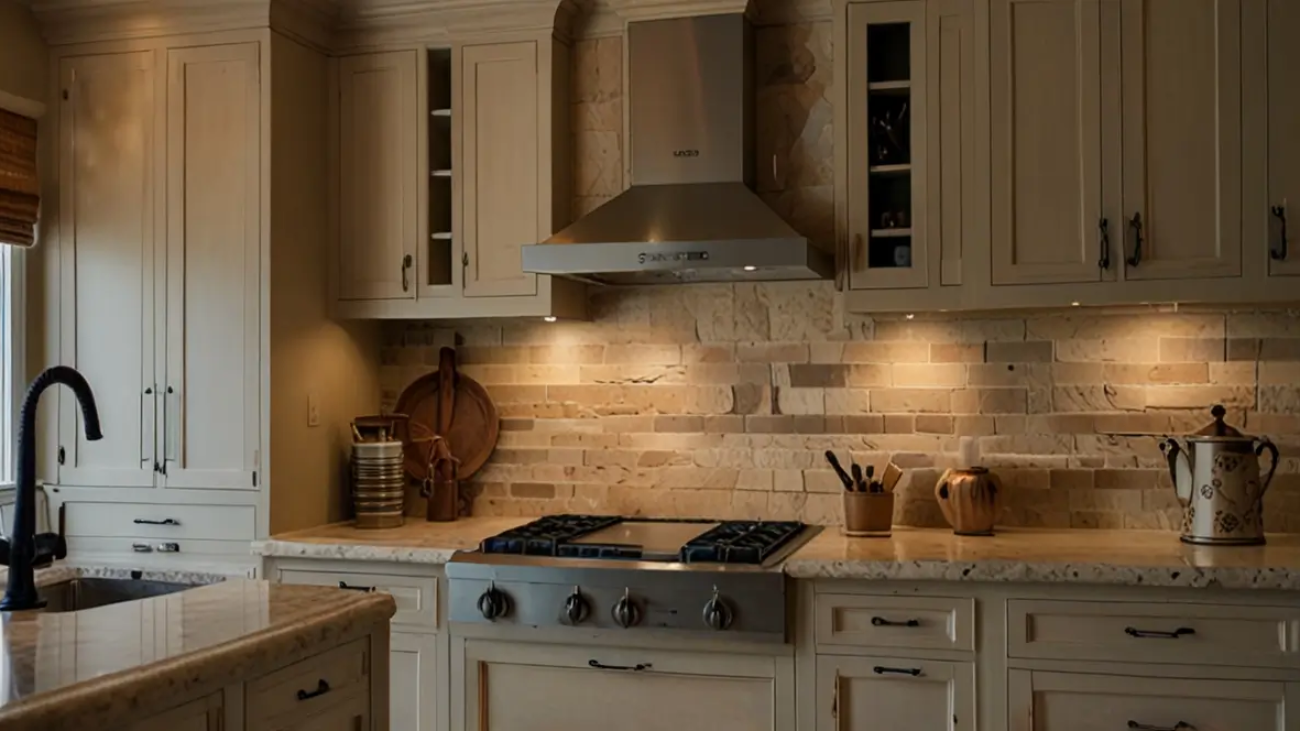
Granite, for example, is known for its resistance to scratches, heat, and stains, making it an ideal material for kitchen countertops. Marble, while not as hard as granite, offers a luxurious and elegant appeal that can last for generations when properly cared for. Limestone and travertine are also durable options for flooring and cladding, with their unique textures adding character to any space.

Outdoor Applications

Natural stone can withstand the elements when used outdoors, making it a popular choice for patios, walkways, and pool surrounds.

Synthetic Materials: A Durable Alternative

Synthetic materials are engineered to be highly durable and resistant to scratches, stains, and heat. Quartz, for instance, is non-porous and does not require sealing, making it a low-maintenance option for kitchen and bathroom countertops. Porcelain and sintered stone are also highly resistant to wear and tear, making them suitable for both indoor and outdoor applications.

Aesthetics and Appearance

Natural stone is prized for its unique beauty and timeless appeal. Each type of natural stone offers distinct colors, patterns, and veining that cannot be replicated in synthetic materials. Granite, for example, comes in a wide range of colors and patterns, from speckled blacks to veined whites, adding a touch of natural elegance to any space.

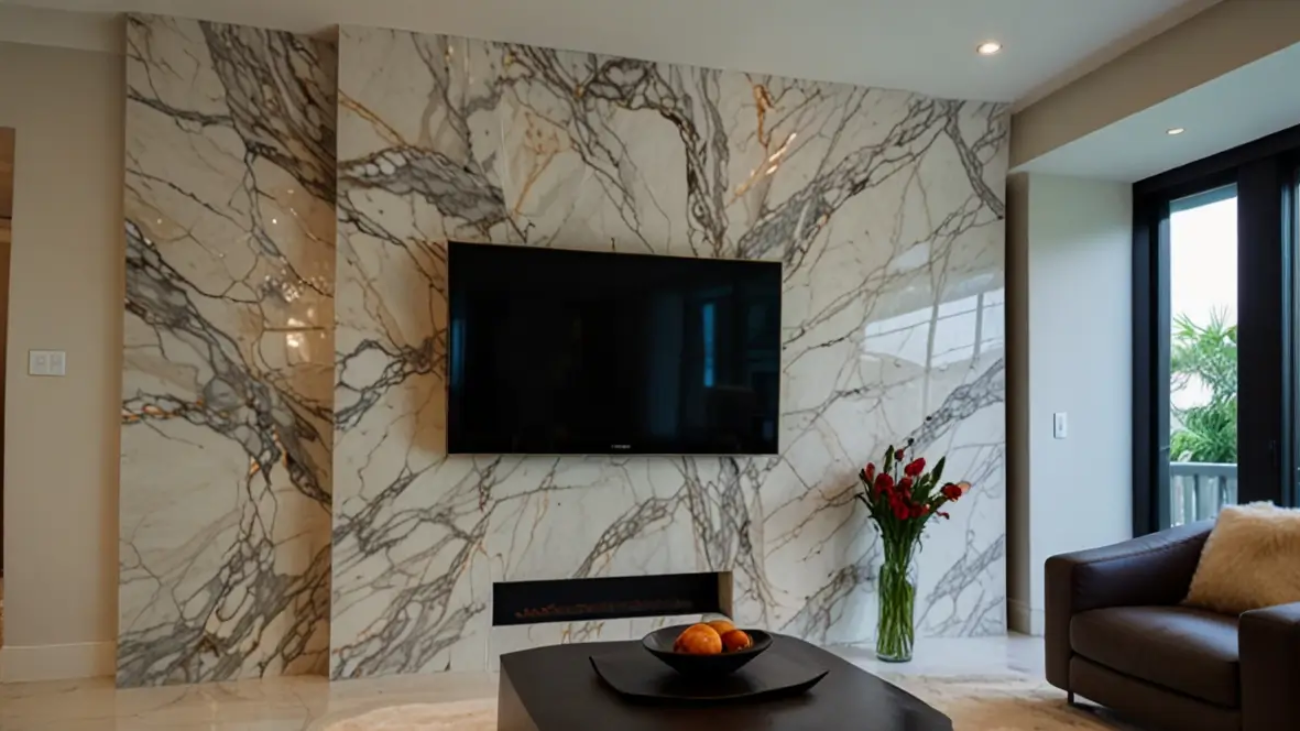
Marble is renowned for its luxurious appearance, with its classic white background and intricate veining creating a sense of sophistication. Limestone and travertine offer warm earthy tones and natural textures that can complement a variety of design styles. Synthetic materials are designed to mimic the look and feel of natural stone while offering a more consistent appearance.

Quartz, for instance, can be manufactured in a wide range of colors and patterns to suit different design preferences. Porcelain and sintered stone also offer versatile design options, with the ability to replicate the look of natural stone or create unique contemporary designs. While synthetic materials may not have the same geological variations as natural stone, they offer a more uniform appearance that can be appealing for certain design applications.

Environmental Impact

Natural stone is a sustainable building material that is harvested from the earth with minimal processing. It is a renewable resource that can be quarried in a responsible manner to minimize environmental impact. Additionally, natural stone has a long lifespan and can be recycled or repurposed at the end of its use.

While the extraction and transportation of natural stone may have some environmental considerations, it is important to source from reputable suppliers who adhere to sustainable practices. Synthetic materials are manufactured using a combination of natural stone aggregates, resins, and pigments, which may have varying environmental impacts depending on the production processes. However, many manufacturers are implementing sustainable practices to reduce energy consumption and waste during production.

Additionally, some synthetic materials may contain recycled content or be recyclable at the end of their use. When considering the environmental impact of synthetic materials, it is important to research the specific product and manufacturer to understand their commitment to sustainability.

Maintenance and Care

Natural stone requires regular maintenance to preserve its beauty and durability. Depending on the type of stone and its application, maintenance may include sealing to protect against stains, regular cleaning with pH-neutral products to avoid etching or discoloration, and re-polishing to restore its luster over time. Proper care and maintenance can ensure that natural stone retains its timeless appeal for years to come.

Synthetic materials are designed to be low-maintenance and resistant to stains, scratches, and heat. They do not require sealing or special cleaning products, making them an attractive option for busy households or commercial spaces. However, it is important to follow the manufacturer’s guidelines for care and maintenance to ensure the longevity of synthetic materials.

While synthetic materials may offer easier maintenance compared to natural stone, both options require regular care to preserve their appearance and performance.

Cost and Affordability

Natural Stone: A Long-Term Investment

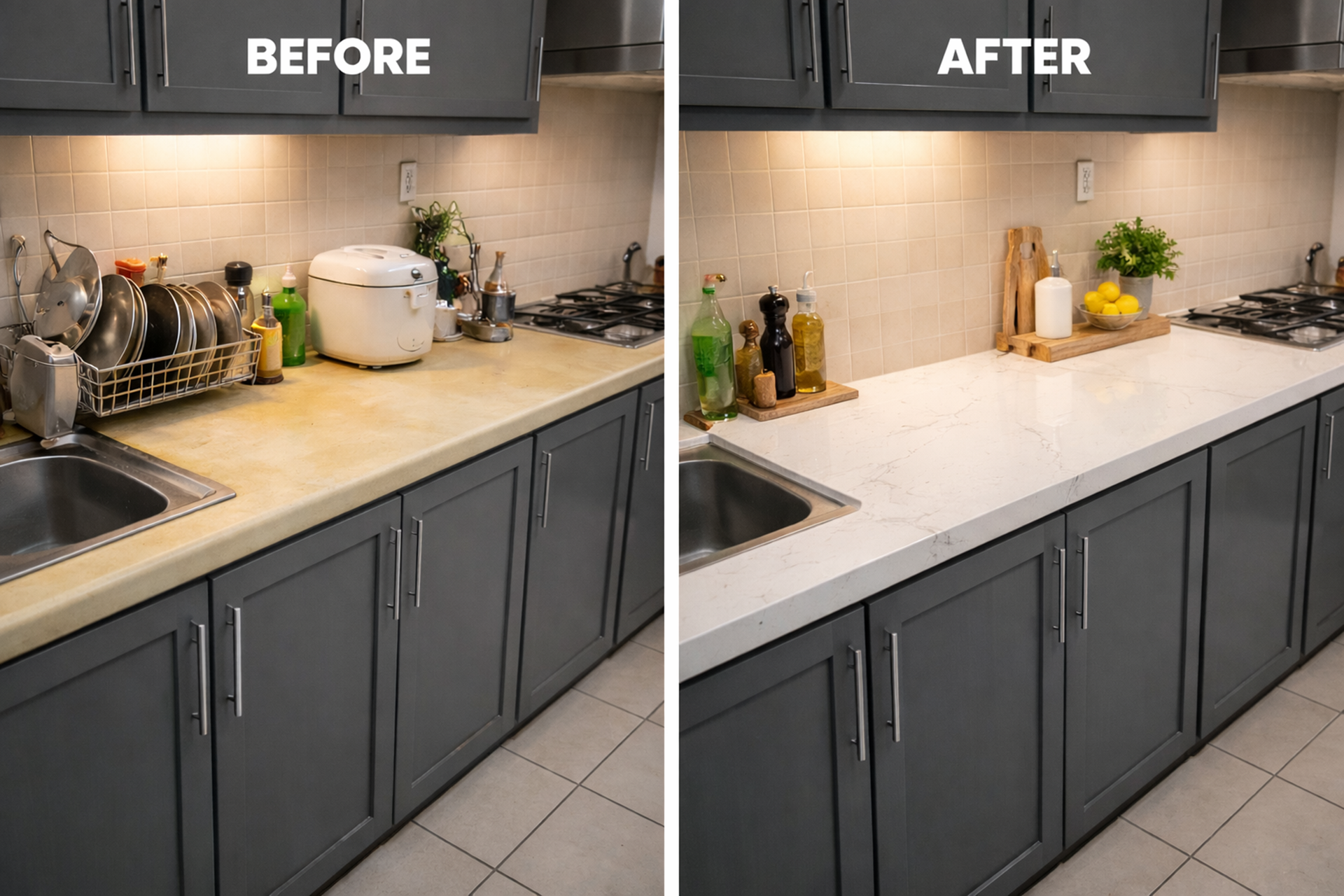
While some types of natural stone may be more expensive upfront, their durability and timeless appeal can add long-term value to a property. Additionally, natural stone can be more cost-effective in the long run due to its longevity and minimal maintenance requirements.

Synthetic Materials: An Affordable Alternative

Synthetic materials are often more affordable than natural stone upfront due to their manufacturing processes and availability. They also offer consistent pricing regardless of color or pattern variations.

Considering Long-Term Value

While synthetic materials may have a lower initial cost compared to natural stone, it is important to consider long-term value and durability when making a decision.

Applications and Uses

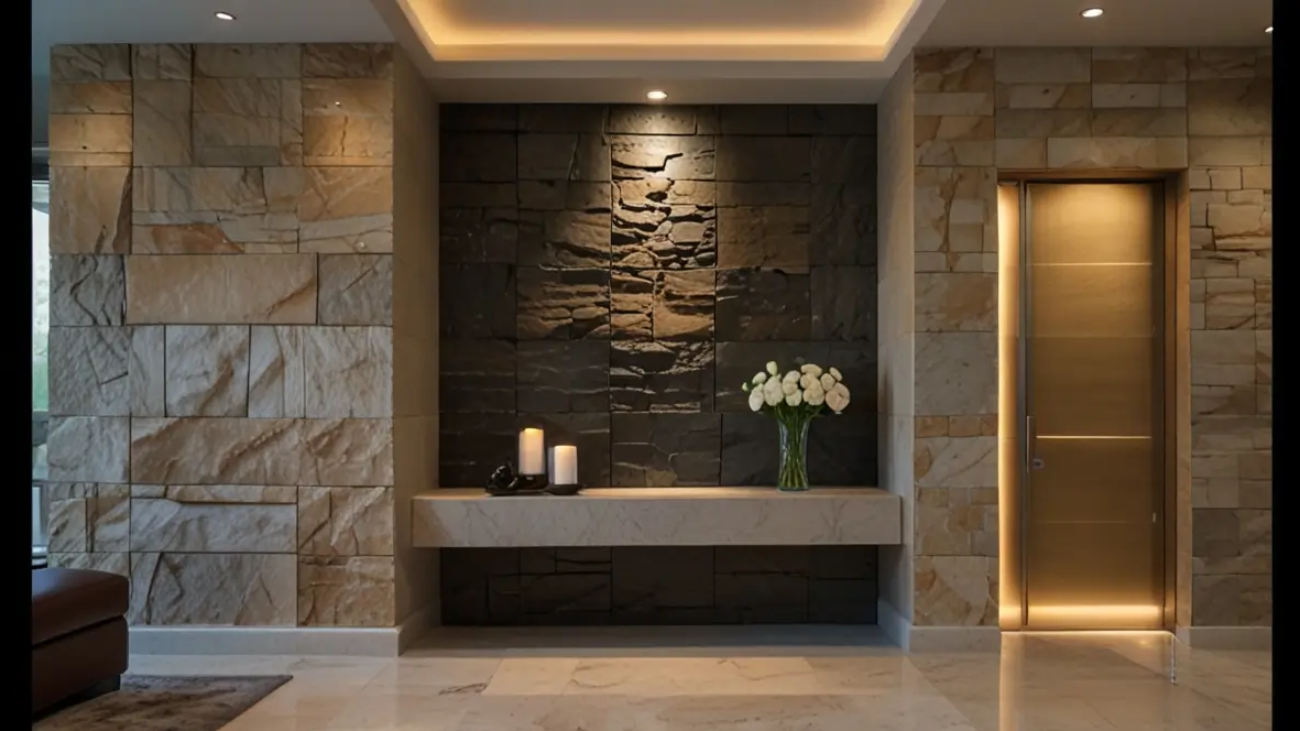
Natural stone is a versatile material that can be used in a wide range of applications, from residential to commercial projects. It is commonly used for kitchen countertops, bathroom vanities, flooring, cladding, fireplace surrounds, outdoor patios, and landscaping features. Its timeless appeal and durability make it a popular choice for both interior and exterior design.

Synthetic materials are also versatile in their applications and uses. They are commonly used for kitchen countertops, bathroom vanities, wall cladding, flooring, outdoor pavers, and furniture surfaces. Their consistent appearance and durability make them suitable for various design styles and environments.

In conclusion, both natural stone and synthetic materials offer unique qualities and benefits that make them suitable for different applications and design preferences. Whether you prefer the timeless beauty of natural stone or the consistent performance of synthetic materials, it is important to consider factors such as durability, aesthetics, environmental impact, maintenance, cost, and applications when making a decision for your project. By understanding the characteristics of each material and their suitability for specific uses, you can make an informed choice that meets your design goals and lifestyle needs.

If you’re interested in learning more about the different types of materials available for kitchen countertops, you should check out this article on selecting the best ultra-compact surface. It provides valuable information on the benefits and features of ultra-compact surfaces, which can help you make an informed decision when choosing between natural stone and synthetic materials for your kitchen countertops.

FAQs

What are natural stones?

Natural stones are materials that are formed in nature, such as granite, marble, limestone, and slate. They are quarried from the earth and then cut and polished for use in various applications.

What are synthetic materials?

Synthetic materials are man-made products that are created using chemical processes. Examples include quartz countertops, porcelain tiles, and engineered stone.

What are the differences between natural stones and synthetic materials?

Natural stones are formed by geological processes over thousands or millions of years, while synthetic materials are manufactured in factories. Natural stones have unique variations in color and pattern, while synthetic materials can be more uniform in appearance. Natural stones are also more porous and may require sealing, while synthetic materials are often non-porous and require less maintenance.

What are the advantages of natural stones?

Natural stones are known for their durability, timeless beauty, and unique characteristics. They can add value to a property and are often considered a luxury material. Natural stones also have a lower environmental impact compared to synthetic materials.

What are the advantages of synthetic materials?

Synthetic materials are often more affordable than natural stones and can be manufactured to have specific characteristics, such as uniform color and pattern. They are also non-porous and resistant to staining, making them easier to maintain in some cases.

Which is better, natural stone or synthetic materials?

The choice between natural stone and synthetic materials depends on individual preferences, budget, and the specific application. Both have their own advantages and disadvantages, and the decision should be based on factors such as aesthetics, durability, maintenance, and environmental impact.

How to Choose a Reliable Stone Supplier

How to Choose a Reliable Stone Supplier

When selecting reliable stone suppliers, it is essential to thoroughly investigate their reputation. This can be accomplished by examining online reviews and customer testimonials, which provide insights into the supplier’s product quality and customer service. Seeking recommendations from industry professionals or businesses with experience in stone procurement can also be valuable.

Gathering information from multiple sources allows for a comprehensive evaluation of potential suppliers. Assessing a supplier’s industry experience and expertise is equally important. Suppliers with extensive experience are more likely to offer reliable, high-quality products and possess in-depth knowledge of various stone types.

They can provide expert guidance on selecting the most suitable stone for specific applications. Choosing a supplier with a proven track record and industry expertise increases the likelihood of receiving quality stone products that meet project requirements.

Assessing the Quality of Stone Products

Requesting Samples: The First Step in Quality Evaluation

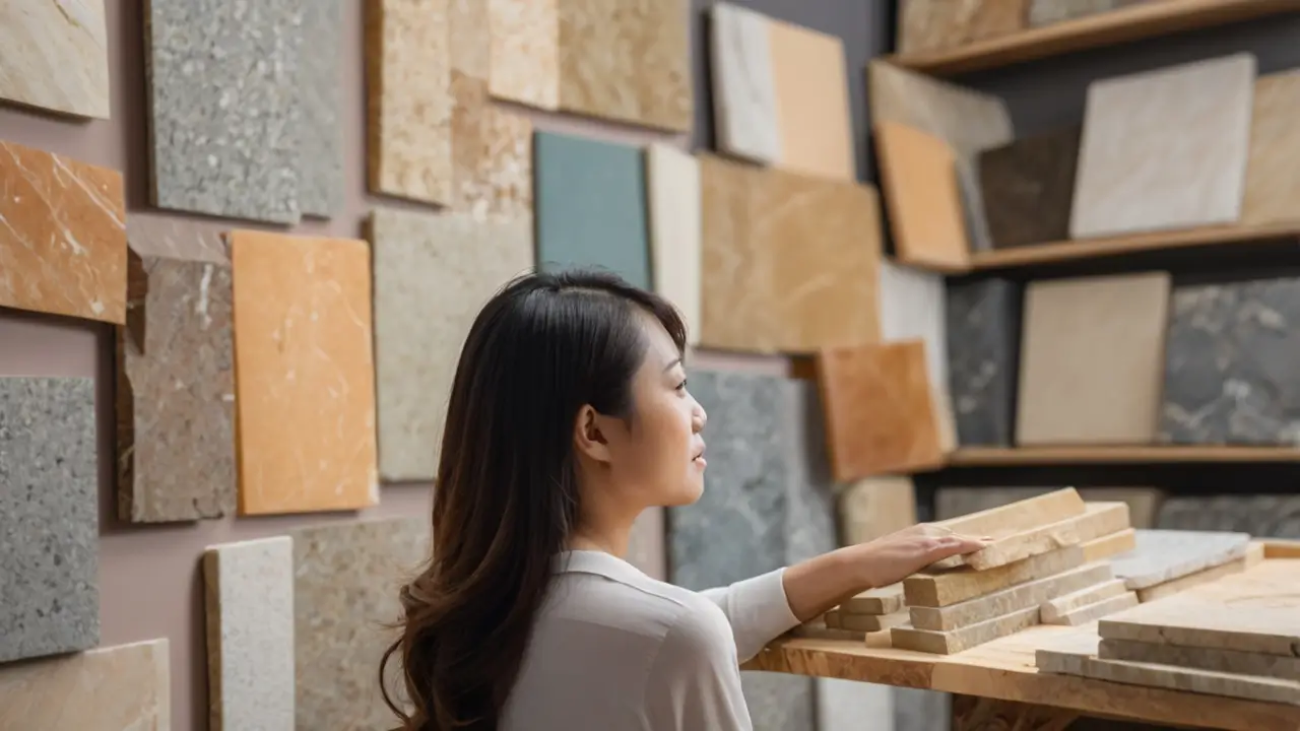
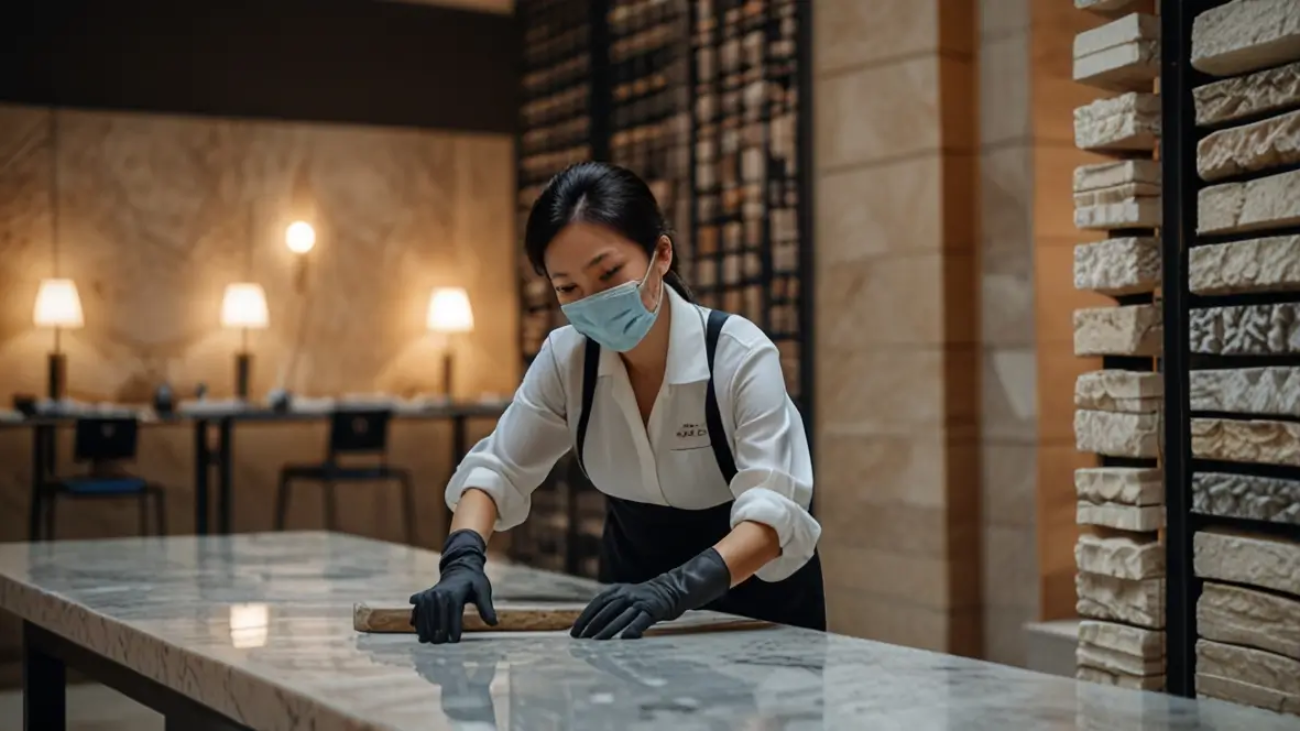
When evaluating stone suppliers, it’s essential to assess the quality of their products. This can be done by requesting samples of the stone products you are interested in. By examining the samples, you can assess the color, texture, and overall quality of the stone.

Assessing the Supplier’s Product Range and Manufacturing Process

Look for suppliers who offer a wide range of high-quality stone options, including marble, granite, limestone, and more. Additionally, inquire about the sourcing and manufacturing processes used by the supplier to ensure that their products meet industry standards for quality and durability.

Quality Control: A Key Factor in Supplier Selection

In addition to examining samples, it’s important to inquire about the supplier’s quality control processes. Ask about their inspection procedures and any certifications they have obtained to ensure that their products meet industry standards. A reputable supplier will be transparent about their quality control measures and will be able to provide evidence of their commitment to delivering top-notch stone products.

Comparing Pricing and Quotes from Different Suppliers

When sourcing stone products, it’s important to compare pricing and quotes from different suppliers to ensure that you are getting the best value for your investment. Start by requesting detailed quotes from multiple suppliers, including information on the cost of the stone products, delivery fees, and any additional charges. By comparing quotes side by side, you can identify any significant price discrepancies and gain insight into the overall cost of working with each supplier.

In addition to comparing pricing, it’s important to consider the overall value offered by each supplier. This includes assessing factors such as the quality of the stone products, customer service, and delivery timelines. While it’s important to find a supplier that offers competitive pricing, it’s equally important to consider the overall value they provide.

Look for suppliers who offer a balance of competitive pricing and high-quality products, as well as excellent customer service and support. By carefully comparing pricing and quotes from different suppliers, you can make an informed decision and select a supplier that offers the best overall value for your needs.

Evaluating the Range of Stone Options Available

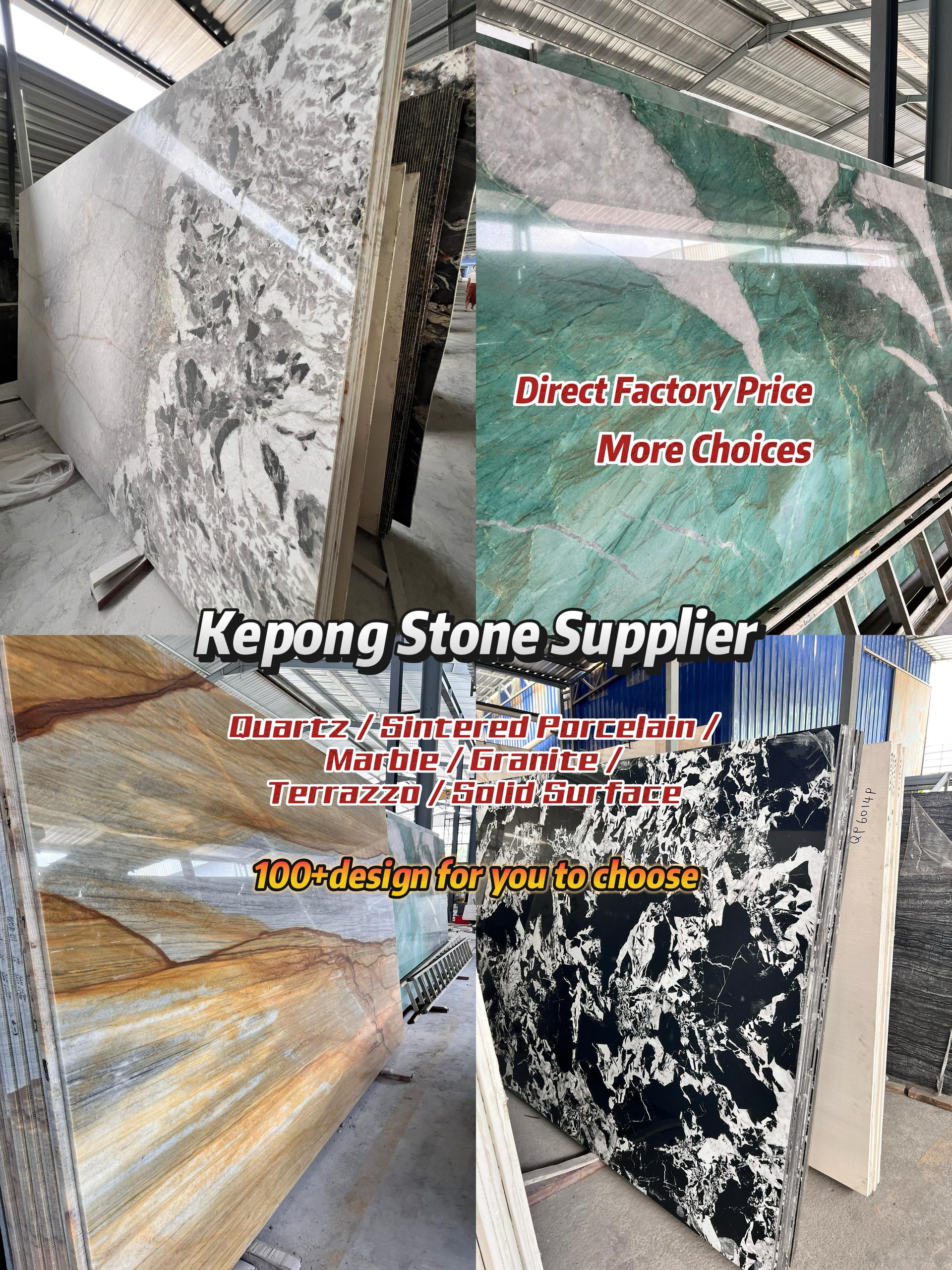
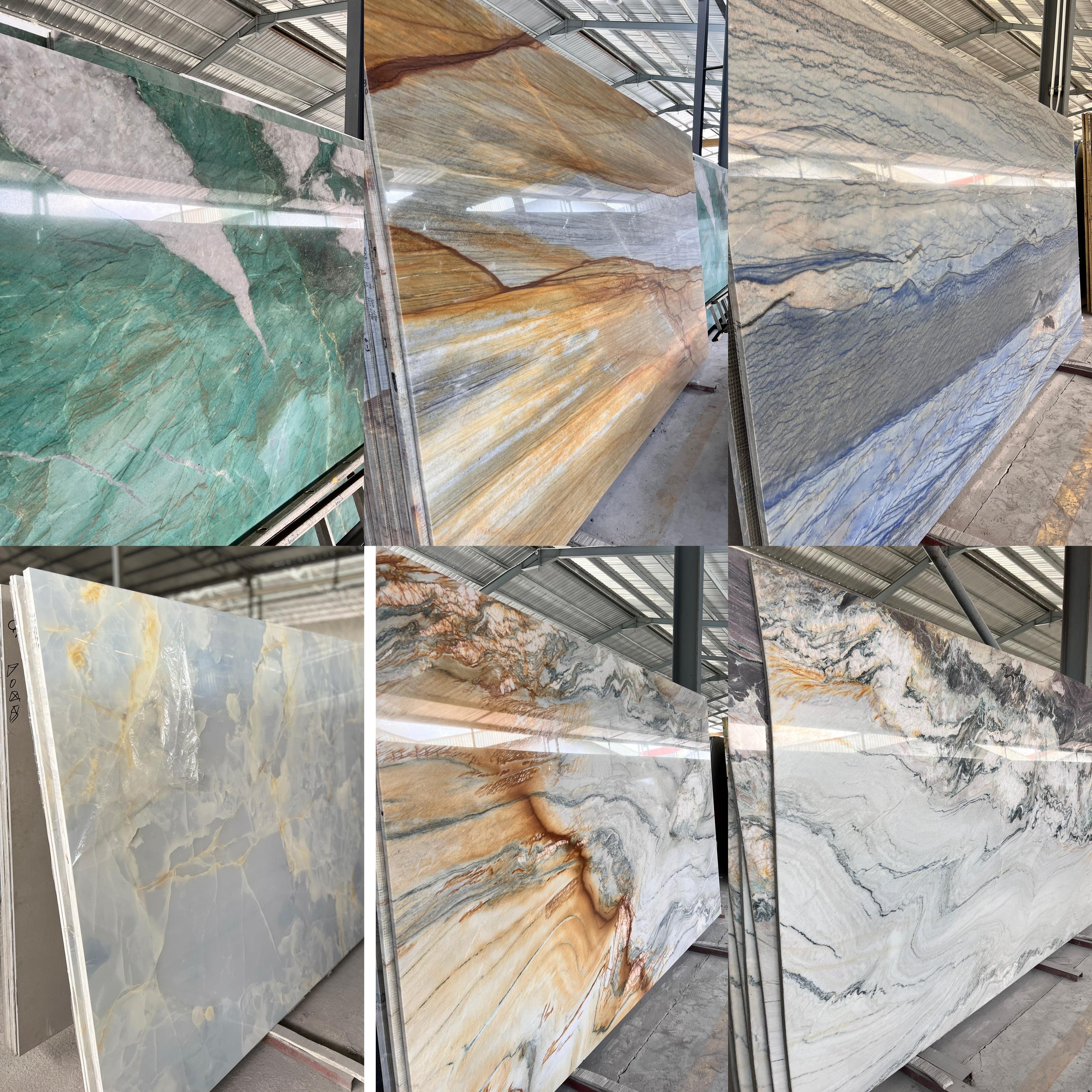
When choosing a stone supplier, it’s important to evaluate the range of stone options available to ensure that you can find the perfect products for your specific needs. Look for suppliers who offer a wide variety of stone types, colors, and finishes to accommodate different design preferences and project requirements. Whether you are looking for marble for a luxurious interior space or granite for a durable outdoor application, a diverse range of options allows you to find the ideal stone products for your project.

In addition to considering the variety of stone options available, it’s important to assess the availability of custom options and specialty products. Some projects may require unique or custom-cut stone products, so it’s essential to work with a supplier who can accommodate these needs. By evaluating the range of stone options available from different suppliers, you can ensure that you have access to a diverse selection of high-quality products that meet your specific project requirements.

Checking for Certifications and Industry Standards

When sourcing stone products, it’s important to check for certifications and industry standards to ensure that you are working with a reputable and reliable supplier. Look for suppliers who have obtained certifications from recognized industry organizations, such as the Natural Stone Institute or the Marble Institute of America. These certifications demonstrate a commitment to quality and ethical business practices, providing assurance that the supplier meets industry standards for excellence.

In addition to certifications, it’s important to inquire about the sourcing and manufacturing processes used by the supplier to ensure that their products meet industry standards for quality and sustainability. Ask about any environmental certifications or sustainable practices that the supplier follows to ensure that their products are responsibly sourced and manufactured. By checking for certifications and industry standards, you can have confidence in the ethical and quality-driven practices of the stone supplier you choose to work with.

Examining the Supplier’s Customer Service and Support

Key Characteristics of Excellent Customer Service

Look for suppliers who are responsive to inquiries, provide clear communication, and offer expert guidance on product selection and project requirements.

After-Sales Support and Warranties

Additionally, inquire about their after-sales support and any warranties or guarantees offered on their products.

Accommodating Project Needs

In addition to assessing customer service, it’s important to consider the supplier’s ability to accommodate your specific project needs. This includes factors such as lead times, customization options, and logistical support.

By examining the customer service and support offered by potential suppliers, you can ensure that you receive the assistance and guidance needed to make informed decisions and successfully complete your project.

Considering the Supplier’s Delivery and Logistics Capabilities

Finally, when evaluating stone suppliers, it’s important to consider their delivery and logistics capabilities to ensure that your products are delivered on time and in optimal condition. Inquire about the supplier’s shipping methods, delivery timelines, and any additional fees or charges associated with delivery. A reliable supplier will have efficient logistics processes in place to ensure that your stone products are delivered safely and promptly.

In addition to delivery timelines, it’s important to consider the supplier’s ability to accommodate large or complex orders. Whether you require a small quantity of stone products for a residential project or a large volume for a commercial development, it’s essential to work with a supplier who can fulfill your order requirements without compromising on quality or delivery timelines. By considering the delivery and logistics capabilities of potential suppliers, you can ensure that your project stays on track and that your stone products are delivered according to your specific needs.

In conclusion, sourcing stone products requires careful consideration of various factors such as reputation, quality, pricing, range of options, certifications, customer service, and delivery capabilities. By thoroughly researching potential suppliers and assessing these key aspects, you can make an informed decision and select a reliable partner for your stone sourcing needs. Whether you are working on a residential renovation or a large-scale commercial project, choosing the right stone supplier is essential for achieving successful outcomes and creating stunning spaces that stand the test of time.

If you’re looking for more information on selecting the best granite stone in Malaysia, check out this helpful article on solidtop.com.my. This article provides valuable insights and tips for choosing the right granite stone for your project, making it a great complement to the advice on choosing a reliable stone supplier.

FAQs

What factors should I consider when choosing a stone supplier?

When choosing a stone supplier, consider factors such as the supplier’s reputation, experience, product quality, pricing, customer service, and delivery options.

How can I determine a stone supplier’s reputation?

You can determine a stone supplier’s reputation by researching online reviews, asking for references, and checking if they are a member of industry associations or have certifications.

What should I look for in terms of product quality?

When assessing product quality, look for a stone supplier that offers a wide variety of high-quality stones, provides detailed product information, and has a quality control process in place.

How important is customer service when choosing a stone supplier?

Customer service is crucial when choosing a stone supplier as it can impact your overall experience. Look for a supplier that is responsive, knowledgeable, and willing to provide assistance throughout the purchasing process.

What are some important delivery options to consider?

When choosing a stone supplier, consider their delivery options such as shipping costs, delivery times, and the ability to accommodate your specific project requirements.

Why is experience an important factor in choosing a stone supplier?

Experience is important when choosing a stone supplier as it indicates their knowledge of the industry, ability to handle various projects, and track record of delivering quality products and services.

Natural Stone for Bathroom Vanities

The Best Natural Stone for Bathroom Vanities

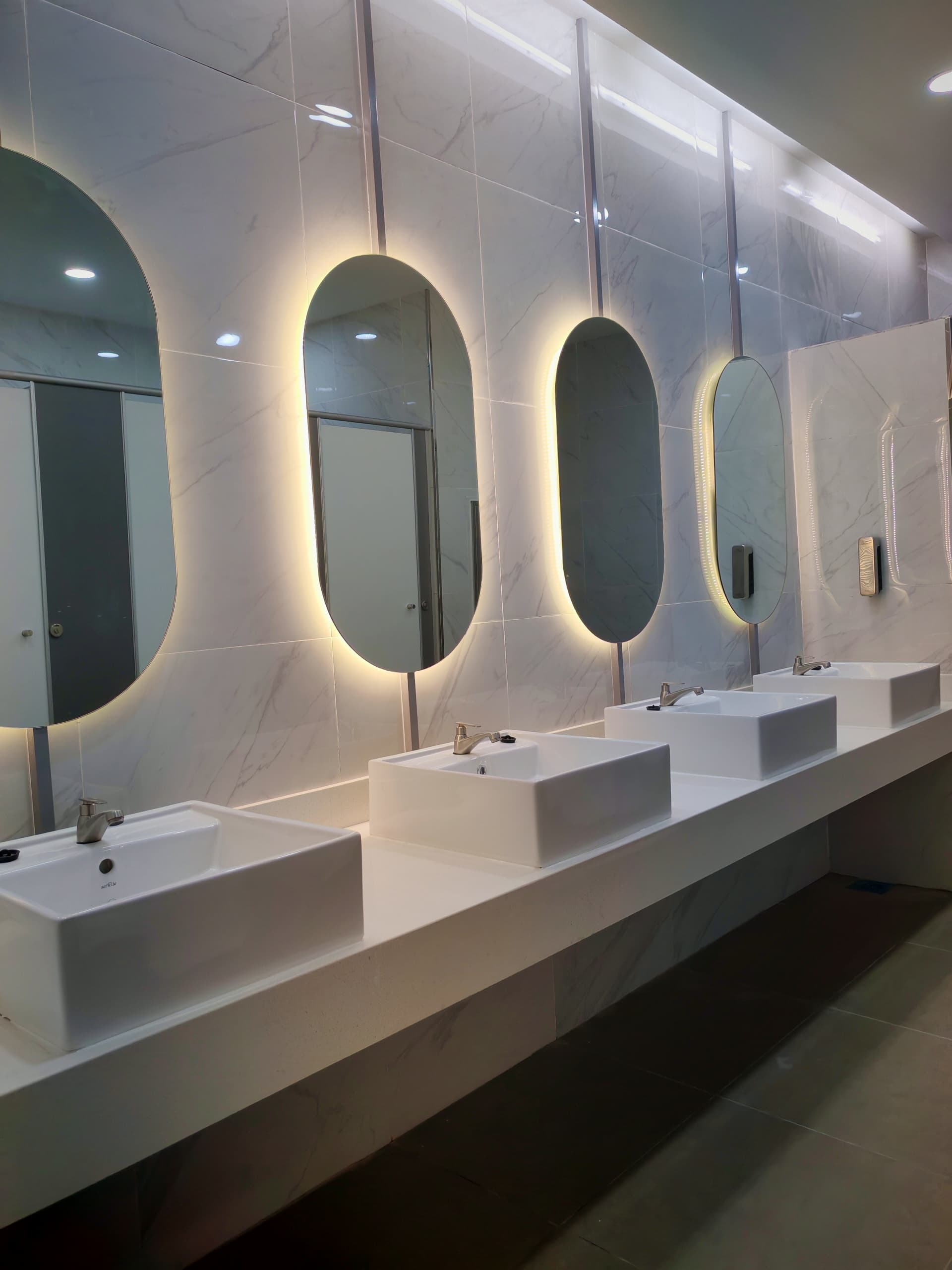
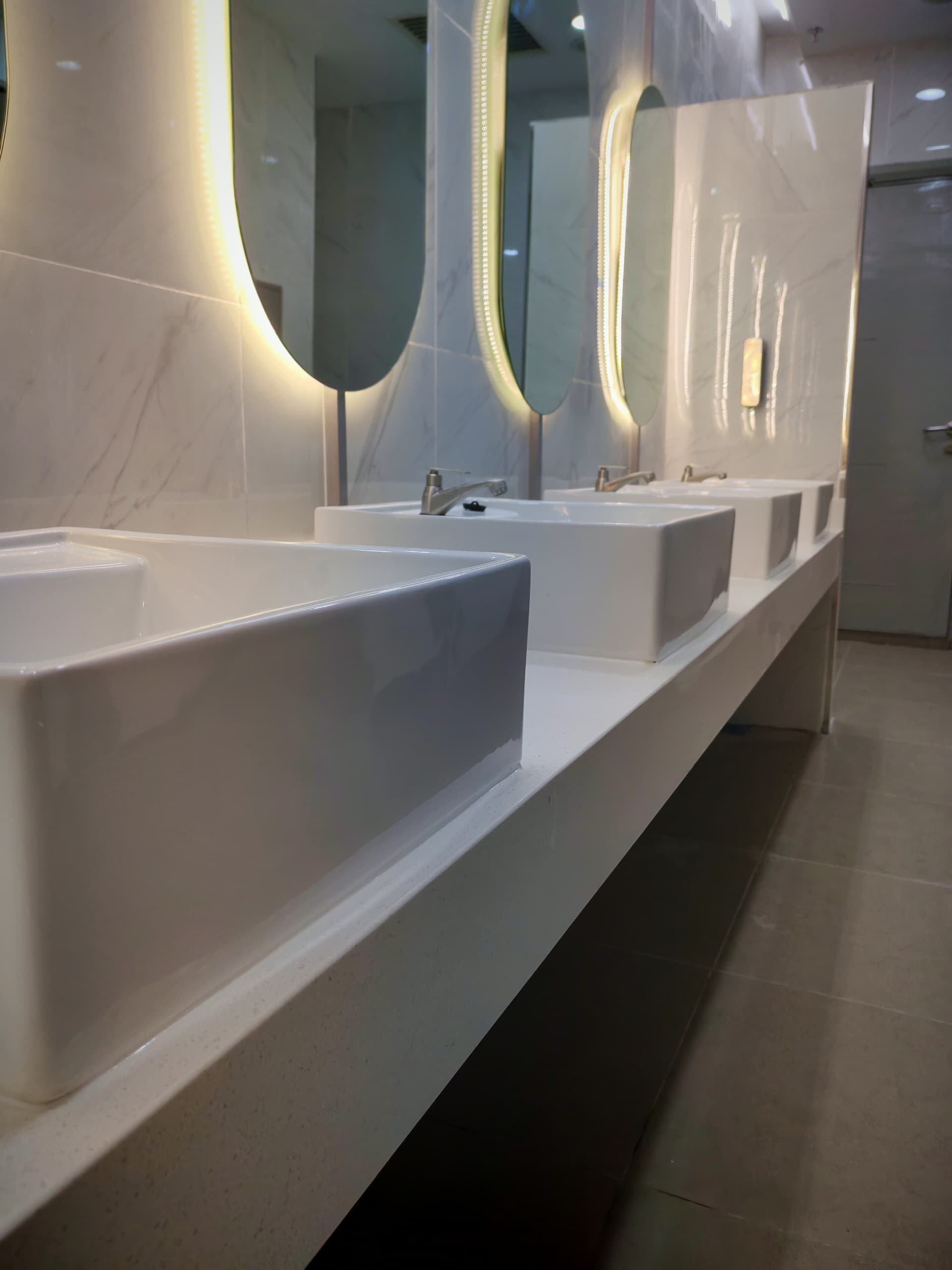
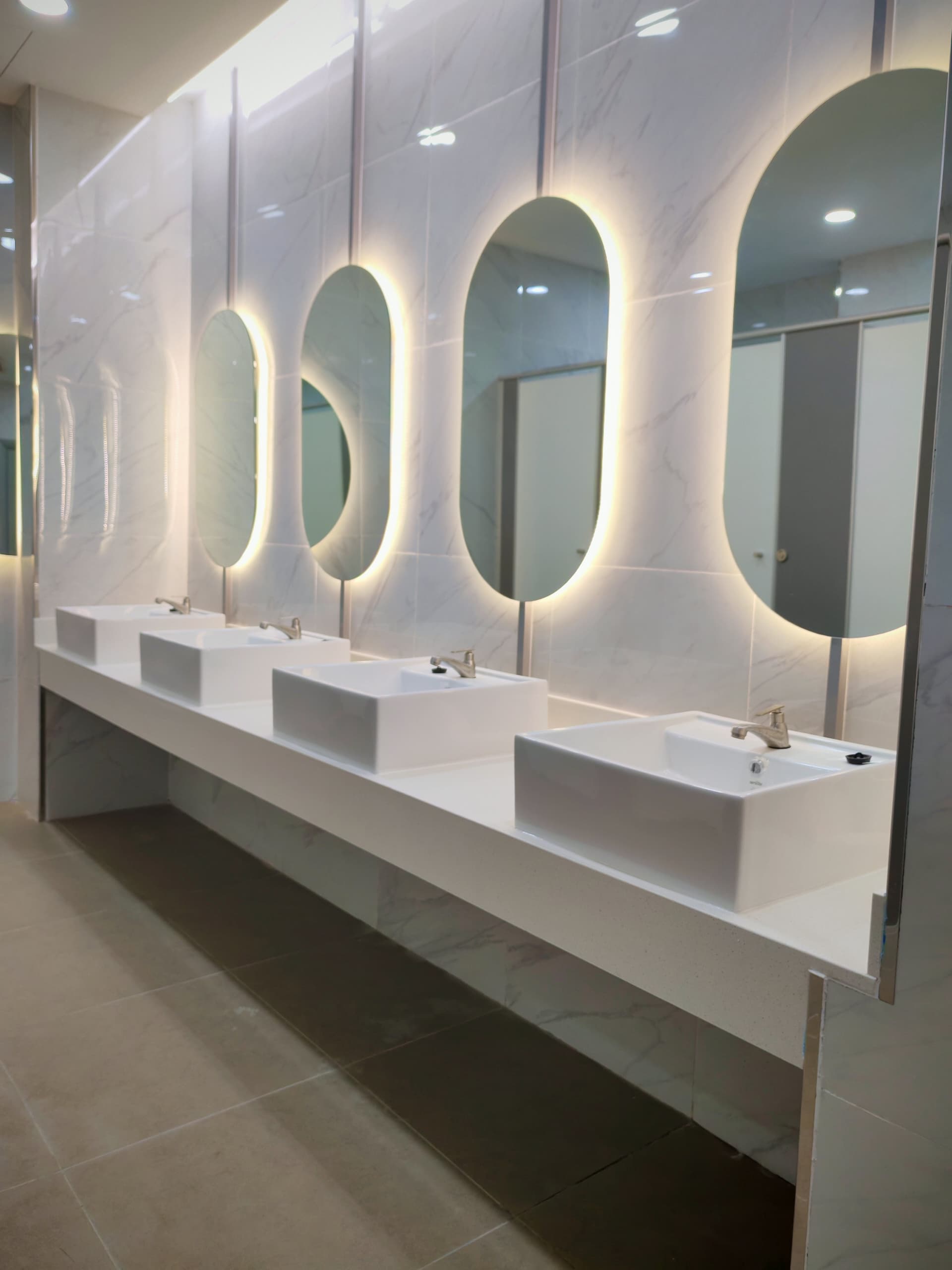
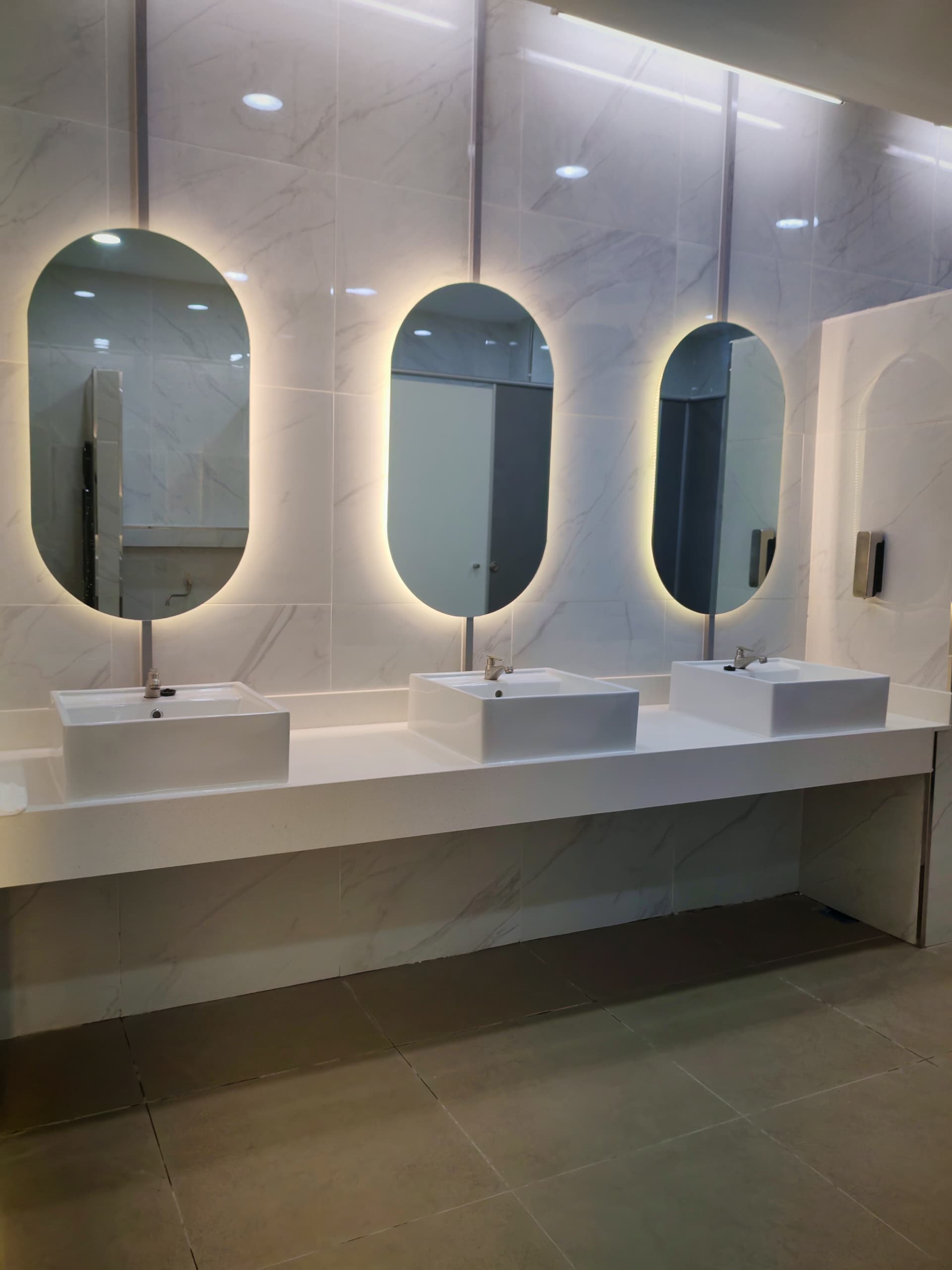
Natural stone for bathroom vanities are a popular choice for homeowners seeking to enhance their bathrooms with elegance and luxury. These vanities are crafted from various types of natural stone, each possessing unique characteristics and advantages. Common options include marble, granite, quartzite, limestone, travertine, and soapstone.

This article will examine the different types of natural stone used for bathroom vanities, highlighting their individual properties and explaining why they are excellent choices for bathroom design. When selecting natural stone bathroom vanities, several factors should be considered, including durability, maintenance requirements, and aesthetic appeal. Each type of natural stone offers distinct advantages, making it essential for homeowners to carefully evaluate their options before making a decision.

Options range from timeless and luxurious marble to durable and low-maintenance granite, as well as unique and strong quartzite. Natural stone bathroom vanities are available to suit various styles and preferences. This article will explore the world of natural stone bathroom vanities and discuss the beauty and benefits of each stone type.

Marble: A Timeless and Luxurious Choice

The Versatility of Marble

This natural stone is available in a wide range of colors and patterns, allowing homeowners to find the perfect marble vanity to complement their bathroom decor.

Maintenance and Durability

While marble is undeniably stunning, it’s important to note that it does require regular maintenance to keep it looking its best. Proper sealing and cleaning are essential to prevent staining and etching, but with the right care, a marble bathroom vanity can last for years to come. In addition to its aesthetic appeal, marble is also a durable and heat-resistant material, making it an excellent choice for bathroom vanities.

A Timeless Choice for Bathroom Vanities

Its natural strength and resistance to heat make it a practical option for everyday use in the bathroom. Whether you prefer classic white Carrara marble or a more dramatic Calacatta marble with bold veining, there is a marble bathroom vanity to suit every taste and style. With its timeless beauty and enduring appeal, marble is a luxurious choice for homeowners looking to create a sophisticated and elegant bathroom space.

Granite: Durable and Low-Maintenance

Granite is another popular choice for natural stone bathroom vanities, prized for its durability and low-maintenance qualities. This igneous rock is formed from molten magma, giving it incredible strength and resistance to heat and scratches. Granite is available in a wide range of colors and patterns, making it easy to find the perfect granite vanity to complement any bathroom decor.

Whether you prefer a sleek black granite or a warm golden hue, granite offers a versatile and durable option for bathroom vanities. One of the key benefits of granite is its low-maintenance nature. This natural stone is resistant to stains and easy to clean, making it an ideal choice for busy bathrooms.

With proper sealing, granite bathroom vanities can withstand daily use without showing signs of wear and tear. In addition to its practicality, granite also adds a touch of luxury to any bathroom with its natural beauty and unique patterns. Whether you choose a polished or honed finish, a granite bathroom vanity is sure to make a statement in any bathroom space.

With its durability and low-maintenance qualities, granite is an excellent choice for homeowners looking for a practical yet stylish option for their bathroom vanities.

Quartzite: Strong and Unique

Quartzite is a natural stone that offers both strength and unique beauty, making it an excellent choice for bathroom vanities. Formed from sandstone and quartz under intense heat and pressure, quartzite is an incredibly strong and durable material that can withstand the demands of daily use in the bathroom. This natural stone is available in a wide range of colors and patterns, from soft whites and greys to bold blues and greens, making it easy to find the perfect quartzite vanity to suit any bathroom decor.

In addition to its strength, quartzite also offers a unique and striking appearance that adds character to any bathroom space. With its natural veining and subtle shimmer, quartzite creates a one-of-a-kind look that can’t be replicated with any other material. Whether you prefer a sleek and modern design or a more rustic and traditional style, quartzite offers endless possibilities for creating a stunning bathroom vanity.

With its strength and unique beauty, quartzite is an excellent choice for homeowners looking for a durable and distinctive option for their bathroom vanities.

Limestone: Soft and Elegant

Limestone is a soft and elegant natural stone that adds a touch of warmth and sophistication to any bathroom space. This sedimentary rock is formed from the remains of marine organisms, giving it a unique texture and character that sets it apart from other types of natural stone. Limestone is available in a variety of earthy tones, from creamy whites to soft greys and warm beiges, making it easy to find the perfect limestone vanity to complement any bathroom decor.

One of the key benefits of limestone is its soft and inviting appearance, which creates a sense of warmth and elegance in the bathroom. This natural stone adds a touch of timeless beauty to any space with its subtle veining and delicate texture. While limestone does require regular maintenance to prevent staining and etching, with proper care, it can last for years to come.

Whether you prefer a honed or polished finish, a limestone bathroom vanity adds a touch of understated luxury to any bathroom space. With its soft and elegant appearance, limestone is an excellent choice for homeowners looking to create a warm and inviting atmosphere in their bathrooms.

Travertine: Rustic and Warm

Unique Characteristics of Travertine

One of the key benefits of travertine is its rustic and warm appearance, which creates a cozy and inviting atmosphere in the bathroom. This natural stone adds character to any space with its natural pits and voids, giving it a distinctive look that can’t be replicated with any other material.

Maintenance and Durability

While travertine does require regular maintenance to prevent staining and etching, with proper care, it can last for years to come.

Adding Old-World Charm to Your Bathroom

Whether you prefer a tumbled or polished finish, a travertine bathroom vanity adds a touch of old-world charm to any bathroom space. With its rustic and warm appeal, travertine is an excellent choice for homeowners looking to create a cozy and inviting atmosphere in their bathrooms.

Soapstone: Sleek and Modern

Soapstone is a sleek and modern choice for natural stone bathroom vanities, prized for its smooth texture and contemporary appeal. This metamorphic rock is formed from talc, giving it a soft and smooth surface that adds a touch of sophistication to any bathroom space. Soapstone is available in a range of dark hues, from deep charcoal greys to rich black tones, making it easy to find the perfect soapstone vanity to complement any modern bathroom decor.

One of the key benefits of soapstone is its sleek and modern appearance, which creates a clean and contemporary atmosphere in the bathroom. This natural stone adds a touch of understated elegance to any space with its smooth surface and subtle veining. While soapstone does require regular maintenance to prevent staining and etching, with proper care, it can last for years to come.

Whether you prefer a honed or oiled finish, a soapstone bathroom vanity adds a touch of modern sophistication to any bathroom space. With its sleek and modern appeal, soapstone is an excellent choice for homeowners looking to create a clean and contemporary atmosphere in their bathrooms. In conclusion, natural stone bathroom vanities offer an array of options for homeowners looking to add luxury, durability, and unique beauty to their bathrooms.

From timeless marble to durable granite, strong quartzite, soft limestone, rustic travertine, and sleek soapstone, there is a natural stone option to suit every style and preference. Each type of natural stone offers its own set of advantages, making it important for homeowners to carefully consider their options before making a decision. Whether you’re drawn to the timeless elegance of marble or the sleek modernity of soapstone, there’s no shortage of stunning choices when it comes to natural stone bathroom vanities.

With their enduring beauty and practical benefits, natural stone vanities are an excellent investment for any home.

If you’re considering using natural stone for your bathroom vanity, you may also be interested in learning about the benefits of solid surface materials. Solid surface materials are a popular choice for bathroom vanities due to their durability and versatility. To explore more about solid surface materials, check out this article on Malaysia’s Top No. 1 Trustworthy Solid Surface. This article provides valuable insights into the advantages of using solid surface materials for your bathroom vanity and other design projects.

FAQs

What are the best natural stones for bathroom vanities?

The best natural stones for bathroom vanities include marble, granite, quartzite, and soapstone. These stones are durable, resistant to moisture and heat, and come in a variety of colors and patterns.

What are the benefits of using natural stone for bathroom vanities?

Natural stone for bathroom vanities offers durability, resistance to moisture and heat, and a timeless aesthetic. It also adds value to the home and requires minimal maintenance.

How do I choose the right natural stone for my bathroom vanity?

When choosing a natural stone for your bathroom vanity, consider factors such as durability, maintenance requirements, color and pattern options, and budget. It’s also important to consider the specific needs of your bathroom, such as moisture and heat resistance.

How should I care for and maintain natural stone bathroom vanities?

To care for and maintain natural stone bathroom vanities, it’s important to regularly clean them with a mild soap and water, avoid using harsh chemicals or abrasive cleaners, and promptly clean up any spills. Additionally, it’s recommended to seal the stone periodically to protect it from stains and moisture.

Sintered Stone in Interior Design Bathroom

Revolutionizing Sintered Stone in Interior Design: Exploring the Benefits of this Innovative Material in Malaysia

What is Sintered Stone in Interior Design

Sintered Stone in Interior Design is a revolutionary material that has gained significant popularity in the field of interior design. It is a type of engineered stone that is made by compressing and heating natural minerals at extremely high temperatures. The result is a durable and versatile material that can be used in a wide range of applications, from countertops and flooring to furniture and decorative elements.

Materials play a crucial role in interior design as they not only determine the aesthetic appeal of a space but also impact its functionality and durability. Sintered stone offers numerous advantages over other materials, making it an ideal choice for interior design projects. Its unique properties make it resistant to scratches, stains, and heat, while also being non-porous and hygienic. Additionally, sintered stone is UV resistant and color stable, ensuring that it maintains its original appearance over time.

The history of sintered stone dates back to the 1980s when it was first developed as a material for industrial applications. However, it wasn’t until recent years that it gained recognition in the field of interior design. Today, sintered stone in Interior Design is widely used by architects and designers around the world for its exceptional qualities and aesthetic appeal.

The Advantages of Sintered Stone in Comparison to Other Materials

When compared to natural stone, porcelain, and quartz, sintered stone offers several advantages that make it a superior choice for interior design projects. One of the key advantages is its resistance to scratches, stains, and heat. Unlike natural stone, which can be easily damaged by sharp objects or hot pans, sintered stone is highly durable and can withstand heavy use without showing signs of wear.

Another advantage of sintered stone in Interior Design is its non-porous and hygienic properties. Unlike porous materials like natural stone or wood, sintered stone does not absorb liquids or harbor bacteria, making it easy to clean and maintain. This makes it an ideal choice for kitchen countertops and bathroom surfaces where hygiene is of utmost importance.

Sintered stone is also UV resistant and color stable, meaning that it will not fade or discolor over time. This is particularly important for applications in outdoor spaces or areas with direct sunlight exposure. Unlike quartz, which can fade or change color when exposed to UV rays, sintered stone maintains its original appearance even in harsh conditions.

The Durability and Longevity of Sintered Stone in Interior Design

One of the key advantages of sintered stone is its exceptional durability and longevity. Unlike other materials that may require frequent replacement or repair, sintered stone has a lifespan of several decades, making it a cost-effective choice in the long run.

Sintered stone is highly resistant to wear and tear, making it suitable for high-traffic areas such as commercial spaces or busy households. Its scratch-resistant properties ensure that it maintains its original appearance even after years of use. Additionally, sintered stone requires minimal maintenance, further enhancing its durability and longevity.

Unlike natural stone, which may require regular sealing or polishing to maintain its appearance, sintered stone is virtually maintenance-free. It can be easily cleaned with mild soap and water, eliminating the need for specialized cleaning products or procedures. This not only saves time and effort but also reduces the overall maintenance costs associated with interior design projects.

The Versatility of Sintered Stone in Creating Unique and Custom Designs

Design AspectMetric
FlexibilityCan be cut into various shapes and sizes
ColorAvailable in a wide range of colors
TextureCan be made to mimic natural stone textures
StrengthHigh compressive strength and resistance to scratches and stains
Environmentally friendlyMade from natural materials and can be recycled
CustomizationCan be customized with unique patterns and designs

Sintered stone offers a wide range of design possibilities, thanks to its versatility and customizable properties. It comes in a variety of colors, patterns, and textures, allowing designers to create unique and personalized spaces. Whether you’re looking for a sleek and modern look or a more rustic and natural aesthetic, sintered stone can be tailored to suit your design preferences.

In addition to its aesthetic versatility, sintered stone also offers practical advantages in terms of size and shape. It is available in large format and thin slabs, making it suitable for applications that require seamless surfaces or oversized designs. Furthermore, sintered stone can be easily cut and shaped into custom sizes and shapes, allowing for endless design possibilities.

Sintered stone is compatible with different styles and applications, making it a versatile choice for interior design projects. Whether you’re designing a residential kitchen, a commercial space, or a public area, sintered stone can be used to create stunning and functional designs that meet your specific requirements.

How Sintered Stone is Revolutionizing the Interior Design Industry in Malaysia

Sintered stone has gained significant popularity and demand in the interior design industry in Malaysia. Architects and designers are increasingly choosing sintered stone for their projects due to its exceptional qualities and aesthetic appeal.

One of the reasons for the growing popularity of sintered stone is its ability to create unique and customized designs. From high-end residential projects to commercial spaces, sintered stone offers endless possibilities for creating stunning and functional interiors. Its versatility and customizable properties allow designers to push the boundaries of creativity and innovation.

Several successful projects in Malaysia have showcased the potential of sintered stone in interior design. From luxury hotels and resorts to high-end residential developments, sintered stone has been used to create breathtaking designs that leave a lasting impression. Its durability, versatility, and aesthetic appeal make it an ideal choice for projects that require both style and functionality.

Collaboration between architects, designers, and sintered stone manufacturers has played a crucial role in driving innovation in the industry. By working together, they have been able to push the boundaries of design and create unique solutions that meet the specific needs of each project. This collaboration has not only resulted in stunning interiors but has also contributed to the growth and development of the interior design industry in Malaysia.

The Environmental Benefits of Sintered Stone in Interior Design

In addition to its aesthetic and functional advantages, sintered stone in Interior Design also offers several environmental benefits. The production process of sintered stone in Interior Design is sustainable and eco-friendly, making it a responsible choice for interior design projects.

Sintered stone in Interior Design is made from natural minerals that are abundant and readily available. The production process involves compressing and heating these minerals at high temperatures, without the use of harmful chemicals or additives. This ensures that the material is safe for both humans and the environment.

Furthermore, sintered stone in Interior Design is a recyclable and reusable material. At the end of its lifespan, it can be crushed and used as a raw material for the production of new sintered stone slabs. This reduces waste and minimizes the environmental impact associated with the disposal of construction materials.

Sintered stone in Interior Design also has a reduced carbon footprint compared to other materials. Its production process requires less energy and water, resulting in lower greenhouse gas emissions and water consumption. Additionally, sintered stone in Interior Design is certified and compliant with environmental standards, ensuring that it meets the highest sustainability criteria.

The Cost-Effectiveness of Sintered Stone in the Long Run

While the initial investment in sintered stone may be higher compared to other materials, its long-term savings make it a cost-effective choice for interior design projects. Sintered stone’s exceptional durability and longevity mean that it does not require frequent replacement or repair, resulting in significant cost savings over time.

Unlike natural stone or porcelain, which may require regular sealing or polishing to maintain their appearance, sintered stone is virtually maintenance-free. This eliminates the need for specialized cleaning products or procedures, reducing the overall maintenance costs associated with interior design projects.

Sintered stone also offers energy efficiency and insulation properties, further contributing to long-term cost savings. Its thermal properties help to regulate indoor temperatures, reducing the need for heating or cooling systems. This not only saves energy but also lowers utility bills, resulting in significant cost savings over the lifespan of the material.

Furthermore, sintered stone can increase the value of a property and provide a higher return on investment. Its durability, versatility, and aesthetic appeal make it an attractive feature for potential buyers or tenants. By choosing sintered stone for interior design projects, property owners can enhance the value of their investment and achieve a higher return in the long run.

The Maintenance and Care of Sintered Stone in Interior Design

While sintered stone is known for its durability and low maintenance requirements, proper care is still essential to ensure its longevity and appearance. Here are some tips for cleaning and maintaining sintered stone in interior design projects:

1. Regular cleaning: Sintered stone can be easily cleaned with mild soap and water. Avoid using abrasive or acidic cleaners as they may damage the surface. Wipe spills immediately to prevent staining.

2. Disinfecting: Sintered stone is naturally hygienic, but it is still important to disinfect surfaces regularly, especially in high-traffic areas or spaces where food is prepared. Use a mild disinfectant or a mixture of water and vinegar to kill bacteria and viruses.

3. Prevention of damage: Avoid placing hot pans or sharp objects directly on sintered stone surfaces as they may cause damage. Use trivets or cutting boards to protect the surface from heat and scratches.

4. Sealing and polishing: Unlike natural stone, sintered stone does not require sealing or polishing. However, if desired, a specialized sealer or polish can be applied to enhance the appearance and protect the surface from stains.

5. Professional maintenance services: If sintered stone surfaces become heavily stained or damaged, it is recommended to seek professional maintenance services. They have the expertise and tools to restore the surface to its original condition.

By following these maintenance tips, sintered stone surfaces can maintain their appearance and functionality for many years, ensuring that your interior design projects stand the test of time.

The Different Applications of Sintered Stone in Interior Design

Sintered stone can be used in a wide range of applications, making it a versatile choice for interior design projects. Here are some of the common applications of sintered stone:

1. Kitchen countertops and backsplashes: Sintered stone is an ideal choice for kitchen countertops and backsplashes due to its durability, resistance to heat and stains, and hygienic properties. It can withstand heavy use and is easy to clean, making it suitable for busy households or commercial kitchens.

2. Bathroom walls and floors: Sintered stone is also commonly used in bathrooms due to its non-porous and hygienic properties. It can be used for walls, floors, and even shower enclosures, creating a seamless and elegant look.

3. Flooring and stairs: Sintered stone is highly durable and resistant to wear and tear, making it suitable for high-traffic areas such as hallways, living rooms, or commercial spaces. Its large format slabs create a seamless look, while its non-slip properties ensure safety on stairs or wet areas.

4. Furniture and decorative elements: Sintered stone can be used to create unique furniture pieces or decorative elements such as tabletops, shelves, or wall panels. Its versatility and customizable properties allow designers to create one-of-a-kind designs that complement the overall aesthetic of a space.

By using sintered stone in these applications, architects and designers can create stunning and functional interiors that meet the specific needs of each project.

The Future of Interior Design with Sintered Stone in Malaysia

Sintered stone has revolutionized the interior design industry in Malaysia, offering numerous benefits and advantages over other materials. Its exceptional durability, versatility, and aesthetic appeal have made it a popular choice among architects, designers, and consumers.

The future of interior design in Malaysia with sintered stone looks promising. As the demand for sustainable and eco-friendly materials continues to grow, sintered stone is expected to play a significant role in shaping the industry. Its environmental benefits, cost-effectiveness, and low maintenance requirements make it an attractive choice for both residential and commercial projects.

However, education and awareness are crucial in ensuring the widespread adoption of sintered stone in the industry. Architects, designers, and consumers need to be informed about the benefits and advantages of sintered stone to make informed decisions. By promoting the use of sintered stone and encouraging collaboration between industry professionals, we can drive innovation and creativity in the field of interior design.

In conclusion, sintered stone has transformed the interior design industry in Malaysia, offering exceptional durability, versatility, and aesthetic appeal. Its unique properties make it an ideal choice for a wide range of applications, from kitchen countertops to flooring and furniture. With its growing popularity and demand, sintered stone is set to revolutionize the way we design and create spaces in the future. It is up to architects, designers, and consumers to embrace this innovative material and unlock its full potential in interior design projects.

If you’re interested in learning more about Sintered Stone Malaysia, you might also want to check out this informative article on Solid Top’s website: “A Guide to Selecting the Best Solid Surface in Malaysia.” This comprehensive guide provides valuable insights and tips on choosing the perfect solid surface for your needs. Whether you’re looking for durability, aesthetics, or functionality, this article will help you make an informed decision. Click here to read the article and discover the best solid surface options available in Malaysia.

FAQs

What is sintered stone?

Sintered stone is a type of engineered stone made from natural materials such as clay, feldspar, and silica that are compressed and heated to create a dense, durable material.

What are the benefits of using sintered stone?

Sintered stone is highly resistant to scratches, stains, and heat, making it an ideal material for kitchen countertops, flooring, and outdoor surfaces. It is also non-porous, which means it does not absorb liquids or bacteria, making it easy to clean and maintain.

Where can sintered stone be used?

Sintered stone can be used in a variety of applications, including kitchen countertops, bathroom vanities, flooring, wall cladding, and outdoor surfaces such as patios and pool decks.

Is sintered stone environmentally friendly?

Sintered stone is made from natural materials and is 100% recyclable, making it an environmentally friendly choice for homeowners and builders.

What are some popular brands of sintered stone in Malaysia?

Some popular brands of sintered stone in Malaysia include Neolith, Lapitec, and Dekton. These brands offer a wide range of colors and patterns to choose from, making it easy to find a style that suits your design preferences.

How does sintered stone compare to other materials like granite and marble?

Sintered stone is more durable and resistant to scratches, stains, and heat than granite and marble. It is also non-porous, which means it does not require sealing like natural stone does. Additionally, sintered stone is available in a wider range of colors and patterns than natural stone.

Ultra-Compact Surface - Porcelain - AAA - Single Sided Pattern - UCS @ AAA46-60P Sintered Stone

Sintered Stone: The Future of Countertops

When it comes to choosing the perfect material for your kitchen or bathroom countertops, you want something that combines aesthetics, durability, and sustainability. Enter sintered stone, a revolutionary countertop material that’s making waves in the world of interior design. In this article, we’ll delve into the remarkable world of sintered stone and discover why it’s gaining popularity as the countertop material of the future.

What is Sintered Stone?

Sintered stone is an innovative engineered material made from a combination of natural minerals, such as quartz and porcelain, along with advanced manufacturing processes. These processes involve extreme heat and pressure, resulting in a compact, durable, and non-porous surface that resembles natural stone but offers unique advantages.

Advantages of Sintered Stone

  1. Durability: Sintered stone countertops are incredibly durable. They are resistant to scratches, stains, and impacts, making them ideal for high-traffic areas like kitchens.
  2. Heat Resistance: Sintered stone can withstand high temperatures without warping or discoloration, making it suitable for use near stovetops.
  3. Non-Porous Surface: Unlike natural stones like marble, sintered stone has a non-porous surface, which means it doesn’t absorb liquids or harbor bacteria. This makes it easy to clean and maintain.
  4. Wide Range of Designs: Sintered stone offers a vast array of design options, including realistic stone and woodgrain patterns, solid colors, and even translucent finishes.
  5. Eco-Friendly: Many sintered stone manufacturers prioritize sustainability by using recycled materials in their production processes.

Applications of Sintered Stone

One of the most exciting aspects of sintered stone is its versatility. It can be used for a wide range of applications, including:

  • Countertops: As a stunning and durable countertop material.
  • Flooring: Providing a beautiful, low-maintenance flooring option.
  • Wall Cladding: Adding a touch of elegance to walls.
  • Furniture: Creating unique, modern furniture pieces.

The Future of Sintered Stone

Sintered stone is not just a trend; it’s a revolution in interior design. Its remarkable properties make it a preferred choice for architects and designers worldwide. As technology continues to advance, we can expect even more innovative applications for sintered stone in the future.

Ready to Transform Your Space with Sintered Stone?

Contact Solid Top Sdn Bhd, a trusted industry leader with over 25 years of experience in providing premium sintered stone solutions. Our team of experts can help you explore the wide range of design options, answer your questions, and assist you in making the right choice for your project. Don’t miss out on the future of countertops – get in touch with us today!

Sintered Stone vs Quartz: Making the Right Choice for Your Countertops

Sintered Stone vs Quartz which is better?

When it comes to selecting the perfect material for your countertops, the options are vast. In today’s market, sintered stone and quartz are two materials that have gained significant attention due to their impressive qualities. But which one is the better choice for your countertops? Let’s take a closer look to help you make an informed decision.

1. Durability: Toughness Matters

When it comes to durability, both sintered stone and quartz countertops excel. Sintered stone is known for its exceptional strength, resisting scratches, chips, and impacts with ease. It can handle the daily wear and tear of a busy kitchen or bathroom without trouble.

Quartz, on the other hand, is equally robust. It’s engineered to be tough and resilient, making it resistant to stains and cracks. Quartz countertops are particularly well-regarded for their long-lasting nature.

2. Aesthetics: Beauty That Captivates

Aesthetics play a crucial role in countertop selection. Sintered stone offers a wide range of design options, from marble-like veining to woodgrain patterns and solid colors. Its ability to mimic natural stone while providing unique variations is a significant advantage.

Quartz, too, boasts a diverse palette of colors and patterns, although it typically lacks the organic veining found in sintered stone. Nevertheless, it offers a consistent appearance that appeals to many homeowners.

3. Maintenance: Easy Care

Both sintered stone and quartz countertops are relatively low-maintenance. They are non-porous, which means they resist stains and are easy to clean with mild soap and water. However, sintered stone’s non-porous surface tends to be slightly more resistant to liquids, making it an excellent choice for areas prone to spills.

4. Sustainability: Caring for the Environment

In the age of eco-conscious living, sustainability is a significant consideration. Sintered stone often incorporates recycled materials in its production, making it an environmentally friendly choice. Its long lifespan also reduces the need for replacements, further reducing environmental impact.

Quartz, while not always as environmentally friendly in its manufacturing process, compensates with its durability, reducing the frequency of replacements and waste.

Conclusion: Which One Suits You Better?

In the competition between sintered stone and quartz, there’s no clear-cut winner; it largely depends on your priorities. If you value outstanding durability and a wide range of design options, sintered stone could be the better choice. On the other hand, if you prioritize longevity and ease of maintenance, quartz may be the ideal option for you.

Ultimately, the decision between sintered stone and quartz for your countertops comes down to your specific needs, preferences, and lifestyle. Consider what matters most to you – durability, appearance, maintenance, or sustainability – and let these factors guide your choice.

Ready to Make a Decision? Contact Solid Top Sdn Bhd!

For professional guidance and expert installation, get in touch with Solid Top Sdn Bhd, with over 25 years of experience. Our team can help you make the right choice for your perfect countertops. Reach out today to start your countertop journey with confidence!