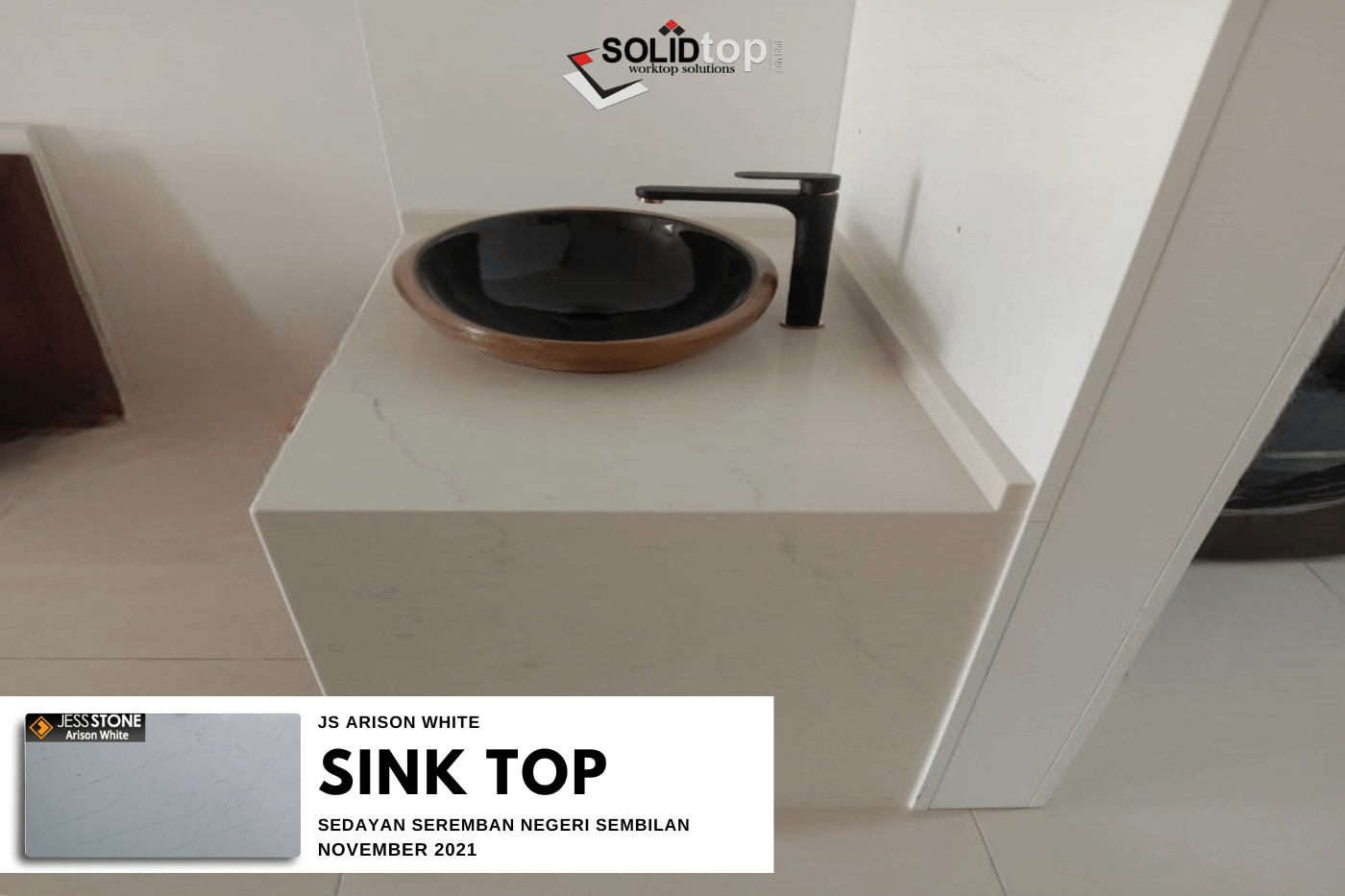
When it comes to selecting the perfect material for your bathroom, two popular choices often come to mind: marble and quartz. Both materials offer unique characteristics and aesthetic appeal that can enhance the beauty and functionality of your space. In this article, we will compare marble and quartz to help you make an informed decision about which material is the right choice for your bathroom. From understanding the properties and maintenance requirements to considering factors like durability, cost, and design options, we’ll explore the key aspects of each material to help you make the best choice for your project.
Marble is a natural stone known for its timeless beauty and elegance. It is formed from limestone that undergoes intense heat and pressure, resulting in a unique veined pattern and variety of colors. Marble offers a luxurious and sophisticated look, making it a popular choice for high-end bathrooms. However, it is important to consider its properties and maintenance requirements before making a decision.
Quartz is an engineered stone made from natural quartz crystals combined with resin and pigments. This process creates a durable and non-porous material that is resistant to stains, scratches, and heat. Quartz offers a wide range of colors and patterns, allowing for versatile design options in your bathroom. It is known for its low-maintenance nature and durability, making it a practical choice for busy bathrooms.
Durability and Maintenance:
When it comes to durability, both marble and quartz have their own strengths. Marble is a relatively soft stone and can be prone to scratches, stains, and etching if not properly sealed and maintained. On the other hand, quartz is highly durable and resistant to stains, scratches, and heat. It requires minimal maintenance and does not require sealing like marble does.
Cost Considerations:
The cost of marble and quartz can vary depending on factors such as quality, color, and availability. Marble is generally considered a more expensive option, especially for high-end varieties. Quartz, on the other hand, offers a range of price points depending on the brand and design. It is important to consider your budget when making a decision, taking into account not only the initial cost but also long-term maintenance expenses.
Design Options:
Both marble and quartz offer a wide range of design options to suit various bathroom styles and aesthetics. Marble provides a luxurious and elegant look with its unique veining patterns and color variations. Quartz, being an engineered stone, offers more consistency in color and pattern. It can mimic the look of natural stone, including marble, while providing additional design flexibility.
Choosing between marble and quartz ultimately depends on your personal preferences, budget, and lifestyle. Consider the overall design concept of your bathroom, the level of maintenance you are willing to undertake, and your desired aesthetic. Consulting with experts at Solid Top Sdn Bhd can provide valuable guidance and help you make an informed decision based on your specific needs.
Conclusion:
Deciding between marble and quartz for your bathroom is an important decision that requires careful consideration of factors such as durability, maintenance, cost, and design options. Both materials offer unique benefits and aesthetic appeal, and the choice ultimately comes down to personal preferences and project requirements. By understanding the properties and characteristics of marble and quartz, you can make a confident decision that will result in a stunning and functional bathroom space.
Seventy-three percent of respondents indicated that, over the prior 12 months, strategic CISO involvement in strategy conversations about key technologies had increased or significantly increased at their organizations. Therefore, it follows that in many organizations, chief information security officers (CISOs) should be involved in strategic business decision-making. High-quality data, strong governance, and end-to-end data security are essential to advance strategic decisions and build trust, particularly for AI outcomes.
However, achieving compliance can be complex, especially across overlapping global (DORA) and US-based standards (SEC, CIRCIA) spanning sectors. Blocking access when https://vevobahis581.com/general-security-alarm-device.html shadow AI is detected isn’t a scalable strategy on its own because it drives usage further underground rather than solving the underlying demand. The most common response overall when shadow AI is detected is to block access (35%) or bring the tool under governance and apply access controls (29%) with whatever solutions the team has available.
Leaders focused on data trust need to focus on sustainable data quality. It’s not too early to reassess data governance to align on what’s most critical. 33% of executives identify cloud-related threats as the top cyber threat they’re least prepared to address, ahead of third-party breach and supply-chain compromise
IANS News
Diana Kearns-Manolatos is a senior manager with Deloitte Services LP’s Center for Integrated Research, where she leads Deloitte’s global research on digital transformation.
More than 100 technology, cybersecurity and financial firms signed an open letter urging governments and critical infrastructure operators to prepare for a coming wave of AI-driven cyberattacks.
Prioritize discovery as the foundation of your strategy by mapping where agents operate, what they can connect to, and what they can do.
Learn more about new post-quantum cryptography standards—and how organizations should integrate these algorithms to safeguard against future quantum threats.
A rapidly shifting world order and threat environment―powered by recent, exponential leaps in technology―is putting cyber strategies to the test.
For many organizations, the fear of shadow IT continues to plague their security teams as new apps are introduced to their stack. In this report, we’ll help you benchmark your AI security against other organizations and provide actionable tips for safe, scalable AI adoption. Despite near-universal anxiety about AI-driven threats, fewer than half of CISOs we surveyed can confidently say they know where their agents are, what those agents can access, or what actions they’re authorized to take. Designed for security leaders, red team operators, and creators alike, we deliver the ultimate playbook for protecting your physical space, your digital assets, and your professional identity.
Expand your team with on-demand expertise
Regardless of why this shift has occurred, the good news is that a significant break toward growth-oriented CISOs could drive greater cyber maturity (defined in the survey as robust cybersecurity planning, key cybersecurity activities, effective board https://callmeconstruction.com/news/spying-on-a-cell-phone-without-touching-it-ethical-and-legal-considerations/ management, and the deployment of AI within the cyber program). “We’re seeing more CISOs elevated to the role of chief security officer, with far more executive responsibility,” observed Ian Blatchford, Asia Pacific cyber leader at Deloitte Australia. As a result, the CISO has become a unique hybrid role, according to Kearns-Manolatos, encompassing cyber risk, cybersecurity, and resilience management. This recommendation has been mainstreamed since at least the mid-2010s.1 A quick internet search on the topic, however, suggests that experts are still making the case that the role of the CISO should evolve from defense- to growth-oriented—that CISOs should play a critical role in all business decisions that involve technology. Explore insights that can help you achieve good AI governance.
Is your cybersecurity strategy keeping pace with your company’s transformation goals? Boards play a critical role in building crisis readiness to help companies withstand shocks and recover stronger in a volatile world. Examine the key differences between SEC and DORA reporting requirements. Collaborate with your risk, finance, technology, and legal teams to map regulations to current business processes.
Explore related C-suite insights
As technology accelerates and new threats emerge, you’re expected to lead at the pace of change. More than 100 technology, cybersecurity and financial firms signed an open letter urging governments and critical infrastructure operators to prepare for a coming wave of AI-driven cyberattacks. From daily news coverage with expert, practical advice to AI-powered search for trusted answers to your security questions, IANS keeps you focused on what matters – and what to do about it. Plain-English AI and cyber governance insights, biweekly.
Our services
US organizations show the highest breach anxiety (84%) and high concern over overprivileged agents (65%), but they’re better positioned for success because a majority of their boards (54%) see security as a business enabler. Executive leaders may recognize that identity is core to AI security, but there’s still a substantial gap between recognition of a strategy and complete alignment on its execution. With the limitations outlined above, teams are doing what they can to manage and respond to shadow AI threats wherever possible. Across maturity levels and regional differences, security leaders found common ground in their biggest barriers to securing AI. Digging into what’s fueling this anxiety, security leaders point to a few specific threats.
This report is based on a global survey of 306 chief information security officers (CISOs), heads of cybersecurity, and other senior security executives. Where advanced companies revoke access from rogue agents quickly (50% within minutes compared with 26% across the cohort), 18% of reactive companies can’t identify or stop them at all. Reactive companies report the most extensive shadow AI (25% compared with 13% across maturities) and are more likely to struggle to identify and stop rogue agents. The UK is furthest along in its AI governance journey, with 36% of organizations reporting advanced, fully automated governance—the highest share of https://madeintexas.net/general-security-alarm-device.html any country surveyed.
Bayiates has worked across industries such as professional services, life sciences and pharmaceuticals, software and technology, nonprofits, and arts organizations, and has a bachelor’s degree in English (magna cum laude) from Fitchburg State University. Andy Bayiates is a senior technology editor and content strategist working with Deloitte Insights, with more than 20 years of experience in journalistic storytelling/thought leadership, executive communications, script writing, and digital communications. According to the Global Future of Cyber survey, cyber-mature organizations anticipate twice the positive outcomes as their less mature peers (figure 2). Furthermore, the growing (and critical) interdependence of business and technology has highlighted the importance of folding security into strategic investment decisions, further helping to solidify the CISO’s strategic role. The evolution of the growth-oriented CISO has been gradual, likely influenced by various factors such as board-level involvement in scenario planning and risk management, the pandemic’s emphasis on organizational resilience, and the increasing fusion of technology and business operations that were also amplified by the pandemic. It’s impossible to know for sure, but according to Diana Kearns-Manolatos, technology research leader with Deloitte’s Center for Integrated Research and lead researcher on the Future of Cyber report, it could be a function of steady evolution meeting a moment of heightened opportunity and risk.