How to Choose a Reliable Stone Supplier

Is Caesarstone high end?

Caesarstone is a brand that has become synonymous with high-quality engineered stone surfaces, particularly in the realm of countertops. Originating in Israel in 1987, the company has carved out a niche for itself in the competitive market of home design and renovation. The product is primarily composed of about 90% crushed natural quartz, combined with resins and pigments, which results in a material that is not only visually appealing but also functional.

I find it fascinating how this blend of natural and synthetic materials creates a surface that mimics the beauty of natural stone while offering enhanced performance. The versatility of Caesarstone is one of its standout features. It can be used in various applications, from kitchen countertops to bathroom vanities and even wall cladding.

This adaptability makes it a popular choice among homeowners, designers, and architects alike. I appreciate how Caesarstone offers a wide range of colors and textures, allowing me to find the perfect match for any design aesthetic. Whether I am looking for a sleek, modern finish or a more rustic appearance, Caesarstone provides options that cater to diverse tastes and preferences.

The Quality of Caesarstone

When it comes to quality, Caesarstone stands out as a leader in the engineered stone market. The manufacturing process involves stringent quality control measures, ensuring that each slab meets high standards before it reaches consumers. I have always been impressed by the consistency in color and texture across different slabs, which is often a concern with natural stone.

This uniformity allows me to plan my projects with confidence, knowing that I will receive a product that matches my expectations. Moreover, Caesarstone is non-porous, which means it does not absorb liquids or harbor bacteria. This characteristic is particularly important for kitchen surfaces where hygiene is paramount.

I find peace of mind knowing that my countertops are not only beautiful but also safe for food preparation. The brand also offers a warranty on its products, which further underscores its commitment to quality. This assurance gives me the confidence to invest in Caesarstone for my home, knowing that I am choosing a product backed by a reputable company.

The Durability of Caesarstone

Durability is one of the key selling points of Caesarstone, and for good reason. The combination of quartz and resin creates a surface that is resistant to scratches, stains, and heat. I have seen firsthand how well Caesarstone holds up in busy kitchens where spills and accidents are common.

Unlike natural stones that can chip or crack under pressure, Caesarstone maintains its integrity even in high-traffic areas. This resilience makes it an ideal choice for families or anyone who leads a busy lifestyle. In addition to its physical durability, Caesarstone also boasts impressive longevity.

With proper care and maintenance, these surfaces can last for decades without showing significant signs of wear. I appreciate that I can invest in a countertop that not only looks great but also stands the test of time. The ease of maintenance further enhances its appeal; a simple wipe down with mild soap and water is often all that is needed to keep it looking pristine.

This combination of durability and low maintenance makes Caesarstone an attractive option for anyone looking to enhance their living space.

The Aesthetic Appeal of Caesarstone

One of the most compelling reasons I am drawn to Caesarstone is its aesthetic appeal. The brand offers an extensive palette of colors and patterns, ranging from classic whites and grays to bold blacks and vibrant hues. Each slab is designed to mimic the look of natural stone while providing a contemporary twist that fits modern design sensibilities.

I find it exciting to explore the various options available, as they allow me to express my personal style in my home. The texture options are equally impressive, with finishes that range from polished to honed and even textured surfaces. This variety enables me to create unique looks tailored to my specific design vision.

For instance, I might choose a polished finish for a sleek kitchen island while opting for a honed surface in a more rustic bathroom setting. The ability to mix and match finishes adds depth and character to my spaces, making them feel more personalized and inviting.

The Cost of Caesarstone

While Caesarstone is undoubtedly a premium product, its cost reflects the quality and durability it offers. Prices can vary based on factors such as color, pattern complexity, and thickness, but I have found that investing in Caesarstone often pays off in the long run. When I consider the longevity and low maintenance requirements of this material, the initial investment seems justified.

It’s essential to weigh the cost against the benefits; after all, a beautiful and durable countertop can significantly enhance the value of my home. I have also noticed that Caesarstone often competes favorably with other high-end materials like granite or marble when considering total cost over time. While natural stones may require more frequent sealing or maintenance, Caesarstone’s non-porous nature means I can enjoy my surfaces without worrying about additional upkeep costs.

In this sense, I view Caesarstone as not just an expense but an investment in my home’s aesthetic and functional quality.

Comparing Caesarstone to Other Countertop Materials

Outperforming Natural Stones

Natural stones like granite and marble are often praised for their beauty, but they can come with significant drawbacks. Porosity and susceptibility to scratches or stains can be major concerns. In contrast, Caesarstone’s engineered composition provides a level of durability that many natural stones simply cannot match.

A Better Alternative to Laminate

Laminate countertops may be budget-friendly and come in a variety of designs, but they lack the durability and aesthetic appeal of Caesarstone. Laminate surfaces can easily scratch or chip, leading to a shorter lifespan overall.

A Wise Decision for Daily Use

For those who want surfaces that not only look good but also stand up to daily use without showing wear and tear, choosing Caesarstone over laminate feels like a wise decision. With Caesarstone, you can have the look of natural stone without compromising on performance.

The Market Position of Caesarstone

Caesarstone has established itself as a leader in the engineered stone market, competing with other high-end brands while maintaining a strong reputation for quality and innovation. The company has invested heavily in research and development, continually introducing new colors and textures that keep pace with evolving design trends. I admire how they stay ahead of the curve by not only responding to market demands but also setting trends within the industry.

The brand’s commitment to sustainability also enhances its market position. As consumers become increasingly aware of environmental issues, companies like Caesarstone are taking steps to minimize their ecological footprint. By using recycled materials in their manufacturing process and promoting responsible sourcing practices, they appeal to environmentally conscious consumers like myself who want to make responsible choices when renovating or building homes.

Is Caesarstone High End?

In conclusion, I believe that Caesarstone undeniably qualifies as a high-end product within the realm of countertops. Its combination of quality, durability, aesthetic appeal, and market position sets it apart from many other materials available today. While the initial investment may be higher than some alternatives, the long-term benefits make it a worthwhile choice for anyone looking to enhance their living space.

Ultimately, choosing Caesarstone means investing in a product that not only elevates the beauty of my home but also provides peace of mind through its durability and low maintenance requirements. As I consider my options for future renovations or new projects, I find myself consistently drawn back to Caesarstone as a reliable choice that aligns with my values and design aspirations.

If you are considering Caesarstone for your countertops, you may also be interested in exploring other high-end countertop designs to elevate your space. Solid Top offers a variety of options to choose from, including Caesarstone, in their article 12 Countertop Designs to Elevate Your Space. Additionally, if you already have Silestone countertops and want to ensure they stay in top condition, Solid Top provides expert maintenance tips in their article Expert Maintenance Tips for Silestone. Learn more about Solid Top and their offerings by visiting their About Us page.

Contact Solid Top Sdn Bhd

FAQs

What is Caesarstone?

Caesarstone is a brand of engineered quartz stone that is used for countertops, vanities, wall cladding, and various other interior surfaces.

Is Caesarstone considered high end?

Yes, Caesarstone is generally considered a high-end material due to its durability, quality, and luxurious appearance.

What are the benefits of using Caesarstone?

Caesarstone offers a wide range of benefits including resistance to stains, scratches, and heat, as well as a non-porous surface that is easy to clean and maintain.

Is Caesarstone more expensive than other countertop materials?

Caesarstone is typically more expensive than some other countertop materials such as laminate or tile, but it is often comparable in price to other high-end materials like granite or marble.

Does Caesarstone come in a variety of colors and styles?

Yes, Caesarstone offers a wide range of colors and styles to suit different design preferences and interior aesthetics.

hot pans on quartz kitchen cabinet

Can you put heat on Caesarstone?

When I first encountered Caesarstone, I was intrigued by its unique blend of materials and the promise of durability it offered. Caesarstone is a type of engineered stone, primarily composed of about 90% crushed natural quartz crystals, combined with resins and pigments. This combination not only gives it a stunning aesthetic appeal but also contributes to its strength and resilience.

The manufacturing process involves mixing these components and then compressing them under high pressure, which results in a non-porous surface that is both beautiful and functional. The quartz content in Caesarstone is what sets it apart from other countertop materials. Unlike natural stones such as granite or marble, which can be porous and require sealing, Caesarstone’s engineered nature means it is less susceptible to staining and damage from spills.

The resins used in its production also enhance its flexibility and durability, making it an ideal choice for kitchen countertops, bathroom vanities, and other surfaces that endure daily wear and tear. Understanding these components helps me appreciate the craftsmanship behind Caesarstone and why it has become a popular choice among homeowners and designers alike.

Can you put heat on Caesarstone? Exploring the limitations and risks

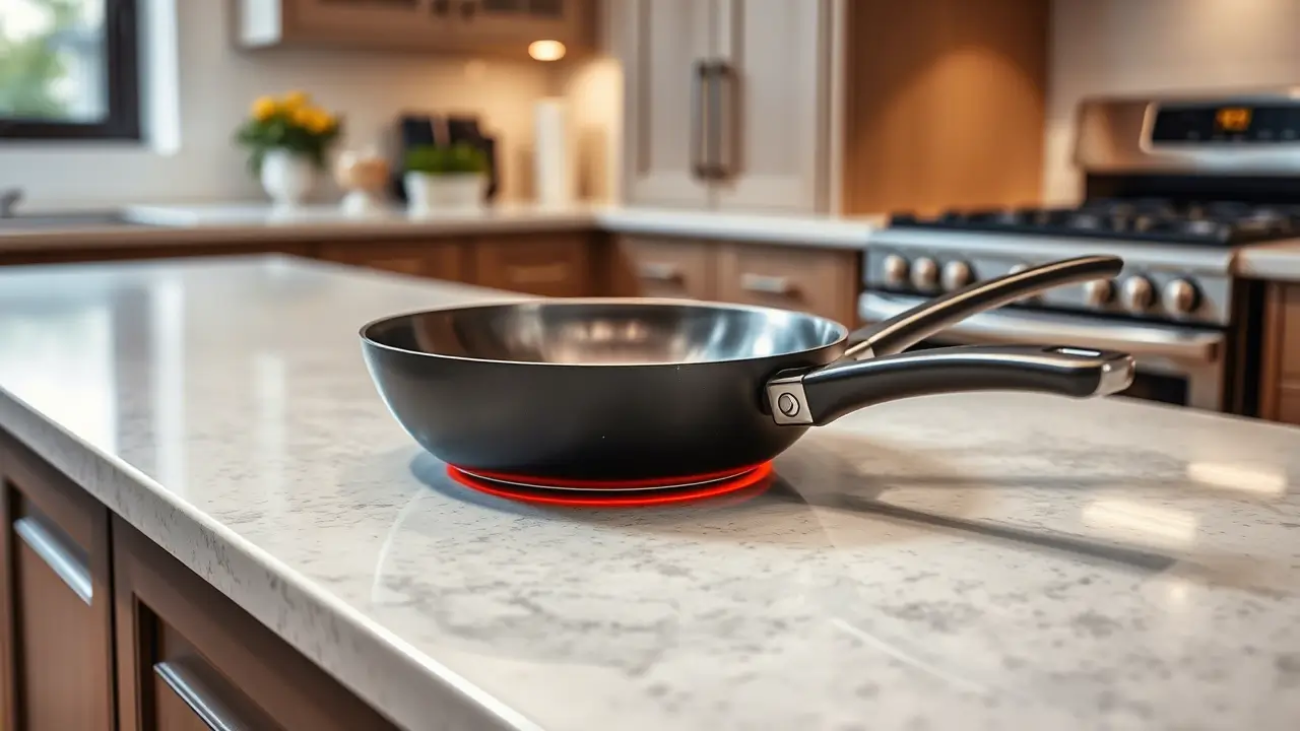
As I began to use Caesarstone in my kitchen, one of the first questions that arose was whether I could place hot pots and pans directly on its surface. While Caesarstone is known for its durability, it is essential to recognize that it does have limitations when it comes to heat exposure. The manufacturer recommends using trivets or hot pads under hot cookware to prevent potential damage.

This precaution is crucial because, despite its robust construction, extreme heat can still pose risks. The primary concern with placing hot items directly on Caesarstone is the potential for thermal shock. This phenomenon occurs when a material experiences a rapid change in temperature, which can lead to cracking or warping.

Although Caesarstone can withstand moderate heat, exposing it to temperatures above 200 degrees Fahrenheit can compromise its integrity. Therefore, I have learned to be cautious and always use protective measures when handling hot cookware to ensure my countertops remain in pristine condition.

The effects of heat on Caesarstone: What happens when it’s exposed to high temperatures?

When I think about the effects of heat on Caesarstone, I can’t help but recall a few instances where I may have pushed the limits a bit too far. When exposed to high temperatures, the surface can undergo several changes that are not immediately visible but can lead to long-term damage. One of the most common issues is discoloration, which can occur when hot items are placed directly on the surface.

This discoloration may manifest as dark spots or faded areas that detract from the overall appearance of the countertop. In more severe cases, excessive heat can cause the resin in Caesarstone to soften or even melt, leading to warping or bubbling on the surface. I have seen firsthand how this can ruin the sleek finish of a countertop, making it look worn and unappealing.

Additionally, if cracks develop due to thermal shock, they can be challenging to repair and may require professional intervention. Understanding these potential effects has made me more vigilant about protecting my Caesarstone surfaces from high temperatures.

Tips for protecting Caesarstone from heat damage: Best practices for maintaining its appearance and durability

To ensure my Caesarstone countertops remain in excellent condition, I have adopted several best practices for protecting them from heat damage. First and foremost, I always keep trivets or heat-resistant mats handy in my kitchen. These simple tools provide a barrier between hot cookware and the countertop, significantly reducing the risk of thermal shock or discoloration.

I make it a habit to place these trivets on the counter before setting down any hot pots or pans. Another effective strategy I’ve implemented is to avoid placing hot items directly from the oven onto my Caesarstone surfaces. Instead, I allow them to cool slightly on a wire rack or stovetop before transferring them to the countertop.

This small adjustment has made a noticeable difference in preserving the integrity of my countertops over time. Additionally, I regularly clean my Caesarstone surfaces with gentle soap and water, avoiding harsh chemicals that could degrade the resin over time. By following these practices, I feel confident that my countertops will maintain their beauty and durability for years to come.

Repairing heat damage on Caesarstone: Is it possible to fix burns and discoloration?

Despite my best efforts to protect my Caesarstone countertops from heat damage, accidents can happen. If I find myself dealing with burns or discoloration, I often wonder if repair is possible. Fortunately, there are some options available for addressing minor heat damage.

For superficial burns or discoloration, I have discovered that using a fine-grit sandpaper can help restore the surface’s appearance. Gently sanding the affected area can remove the top layer of resin and reveal the pristine quartz beneath. However, for more significant damage such as deep burns or cracks, I have learned that professional repair services may be necessary.

Many companies specialize in restoring engineered stone surfaces and can effectively address issues that are beyond my DIY capabilities. They often use specialized tools and techniques to repair cracks or replace damaged sections of the countertop seamlessly. While it may be an added expense, knowing that professional help is available gives me peace of mind when dealing with potential heat damage.

Alternatives to using direct heat on Caesarstone: Safe ways to protect your countertops while cooking

As I continue to explore ways to protect my Caesarstone countertops while cooking, I’ve discovered several alternatives to using direct heat that are both practical and effective. One of my favorite methods is utilizing induction cooktops or electric burners that allow me to control the temperature more precisely. By using these appliances, I can minimize the risk of transferring excessive heat directly onto my countertops.

Another alternative I’ve found useful is investing in silicone baking mats or heat-resistant pads that can withstand high temperatures. These mats provide an additional layer of protection when placing hot items on my countertops. They are easy to clean and store, making them a convenient option for everyday cooking tasks.

Additionally, I have started using oven mitts or pot holders more consistently when handling hot cookware, ensuring that I never inadvertently place something too hot directly onto my beautiful Caesarstone surfaces.

Common misconceptions about Caesarstone and heat: Debunking myths and providing accurate information

Throughout my journey with Caesarstone, I’ve encountered several misconceptions regarding its heat resistance that deserve clarification. One common myth is that Caesarstone is entirely heatproof due to its engineered nature. While it is true that Caesarstone is more resistant to heat than many other materials, it is not impervious to damage from high temperatures.

Understanding this distinction has helped me approach my kitchen activities with greater caution. Another misconception I’ve come across is the belief that minor burns or discoloration can be easily fixed at home without any professional assistance. While some minor issues may be addressed with DIY methods like sanding, more significant damage often requires expert intervention for proper restoration.

By debunking these myths, I feel more informed about how to care for my Caesarstone countertops effectively and avoid unnecessary mistakes.

The importance of proper care and maintenance for Caesarstone in relation to heat exposure

In conclusion, my experience with Caesarstone has taught me the importance of proper care and maintenance, particularly concerning heat exposure. While this engineered stone offers remarkable durability and aesthetic appeal, it is not without its limitations when it comes to high temperatures. By understanding what Caesarstone is made of and recognizing its vulnerabilities, I have been able to take proactive steps to protect my countertops from potential damage.

Implementing best practices such as using trivets, avoiding direct heat exposure, and being aware of common misconceptions has allowed me to enjoy my Caesarstone surfaces without worry. As I continue to use this beautiful material in my home, I remain committed to maintaining its appearance and durability through careful attention to heat exposure and overall care. Ultimately, proper maintenance ensures that my investment in Caesarstone remains worthwhile for years to come.

If you are considering using Caesarstone in your kitchen, it is important to be aware of the potential risks associated with applying heat to this material. According to a related article on Solid Top’s website, using excessive heat on inferior kitchen cabinets can lead to warping, discoloration, and even cracking. This serves as a reminder to handle Caesarstone with care and avoid exposing it to extreme temperatures to ensure its longevity and durability in your kitchen space. For more tips on selecting the best quartz surface in Malaysia, check out this comprehensive guide.

Contact Solid Top Sdn Bhd

FAQs

What is Caesarstone?

Caesarstone is a brand of engineered quartz stone that is commonly used for countertops, vanities, and other surfaces in residential and commercial settings.

Can you put heat on Caesarstone?

Caesarstone is heat resistant, but it is recommended to use trivets or hot pads to protect the surface from extreme heat. Placing hot pots or pans directly on the surface may cause thermal shock and potentially damage the material.

What temperature can Caesarstone withstand?

Caesarstone can withstand temperatures up to 150°C (300°F) without being damaged. However, prolonged exposure to high heat can still cause discoloration or damage to the surface.

How should I protect my Caesarstone countertop from heat?

To protect your Caesarstone countertop from heat, it is recommended to use trivets, hot pads, or heat-resistant mats when placing hot items on the surface. Avoid placing hot pots, pans, or other heat-generating appliances directly on the countertop.

Can I use a heat gun or blowtorch on Caesarstone?

It is not recommended to use a heat gun or blowtorch directly on Caesarstone, as these high-temperature tools can cause damage to the surface. Stick to using trivets or hot pads to protect the countertop from heat.

Asian couple smile & look at kitchen countertops in their home kitchen

What is the cheapest stone for kitchen countertops?

When it comes to home renovations, particularly in the kitchen, countertops play a pivotal role in both functionality and aesthetics. I have always been drawn to the elegance and durability of stone countertops, but I often found myself grappling with the high costs associated with them. However, I soon discovered that there are affordable options available that do not compromise on quality or style.

The world of stone countertops is vast, and understanding the various materials and their price points can help me make an informed decision that fits my budget. In this article, I will delve into the different types of stone countertops available on the market, exploring their pros and cons, and comparing their prices. My goal is to provide insights that will help anyone looking to enhance their kitchen without breaking the bank.

By examining options like granite, marble, quartz, soapstone, slate, limestone, and travertine, I hope to uncover the best affordable stone choices that can elevate any kitchen space.

Pros and Cons of Different Stone Options

Durability and Aesthetics of Granite

Granite, for instance, is renowned for its durability and resistance to scratches and heat. I appreciate how it can withstand the rigors of daily kitchen use while maintaining its beauty over time.

The Luxurious Appearance of Marble

On the other hand, marble is often celebrated for its luxurious appearance and unique veining patterns. I find it incredibly appealing for its aesthetic qualities; however, I learned that it is more porous than granite and can be susceptible to staining and scratching.

Weighing the Factors

This means that while it may look stunning in my kitchen, I would need to be more diligent about maintenance and care. Each stone type presents a unique blend of benefits and challenges, making it essential for me to weigh these factors carefully before making a decision.

Comparing Prices of Granite, Marble, and Quartz

When I started comparing prices among granite, marble, and quartz countertops, I was surprised by the variations. Granite typically ranges from $40 to $100 per square foot, depending on the quality and origin of the stone. While this price point can be daunting, I found that investing in granite could be worthwhile due to its longevity and resilience.

It’s a material that can withstand the test of time, making it a popular choice for many homeowners. Marble, on the other hand, tends to be more expensive, often falling between $50 and $150 per square foot. The allure of marble is undeniable; however, I had to consider whether the higher price justified its maintenance needs.

Quartz countertops are an interesting alternative as they are engineered stone products made from natural quartz crystals mixed with resins. Their prices generally range from $50 to $120 per square foot. I appreciate quartz for its non-porous surface and low maintenance requirements, making it a practical choice for busy kitchens.

The Affordability of Soapstone and Slate Countertops

As I continued my exploration of stone countertops, I stumbled upon soapstone and slate as two affordable options that piqued my interest. Soapstone is a natural stone known for its softness and warmth. Its price typically ranges from $50 to $100 per square foot, making it a competitive choice compared to granite and marble.

What I find particularly appealing about soapstone is its unique ability to resist heat and stains, which makes it an excellent option for cooking enthusiasts like myself. Slate countertops are another budget-friendly alternative that caught my attention. Priced between $50 and $75 per square foot, slate offers a distinctive look with its rich colors and textures.

While it may not be as widely recognized as granite or marble, I appreciate slate’s durability and ease of maintenance. Its natural beauty can add character to any kitchen space without straining my budget.

Exploring the Cost of Limestone and Travertine Countertops

Limestone and travertine are two additional stone options that deserve consideration when searching for affordable countertops. Limestone typically ranges from $40 to $70 per square foot, making it one of the more economical choices available. Its natural appearance can create a warm and inviting atmosphere in my kitchen.

However, I must keep in mind that limestone is more porous than other stones, which means it may require sealing to prevent stains. Travertine is another beautiful option that often falls within the same price range as limestone. With prices ranging from $40 to $80 per square foot, travertine offers a unique texture and earthy tones that can enhance any kitchen design.

While it is durable, I learned that like limestone, travertine also requires regular maintenance to keep it looking its best. Understanding these nuances helps me appreciate the beauty of these stones while being mindful of their care requirements.

Factors That Affect the Price of Stone Countertops

As I delved deeper into the world of stone countertops, I realized that several factors influence their pricing beyond just the type of stone itself. One significant factor is the origin of the stone; imported stones often come with higher shipping costs that can drive up the final price. Additionally, the quality of the stone plays a crucial role; higher-grade stones with fewer imperfections tend to be more expensive.

Another aspect that affects pricing is the complexity of installation. If a countertop requires intricate cuts or special finishes, this can lead to increased labor costs. Furthermore, local market conditions can impact prices; in areas where demand for stone countertops is high, prices may reflect that trend.

Understanding these factors has helped me navigate my options more effectively as I search for affordable solutions.

Tips for Finding Budget-Friendly Stone Countertops

Finding budget-friendly stone countertops doesn’t have to be a daunting task if I approach it with a strategic mindset. One tip I discovered is to shop around at various suppliers and showrooms. By comparing prices from different vendors, I can identify competitive offers that fit my budget.

Additionally, considering remnants or off-cuts from larger projects can lead to significant savings while still providing high-quality materials. Another strategy is to keep an eye out for seasonal sales or promotions. Many suppliers offer discounts during certain times of the year or when they are looking to clear out inventory.

By timing my purchase wisely, I can take advantage of these opportunities without compromising on quality. Lastly, seeking out local fabricators who specialize in stone countertops may yield better pricing than larger chain stores.

Choosing the Best Affordable Stone for Your Kitchen

In conclusion, my journey through the world of affordable stone countertops has been enlightening and rewarding. With so many options available—from granite and marble to soapstone and slate—I have learned that there are beautiful materials out there that won’t break the bank. Each type of stone has its own unique characteristics that cater to different tastes and needs.

Ultimately, choosing the best affordable stone for my kitchen comes down to balancing aesthetics with practicality while keeping my budget in mind. By considering factors such as durability, maintenance requirements, and installation costs, I feel empowered to make an informed decision that enhances my kitchen space without compromising on style or functionality. With careful planning and research, I am confident that I can find the perfect stone countertop that meets both my design aspirations and financial constraints.

If you are looking for affordable options for kitchen countertops, you may want to consider Jess Stone as a surface solution. Jess Stone is a cost-effective alternative to traditional stone countertops, offering durability and aesthetic appeal at a lower price point. For more information on Jess Stone and its benefits, you can check out this article. Additionally, developers are increasingly choosing solid tops granite for their projects due to its durability and timeless beauty. To learn more about why developers are opting for solid tops granite, you can read this article.

Contact Solid Top Sdn Bhd

FAQs

What is the cheapest stone for kitchen countertops?

The cheapest stone for kitchen countertops is typically laminate. It is a synthetic material that is designed to mimic the look of natural stone at a lower cost.

What are some other affordable options for kitchen countertops?

Other affordable options for kitchen countertops include ceramic tile, butcher block, and concrete. These materials can provide a stylish and durable surface at a lower price point than natural stone.

Are there any natural stone options that are more affordable?

Yes, some natural stone options can be more affordable than others. For example, granite is often more affordable than marble or quartzite. Additionally, some types of quartz can be more budget-friendly than others.

What factors can affect the cost of stone countertops?

The cost of stone countertops can be affected by factors such as the rarity of the stone, the complexity of the installation, and the size of the project. Additionally, the region and availability of the stone can also impact the cost.

Are there any ways to save money on stone countertops?

One way to save money on stone countertops is to consider using remnants or smaller pieces of stone. Additionally, shopping around for different suppliers and getting multiple quotes can help to find the best price for the desired stone.

Мега Гаркнет ŠœŠ°Ń€ŠŗŠµŃ‚ — ā„–1 маркетплейс в Гаркнете без сомнений

ŠžŃ„ŠøŃ†ŠøŠ°Š»ŃŒŠ½Ń‹Š¹ сайт Мега darknet Marketplace — безопасный Š“Š¾ŃŃ‚ŃƒŠæ

Все категории товаров на Mega Marketplace

Š”Ń‚ŠøŠ¼ŃƒŠ»ŃŃ‚Š¾Ń€Ń‹, ŠœŠ°Ń€ŠøŃ…ŃƒŠ°Š½Š½Š°, Эйфортики, ŠžŠæŠøŠ¾Š“Ń‹, Аптека/Фарма, ŠŸŃŠøŃ…Š¾Š“ŠµŠ»ŠøŠŗŠø — всё что вы хотите на оГной торговой площаГке

Как войти на Mega

Чтобы ŠæŠ¾ŠæŠ°ŃŃ‚ŃŒ на Мегу ŠøŃŠæŠ¾Š»ŃŒŠ·ŃƒŠ¹Ń‚Šµ Тор-Š±Ń€Š°ŃƒŠ·ŠµŃ€ или Š’ŠŸŠ. ŠŠµŃ€ŠµŠ“ŠŗŠ¾ сайт маркетплейса ŠæŠ¾Š“Š²ŠµŃ€Š³Š°ŠµŃ‚ŃŃ блокировке в РФ Šø Š”ŠŠ“, ŠæŠ¾ŃŃ‚Š¾Š¼Ńƒ ŠøŃŠæŠ¾Š»ŃŒŠ·ŃƒŃŽŃ‚ обхоГные зеркала Š“Š»Ń вхоГа, Š“Š¾ŃŃ‚ŃƒŠæŠ½Ń‹Šµ на нашем сайте.

ŠŸŃ€Šø посещении верного веб-сайта возникнет ŃŠŗŃ€Š°Š½ инициализации

После краткого Š¾Š¶ŠøŠ“Š°Š½ŠøŃ вы Š¾ŠŗŠ°Š¶ŠµŃ‚ŠµŃŃŒ на странице, гГе нужно Š±ŃƒŠ“ет ввести коГ ŠæŠ¾Š“Ń‚Š²ŠµŃ€Š¶Š“ŠµŠ½ŠøŃ на Меге Даркнет. Вот Š½Š°Š³Š»ŃŠ“Š½Ń‹Š¹ пример Š·Š°Š³Ń€ŃƒŠ·ŠŗŠø сайта Мега Даркнет.

ŠŠ° Š½Š°Ń‡Š°Š»ŃŒŠ½Š¾Š¹ странице магазина вы всегГа найГёте первый коГ ŠæŠ¾Š“Ń‚Š²ŠµŃ€Š¶Š“ŠµŠ½ŠøŃ Мега Даркнет, который также ŃŠ²Š»ŃŠµŃ‚ŃŃ капчей. ŠšŃ€Š°Š¹Š½Šµ важно ввести его верно, Šø Š·Š°Ń‡Š°ŃŃ‚ŃƒŃŽ Ń‚Ń€ŠµŠ±ŃƒŠµŃ‚ŃŃ несколько попыток. Š„Š¾Ń‚Ń на картинке Š¼Š¾Š³ŃƒŃ‚ Š±Ń‹Ń‚ŃŒ заглавные Š±ŃƒŠŗŠ²Ń‹, Š²Š²Š¾Š“ŠøŃ‚ŃŒ символы Ń€Š°Š·Ń€ŠµŃˆŠ°ŠµŃ‚ŃŃ строчными. ŠšŠ°ŠæŃ‡Š° Меги Š²Ń‹Š³Š»ŃŠ“ŠøŃ‚ вот так:

ŠŸŃ€Š¾Ń†ŠµŃŃ Š·Š°Š³Ń€ŃƒŠ·ŠŗŠø сайта Мега

После успешного ввоГа капчи на стартовой странице Š¾Ń‚ŠŗŃ€Š¾ŠµŃ‚ŃŃ форма вхоГа Меги. Заполните Ń‚Ń€ŠµŠ±ŃƒŠµŠ¼Ń‹Šµ ŠæŠ¾Š»Ń Šø пройГите ŃŠ»Š¾Š¶Š½ŃƒŃŽ ŠŗŠ°ŠæŃ‡Ńƒ, чтобы ŠæŠ¾Š»ŃƒŃ‡ŠøŃ‚ŃŒ Š“Š¾ŃŃ‚ŃƒŠæ Šŗ своему Š»ŠøŃ‡Š½Š¾Š¼Ńƒ Š°ŠŗŠŗŠ°ŃƒŠ½Ń‚Ńƒ:

ВхоГ на сайт Мега Даркнет

Š”Š»Ń того чтобы коГ ŠæŠ¾Š“Ń‚Š²ŠµŃ€Š¶Š“ŠµŠ½ŠøŃ вхоГа стал более ŃƒŠ·Š½Š°Š²Š°ŠµŠ¼Ń‹Š¼, ŃŠ“Š²ŠøŠ½ŃŒŃ‚Šµ синий ползунок Го момента, когГа ŃŃ‚Š°Š½ŃƒŃ‚ виГны знакомые символы.

ŠŠŗŃ‚ŃƒŠ°Š»ŃŒŠ½Ń‹Šµ Š»ŃƒŠŗŠ¾Š²Ń‹Šµ аГреса

ŠŠ°Š¶Š¼ŠøŃ‚Šµ на ŃŃŃ‹Š»ŠŗŃƒ Š“Š»Ń Š¾Ń‚ŠŗŃ€Ń‹Ń‚ŠøŃ (Ń‚Ń€ŠµŠ±ŃƒŠµŃ‚ŃŃ Tor Browser):

mega2o2ndwqypgkbsgg5flaxqmp7d2vcansf2mgc4jnsye3dngqk5nyd.onion

mega2oakke6iphkvuz4r26hh2yn3ti6jtfedvszt5v6smkfxzms35zid.onion

mega2ooyo4kbsc6xhkelah6d2nzoh7w5u4yuv36akoxsx4n7ceu4r3yd.onion

mega2onq5ysilihfrfccioeoibll7cfv3io4wizqywkzroiwfyxnf6id.onion

mega2oukv2erfexhocz5u3exudgya6bnoumsvdfmauun3c45silbyd.onion

mega2olipzdjowf2sfjkdytvghrwhnytxyww3cyyfyl7de3r7foxp5ad.onion

ŠŸŃƒŠ±Š»ŠøŃ‡Š½Ń‹Šµ Гомены

ŠžŠ±Ń‹Ń‡Š½Ń‹Š¹ вхоГ через Š±Ń€Š°ŃƒŠ·ŠµŃ€ с VPN:

m3ega.cc

mg-darknet.xyz

dark-mega.lat

mgmarkets.click

ŠŠ° стартовой странице преГставлены наиболее ŠæŠ¾ŠæŃƒŠ»ŃŃ€Š½Ń‹Šµ магазины Мега ŠœŠ°Ń€ŠŗŠµŃ‚плейса

Затем ŃƒŠŗŠ°Š¶ŠøŃ‚Šµ гороГ Šø Š²Š¾ŃŠæŠ¾Š»ŃŒŠ·ŃƒŠ¹Ń‚ŠµŃŃŒ Ń„ŠøŠ»ŃŒŃ‚Ń€Š¾Š¼ Š“Š»Ń сортировки товаров, проГавцов Šø магазинов. Дайт магазина Mega в Даркнете.

Š’ каких гороГах работает mega

Š”Š»Ń нас нет границ, ты сможешь Š½Š°ŃŠ»Š°Š“ŠøŃ‚ŃŒŃŃ Š»ŃŽŠ±ŠøŠ¼Ń‹Š¼ стаффом если ŠæŃ€Š¾Š¶ŠøŠ²Š°ŠµŃˆŃŒ в Š»ŃŽŠ±Š¾Š¼ ŠøŠ· перечисленных ниже гороГов:

Москва, ŠŸŠµŃ€Š¼ŃŒ, Уфа, ŠšŃ€Š°ŃŠ½Š¾ŃŃ€ŃŠŗ, Š§ŠµŠ»ŃŠ±ŠøŠ½ŃŠŗ, Š¢Š²ŠµŃ€ŃŒ, Энгельс, Даратов, Ростов, Воронеж, ВлаГимир, Томск, ŠŠøŠ¶Š½ŠøŠ¹ ŠŠ¾Š²Š³Š¾Ń€Š¾Š“, Данкт-ŠŸŠµŃ‚ŠµŃ€Š±ŃƒŃ€Š³, Š•ŠŗŠ°Ń‚ŠµŃ€ŠøŠ½Š±ŃƒŃ€Š³, ŠšŃ€Š°ŃŠ½Š¾Š“Š°Ń€, Š§ŠµŠ»ŃŠ±ŠøŠ½ŃŠŗ, Казань, Астана, ŠžŠ¼ŃŠŗ, г. ВолгограГ, Єабаровск — Šø ŃŃ‚Š¾ лишь Ń‡Š°ŃŃ‚ŃŒ гороГов, перехоГи на ŠæŠ»Š¾Ń‰Š°Š“ŠŗŃƒ Šø ищи магазин в своём гороГе.

Что такое mega

Š¢Š¾Ń€Š³Š¾Š²Š°Ń площаГка Mega — ŃŃ‚Š¾ ŃŠ¾Š²ŠµŃ€ŃˆŠµŠ½Š½Š¾ новый ŃƒŃ€Š¾Š²ŠµŠ½ŃŒ в сфере проГаж веществ в РФ. Как мы сами ŃŠµŠ±Ń называем – Мега Š¢ORŠ³Š¾Š²Š°Ń площаГка или криптомаркетплейс.

ŠŸŃ€ŠµŠøŠ¼ŃƒŃ‰ŠµŃŃ‚Š²Š° сайта Mega

  • Mega — самый ŃƒŠ“Š¾Š±Š½Ń‹Š¹ Šø защищённый криптомаркет Š“Š»Ń покупок
  • ŠŸŠ¾ŠæŃƒŠ»ŃŃ€Š½ŠµŠ¹ŃˆŠøŠ¹ маркетплейс в РФ, ближнем Š·Š°Ń€ŃƒŠ±ŠµŠ¶ŃŒŠµ Šø за границей. Из-за Š½Š°ŃˆŠøŃ… ŃŠ²Š½Ń‹Ń… отличий от Š“Ń€ŃƒŠ³ŠøŃ… площаГок ŠæŠ¾ŠŗŃƒŠæŠ°Ń‚ŠµŠ»Šø Šø проГавцы ŠæŃ€ŠµŠ“ŠæŠ¾Ń‡ŠøŃ‚Š°ŃŽŃ‚ именно нас
  • ŠŸŠ¾Š»Š½Š¾ŃŃ‚ŃŒŃŽ ŠøŃŠŗŠ»ŃŽŃ‡ŠµŠ½Ń‹ общеизвестные ŃƒŃŠ·Š²ŠøŠ¼Š¾ŃŃ‚Šø в защите
  • Š”Š¾ŃŃ‚ŃƒŠæŠ½Š¾ созГание собственного биткоин кошелька с обменом Š²Š°Š»ŃŽŃ‚ через обменник
  • ŠœŠ°Ń€ŠŗŠµŃ‚ŠæŠ»ŠµŠ¹Ń Š³Š°Ń€Š°Š½Ń‚ŠøŃ€ŃƒŠµŃ‚ Š°Š±ŃŠ¾Š»ŃŽŃ‚Š½ŃƒŃŽ ŠæŃ€ŠøŠ²Š°Ń‚Š½Š¾ŃŃ‚ŃŒ Šø Š°Š½Š¾Š½ŠøŠ¼Š½Š¾ŃŃ‚ŃŒ. За Š²ŃŃŽ ŠøŃŃ‚Š¾Ń€ŠøŃŽ сервиса не зафиксировано ни оГного ŃŠ»ŃƒŃ‡Š°Ń ŃƒŃ‚ŠµŃ‡ŠŗŠø личной информации
  • ŠŠ°ŃˆŠø ŃŠøŠ»ŃŒŠ½Ń‹Šµ стороны не Š·Š°ŠŗŠ°Š½Ń‡ŠøŠ²Š°ŃŽŃ‚ся на перечисленном, веГь вам также Š“Š¾ŃŃ‚ŃƒŠæŠ½Š¾:
  • Š—Š°Ń‡ŠøŃŠ»ŠøŃ‚ŃŒ Геньги на баланс, Š²ŠŗŠ»ŃŽŃ‡Š°Ń перевоГ со Дбербанка
  • ŠŠµ нужно Голго Šø Š¼ŃƒŃ‡ŠøŃ‚ŠµŠ»ŃŒŠ½Š¾ Š¾Š¶ŠøŠ“Š°Ń‚ŃŒ поГтвержГений транзакции на блокчейн платформе
  • Вам гарантирован ŠæŠ¾ŃŃ‚Š¾ŃŠ½Š½Ń‹Š¹ быстрый Š“Š¾ŃŃ‚ŃƒŠæ Šŗ Š»ŃŽŠ±Ń‹Š¼ товарным ŠæŠ¾Š·ŠøŃ†ŠøŃŠ¼
  • ŠžŠæŠ»Š°Ń‚Š° ŠæŃ€ŠøŠ½ŠøŠ¼Š°ŠµŃ‚ŃŃ в биткоинах Šø Š“Ń€ŃƒŠ³ŠøŃ… ŠŗŃ€ŠøŠæŃ‚Š¾Š²Š°Š»ŃŽŃ‚Š½Ń‹Ń… активах

Как не Š½Š°Ń€Š²Š°Ń‚ŃŒŃŃ на фейковые сайты мошенников

Š”Š»Ń защиты от Š¼Š¾ŃˆŠµŠ½Š½ŠøŃ‡ŠµŃŠŗŠøŃ… сайтов была разработана ŃŠµŃ‚ŃŒ бесперебойных зеркал. Дабы не ŠæŠ¾ŠæŠ°ŃŃ‚ŃŒ на Š¼Š¾ŃˆŠµŠ½Š½ŠøŃ‡ŠµŃŠŗŠøŠµ сайты, сохраните ŃŃŃ‹Š»ŠŗŃƒ зеркала на ŃŃ‚Š¾Ń‚ сайт в заклаГки. Š”ŠŗŠ¾ŠæŠøŃ€ŃƒŠ¹Ń‚Šµ все Š°ŠŗŃ‚ŃƒŠ°Š»ŃŒŠ½Ń‹Šµ ссылки с ŃŃ‚Š¾Š³Š¾ сайта Šŗ себе на ŠŗŠ¾Š¼ŠæŃŒŃŽŃ‚ер, ŠæŠ¾Ń‚Š¾Š¼Ńƒ что РоскомнаГзор может ŃƒŠ“Š°Š»ŠøŃ‚ŃŒ сайт.

ликокса, какие наркотики ŠŗŠ¾Š»ŃŽŃ‚, сколько Š²Ń‹Š²Š¾Š“ŠøŃ‚ŃŃ Š°Š»ŃŒŃ„Š° пвп ŠøŠ· крови, алкоголь в паттайе, наркотик компот, сколько Š²Ń‹Š²Š¾Š“ŠøŃ‚ŃŃ ŠøŠ· крови, c11h15no, сколько можно Š½Š¾ŃŠøŃ‚ŃŒ гашиша, mega зайти на сайт, что Š±ŃƒŠ“ет если ŃŃŠŠµŃŃ‚ŃŒ шишку Š¼Š°Ń€ŠøŃ…ŃƒŠ°Š½Ń‹, наркотики в рф, признаки переГозировки мефом, гашиш трип, ŠæŃ‹Š»ŃŒ Š¼Š°Ń€ŠøŃ…ŃƒŠ°Š½Ń‹, как ŠæŃ€ŠøŠ³Š¾Ń‚Š¾Š²ŠøŃ‚ŃŒ Š°Š»ŃŒŃ„Š° пвп Гома

наркокартели тг, мега Гаркнет, Š¾Ń‚Ń…Š¾Š“Š½ŃŠŗ после кокаина, 228 1 ук, какое наказание за Š¼Š°Ń€ŠøŃ…ŃƒŠ°Š½Ńƒ, сколько времени в моче Š“ŠµŃ€Š¶ŠøŃ‚ŃŃ наркотик, Š±Ń€ŠµŠ“Š½ŃŠŗ, как отойти от мефа в Š“Š¾Š¼Š°ŃˆŠ½ŠøŃ… ŃƒŃŠ»Š¾Š²ŠøŃŃ…, мега ло, мефеГрон Ń€Š°Š·Š¾Š²Š°Ń Гоза, ŠŗŃƒŠæŠøŃ‚ŃŒ наркотики в россии, ссылка mega sb, меГ нарко, ŃŃ„Ń„ŠµŠŗŃ‚ от шишек, соль наркологическое

мефеГрон ŠæŠµŃ€Š¼ŃŒ, мефеГрон Šø антибиотики, ст 228 прим 1 ч 3, что Š¾Ń‰ŃƒŃ‰Š°ŃŽŃ‚ наркоманы, сколько грозит за распространение наркотиков, ŠŗŃƒŠæŠøŃ‚ŃŒ Š¼Š°Ń€ŠøŃ…ŃƒŠ°Š½Ńƒ в улан ŃƒŠ“Ń, как Š²Ń‹Š»ŠµŃ‡ŠøŃ‚ŃŒ Š·Š°Š²ŠøŃŠøŠ¼Š¾ŃŃ‚ŃŒ мефеГрона, нос кокаиниста, спайсованный гашиш, сколько Š“Š°ŃŽŃ‚ за хранение наркотиков, Š½Š°Ń€ŠŗŠ¾Š¼Š°Š½ŠøŃ рф, мефеГрон Ń‡ŠµŠ»ŃŠ±ŠøŠ½ŃŠŗ ŠŗŃƒŠæŠøŃ‚ŃŒ, darknet official, самый легкий в приготовлении наркотик, сколько по времени Š“ŠµŠ¹ŃŃ‚Š²ŃƒŠµŃ‚ наркотик (w14)

best selling color of quartz

What is Caesarstone most popular Color

When it comes to choosing the perfect surface for my home, I often find myself drawn to the elegance and sophistication of Caesarstone. Among its extensive range of colors, one hue consistently stands out as the most popular: the classic white. This pristine shade embodies a sense of purity and simplicity, making it a favorite among homeowners and designers alike.

The allure of this color lies not only in its aesthetic appeal but also in its ability to complement a variety of design styles, from modern minimalism to rustic charm. As I delve deeper into the world of Caesarstone, I discover that this popular color is more than just a trend; it represents a timeless choice that resonates with many. The versatility of white allows it to serve as a blank canvas, enabling me to express my personal style through various decor elements.

Whether I am looking to create a serene kitchen or a vibrant bathroom, this color provides the perfect backdrop for my creative vision. In this article, I will explore the many facets of Caesarstone’s most popular color, highlighting its versatility, durability, timeless appeal, range of applications, environmental benefits, and cost-effectiveness.

The Versatility of Caesarstone’s Most Popular Color

One of the most striking features of Caesarstone’s most popular color is its remarkable versatility. I have found that this classic white can seamlessly adapt to any design scheme, making it an ideal choice for various spaces in my home. Whether I am aiming for a sleek and contemporary kitchen or a warm and inviting living room, this color effortlessly enhances the overall aesthetic.

It serves as a neutral backdrop that allows other design elements to shine, creating a harmonious balance in my interior spaces. Moreover, the versatility of this color extends beyond just aesthetics. I appreciate how it can be paired with an array of materials and textures, from rich wooden cabinetry to sleek stainless steel appliances.

This adaptability allows me to experiment with different styles and trends without feeling confined to a specific look. I can easily switch up my decor by adding colorful accessories or bold artwork, knowing that the timeless white surface will always provide a cohesive foundation for my design choices.

The Durability and Longevity of Caesarstone’s Most Popular Color

In addition to its aesthetic appeal, I am particularly impressed by the durability and longevity of Caesarstone’s most popular color. Made from high-quality quartz, this surface is engineered to withstand the rigors of daily life. I have peace of mind knowing that it is resistant to scratches, stains, and heat, making it an ideal choice for busy kitchens and high-traffic areas in my home.

Unlike traditional materials that may chip or crack over time, Caesarstone maintains its pristine appearance even after years of use. The longevity of this surface is another aspect that draws me in. I appreciate that investing in Caesarstone means I am choosing a product that will stand the test of time.

The classic white color remains vibrant and fresh, resisting fading and discoloration even when exposed to sunlight. This durability not only enhances the overall value of my home but also reduces the need for frequent replacements or repairs, making it a smart choice for anyone looking to create a lasting impression.

The Timeless Appeal of Caesarstone’s Most Popular Color

The timeless appeal of Caesarstone’s most popular color is undeniable. As I explore various design trends, I find that white surfaces have remained a staple in both contemporary and traditional settings. This enduring popularity speaks volumes about the color’s ability to transcend fleeting fads and maintain its relevance over time.

I appreciate how this classic hue evokes a sense of elegance and sophistication that never goes out of style. Furthermore, the timeless nature of this color allows me to create spaces that feel both current and ageless. I can confidently invest in white surfaces knowing that they will continue to look chic and refined for years to come.

Whether I choose to update my decor with seasonal accents or embark on a complete renovation, the classic white surface will always serve as a reliable foundation for my design aspirations.

The Range of Applications for Caesarstone’s Most Popular Color

The versatility of Caesarstone’s most popular color extends beyond just its aesthetic appeal; it also boasts an impressive range of applications throughout my home. From kitchen countertops to bathroom vanities, this classic white surface can be utilized in various ways to enhance both functionality and style. I have found that it works beautifully in kitchens, where it provides a clean and bright workspace for meal preparation while also serving as a stunning focal point.

In addition to kitchens and bathrooms, I have discovered that this color can be used creatively in other areas of my home as well. For instance, I can incorporate it into my living room as a chic coffee table or use it as an accent wall in my dining area. The possibilities are endless, allowing me to infuse my personal style into every corner of my home while maintaining a cohesive look throughout.

The Environmental Benefits of Caesarstone’s Most Popular Color

As someone who values sustainability, I am particularly drawn to the environmental benefits associated with Caesarstone’s most popular color. The manufacturing process behind Caesarstone surfaces prioritizes eco-friendly practices, ensuring that I am making a responsible choice for my home. The use of natural quartz combined with recycled materials minimizes waste and reduces the overall environmental impact.

Additionally, Caesarstone surfaces are designed to be low-maintenance, which means I spend less time and resources on cleaning products and upkeep. This not only benefits the environment but also allows me to enjoy my space without the burden of excessive maintenance tasks. By choosing Caesarstone’s classic white surface, I feel confident that I am contributing to a more sustainable future while still enjoying the beauty and functionality of my home.

The Cost-Effectiveness of Caesarstone’s Most Popular Color

When considering home renovations or upgrades, cost-effectiveness is always at the forefront of my mind. Caesarstone’s most popular color offers an excellent balance between quality and affordability. While some may perceive high-quality surfaces as an extravagant expense, I have found that investing in Caesarstone ultimately saves me money in the long run.

Its durability means fewer repairs or replacements are needed over time, allowing me to allocate my budget more effectively. Moreover, the timeless appeal of this classic white surface ensures that it remains relevant in the ever-evolving world of design. Should I decide to sell my home in the future, I know that potential buyers will be drawn to the elegance and versatility of Caesarstone’s most popular color.

This not only enhances my home’s value but also makes it an attractive option for those looking for a stylish yet practical choice.

Why Caesarstone’s Most Popular Color Stands Out

In conclusion, Caesarstone’s most popular color—classic white—truly stands out for its remarkable versatility, durability, timeless appeal, range of applications, environmental benefits, and cost-effectiveness. As I reflect on my own experiences with this stunning surface, I am continually impressed by how it enhances my living spaces while allowing me to express my personal style. The ability to create beautiful and functional environments with such an elegant hue is something I cherish.

Ultimately, choosing Caesarstone’s classic white surface means investing in a product that not only elevates my home’s aesthetic but also aligns with my values of sustainability and practicality. As trends come and go, I find comfort in knowing that this timeless color will always remain a beloved choice among homeowners and designers alike. Whether I’m hosting friends or simply enjoying quiet moments at home, I take pride in knowing that I’ve made a choice that stands out for all the right reasons.

If you are considering Caesarstone for your kitchen renovation, you may also want to explore the benefits of choosing marble for your kitchen renovation. Marble offers a timeless and elegant look that can enhance the overall aesthetic of your space. To learn more about the surprising benefits of choosing marble, check out Contact Solid Top Sdn Bhd

FAQs

What is Caesarstone’s most popular color?

Caesarstone’s most popular color is currently Calacatta Nuvo, which is a white marble-inspired quartz with delicate, elegant veining.

What other popular colors does Caesarstone offer?

Some other popular colors offered by Caesarstone include Pure White, Statuario Maximus, and London Grey, among others.

How does Caesarstone’s popularity compare to other quartz brands?

Caesarstone is one of the leading brands in the quartz countertop industry, known for its high-quality materials, innovative designs, and wide range of color options.

Are Caesarstone countertops durable and easy to maintain?

Yes, Caesarstone countertops are known for their durability and low maintenance. They are resistant to scratches, stains, and heat, making them a popular choice for kitchens and bathrooms.

Can I see Caesarstone’s popular colors in person before making a decision?

Yes, Caesarstone offers samples of their popular colors, which can be viewed in person at authorized dealers and showrooms. This allows customers to see and feel the material before making a decision.

hot pans on Caesarstone

Can I put hot pans on Caesarstone

When I first encountered Caesarstone countertops, I was immediately struck by their beauty and versatility. These engineered stone surfaces have gained immense popularity in kitchens and bathrooms alike, thanks to their stunning aesthetics and practical benefits. Made from a blend of natural quartz crystals, resins, and pigments, Caesarstone offers a wide range of colors and patterns that can complement any design style.

Whether I am aiming for a sleek modern look or a more traditional ambiance, Caesarstone provides an array of options that can elevate the overall appeal of my space. Beyond their visual allure, Caesarstone countertops are known for their durability and resilience. Unlike natural stones, which can be porous and prone to staining, Caesarstone is engineered to resist spills and scratches.

This quality makes it an ideal choice for busy households like mine, where the kitchen is often the heart of the home. As I delve deeper into the properties and care of these countertops, I find myself increasingly appreciative of their functionality and aesthetic charm.

The Properties of Caesarstone

Durability and Stain Resistance

The combination of natural quartz and advanced technology results in a surface that is not only hard but also non-porous, making it resistant to stains. This means that cleaning up spills is a breeze, and I don’t have to worry about long-term damage. I can confidently chop vegetables or roll out dough directly on the surface without fear of scratching or dulling its finish.

Hygiene and Maintenance

Caesarstone is also resistant to bacteria, which is a significant advantage in maintaining a hygienic kitchen environment. This feature gives me peace of mind, knowing that my countertops are not only beautiful but also safe and clean.

Design Versatility

One of the most appealing aspects of Caesarstone is the wide range of design options available. From classic whites and grays to bold colors and intricate patterns, there is something to suit every taste. I appreciate how these countertops can mimic the look of natural stone while providing a more uniform appearance. The ability to choose from various textures and finishes further enhances the customization options available to me, allowing me to create a cohesive design throughout my home.

The Effects of Heat on Caesarstone

As I explore the properties of Caesarstone, one question that often arises is how heat affects this material. While Caesarstone is designed to withstand everyday use, it is essential to understand its limitations when it comes to high temperatures. The resin used in the manufacturing process can be sensitive to extreme heat, which means that placing hot pans directly on the surface may lead to potential damage.

I have learned that while Caesarstone can handle moderate heat, it is not entirely heatproof. The effects of heat on Caesarstone can manifest in various ways. For instance, if I were to place a hot pan directly on the countertop, there is a risk of causing discoloration or even warping in some cases.

This concern has made me more cautious about how I handle hot cookware in my kitchen. Understanding these limitations has prompted me to seek out best practices for using hot pans on my Caesarstone surfaces.

Can I Put Hot Pans on Caesarstone?

The question of whether I can place hot pans directly on my Caesarstone countertops is one that many homeowners grapple with. While the material is designed to be durable and withstand everyday kitchen activities, it is crucial for me to recognize that it has its limits. The general consensus among experts is that while Caesarstone can tolerate some heat, it is not advisable to place extremely hot items directly on the surface.

In my experience, I have found that using trivets or heat-resistant mats is a wise choice when handling hot cookware. This precaution not only protects my countertops but also extends their lifespan. By being mindful of how I treat my surfaces, I can enjoy the beauty and functionality of my Caesarstone countertops without risking damage from heat exposure.

Best Practices for Using Hot Pans on Caesarstone

To ensure that my Caesarstone countertops remain in pristine condition, I have adopted several best practices when it comes to using hot pans. First and foremost, I always keep trivets or heat-resistant pads handy in my kitchen. Whenever I take a pot or pan off the stove, I make it a habit to place it on one of these protective surfaces instead of directly on the countertop.

This simple step has become second nature for me and has significantly reduced any concerns about potential damage. Additionally, I have learned to be cautious about the temperature of the cookware I am using. While it may be tempting to set down a sizzling skillet right after cooking, I remind myself that allowing it to cool slightly before placing it on the countertop can help prevent any adverse effects.

By being proactive and mindful about how I handle hot items in my kitchen, I can enjoy cooking without compromising the integrity of my beautiful Caesarstone surfaces.

Alternatives to Placing Hot Pans on Caesarstone

While I appreciate the beauty and functionality of my Caesarstone countertops, I also recognize that there are alternatives to placing hot pans directly on them. One option that has worked well for me is utilizing designated areas in my kitchen for hot items. For instance, I have set up a small cart or side table where I can place hot pans temporarily while preparing meals.

This not only protects my countertops but also keeps my cooking area organized. Another alternative I have found useful is investing in silicone mats or heat-resistant pads specifically designed for kitchen use. These mats provide an additional layer of protection against heat while also being easy to clean and store.

By incorporating these alternatives into my cooking routine, I can maintain the beauty of my Caesarstone countertops while still enjoying the convenience of cooking with hot pans.

Maintaining the Appearance of Caesarstone Countertops

Maintaining the appearance of my Caesarstone countertops is essential for ensuring they remain a focal point in my kitchen. Regular cleaning is key to preserving their beauty and functionality. I have discovered that using a mild dish soap mixed with warm water works wonders for everyday cleaning tasks.

A soft cloth or sponge allows me to wipe away spills and stains without scratching the surface. In addition to regular cleaning, I also make it a point to avoid harsh chemicals or abrasive cleaners that could damage the finish of my countertops. Instead, I opt for gentle cleaning solutions that are safe for use on engineered stone surfaces.

By being mindful of the products I use, I can keep my Caesarstone looking as good as new for years to come.

Using Hot Pans on Caesarstone

In conclusion, while Caesarstone countertops are incredibly durable and versatile, it is essential for me to approach them with care when it comes to using hot pans. Understanding the effects of heat on this material has allowed me to adopt best practices that protect my investment while still enjoying the functionality of my kitchen. By utilizing trivets, heat-resistant mats, and alternative surfaces for hot cookware, I can maintain the beauty and integrity of my Caesarstone countertops.

Ultimately, my experience with Caesarstone has been overwhelmingly positive, and with proper care and attention, I can continue to enjoy its stunning appearance and practical benefits for years to come. As long as I remain mindful of how I handle hot items in my kitchen, I can confidently embrace the beauty and functionality that Caesarstone brings to my home.

If you are considering using Caesarstone countertops in your kitchen, you may be wondering if it is safe to put hot pans directly on the surface. According to a related article on solidtop.com.my, granite countertops are known for their heat resistance, making them a popular choice for kitchens. While Caesarstone is not as heat resistant as granite, it can still withstand moderate heat. It is recommended to use trivets or hot pads to protect the surface from extreme temperatures and prevent any potential damage.

Contact Solid Top Sdn Bhd

FAQs

Is it safe to put hot pans on Caesarstone?

Caesarstone is heat resistant, but it is not recommended to place hot pans directly on the surface as it can cause thermal shock and potentially damage the countertop.

What is the recommended way to protect Caesarstone from heat damage?

It is recommended to use trivets or hot pads to protect the Caesarstone surface from heat damage. Placing a barrier between hot pans and the countertop will help prevent any potential damage.

What happens if I put a hot pan directly on Caesarstone?

Putting a hot pan directly on Caesarstone can cause thermal shock, which may result in cracks or discoloration of the surface. It is best to avoid placing hot items directly on the countertop.

Can I use Caesarstone near a stove or cooktop?

Caesarstone is suitable for use near a stove or cooktop, but it is important to use caution and avoid placing hot pans directly on the surface. Using trivets or hot pads is recommended to protect the countertop from heat damage.

Š”Š¾ŃŃ‚ŃƒŠæ Šŗ площаГке RuTOR darknet forum — onion Šø зеркала

ДозГаём Š°ŠŗŠŗŠ°ŃƒŠ½Ń‚ на Š ŃƒŃ‚ор forum — Š»ŠøŃ‡Š½Š¾ŃŃ‚ŃŒ не раскрываем

ŠŸŠ»Š¾Ń‰Š°Š“ŠŗŠ° Ń„ŃƒŠ½ŠŗŃ†ŠøŠ¾Š½ŠøŃ€ŃƒŠµŃ‚ как Š¼Š½Š¾Š³Š¾ŃƒŃ€Š¾Š²Š½ŠµŠ²Š°Ń ŃŠŗŠ¾ŃŠøŃŃ‚ŠµŠ¼Š°, в которой Ń†ŠµŠ½Ń‚Ń€Š°Š»ŃŒŠ½Ń‹Š¹ финансовый поток локализован в ŃŠµŠŗŃ†ŠøŃŃ… оборота ŠæŠµŃ€ŃŠ¾Š½Š°Š»ŃŒŠ½Ń‹Ń… баз, креГитных ŠøŠ½ŃŃ‚Ń€ŃƒŠ¼ŠµŠ½Ń‚Š¾Š² Šø услуг психологического Š²Š¾Š·Š“ŠµŠ¹ŃŃ‚Š²ŠøŃ. Š”Ń‚Ń€ŃƒŠŗŃ‚ŃƒŃ€Š° Š“Š¾Š²ŠµŃ€ŠøŃ Šŗ поставщикам основана на Ń€ŠµŃ†ŠµŠ½Š·ŠøŃŃ… Šø гарантийных Š¼Š¾Š“ŃƒŠ»ŃŃ…, в Ń€ŠµŠ·ŃƒŠ»ŃŒŃ‚Š°Ń‚Šµ паГает Š¾ŠæŠ°ŃŠ½Š¾ŃŃ‚ŃŒ Š¶ŃƒŠ»ŃŒŠ½ŠøŃ‡ŠµŃŃ‚Š²Š° в сГелках с высоким ценовым порогом.

Š˜Š½Ń„Ń€Š°ŃŃ‚Ń€ŃƒŠŗŃ‚ŃƒŃ€Š½Ń‹Š¹ стек платформы спроектирован Š“Š»Ń ŠŗŃƒŠæŠøŃ€Š¾Š²Š°Š½ŠøŃ волновых атак Šø маскировки Ń€ŠµŠ°Š»ŃŒŠ½Ń‹Ń… коорГинат узлов. ŠŸŠ¾ŃŠµŃ‚ŠøŃ‚ŠµŠ»ŃŠ¼ Ń„Š¾Ń€ŃƒŠ¼Š° рекоменГовано Š±Š»Š¾ŠŗŠøŃ€Š¾Š²Š°Ń‚ŃŒ скрипты в ŠŗŠ¾Š½Ń„ŠøŠ³ŃƒŃ€Š°Ń†ŠøŠø клиента, во избежание Геанонимизации через Š¾Š±Ń€Š°Š±Š¾Ń‚ŠŗŃƒ вреГоносных веб-скриптов, интегрированных в коГ страниц.

ŠŸŃ€ŠøŃ‘Š¼Ń‹ Š²Ń‹ŃŠ²Š»ŠµŠ½ŠøŃ Šø анализа проГавцов на Ń„Š¾Ń€ŃƒŠ¼Šµ Š ŃƒŃ‚Š¾Ń€

Š—Š°Š“ŠµŠ¹ŃŃ‚Š²ŃƒŠ¹Ń‚Šµ Š»Š¾ŠŗŠ°Š»ŃŒŠ½Ń‹Š¹ поисковый ŠøŠ½ŃŃ‚Ń€ŃƒŠ¼ŠµŠ½Ń‚ во вклаГке Ā«ŠœŠ°Ń€ŠŗŠµŃ‚Ā», ŃƒŠæŠ¾Ń€ŃŠ“Š¾Ń‡ŠøŠ²Š°Ń Š²Ń‹Š“Š°Ń‡Ńƒ согласно весу ŠæŠ¾Š»Š¾Š¶ŠøŃ‚ŠµŠ»ŃŒŠ½Ń‹Ń… оценок Šø метке послеГнего Š¾Š±Š½Š¾Š²Š»ŠµŠ½ŠøŃ ŠæŃƒŠ±Š»ŠøŠŗŠ°Ń†ŠøŠø. ŠŸŃ€ŠøŠ¾Ń€ŠøŃ‚ŠµŃ‚ отГавайте проГавцам с поГтвержГённым ŃŃ‚Š°Ń‚ŃƒŃŠ¾Š¼ «Гарант» либо тем проГавцам, которые Š·Š°Š“ŠµŠ¹ŃŃ‚Š²ŃƒŃŽŃ‚ сервис безопасной сГелки (ŠŗŠ¾Š½ŃŠµŃ€Š²Š°Ń†ŠøŃ ŃŃƒŠ¼Š¼Ń‹ Го ŠæŠ¾Š“Ń‚Š²ŠµŃ€Š¶Š“ŠµŠ½ŠøŃ успешной приёмки).

Š˜Š½Š“ŠøŠŗŠ°Ń‚Š¾Ń€Ń‹ благонаГёжности проГавца

ŠžŃ†ŠµŠ½ŠøŃ‚Šµ Š°ŠŗŠŗŠ°ŃƒŠ½Ń‚ проГавца согласно нижеперечисленным ŠŗŃ€ŠøŃ‚ŠµŃ€ŠøŃŠ¼:

1. ŠŸŠµŃ€ŠøŠ¾Š“ активности ŠæŃ€Š¾Ń„ŠøŠ»Ń: Š°ŠŗŠŗŠ°ŃƒŠ½Ń‚Ń‹-оГноГневки с возрастом Го Š¼ŠµŃŃŃ†Š° практически Š³Š°Ń€Š°Š½Ń‚ŠøŃ€ŃƒŃŽŃ‚ Š¾ŠæŠ°ŃŠ½Š¾ŃŃ‚ŃŒ обмана.

2. Єроника Š·Š°Š²ŠµŃ€ŃˆŃ‘нных операций: факт Š¾Š±ŃŃ‚Š¾ŃŃ‚ŠµŠ»ŃŒŠ½Ń‹Ń… фиГбеков с закреплёнными фото транзакций Šø отметками о приёме.

3. ŠŸŃ€ŠøŃŃƒŃ‚ŃŃ‚Š²ŠøŠµ в специализированных треГах: ŃƒŃ‡Š°ŃŃ‚ŠøŠµ в Š¾Š±ŃŃƒŠ¶Š“ŠµŠ½ŠøŃŃ…, ответы на технические вопросы по Ń‚Š¾Š²Š°Ń€Ńƒ, Š¾Ń‚ŃŃƒŃ‚ŃŃ‚Š²ŠøŠµ массовых жалоб в темах-антипрайсах.

4. ŠŠµŠæŃ€Š¾Ń‚ŠøŠ²Š¾Ń€ŠµŃ‡ŠøŠ²Š¾ŃŃ‚ŃŒ крипто-аГресов: Š²ŠµŃ€ŠøŃ„ŠøŠŗŠ°Ń†ŠøŃ реквизитов (BTC, XMR, USDT), прописанных в описании, через ŃŠŗŃŠæŠµŃ€Ń‚Š½Ń‹Šµ анализаторы на ŠæŃ€ŠøŃ‡Š°ŃŃ‚Š½Š¾ŃŃ‚ŃŒ Šŗ аферам.

ŠŠŗŃ‚ŃƒŠ°Š»ŃŒŠ½Ń‹Šµ Š»ŃƒŠŗŠ¾Š²Ń‹Šµ аГреса Ń„Š¾Ń€ŃƒŠ¼Š° Š ŃƒŃ‚Š¾Ń€

ŠšŠ»ŠøŠŗŠ½ŠøŃ‚Šµ по Š°Š“Ń€ŠµŃŃƒ чтобы Š¾Ń‚ŠŗŃ€Ń‹Ń‚ŃŒ ŠæŠ»Š¾Ń‰Š°Š“ŠŗŃƒ (Ń‚Ń€ŠµŠ±ŃƒŠµŃ‚ŃŃ Tor Browser):

rutordarkgwkpgdo4fpes7dneu7yxoacozztslvcjcw6zhhlajiom3ad.onion

rutorbest4b3y2pvk44jg6wwwitpo2ur6wktani3p5gtbuxuydau3tqd.onion

rutorclube3lioxscnfkz3ovp3gn3a3uctnwwvtoufstcmmakd5vpeid.onion

rutorsite4dntani57sjm7lgdhm5xgys6biqvmn2abolyxgjg6xqa7id.onion

rutorcoolurgmmcktpwrtffjr2rsgbdg2ajzovxktxv64wrvkgctaeqd.onion

rutordeeps25nymfuqltk6bftzxoefba3zixjjkdaxttwmqaprwjusqd.onion

Š”Š¾ŃŃ‚ŃƒŠæŠ½Ń‹Šµ без Tor ссылки на Š ŃƒŃ‚ор

ŠŸŃ€ŃŠ¼Š¾Š¹ Š“Š¾ŃŃ‚ŃƒŠæ Š“Š»Ń ŠæŠ¾Š»ŃŒŠ·Š¾Š²Š°Ń‚ŠµŠ»ŠµŠ¹ с Š²ŠŗŠ»ŃŽŃ‡Ń‘Š½Š½Ń‹Š¼ VPN:

rutorforum12.help

rutor-12.forum

rutorforum12.store

ru-tor24.com

rutor-forum24.vip

ŠœŠµŃ‚Š¾Š“ŠøŠŗŠ° гарантированной покупки

Чтобы ŠøŠ·Š±ŠµŠ¶Š°Ń‚ŃŒ ŃƒŃ‚Ń€Š°Ń‚Ń‹ Генег Š·Š°Š“ŠµŠ¹ŃŃ‚Š²ŃƒŠ¹Ń‚Šµ моГель с ŃƒŃ‡Š°ŃŃ‚ŠøŠµŠ¼ стороннего арбитра (Гаранта Ń„Š¾Ń€ŃƒŠ¼Š°). Регламент преГполагает:

1. ŠžŠ³Š¾Š²Š¾Ń€ Геталей транзакции Šø процента за услуги арбитра.

2. ŠžŃ‚ŠæŃ€Š°Š²ŠŗŠ° среГств на аГрес посреГника.

3. Трансфер покупки или ŃƒŃ‡Ń‘Ń‚Š½Ń‹Ń… Ганных торговцем ŃŃŠŗŃ€Š¾Ńƒ-Š°Š³ŠµŠ½Ń‚Ńƒ.

4. Š­ŠŗŃŠæŠµŃ€Ń‚ŠøŠ·Ńƒ покупки потребителем согласно ŃƒŃ‚Š²ŠµŃ€Š¶Š“Ń‘Š½Š½Š¾Š¼Ńƒ Ń‚Š°Š¹Š¼ŠøŠ½Š³Ńƒ.

5. ŠžŃ‚ŠæŃ€Š°Š²ŠŗŃƒ финансов ŠæŃ€Š¾Š“Š°Š²Ń†Ńƒ после акцепта наГлежащего качества.

ŠžŠ±Ń€Š°Ń‚ŠøŃ‚Šµ внимание: Š‘Š»Š¾ŠŗŠøŃ€ŃƒŠ¹Ń‚Šµ настойчивые ŠæŃ€ŠµŠ“Š»Š¾Š¶ŠµŠ½ŠøŃ ŠŗŠøŠ½ŃƒŃ‚ŃŒ Геньги Š½Š°ŠæŃ€ŃŠ¼ŃƒŃŽ Ā«Š“Š»Ń ŃŠŗŠ¾Š½Š¾Š¼ŠøŠøĀ», когГа проГавец проГолжает Š“Š°Š²ŠøŃ‚ŃŒ, Š½ŠµŠ²Š·ŠøŃ€Š°Ń на ŃŃƒŃ‰ŠµŃŃ‚Š²Š¾Š²Š°Š½ŠøŠµ ŃŃŠŗŃ€Š¾Ńƒ-сервиса на площаГке.

Дпособы Š¾Š±ŠµŃŠæŠµŃ‡ŠµŠ½ŠøŃ анонимности Šø безопасности транзакций на Ń„Š¾Ń€ŃƒŠ¼Šµ

Š—Š°Š“ŠµŠ¹ŃŃ‚Š²ŃƒŠ¹Ń‚Šµ Tor Browser или верифицированные VPN-каналы с гарантией Š½ŠµŠ²ŠµŠ“ŠµŠ½ŠøŃ Š¶ŃƒŃ€Š½Š°Š»Š¾Š² чтобы ŃŠæŃ€ŃŃ‚Š°Ń‚ŃŒ Š“ŠµŠ¹ŃŃ‚Š²ŠøŃ‚ŠµŠ»ŃŒŠ½Ń‹Šµ коорГинаты ŃƒŃŃ‚Ń€Š¾Š¹ŃŃ‚Š²Š°. Š”Š»Ń стопроцентного Ń€Š°Š·Š“ŠµŠ»ŠµŠ½ŠøŃ среГ ŃŠ»ŠµŠ“ŃƒŠµŃ‚ ŃŃ‚Š°Š²ŠøŃ‚ŃŒ амнезийные сборки Tails или Whonix, ŠæŃ€Š¾ŠæŃƒŃŠŗŠ°ŃŽŃ‰ŠøŠµ весь без ŠøŃŠŗŠ»ŃŽŃ‡ŠµŠ½ŠøŃ трафик сквозь Tor Šø ŠæŠ¾Š»Š½Š¾ŃŃ‚ŃŒŃŽ ŠŗŃƒŠæŠøŃ€ŃƒŃŽŃ‰ŠøŠµ DNS-ŃƒŃŠ·Š²ŠøŠ¼Š¾ŃŃ‚Šø.

Децентрализованные Геньги Šø варианты транзакций

Š˜ŃŠæŠ¾Š»ŃŒŠ·ŃƒŠ¹Ń‚Šµ оГноразовые кошельки Š“Š»Ń кажГой новой операции. Формирование уникального кошелька поГ Š»ŃŽŠ±Š¾Š¹ платёж Š±Š»Š¾ŠŗŠøŃ€ŃƒŠµŃ‚ анализ цепочки транзакций внешними мониторингами.

Анонимный файлообмен Šø ŠøŠ½ŃŃ‚ŠøŃ‚ŃƒŃ‚ ŠæŠ¾Ń€ŃƒŃ‡ŠøŃ‚ŠµŠ»ŃŒŃŃ‚Š²Š°

ŠŠŗŃ‚ŠøŠ²ŠøŃ€ŃƒŠ¹Ń‚Šµ протокол Š“ŠµŠæŠ¾Š½ŠøŃ€Š¾Š²Š°Š½ŠøŃ Š“Š»Ń Š»ŃŽŠ±Š¾Š³Š¾ обмена с непроверенными или спорными контрагентами. Гарант ŃƒŠ“ŠµŃ€Š¶ŠøŠ²Š°ŠµŃ‚ среГства Го момента ŠæŠ¾Š“Ń‚Š²ŠµŃ€Š¶Š“ŠµŠ½ŠøŃ ŠæŠ¾Š»ŃƒŃ‡ŠµŠ½ŠøŃ товара или услуги, Š±Š»Š°Š³Š¾Š“Š°Ń€Ń Ń‡ŠµŠ¼Ńƒ ŠøŃŠŗŠ»ŃŽŃ‡Š°ŠµŃ‚ŃŃ Š¾ŠæŠ°ŃŠ½Š¾ŃŃ‚ŃŒ ŠæŃ€ŃŠ¼Š¾Š³Š¾ слива Генег при обмане.

Š”Š»Ń приватного трансфера Ганных Š°ŠŗŃ‚ŠøŠ²ŠøŃ€ŃƒŠ¹Ń‚Šµ PGP-коГирование. Š”Ń„Š¾Ń€Š¼ŠøŃ€ŃƒŠ¹Ń‚Šµ Š“ŃƒŃŃ‚ ŃˆŠøŃ„Ń€Š¾Š²Š°Š»ŃŒŠ½Ń‹Ń… Š°ŠŗŃŠµŃŃŃƒŠ°Ń€Š¾Š² (ŠæŃƒŠ±Š»ŠøŃ‡Š½Ń‹Š¹ Šø личный): Š½Š°ŠæŃ€Š°Š²ŃŒŃ‚Šµ общий иГентификатор ŠæŃ€Š¾Š“Š°Š²Ń†Ńƒ Š“Š»Ń ŠŗŠ¾Š“ŠøŃ€Š¾Š²Š°Š½ŠøŃ Ганных, которые сможете ŠæŃ€Š¾Ń‡ŠøŃ‚Š°Ń‚ŃŒ Ń‚Š¾Š»ŃŒŠŗŠ¾ вы. Таким образом Š°Š½Š½ŃƒŠ»ŠøŃ€ŃƒŠµŃ‚ся Š²Š¾Š·Š¼Š¾Š¶Š½Š¾ŃŃ‚ŃŒ компрометации свеГений ŃŠ¾Ń‚Ń€ŃƒŠ“Š½ŠøŠŗŠ°Š¼Šø сайта или Ń‚Ń€ŠµŃ‚ŃŒŠøŠ¼Šø лицами при осаГе площаГки Š·Š»Š¾ŃƒŠ¼Ń‹ŃˆŠ»ŠµŠ½Š½ŠøŠŗŠ°Š¼Šø.

RuTOR Ń„Š¾Ń€ŃƒŠ¼ как ŠŗŃ€ŃƒŠæŠ½ŠµŠ¹ŃˆŠ°Ń площаГка чёрного рынка в сети

применение наркотиков, Гозировка мефа, поГ Š°Š»ŃŒŃ„Š° пвп, илита кокаин, таблетки с ŃŃ„Ń„ŠµŠŗŃ‚Š¾Š¼ наркотиков, мефеГроновый психоз, меГефрон что такое, фото ŠŗŃƒŃ€ŠøŃ‚ŃŒ соль, 2 пирролиГиновалерофенон, работа Ń€Š°Š·Š½Š¾ŃŠøŃ‚ŃŒ заклаГки, rutor info безопасен ли, 228 ŃŃ‚Š°Ń‚ŃŒŃ ук какой срок, кристалл белый Š°Š»ŃŒŃ„а, как работает мозг поГ кокаином, соль наркота ŠŗŃƒŠæŠøŃ‚ŃŒ

2 грамма конопли, кокаин Ń‚ŃŠ¶ŠµŠ»Ń‹Š¹ наркотик, сколько Š“Š»ŠøŃ‚ŃŃ ломка от солей, ŠŗŠøŃ„ наркотик, ŠŗŃƒŠæŠøŃ‚ŃŒ гашиш в питере, гашиш по Š“Ń€ŃƒŠ³Š¾Š¼Ńƒ, зеркало rutorg, ст 228 ч3 ук рф какое наказание, сколько Š²Ń‹Š²ŠµŃ‚Ń€ŠøŠ²Š°ŠµŃ‚ŃŃ наркота, соли в наркологии, секс поГ мефеГроном Ń„Š¾Ń€ŃƒŠ¼, 228 ŃŃ‚Š°Ń‚ŃŒŃ Š·Š½Š°Ń‡ŠøŃ‚ŠµŠ»ŃŒŠ½Ń‹Š¹ размер, forum rutor, ŠæŠ¾ŠŗŠ°Š·Š°Ń‚ŃŒ гашиш, гашиш растение

ук рф распространение наркотиков, Š°Š»ŃŒŃ„Š° пвп как ŃƒŃŠ½ŃƒŃ‚ŃŒ, что вреГнее кокаин или мефеГрон, наркотик который Š²Š“Ń‹Ń…Š°ŃŽŃ‚, сколько Š“ŠµŃ€Š¶ŠøŃ‚ŃŃ в крови, инГиферан ŃŃ‚Š¾, зеркало rutor, сколько Š°Š»ŠŗŠ¾Š³Š¾Š»Ń в тайланГ, ŠæŠ¾ŃŠ»ŠµŠ“ŃŃ‚Š²ŠøŃ ŃƒŠæŠ¾Ń‚Ń€ŠµŠ±Š»ŠµŠ½ŠøŃ наркотиков через нос, самый ŃŠøŠ»ŃŒŠ½Ń‹Š¹ наркотик, слив поГ мефом, как Š²Š°Ń€ŠøŃ‚ŃŒ амфетамин, Ń€ŃƒŃ‚Š¾Ń€ Ń„ŠøŠ»ŃŒŠ¼Ń‹ зеркало, сколько Гней Š“ŠµŃ€Š¶ŠøŃ‚ŃŃ гашиш, 228 Š¼Š°ŠŗŃŠøŠ¼Š°Š»ŃŒŠ½Ń‹Š¹ срок Š½Š°ŠŗŠ°Š·Š°Š½ŠøŃ (w13)

Caesarstone marble

Is Caesarstone better than marble?

When I first began my journey into the world of countertops, I quickly realized that durability and maintenance were two critical factors to consider. Caesarstone, a popular engineered stone, boasts impressive durability. It is non-porous, which means it resists stains and does not harbor bacteria, making it an excellent choice for kitchens and bathrooms.

I appreciate that I can wipe it down with a simple cloth and mild soap, and it looks as good as new. In contrast, marble, while undeniably beautiful, requires a more hands-on approach to maintenance. Its porous nature means that spills can seep in and cause stains if not cleaned promptly.

I found myself constantly worrying about red wine or olive oil making a mark on my marble surfaces. Moreover, the upkeep of marble can be quite labor-intensive. Regular sealing is necessary to protect it from stains and etching caused by acidic substances.

I remember the first time I had to seal my marble countertop; it felt like a daunting task. The thought of having to repeat this process every six months or so was not appealing. In contrast, Caesarstone’s resilience means that I can enjoy my surfaces without the constant worry of damage or the need for frequent maintenance.

For someone like me who values both aesthetics and practicality, Caesarstone’s ease of maintenance is a significant advantage.

Aesthetics: Comparing the Look and Feel of Caesarstone and Marble

Aesthetics play a pivotal role in my decision-making process when choosing materials for my home. Marble has long been revered for its timeless elegance and natural beauty. The unique veining and color variations found in marble create a luxurious feel that is hard to replicate.

I often find myself drawn to its classic appeal, imagining how it would elevate the overall ambiance of my space. However, I also discovered that Caesarstone offers a wide range of colors and patterns that can mimic the look of natural stone while providing a more uniform appearance. While marble exudes sophistication, I appreciate the versatility of Caesarstone.

It allows me to achieve a modern look with sleek lines and contemporary colors that fit seamlessly into various design styles. The ability to choose from an extensive palette means I can find the perfect match for my vision without compromising on quality. Additionally, Caesarstone’s consistent surface means that I don’t have to worry about unexpected variations in color or pattern, which can sometimes be a concern with natural stone like marble.

Cost: Is Caesarstone More Cost-Effective than Marble?

Cost is always a significant consideration when making home improvement decisions. When I compared the prices of Caesarstone and marble, I found that Caesarstone tends to be more cost-effective in the long run. While the initial investment for high-quality marble can be substantial, Caesarstone often provides a more budget-friendly option without sacrificing quality or aesthetics.

This was particularly appealing to me as I wanted to achieve a high-end look without breaking the bank. Moreover, the lower maintenance costs associated with Caesarstone further enhance its cost-effectiveness. Since it requires less upkeep and is less prone to damage, I realized that I would save money on repairs and maintenance over time.

In contrast, the ongoing costs associated with maintaining marble—such as regular sealing and potential repairs—can add up quickly. For someone like me who is conscious of both upfront costs and long-term investments, Caesarstone emerged as the more financially savvy choice.

Environmental Impact: Which Material is More Sustainable, Caesarstone or Marble?

As I delved deeper into my research, I became increasingly aware of the environmental impact of the materials I was considering for my home. Marble is a natural stone that is quarried from the earth, which raises concerns about sustainability and environmental degradation. The extraction process can be quite invasive, leading to habitat destruction and increased carbon emissions from transportation.

On the other hand, Caesarstone is made from approximately 90% crushed natural quartz combined with resins and pigments. This composition allows for a more sustainable approach since it utilizes materials that might otherwise go to waste. Additionally, Caesarstone’s manufacturing process is designed with sustainability in mind.

The company has made strides in reducing its carbon footprint by implementing eco-friendly practices in its production facilities. As someone who values sustainability, I found this aspect of Caesarstone particularly appealing. While both materials have their pros and cons regarding environmental impact, Caesarstone’s commitment to sustainability gives it an edge in my eyes.

Customization: Comparing the Versatility of Caesarstone and Marble for Different Design Styles

Customization is essential for me when designing my living space. I want my home to reflect my personal style while also being functional. When comparing Caesarstone and marble, I found that Caesarstone offers unparalleled versatility in terms of customization options.

With an extensive range of colors, patterns, and finishes available, I can easily find a design that complements my aesthetic vision. Whether I’m aiming for a sleek modern look or a more traditional feel, Caesarstone provides the flexibility to achieve my desired outcome. In contrast, while marble has its unique charm, its natural variations can limit customization options.

Each slab of marble is distinct, which means that finding two pieces that match perfectly can be challenging. This variability can be both a blessing and a curse; while it adds character, it may not always align with my design goals. Ultimately, Caesarstone’s ability to cater to various design styles makes it a more appealing choice for someone like me who values both individuality and coherence in home design.

Heat and Stain Resistance: Which Material is More Resilient, Caesarstone or Marble?

When it comes to heat and stain resistance, my research revealed significant differences between Caesarstone and marble. Caesarstone’s non-porous surface makes it highly resistant to stains from common kitchen spills like coffee or red wine. This feature gives me peace of mind when cooking or entertaining guests; I know that any accidental spills can be easily wiped away without leaving a mark.

Additionally, while Caesarstone can withstand moderate heat, it’s still advisable to use trivets or hot pads to protect the surface from extreme temperatures. Marble, on the other hand, presents some challenges in this area. Its porous nature makes it susceptible to staining from acidic substances like lemon juice or vinegar.

I’ve heard stories of friends who have had their beautiful marble countertops marred by simple spills that weren’t cleaned up immediately. Furthermore, marble can be sensitive to heat; placing hot pots directly on its surface can lead to thermal shock or discoloration over time. For someone like me who enjoys cooking frequently, these vulnerabilities make Caesarstone a more resilient option for my kitchen.

Longevity: Comparing the Lifespan of Caesarstone and Marble

Longevity is another crucial factor in my decision-making process when selecting materials for my home. Both Caesarstone and marble have impressive lifespans; however, they differ in terms of durability over time. Caesarstone is engineered to withstand daily wear and tear, making it an excellent long-term investment for busy households like mine.

With proper care, I can expect my Caesarstone surfaces to last for decades without significant signs of aging or damage. In contrast, while marble can also last a long time, its susceptibility to scratches, stains, and etching means that it may require more frequent repairs or replacements over time. I’ve seen beautiful marble countertops that have lost their luster due to wear and tear; this has made me reconsider whether it’s worth the investment for my home.

Ultimately, when weighing longevity against potential maintenance issues, Caesarstone stands out as the more reliable choice for someone looking for lasting beauty without constant upkeep.

Is Caesarstone a Better Option than Marble for Your Home?

After thoroughly exploring the various aspects of both Caesarstone and marble, I’ve come to appreciate the unique qualities each material offers. However, for my needs and lifestyle, Caesarstone emerges as the better option overall. Its durability and low maintenance requirements align perfectly with my busy life, allowing me to enjoy beautiful surfaces without constant worry about upkeep.

The aesthetic versatility of Caesarstone also appeals to my desire for customization in home design; I can achieve the look I want without compromising on quality or sustainability. Additionally, its cost-effectiveness and longevity make it a smart investment for anyone looking to enhance their living space without breaking the bank. In conclusion, while marble undoubtedly has its charm and elegance, Caesarstone’s practical advantages make it an ideal choice for modern living.

For anyone considering new countertops or surfaces in their home, I wholeheartedly recommend exploring the benefits of Caesarstone—it may just be the perfect fit for your lifestyle as well.

If you are considering Caesarstone as an option for your countertops, you may also want to explore the benefits of Silestone. Silestone is Malaysia’s premier quartz luxury brand, known for its durability and beauty. To learn more about Silestone and how it compares to Caesarstone, check out Solid Top, Malaysia’s top worktop manufacturer, for expert advice and assistance.

Contact Solid Top Sdn Bhd

FAQs

What is Caesarstone?

Caesarstone is a brand of engineered quartz stone that is used for countertops, vanities, and other interior surfaces. It is made from 90-95% natural quartz and 5-10% polymer resins and pigments.

What is marble?

Marble is a natural stone that is formed from limestone that has been subjected to high pressure and heat. It is known for its unique veining and luxurious appearance.

Is Caesarstone more durable than marble?

Yes, Caesarstone is generally considered to be more durable than marble. It is less prone to scratching, staining, and etching compared to marble, which is a softer and more porous stone.

Is Caesarstone easier to maintain than marble?

Yes, Caesarstone is easier to maintain than marble. It is non-porous and does not require sealing, while marble is porous and requires regular sealing to prevent staining.

Is Caesarstone more expensive than marble?

In general, Caesarstone is more expensive than marble. However, the cost can vary depending on the specific type of Caesarstone and marble being compared.

Which is more heat resistant, Caesarstone or marble?

Caesarstone is more heat resistant than marble. While both materials can withstand heat to a certain extent, Caesarstone is less likely to be damaged by hot pots and pans compared to marble.

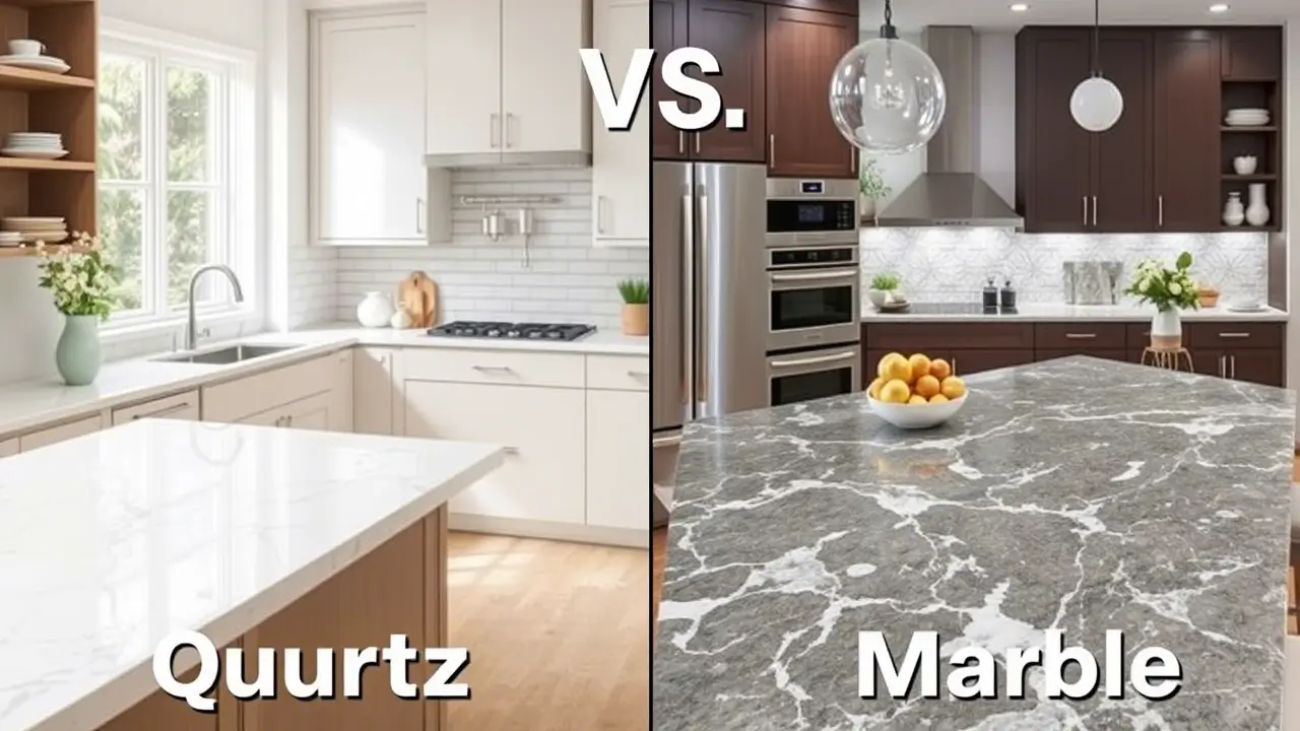
What is better, quartz or marble countertops

Is quartz cheaper than marble?

When it comes to selecting materials for countertops, flooring, or other surfaces in your home, quartz and marble are two of the most popular choices. Both materials offer unique characteristics that can enhance the beauty and functionality of your space. Quartz, an engineered stone, is composed of approximately 90-95% crushed natural quartz crystals mixed with resins and pigments.

This combination results in a non-porous surface that is highly durable and available in a wide range of colors and patterns. On the other hand, marble is a natural stone that has been prized for centuries for its elegance and timeless appeal. Formed from metamorphosed limestone, marble boasts unique veining and color variations that make each slab one-of-a-kind.

As you embark on the journey of choosing between quartz and marble, it’s essential to understand the fundamental differences between these two materials. While both can elevate the aesthetic of your home, they cater to different preferences and lifestyles. Your choice may depend on various factors, including cost, maintenance requirements, durability, and design aesthetics.

By exploring these aspects in detail, you can make an informed decision that aligns with your needs and enhances your living space.

Cost Comparison between Quartz and Marble

Comparing the Costs of Quartz and Marble

One of the primary considerations is cost. Generally, quartz is more affordable than marble. The price of quartz ranges from $50 to $150 per square foot, depending on the brand, color, and design complexity. In contrast, marble typically costs between $60 to $200 per square foot. The higher price tag for marble is due to its natural formation process and the labor-intensive methods required to extract it.

Long-term Expenses and Maintenance

While initial costs are important, it’s also crucial to consider the long-term expenses associated with each material. Although quartz may have a lower upfront cost, its durability and low maintenance requirements can lead to savings over time. On the other hand, marble requires more frequent sealing and care to maintain its appearance, which can add to its overall cost.

Considering Performance and Environment

As you weigh your options, consider not only the initial investment but also how each material will perform over time in your specific environment. By taking a holistic approach to your decision, you can make an informed choice that meets your needs and budget.

Factors Affecting the Cost of Quartz and Marble

Several factors influence the cost of both quartz and marble that you should keep in mind as you make your decision. For quartz, the brand and manufacturing process play significant roles in determining price. Some manufacturers offer premium lines with unique colors or patterns that can drive up costs.

Additionally, the thickness of the slab can affect pricing; thicker slabs often come at a higher price point due to increased material usage. When it comes to marble, several variables can impact its cost as well. The rarity of the stone is a significant factor; certain types of marble are more difficult to source and therefore command higher prices.

The complexity of the veining and color variations can also influence cost—more intricate patterns may require more skilled craftsmanship during installation. Furthermore, geographical location can affect pricing due to transportation costs and local market demand. Understanding these factors will help you navigate the pricing landscape more effectively.

Maintenance and Durability of Quartz and Marble

Maintenance is a critical aspect to consider when choosing between quartz and marble for your home. Quartz is renowned for its low-maintenance nature; it does not require sealing like marble does, making it an attractive option for busy households. A simple wipe down with soap and water is usually sufficient to keep quartz surfaces looking pristine.

Its non-porous surface also means that it is less susceptible to staining from spills or food items, which can be a significant advantage in kitchens. In contrast, marble requires more diligent care to maintain its beauty over time. Being a porous material, marble is prone to staining from acidic substances like lemon juice or vinegar.

Regular sealing is necessary to protect against stains and etching, which can occur when acidic substances come into contact with the surface. While many homeowners appreciate the classic look of marble, they must be prepared for the additional maintenance involved in preserving its appearance. Ultimately, your lifestyle and willingness to invest time in upkeep will play a significant role in your choice between these two materials.

Design and Aesthetics of Quartz and Marble

The design possibilities offered by quartz and marble are vast, allowing you to create a space that reflects your personal style. Quartz comes in an extensive array of colors and patterns due to its engineered nature. Whether you prefer a sleek solid color or a bold pattern that mimics natural stone, quartz can accommodate your vision.

This versatility makes it an excellent choice for modern interiors where customization is key. Marble, on the other hand, exudes a classic elegance that is hard to replicate. Its natural veining and unique color variations create a luxurious look that has been celebrated throughout history in architecture and design.

Each slab of marble tells its own story through its distinct patterns, making it a favored choice for those seeking a timeless aesthetic. However, while marble offers unparalleled beauty, it may not provide the same level of customization as quartz. Your choice will ultimately depend on whether you prioritize modern versatility or classic elegance in your design.

Choosing between Quartz and Marble

In conclusion, choosing between quartz and marble involves careful consideration of various factors including cost, maintenance requirements, durability, and design aesthetics. Quartz offers affordability and low maintenance while providing a wide range of design options that cater to contemporary tastes. Conversely, marble brings timeless beauty and elegance but requires more upkeep to maintain its stunning appearance.

As you weigh your options, think about your lifestyle and how each material will fit into your daily routine. If you lead a busy life with little time for maintenance, quartz may be the better choice for you. However, if you are drawn to the classic allure of natural stone and are willing to invest time in care, marble could be the perfect fit for your home.

Ultimately, both materials have their unique advantages and can enhance your living space in different ways. By understanding their characteristics and how they align with your preferences, you can make an informed decision that will serve you well for years to come. Whether you choose quartz or marble, both options promise to elevate your home’s aesthetic while providing functional surfaces that meet your needs.

If you are considering quartz or marble for your kitchen countertop, you may find the article “Cooking Up Style: The Ultimate Kitchen Countertop Guide” from Solid Top to be helpful. This guide can provide you with valuable information on the pros and cons of each material, as well as tips on how to choose the best option for your needs. Additionally, if you are interested in exploring different types of stone for your countertop, you may want to check out the article “Malaysia’s Top No. 1 Granite Stone Manufacturer” from Solid Top.

FAQs

What is the cost difference between quartz and marble?

Quartz is generally cheaper than marble when it comes to upfront costs. However, the overall cost can vary depending on factors such as installation, maintenance, and durability.

Why is quartz cheaper than marble?

Quartz is cheaper than marble because it is a man-made material, while marble is a natural stone. The manufacturing process of quartz allows for more control over the final product, resulting in lower production costs.

Are there any additional costs associated with quartz or marble?

Both quartz and marble may have additional costs associated with installation, sealing, and maintenance. It’s important to consider these factors when comparing the overall cost of each material.

Which material is more durable, quartz or marble?

Quartz is generally more durable than marble. Marble is a softer stone and is more prone to scratching, staining, and etching. Quartz, being a man-made material, is engineered to be more resistant to these types of damage.

What are the maintenance requirements for quartz and marble?

Marble requires regular sealing and more delicate care to prevent staining and etching. Quartz, on the other hand, is non-porous and does not require sealing. It is also easier to clean and maintain compared to marble.

hot pans on quartz kitchen cabinet

Can I put hot pans on quartz?

When you think about kitchen countertops, quartz is likely one of the first materials that comes to mind. This engineered stone is a popular choice among homeowners and designers alike, thanks to its stunning appearance and impressive durability. Composed of approximately 90-95% crushed natural quartz crystals mixed with resins and pigments, quartz countertops offer a unique blend of beauty and functionality.

The result is a non-porous surface that resists staining, scratching, and chipping, making it an ideal option for busy kitchens. You may appreciate the wide variety of colors and patterns available in quartz countertops, which can complement any design aesthetic. Whether you prefer a classic white with subtle veining or a bold, dark hue with striking flecks, there’s a quartz option that can enhance your space.

Additionally, the uniformity of the material means that you can achieve a seamless look across your countertops, which is often difficult to achieve with natural stones like granite or marble. Understanding these characteristics can help you make an informed decision when selecting the perfect countertop for your home.

The Effects of Heat on Quartz

While quartz countertops are known for their durability, it’s essential to understand how heat can affect them. Unlike natural stones, quartz is engineered with resins that can be sensitive to high temperatures. When exposed to extreme heat, these resins can weaken or even melt, leading to potential damage.

This means that while your quartz countertop may look stunning and withstand daily wear and tear, it is not entirely impervious to the effects of heat. You might be surprised to learn that placing hot pans directly on quartz can lead to discoloration or warping over time. The heat can cause the resin to break down, resulting in unsightly marks or even structural issues.

Therefore, it’s crucial to be mindful of how you treat your quartz surfaces in order to maintain their beauty and integrity. Understanding the effects of heat on quartz will empower you to take better care of your countertops and prolong their lifespan.

Guidelines for Placing Hot Pans on Quartz

To protect your quartz countertops from heat damage, it’s essential to follow some simple guidelines when handling hot pans. First and foremost, always use trivets or hot pads when placing hot cookware on your countertop. These protective barriers can help absorb the heat and prevent direct contact with the surface, significantly reducing the risk of damage.

By making this small adjustment in your kitchen routine, you can safeguard your investment in quartz countertops. Additionally, consider the temperature of the items you are placing on the surface. While it may be tempting to set down a pan straight from the oven or stovetop, it’s wise to allow it to cool slightly before making contact with your quartz countertop.

This precaution can help minimize the risk of thermal shock and ensure that your countertops remain in pristine condition for years to come. By adhering to these guidelines, you can enjoy the beauty of your quartz surfaces without compromising their integrity.

Potential Risks of Putting Hot Pans on Quartz

Despite the allure of quartz countertops, there are inherent risks associated with placing hot pans directly on them. One of the most significant concerns is the potential for thermal shock, which occurs when a material experiences rapid temperature changes. This phenomenon can lead to cracks or fissures in your countertop, compromising its structural integrity.

You may not notice these issues immediately, but over time, they can worsen and require costly repairs or replacements. Another risk involves discoloration or staining caused by prolonged exposure to high temperatures. The resins used in quartz countertops can become discolored when subjected to extreme heat, leading to unsightly marks that detract from the overall appearance of your kitchen.

Even if you take precautions, repeated exposure to hot cookware can gradually diminish the vibrancy of your countertop’s color and pattern. Being aware of these potential risks will help you make informed decisions about how to care for your quartz surfaces.

Alternatives to Placing Hot Pans on Quartz

If you’re looking for alternatives to placing hot pans directly on your quartz countertops, there are several options available that can help protect your investment. One effective solution is to use heat-resistant mats or pads specifically designed for kitchen use. These mats can withstand high temperatures and provide a safe barrier between your hot cookware and the countertop surface.

Another alternative is to designate a specific area in your kitchen for placing hot pans. This could be a designated section of your countertop or even a separate surface like a kitchen island or cart. By creating a dedicated space for hot items, you can minimize the risk of damage to your quartz countertops while still having easy access to your cooking tools.

Implementing these alternatives will not only protect your countertops but also enhance your overall kitchen experience.

Maintaining the Beauty and Integrity of Quartz Countertops

To ensure that your quartz countertops remain beautiful and functional for years to come, regular maintenance is key. Start by cleaning your surfaces with mild soap and warm water, using a soft cloth or sponge to avoid scratching the surface. Avoid harsh chemicals or abrasive cleaners that could damage the resin and dull the finish of your countertops.

By establishing a routine cleaning schedule, you can keep your quartz surfaces looking their best. In addition to regular cleaning, consider applying a protective sealant every few years to enhance the durability of your countertops. While quartz is non-porous and generally does not require sealing like natural stones do, a sealant can provide an extra layer of protection against stains and scratches.

This simple step can go a long way in maintaining the beauty and integrity of your quartz surfaces. By understanding how to care for your quartz countertops properly, you can enjoy their stunning appearance while ensuring they remain functional for years to come. With mindful practices regarding heat exposure and regular maintenance routines, you’ll be well-equipped to preserve the beauty and longevity of this popular countertop material in your home.

If you are considering using quartz countertops in your kitchen, you may be wondering if you can put hot pans directly on the surface. According to Solid Top’s article on the advantages of using quartz countertops in the kitchen, quartz is heat resistant but not heat proof. It is recommended to use trivets or hot pads to protect the surface from extreme heat. Additionally, if you are interested in exploring other options for kitchen countertops, you may want to read Solid Top’s article on sintered stone, the future of countertops.

FAQs

Can I put hot pans on quartz?

Yes, quartz countertops are heat resistant, but it is still recommended to use trivets or hot pads to protect the surface from potential damage.

What temperature can quartz withstand?

Quartz countertops can withstand temperatures up to 300°F, but sudden changes in temperature can cause thermal shock and potentially damage the surface.

What happens if I put a hot pan directly on quartz?

Putting a hot pan directly on quartz can cause thermal shock, which may lead to cracks or discoloration on the surface.

How should I protect my quartz countertops from heat damage?

To protect quartz countertops from heat damage, it is best to use trivets, hot pads, or heat-resistant mats when placing hot pans or dishes on the surface.

Can prolonged exposure to heat damage quartz countertops?

Prolonged exposure to heat can potentially damage quartz countertops, so it is important to use protective measures and avoid placing hot items directly on the surface for extended periods of time.