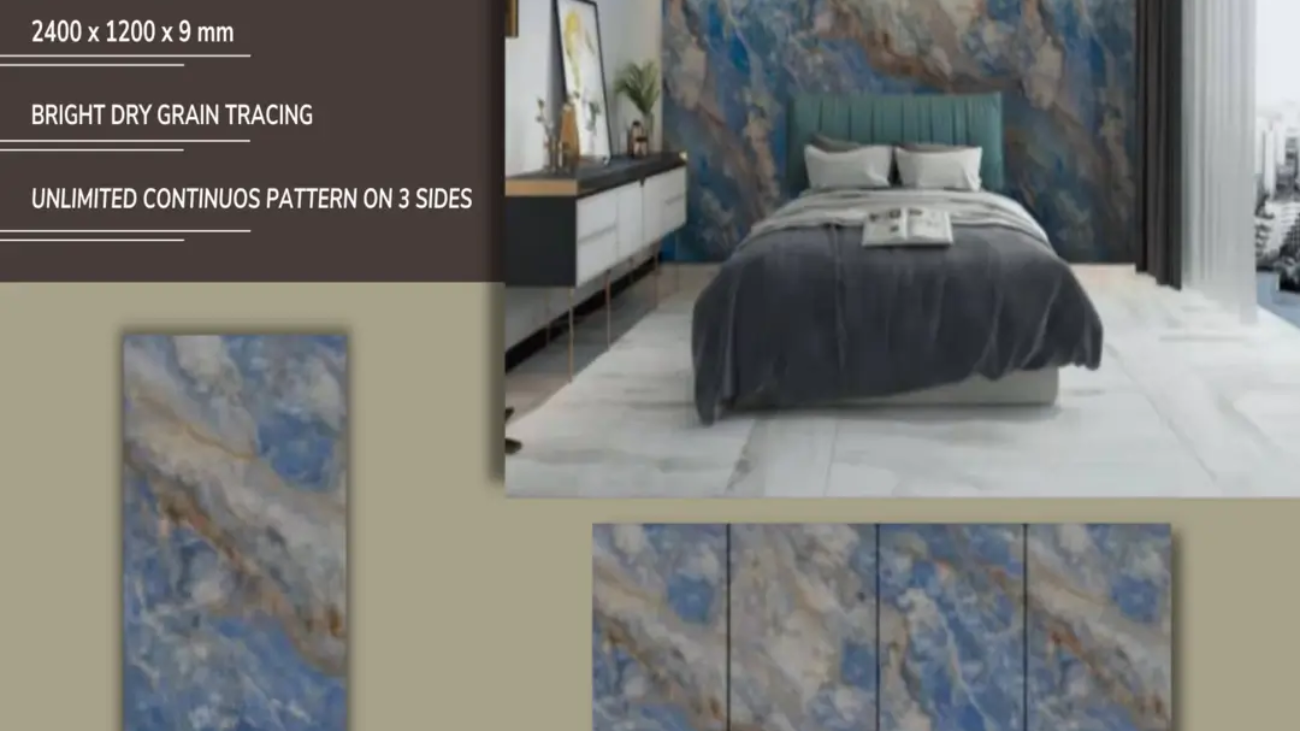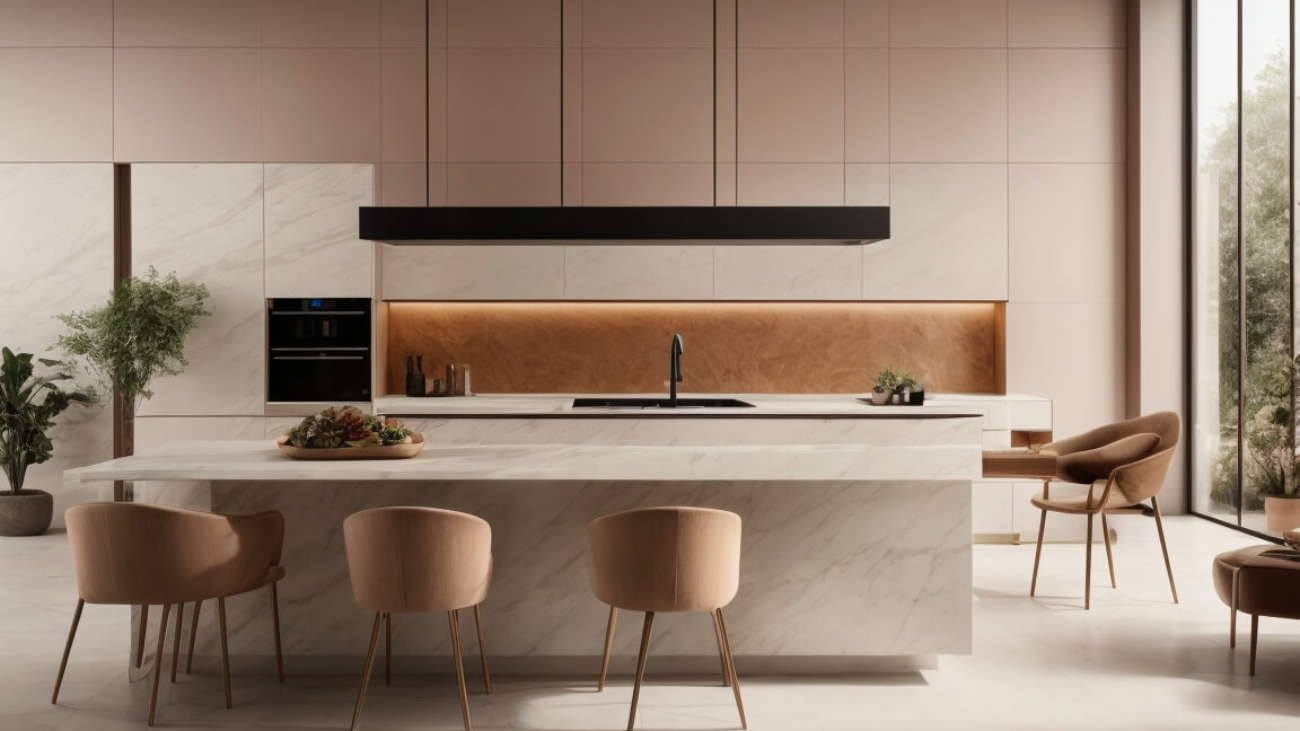
Dekton Kitchen Cabinets and Elevate Your Home Design

DEKTON Installation Guide: What You Need to Know

DEKTON is a revolutionary surface material that has gained immense popularity in recent years, particularly in the realms of kitchen countertops, flooring, and wall cladding. This innovative product is composed of a blend of raw materials, including glass, porcelain, and quartz, which are subjected to extreme heat and pressure during its manufacturing process. The result is a highly durable, non-porous surface that is resistant to scratches, stains, and UV rays.

As you explore the possibilities of DEKTON for your home or commercial space, you will discover its versatility and aesthetic appeal, making it an ideal choice for both functional and decorative applications. One of the standout features of DEKTON is its wide range of colors and finishes. Whether you prefer a sleek, modern look or a more traditional aesthetic, DEKTON offers an extensive palette to suit your design preferences.

Additionally, its ability to mimic natural stone, wood, or even concrete allows you to achieve the desired ambiance without compromising on durability. As you consider DEKTON for your next project, it’s essential to understand the installation process and maintenance requirements to ensure that you can enjoy its benefits for years to come.

Tools and materials required for DEKTON installation

Preparing for a Successful DEKTON Installation

Before starting your DEKTON installation, it’s essential to gather all the necessary tools and materials. Having everything on hand will streamline the process and help you avoid unnecessary delays.

Essential Tools for Cutting DEKTON

First and foremost, you will need a high-quality diamond blade saw specifically designed for cutting DEKTON. This material is incredibly dense, so using the right saw will ensure clean cuts without chipping or damaging the surface. Additionally, a wet saw is recommended to minimize dust and provide a smoother finish.

Additional Tools and Safety Gear

In addition to the saw, you will require a variety of other tools. A measuring tape will be essential for accurate measurements, while a level will help ensure that your installation is perfectly aligned. You should also have a notched trowel for applying adhesive, as well as a rubber mallet for gently tapping the DEKTON slabs into place. Safety gear is equally important; make sure to wear gloves, goggles, and a dust mask to protect yourself during the installation process.

Gathering Materials for Finishing Touches

Lastly, gather your adhesive, caulk, and any other materials needed for finishing touches.

Preparing the installation area for DEKTON

Preparing the installation area is a critical step that sets the foundation for a successful DEKTON installation. Begin by clearing the space of any existing materials or debris. If you are replacing an old countertop or flooring, ensure that all remnants are removed and that the surface is clean and dry.

This preparation will help create a stable base for your new DEKTON surface. Next, assess the underlying structure where the DEKTON will be installed. For countertops, ensure that the cabinets are level and sturdy enough to support the weight of the slabs.

If you are installing DEKTON flooring, check that the subfloor is even and free from any moisture issues. Any imperfections in the base can lead to complications down the line, so take the time to address these concerns before proceeding with the installation.

Step-by-step guide to installing DEKTON

Once you have prepared the area and gathered your tools and materials, it’s time to dive into the installation process. Start by measuring and marking where each DEKTON slab will be placed. Accurate measurements are crucial; even minor discrepancies can lead to misalignment or gaps in your finished product.

After marking your layout, cut the DEKTON slabs according to your measurements using the diamond blade saw. With your slabs cut to size, it’s time to apply adhesive to the surface where they will be installed. Use a notched trowel to spread an even layer of adhesive over the area, ensuring complete coverage for optimal bonding.

Carefully position each slab onto the adhesive bed, using a rubber mallet to gently tap them into place if necessary. As you work, continuously check for levelness and alignment to maintain a professional finish. Once all slabs are in place, allow the adhesive to cure according to the manufacturer’s instructions.

After curing, you can proceed with grouting any seams or joints between slabs using a color-matched grout for a seamless appearance. Finally, apply caulk around edges and joints to create a watertight seal that enhances durability and prevents moisture infiltration.

Tips for maintaining and caring for DEKTON

Maintaining your DEKTON surfaces is relatively straightforward due to their inherent durability and resistance to stains and scratches. However, adopting a regular cleaning routine will help preserve their appearance over time. For daily cleaning, simply use warm water and a mild detergent with a soft cloth or sponge.

Avoid abrasive cleaners or scouring pads that could scratch the surface. In addition to regular cleaning, it’s wise to avoid placing hot pots or pans directly on DEKTON surfaces without protection. While DEKTON is heat resistant, extreme temperature changes can still cause damage over time.

Using trivets or heat pads can help prolong the life of your surfaces. Furthermore, be cautious with sharp objects; while DEKTON is scratch-resistant, it’s always best practice to use cutting boards when preparing food.

Conclusion and final considerations for DEKTON installation

Discover the Exceptional Benefits of DEKTON

DEKTON offers an exceptional option for those seeking a durable and aesthetically pleasing surface material for their homes or businesses. Its unique composition provides unparalleled resistance to scratches, stains, and UV rays while offering an extensive range of colors and finishes to suit any design preference. By understanding the installation process and taking care of your DEKTON surfaces through proper maintenance practices, you can enjoy their beauty and functionality for many years.

Preparing for a Successful DEKTON Installation

As you embark on your DEKTON installation project, remember that preparation is key. Gather all necessary tools and materials beforehand, ensure your installation area is ready, and follow each step carefully for optimal results. This attention to detail will help you achieve the desired outcome and make the most of your DEKTON surfaces.

Unlocking the Full Potential of DEKTON

With attention to detail and a commitment to quality workmanship, you can create stunning spaces that showcase the remarkable qualities of DEKTON while enhancing your home’s overall value and appeal. By investing time and effort into the installation process, you can unlock the full potential of DEKTON and enjoy its numerous benefits for years to come.

Maximizing the Value of Your DEKTON Surfaces

By combining the exceptional qualities of DEKTON with proper installation and maintenance practices, you can maximize the value of your DEKTON surfaces and create a beautiful, functional, and long-lasting space that meets your needs and exceeds your expectations.

If you’re considering DEKTON for your countertops and want to understand more about alternative materials, you might find the article “Sintered Stone vs. Quartz for Your Countertops” helpful. This article provides a detailed comparison between sintered stone, which includes materials like DEKTON, and quartz, discussing aspects such as durability, maintenance, and aesthetic options. This can be crucial in helping you make an informed decision about which material suits your needs best. You can read more about it here.

FAQs

What is DEKTON?

DEKTON is a type of ultra-compact surface material made from a blend of raw materials used in glass, porcelain, and quartz surfaces. It is known for its durability, resistance to heat, scratches, and stains, and its wide range of design options.

What are the benefits of using DEKTON?

DEKTON offers several benefits, including high resistance to scratches, stains, and heat, low water absorption, UV resistance, and a wide range of design options. It is also suitable for both indoor and outdoor use.

What tools and materials are needed for DEKTON installation?

The tools and materials needed for DEKTON installation include a diamond blade saw, a variable speed grinder, a straight edge, clamps, suction cups, silicone adhesive, and leveling spacers.

What are the steps for installing DEKTON?

The installation process for DEKTON involves several steps, including measuring and cutting the material, preparing the installation area, applying adhesive, and securing the DEKTON slabs in place. It is important to follow the manufacturer’s guidelines for installation.

Can DEKTON be used for outdoor applications?

Yes, DEKTON is suitable for outdoor applications due to its resistance to UV rays, scratches, and stains. It can be used for outdoor kitchen countertops, patio tables, and other outdoor surfaces.

How do you maintain DEKTON surfaces?

DEKTON surfaces are easy to maintain and require simple cleaning with mild soap and water. Avoid using abrasive cleaners or harsh chemicals, and promptly clean up any spills to prevent staining.

MDF programs

MDF Program Management That Ties Funds to Campaign Execution

MDF programs

This kind of solution can streamline the process of allocating and tracking funds, ensuring transparency, and measuring the return on investment. When you invest in your partners’ success through MDF programs, you show that you value their contribution to your business. It enables manufacturers to incentivize their partners to invest more in marketing activities that further the brand’s reach and increase sales.

By failing to adopt mdf program automation, you risk losing your most valuable channel assets to competitors who prioritize operational transparency and partner experience. This lack of precision is particularly dangerous in regulated industries, where the absence of an automated audit trail creates compliance risks. They create an environment of data fragmentation where no single version of truth exists to guide executive decision-making across departments. This creates a decision-grade environment where data is cleansed and normalized for executive reporting.

  • We’ll set up a branded portal for you.Delivered within 24 hours.
  • This is why it pays to plan MDF campaigns early in the quarter rather than scrambling at the end.
  • Instead of building local sales and marketing teams in every geography or vertical, vendors fund their partner network to do that work.
  • It is also effective when the vendor wants stronger co‑marketing discipline around target accounts, industries, or solutions, but knows partners will not invest confidently without shared funding and shared goals.
  • There is no single blueprint, but strong programs share the same building blocks.

Explore how CMR’s solutions compare with legacy MDF tracking tools by requesting a demo. CMR’s Co-Op/MDF Management Platform helps manufacturers and distributors streamline every stage of MDF program execution—from fund planning to performance reporting. As MDF strategies mature, many organizations evolve from manual tracking toward structured MDF management processes supported by automation and reporting. Most marketing development fund programs begin with budget allocation based on partner performance tiers or revenue targets, followed by proposal submission, approval, execution, and reimbursement or accrual tracking. Understanding this process is key to building effective MDF management programs that scale and perform consistently.

Investing with MDF on Climate Solutions

MDF programs

Report results transparently to build credibility for future funding. Submit comprehensive proposals with clear success metrics. While MDFs offer https://business-soulwork.com/why-following-up-is-important-after-networking-events/ significant value, common challenges include low utilization rates, program complexity, and inconsistent ROI tracking. Customize funding strategies based on partner potential, regional focus, market maturity, and co-marketing alignment.

  • It is a perfect balance between corporate control and partner autonomy in marketing.
  • Automation manages these by applying distinct logic gates to each fund type within a single system.
  • At their core, MDFs are vendor‑provided funds used to support partner‑led marketing activities such as co‑branded campaigns, events, content, paid media, and lead generation.
  • For instance, if a partner needs to increase the number of MQLs to hit a $20,000 opportunity in one quarter, you and the partner may determine the need for 300 MQLs.
  • The following market development funds best practices are the framework strong SaaS teams use to make MDF programs predictable, measurable, and aligned with revenue.
  • Yes, robust mdf program automation platforms are built with open APIs to integrate seamlessly with enterprise CRM and ERP systems.

Market Development Funds (MDF) are dollars a vendor sets aside to fund joint marketing, demand generation, and sales enablement executed by a channel partner — typically a reseller, distributor, dealer, systems integrator, or installer. Success with MDF programs requires careful planning, clear processes, and the right tools. Market Development Funds represent a powerful opportunity for both manufacturers and channel partners to drive growth through collaborative marketing efforts. With these best practices in place, organizations can optimize their MDF programs, driving partner engagement, lead generation, and brand visibility while ensuring maximum return on investment. Through these mutual benefits, MDF programs create a foundation for successful long-term partnerships that drive growth for both manufacturers and https://educationnewshunt.com/why-joining-artificial-intelligence-should-be-on-the-top-of-your-list/ their channel partners.

MDF programs

MDF bridges gaps between material suppliers, equipment and part manufacturers, end users, academia, and government entities to deliver platform technology solutions for US manufacturers. With automated solutions like those provided by Computer Market Research, managing these programs becomes a smoother, more streamlined https://shesightmag.com/shesight-media-academy-empowers-women-with-cutting-edge-media-skills/ process. In conclusion, MDF programs offer a potent tool for manufacturers looking to expand their market reach and drive sales. Before allocating MDF funds, it’s essential to set clear guidelines regarding the usage of these funds.

Why Should Manufacturers Consider MDF Programs?

MDF programs

Authorized or Silver-tier partners typically get no MDF or small co-marketing stipends. Cybersecurity vendors are typically heavier MDF users than other software categories. MDF abuse – partners spending funds on non-marketing activity – is one of the more common operational failures in channel programs. MDF goes to strategic partners for high-impact campaigns; co-op funds go to all partners as a baseline marketing benefit. Every step in this workflow requires documentation, approval logic, and audit trail. It involves budget planning, partner-by-partner allocation, campaign approval workflows, reimbursement processing, and ROI tracking.

  • Platforms designed for managing marketing development funds handle this automatically.
  • These policies can differ based on MDF programs, partner levels, geographies, and industries.
  • MDF programs are an integral part of a comprehensive channel marketing strategy.
  • Have you seen them used effectively, or are they often misallocated?

Platform RequirementPRM must link training completion data to deal registration and revenue reporting to demonstrate the ROI connection. A common model reimburses up to 80% of approved certification fees, tiered by certification level and partner status. Partners with certified technicians generate more qualified pipeline, close deals faster, and have lower support overhead. Each of these stages is a potential breakdown point without the right platform infrastructure. Market Development Funds (MDF) are marketing budgets provided by vendors to their channel partners to fund joint demand-generation activities.

Unleashing Creativity with Dekton Showroom Manufacturer's Cutting-Edge Materials

The Benefits of Choosing DEKTON for Your Home Renovation

When considering materials for your home or office, durability and longevity are paramount. You want to invest in products that will withstand the test of time, and this is where certain materials shine. For instance, when you choose high-quality flooring or countertops, you are not just making a purchase; you are making a long-term investment.

These materials are engineered to resist wear and tear, ensuring that they maintain their aesthetic appeal and functionality for years to come. Imagine walking on a floor that looks as good as new even after years of foot traffic; this is the kind of durability you should seek. Moreover, the longevity of these materials often translates into cost savings over time.

You won’t find yourself frequently replacing or repairing items that are built to last. Instead, you can focus on enjoying your space without the constant worry of deterioration. This peace of mind is invaluable, allowing you to allocate your resources toward other aspects of your home or business.

In essence, when you prioritize durability and longevity, you are not just choosing a product; you are choosing a lifestyle that values quality and resilience.

Low Maintenance

The Importance of Low Maintenance in Modern Life

In today’s fast-paced world, low maintenance is a feature that many people prioritize when selecting materials for their living or working spaces. You likely lead a busy life, juggling various responsibilities, and the last thing you want is to spend your precious time on upkeep. Choosing materials that require minimal maintenance can significantly enhance your quality of life.

Benefits of Low-Maintenance Materials

For example, surfaces that resist staining and do not require frequent sealing or polishing can save you hours of cleaning and maintenance work. Additionally, low-maintenance materials often come with the added benefit of being easier to clean. You can simply wipe down surfaces without worrying about damaging them or needing special cleaning products.

A Simpler and More Enjoyable Living Space

This ease of care not only makes your life simpler but also keeps your environment looking pristine with minimal effort. By opting for low-maintenance options, you can enjoy a beautiful space without the burden of constant upkeep, allowing you to focus on what truly matters in your life.

Enhancing Your Overall Quality of Life

By choosing low-maintenance materials, you can create a space that is not only visually appealing but also functional and stress-free. This, in turn, can have a positive impact on your overall well-being and quality of life, giving you more time to focus on the things that bring you joy and fulfillment.

Resistance to Heat and Stains

When it comes to selecting materials for your kitchen or dining area, resistance to heat and stains is a crucial consideration. You want surfaces that can handle the rigors of daily cooking and dining without showing signs of wear. Imagine preparing a hot meal without the fear of damaging your countertops or having to deal with stubborn stains from spills.

Materials that boast heat resistance can withstand high temperatures, making them ideal for culinary enthusiasts like yourself who enjoy cooking and entertaining. Stain resistance is equally important in maintaining the aesthetic appeal of your space. Whether it’s a spilled glass of red wine or a dropped plate of pasta sauce, accidents happen.

Choosing materials that resist staining means you can clean up quickly and easily without leaving behind unsightly marks. This not only preserves the beauty of your surfaces but also enhances your overall enjoyment of your home. With heat and stain-resistant materials, you can cook, dine, and entertain with confidence, knowing that your surfaces will remain in excellent condition.

Versatility in Design

One of the most appealing aspects of modern materials is their versatility in design. You have an array of options at your disposal, allowing you to create a space that reflects your personal style and meets your functional needs. Whether you prefer a sleek, contemporary look or a more traditional aesthetic, there are materials available that can seamlessly integrate into your vision.

This flexibility means you can experiment with different colors, textures, and finishes to achieve the desired ambiance in your home or office. Furthermore, versatile materials can adapt to various applications throughout your space. For instance, a particular type of tile may work beautifully in both your kitchen and bathroom, providing continuity while allowing for creative expression in different areas.

This adaptability not only enhances the overall design but also simplifies the decision-making process when it comes to renovations or new constructions. By embracing versatile materials, you empower yourself to craft a cohesive and stylish environment that truly feels like home.

Environmental Sustainability

In an age where environmental consciousness is more important than ever, choosing sustainable materials is a decision that resonates with many individuals today. You may find yourself increasingly aware of the impact your choices have on the planet, and opting for environmentally friendly materials is a powerful way to contribute positively. Sustainable materials are often sourced responsibly, ensuring that they do not deplete natural resources or harm ecosystems.

By selecting these options, you align your values with your purchasing decisions. Moreover, many sustainable materials are designed to be energy-efficient and long-lasting, further reducing their environmental footprint. For instance, using reclaimed wood or recycled materials not only minimizes waste but also adds unique character to your space.

You can take pride in knowing that your choices support eco-friendly practices while enhancing the beauty of your home or office. By prioritizing environmental sustainability in your design choices, you create a space that reflects not only your style but also your commitment to protecting the planet for future generations.

Increased Property Value

Creating a Lasting Impression

Imagine showcasing a kitchen with stunning countertops that not only look great but also stand up to daily use; this is the kind of feature that attracts buyers. Additionally, properties that incorporate sustainable and versatile design elements tend to stand out in the market. As more people become environmentally conscious, homes that reflect these values are increasingly sought after.

Sustainable Design Choices

By investing in sustainable materials and thoughtful design choices, you position yourself favorably in a competitive real estate landscape. Ultimately, enhancing your property’s value through smart material choices not only benefits you now but also pays dividends in the future when it comes time to make a move.

Key Considerations for Material Selection

In conclusion, when selecting materials for your home or office, consider factors such as durability, low maintenance requirements, resistance to heat and stains, versatility in design, environmental sustainability, and potential increases in property value. Each of these elements plays a crucial role in creating a space that is not only beautiful but also functional and enduring. By making informed choices based on these criteria, you can enjoy a living or working environment that meets your needs while reflecting your personal style and values for years to come.

When considering materials for your home renovation, particularly for kitchen surfaces, it’s essential to explore all your options to make an informed decision. If you’re interested in the benefits of DEKTON, you might also find it useful to read about the advantages of using quartz countertops. Quartz is renowned for its durability, ease of maintenance, and wide range of design options, making it a popular choice for modern kitchens. For a detailed exploration of why quartz might be the right choice for your kitchen, check out this related article: Advantages of Using Quartz Countertops in Your Kitchen. This guide provides valuable insights that could help you compare and contrast DEKTON with quartz, ensuring you choose the best material for your renovation needs.

FAQs

What is DEKTON?

DEKTON is a type of ultra-compact surface material made from a blend of raw materials used in glass, porcelain, and quartz surfaces. It is manufactured using a high-tech process called Sinterized Particle Technology, which involves extreme heat and pressure to create a material that is highly resistant to heat, stains, and scratches.

What are the benefits of choosing DEKTON for home renovation?

DEKTON offers several benefits for home renovation, including its high resistance to heat, scratches, and stains. It is also UV resistant, making it suitable for both indoor and outdoor applications. DEKTON is available in a wide range of colors and finishes, and it is easy to maintain and clean.

Where can DEKTON be used in a home renovation?

DEKTON can be used in various applications during a home renovation, including kitchen countertops, bathroom vanities, flooring, wall cladding, and outdoor spaces such as patios and pool surrounds. Its durability and resistance to the elements make it a versatile choice for both indoor and outdoor use.

Is DEKTON environmentally friendly?

DEKTON is a sustainable and environmentally friendly material. It is manufactured using a process that minimizes waste and energy consumption, and it is also recyclable. Additionally, DEKTON’s long lifespan and low maintenance requirements contribute to its eco-friendly credentials.

How does DEKTON compare to other materials like granite or marble?

DEKTON offers several advantages over traditional materials like granite or marble. It is more resistant to heat, scratches, and stains, making it a low-maintenance option for homeowners. DEKTON also comes in larger slab sizes, allowing for seamless installations with minimal grout lines. Additionally, its UV resistance makes it suitable for outdoor use, unlike natural stone materials.

The Importance of Proper Maintenance and Repair for Your Solid Surface Floors

How to Care for Your Ultra-Compact Surfaces: Tips and Tricks

Ultra-compact surfaces are a remarkable innovation in the world of materials, designed to meet the demands of modern living while offering unparalleled durability and aesthetic appeal. These surfaces are engineered from a blend of raw materials, including natural minerals and resins, which are subjected to extreme heat and pressure. This process results in a product that is not only incredibly dense but also non-porous, making it resistant to stains, scratches, and heat.

Unlike traditional materials such as granite or quartz, ultra-compact surfaces boast a uniform appearance and can be manufactured in a wide array of colors and finishes, allowing you to achieve the exact look you desire for your space. What sets ultra-compact surfaces apart from other materials is their versatility and resilience. While natural stones may require sealing to prevent staining and can be prone to chipping, ultra-compact surfaces maintain their integrity without the need for such treatments.

This makes them an ideal choice for high-traffic areas like kitchens and bathrooms, where spills and wear are common. Additionally, their non-porous nature means that they do not harbor bacteria or allergens, making them a hygienic option for your home. As you explore the possibilities of ultra-compact surfaces, you’ll find that they offer a unique combination of beauty and practicality that is hard to match.

Daily Maintenance: Keeping Your Ultra-Compact Surfaces Clean and Stain-Free

Maintaining the pristine condition of your ultra-compact surfaces is simpler than you might think. Daily upkeep primarily involves routine cleaning with mild soap and water. A soft cloth or sponge is all you need to wipe down the surface, removing any crumbs or spills that may have accumulated throughout the day.

This straightforward approach not only keeps your surfaces looking fresh but also prevents the buildup of grime that can lead to more significant cleaning challenges down the line. By incorporating this simple habit into your daily routine, you can ensure that your ultra-compact surfaces remain inviting and visually appealing. In addition to regular cleaning, it’s wise to be mindful of the products you use on your ultra-compact surfaces.

While they are highly resistant to stains, certain harsh chemicals can still cause damage over time. Opt for pH-balanced cleaners that are specifically designed for use on stone or engineered surfaces. Avoid abrasive pads or scouring powders, as these can scratch the surface and diminish its shine.

By taking these precautions, you can maintain the beauty of your ultra-compact surfaces while ensuring they remain stain-free and ready for everyday use.

Dealing with Tough Stains and Spills: Tips for Removing Stubborn Marks

Even with diligent daily maintenance, tough stains can occasionally occur on your ultra-compact surfaces. When faced with stubborn marks, it’s essential to act quickly to prevent them from setting in. For most spills, such as coffee or wine, blotting the area with a clean cloth immediately can help absorb the liquid before it has a chance to penetrate the surface.

If a stain does develop, a mixture of warm water and mild dish soap can often do the trick. Apply this solution with a soft cloth, gently scrubbing the affected area until the stain lifts away. For more challenging stains, such as those caused by grease or food residues, you may need to employ a slightly stronger approach.

A paste made from baking soda and water can be effective in tackling these tougher marks. Apply the paste directly onto the stain and let it sit for about 10 to 15 minutes before gently scrubbing with a soft cloth. Rinse thoroughly with water afterward to remove any residue from the baking soda.

This method is not only effective but also safe for your ultra-compact surfaces, allowing you to maintain their integrity while addressing unsightly blemishes.

Preventing Damage: Best Practices for Protecting Your Ultra-Compact Surfaces from Scratches and Chips

While ultra-compact surfaces are designed to withstand daily wear and tear, taking proactive measures can help prevent scratches and chips from occurring in the first place. One of the best practices is to use cutting boards when preparing food. Although these surfaces are highly resistant to scratches, using a cutting board will help preserve their finish and keep them looking new for longer.

Additionally, avoid placing hot pots or pans directly on the surface; instead, use trivets or heat-resistant mats to protect against thermal shock. Another effective way to prevent damage is by being mindful of how you handle heavy objects around your ultra-compact surfaces. When moving appliances or other heavy items, lift them rather than dragging them across the surface.

This simple action can significantly reduce the risk of scratches or chips occurring. Furthermore, consider using coasters under glasses or mugs to prevent rings or marks from forming on your surfaces. By adopting these best practices, you can enjoy your ultra-compact surfaces without worrying about potential damage.

Long-Term Care: How to Maintain the Beauty and Integrity of Your Ultra-Compact Surfaces Over Time

To ensure that your ultra-compact surfaces retain their beauty and integrity over time, it’s essential to establish a long-term care routine. Regularly inspecting your surfaces for any signs of wear or damage is a good starting point. If you notice any minor scratches or dullness in certain areas, addressing these issues promptly can prevent them from becoming more significant problems later on.

For instance, using a specialized polish designed for ultra-compact surfaces can help restore shine and luster while providing an additional layer of protection. In addition to routine inspections and polishing, consider scheduling periodic deep cleanings as part of your long-term care strategy. While daily maintenance is crucial, deep cleaning can help remove any built-up grime or residues that may not be addressed through regular cleaning alone.

Depending on your usage patterns and lifestyle, you might find it beneficial to perform a deep clean every few months or at least once a year. This proactive approach will not only enhance the appearance of your ultra-compact surfaces but also extend their lifespan significantly.

Professional Maintenance: When to Call in the Experts for Deep Cleaning and Restoration

When to Seek Professional Help

While many maintenance tasks can be handled on your own, there are times when calling in professionals for deep cleaning and restoration is advisable. If you notice persistent stains that refuse to budge despite your best efforts or if your surfaces have lost their luster over time, it may be time to seek expert assistance.

The Benefits of Professional Cleaning

Professional cleaners have access to specialized tools and products that can effectively address tough stains without risking damage to your ultra-compact surfaces. This expertise is particularly valuable when dealing with stubborn stains that may require unique solutions.

Restoration Services for Damaged Surfaces

Additionally, if you experience any significant chips or cracks in your surfaces, it’s crucial to consult with professionals who specialize in restoration services. Attempting to repair these issues on your own could lead to further damage or an unsightly finish. By entrusting these tasks to experts, you can ensure that your ultra-compact surfaces are restored to their original beauty while maintaining their structural integrity.

Investing in Long-Term Benefits

Remember that investing in professional maintenance not only enhances the appearance of your surfaces but also contributes to their longevity, allowing you to enjoy their benefits for years to come.

If you’re looking for more information on how to enhance your home with stylish surfaces, you might find the article “Transform Your Dining Space with a Beautiful Tabletop Design” particularly useful. This article provides insights into selecting the perfect tabletop for your dining area, which complements the care tips for ultra-compact surfaces. You can read more about it by visiting Transform Your Dining Space with a Beautiful Tabletop Design. This could be a great resource to help you choose and maintain a stunning dining surface that matches the durability and aesthetic of your ultra-compact surfaces.

FAQs

What are ultra-compact surfaces?

Ultra-compact surfaces are a type of engineered stone material made from a combination of natural materials, such as quartz, porcelain, and glass. They are known for their durability, resistance to heat, stains, and scratches, making them a popular choice for kitchen and bathroom countertops, as well as for flooring and wall cladding.

How do I clean ultra-compact surfaces?

To clean ultra-compact surfaces, use a mild detergent or a pH-neutral cleaner and warm water. Avoid using abrasive cleaners or scouring pads, as they can scratch the surface. Wipe the surface with a soft cloth or sponge and dry it with a clean towel to prevent water spots.

How do I remove stains from ultra-compact surfaces?

For most stains, a mixture of warm water and mild detergent should suffice. For tougher stains, such as those from coffee, wine, or oil, a non-abrasive household cleaner or a specialized stone cleaner can be used. Avoid using harsh chemicals or acidic cleaners, as they can damage the surface.

How do I maintain the shine of ultra-compact surfaces?

To maintain the shine of ultra-compact surfaces, regularly clean them with a mild detergent and warm water. Avoid using abrasive cleaners or scrubbing pads, as they can dull the surface. Additionally, consider using a specialized stone polish or sealer to enhance and protect the shine of the surface.

How do I prevent damage to ultra-compact surfaces?

To prevent damage to ultra-compact surfaces, avoid placing hot pots or pans directly on the surface, as extreme heat can cause thermal shock. Use cutting boards or trivets to protect the surface from scratches and impacts. Additionally, clean up spills promptly to prevent staining, and avoid using abrasive cleaners or harsh chemicals.

Ultra-Compact Surface - Porcelain - AAA - Single Sided Pattern - UCS @ AAA55-503F

Ultra-Compact Surfaces: The Perfect Choice for Outdoor Kitchens

Ultra-compact surfaces are innovative materials that have gained significant traction in the world of design and architecture. These surfaces are engineered from a blend of raw materials, including natural minerals, glass, and resins, which are subjected to extreme heat and pressure during their manufacturing process. This results in a product that is not only aesthetically pleasing but also incredibly durable.

You may find these surfaces in various applications, from countertops to flooring, but their versatility shines particularly in outdoor kitchen settings. The unique composition of ultra-compact surfaces gives them a range of properties that make them ideal for outdoor use. They are non-porous, which means they resist staining and do not harbor bacteria, making them a hygienic choice for food preparation areas.

Additionally, their resistance to UV rays ensures that they maintain their color and finish even when exposed to harsh sunlight. As you explore options for your outdoor kitchen, understanding the characteristics of ultra-compact surfaces will help you appreciate why they are becoming a popular choice among homeowners and designers alike.

Benefits of Using Ultra-Compact Surfaces for Outdoor Kitchens

Exceptional Durability in Outdoor Environments

When considering materials for your outdoor kitchen, the benefits of ultra-compact surfaces are hard to overlook. One of the most significant advantages is their exceptional durability. Unlike traditional materials that may chip, crack, or fade over time, ultra-compact surfaces are designed to withstand the rigors of outdoor environments.

Withstanding Extreme Conditions

Whether it’s extreme temperatures, heavy foot traffic, or exposure to moisture, these surfaces can handle it all without compromising their integrity. This makes them an ideal choice for outdoor kitchens that are frequently used and exposed to various environmental conditions.

Low Maintenance for a Stress-Free Experience

Another compelling reason to choose ultra-compact surfaces is their low maintenance requirements. You may find that traditional outdoor kitchen materials require regular sealing or special cleaning products to keep them looking their best. In contrast, ultra-compact surfaces are easy to clean and do not require any additional treatments. A simple wipe down with soap and water is often all that’s needed to maintain their pristine appearance. This ease of maintenance allows you to spend more time enjoying your outdoor space rather than worrying about upkeep.

Design Options for Outdoor Kitchens with Ultra-Compact Surfaces

The design possibilities with ultra-compact surfaces are virtually limitless, allowing you to create an outdoor kitchen that reflects your personal style and complements your home’s architecture. These surfaces come in a wide array of colors, textures, and finishes, enabling you to achieve everything from a sleek modern look to a rustic charm. You can choose from polished finishes that add a touch of elegance or textured options that provide a more natural feel.

In addition to aesthetic versatility, ultra-compact surfaces can be fabricated into various shapes and sizes, making them suitable for any layout you envision. Whether you prefer a large island for entertaining guests or a compact bar area for casual dining, these surfaces can be customized to fit your specific needs. You might also consider incorporating different surface types within the same outdoor kitchen design, such as using a matte finish for countertops while opting for a glossy finish on the backsplash.

This layering of textures can create visual interest and enhance the overall appeal of your outdoor space.

Maintenance and Durability of Ultra-Compact Surfaces in Outdoor Kitchens

One of the standout features of ultra-compact surfaces is their remarkable durability, which is particularly beneficial in outdoor kitchens where exposure to the elements is inevitable. These surfaces are resistant to scratches, stains, and heat, making them an ideal choice for cooking and entertaining outdoors. You can place hot pots and pans directly on the surface without fear of damaging it, which is a significant advantage over other materials that may warp or discolor under similar conditions.

In terms of maintenance, ultra-compact surfaces require minimal effort to keep them looking new. Their non-porous nature means that spills do not penetrate the surface, reducing the risk of staining from food or beverages. Regular cleaning is straightforward; simply use mild soap and water along with a soft cloth or sponge.

For tougher stains, a gentle abrasive cleaner can be used without damaging the surface. This ease of maintenance allows you to enjoy your outdoor kitchen without the constant worry of upkeep.

Cost Considerations for Ultra-Compact Surfaces in Outdoor Kitchens

While the initial investment in ultra-compact surfaces may be higher than some traditional materials, it’s essential to consider the long-term value they provide. The durability and low maintenance requirements mean that you are less likely to incur additional costs over time for repairs or replacements. When you factor in the lifespan of ultra-compact surfaces—often lasting decades with proper care—you may find that they offer a more economical solution in the long run.

Additionally, the aesthetic appeal of ultra-compact surfaces can enhance the overall value of your home. An outdoor kitchen featuring high-quality materials can be a significant selling point if you ever decide to put your home on the market. Potential buyers often appreciate modern amenities and durable finishes, which can lead to a higher return on investment.

Therefore, while the upfront cost may seem daunting, the benefits and potential resale value make ultra-compact surfaces a wise choice for your outdoor kitchen.

Why Ultra-Compact Surfaces are the Perfect Choice for Outdoor Kitchens

Enhancing Functionality and Aesthetics

Ultra-compact surfaces are an exceptional choice for outdoor kitchens due to their unique combination of durability, low maintenance, and design versatility. As you plan your outdoor cooking space, consider how these surfaces can enhance both functionality and aesthetics. Their ability to withstand harsh weather conditions while maintaining a beautiful appearance makes them ideal for any outdoor setting.

Investing in Quality and Longevity

Investing in ultra-compact surfaces means investing in quality and longevity. You can enjoy peace of mind knowing that your outdoor kitchen will remain stunning and functional for years to come. With an array of design options available, you can create a space that not only meets your culinary needs but also serves as an inviting area for family and friends to gather.

Creating a Timeless Outdoor Kitchen

Ultimately, choosing ultra-compact surfaces is not just about aesthetics; it’s about creating an outdoor kitchen that enhances your lifestyle while standing the test of time.

If you’re considering ultra-compact surfaces for your outdoor kitchen, you might also be interested in exploring other durable materials like granite. Granite is renowned for its strength and beauty, making it another excellent choice for outdoor spaces. To learn more about selecting the best granite for your kitchen needs, whether indoors or outdoors, check out this comprehensive guide on selecting the best granite stone in Malaysia. This article provides valuable insights into the varieties, benefits, and considerations when choosing granite, helping you make an informed decision for your kitchen surfaces.

FAQs

What are ultra-compact surfaces?

Ultra-compact surfaces are a type of material made from natural minerals, such as quartz and porcelain, that are compressed under high pressure and heat to create a dense, non-porous surface.

What are the benefits of using ultra-compact surfaces for outdoor kitchens?

Ultra-compact surfaces are highly resistant to heat, scratches, stains, and UV rays, making them an ideal choice for outdoor kitchens. They are also easy to clean and maintain, and come in a variety of colors and finishes.

How do ultra-compact surfaces compare to other materials for outdoor kitchens?

Ultra-compact surfaces are more durable and resistant to the elements compared to materials like granite, marble, and concrete. They also offer a wider range of design options and require less maintenance.

Can ultra-compact surfaces be used for countertops, backsplashes, and outdoor kitchen islands?

Yes, ultra-compact surfaces are versatile and can be used for countertops, backsplashes, outdoor kitchen islands, and even flooring. They are suitable for both residential and commercial outdoor kitchen applications.

Are there any drawbacks to using ultra-compact surfaces for outdoor kitchens?

While ultra-compact surfaces are highly durable, they can be more expensive than other materials. Additionally, installation may require professional expertise due to their density and weight.

Ultra-Compact Surface - Porcelain - ABC - 3 Sided Pattern - UCS @ ABC32-2407-2-P

Why Ultra-Compact Surfaces Are the Future of Kitchen Design

Ultra-compact surfaces are a revolutionary material that has gained significant traction in the world of interior design, particularly in kitchen applications. These surfaces are engineered from a blend of raw materials, including natural minerals, glass, and resins, which are subjected to extreme heat and pressure during the manufacturing process. This results in a dense, non-porous material that boasts remarkable properties, making it an ideal choice for various surfaces in your home.

You may find ultra-compact surfaces in countertops, backsplashes, and even flooring, offering a seamless and sophisticated look that elevates any space. The unique composition of ultra-compact surfaces allows them to mimic the appearance of natural stone, wood, or even concrete while providing enhanced performance characteristics. This means you can enjoy the aesthetic appeal of high-end materials without compromising on functionality.

As you explore your options for kitchen design, understanding the nature of ultra-compact surfaces will empower you to make informed decisions that align with your style and practical needs.

The Benefits of Ultra-Compact Surfaces in Kitchen Design

Stain and Spill Resistance

One of the most significant advantages of ultra-compact surfaces is their resistance to stains and spills. Unlike traditional materials that may absorb liquids or harbor bacteria, ultra-compact surfaces are non-porous, making them easy to clean and maintain.

Easy Cleaning and Hygiene

This feature is particularly beneficial in a kitchen environment where food preparation and cooking can lead to messes. You can wipe away spills with ease, ensuring your surfaces remain pristine and hygienic.

Heat Resistance and Durability

In addition to their practical cleaning benefits, ultra-compact surfaces also provide a high level of heat resistance. This means you can place hot pots and pans directly on the surface without worrying about damage or discoloration. This durability allows you to work efficiently in the kitchen without the constant concern of protecting your countertops from everyday wear and tear.

Durability and Longevity of Ultra-Compact Surfaces

Durability is one of the hallmark features of ultra-compact surfaces, setting them apart from many other materials used in kitchen design. These surfaces are engineered to withstand the rigors of daily use, making them an excellent investment for your home. The manufacturing process creates a material that is resistant to scratches, chips, and cracks, ensuring that your countertops will maintain their beauty over time.

You can confidently chop vegetables or roll out dough without fearing for the integrity of your surfaces. Moreover, the longevity of ultra-compact surfaces means you won’t have to worry about frequent replacements or repairs. Unlike natural stone or laminate options that may require sealing or resurfacing, ultra-compact surfaces retain their original appearance with minimal upkeep.

This durability not only saves you time and money in the long run but also contributes to a more sustainable lifestyle by reducing waste associated with material replacements. As you plan your kitchen renovation, consider how the long-lasting nature of ultra-compact surfaces can enhance both your daily life and your overall investment.

Design Versatility and Aesthetics of Ultra-Compact Surfaces

One of the most appealing aspects of ultra-compact surfaces is their incredible design versatility. Available in a wide range of colors, textures, and finishes, these surfaces can seamlessly integrate into any kitchen aesthetic you envision. Whether you prefer a sleek modern look with glossy finishes or a rustic charm with textured surfaces, ultra-compact materials can be customized to suit your personal style.

This adaptability allows you to create a cohesive design that reflects your taste while enhancing the overall ambiance of your kitchen. In addition to their aesthetic appeal, ultra-compact surfaces can be fabricated into various shapes and sizes, allowing for unique design elements such as waterfall edges or integrated sinks. This flexibility enables you to push the boundaries of traditional kitchen design and create a space that is not only functional but also visually stunning.

As you explore different options for your kitchen remodel, consider how ultra-compact surfaces can elevate your design vision while providing the practicality needed for everyday use.

Environmental and Sustainable Aspects of Ultra-Compact Surfaces

As sustainability becomes an increasingly important consideration in home design, ultra-compact surfaces stand out for their environmentally friendly attributes. Many manufacturers prioritize eco-conscious practices by sourcing raw materials responsibly and utilizing energy-efficient production methods. This commitment to sustainability means that when you choose ultra-compact surfaces for your kitchen, you are making a choice that aligns with your values regarding environmental stewardship.

Additionally, the longevity and durability of ultra-compact surfaces contribute to their sustainability profile. By investing in materials that last longer and require less maintenance, you reduce the need for frequent replacements and minimize waste over time. Furthermore, because these surfaces are non-porous and resistant to bacteria, they promote a healthier living environment without the need for harsh chemical cleaners.

As you consider the environmental impact of your kitchen design choices, ultra-compact surfaces offer a compelling option that combines style with sustainability.

The Future of Kitchen Design with Ultra-Compact Surfaces

The Future of Kitchen Design

As we look to the future, it is clear that ultra-compact surfaces will play a crucial role in shaping the evolution of kitchen design. Homeowners are increasingly seeking materials that offer both beauty and functionality, and these surfaces are poised to become a staple in modern kitchens. The ongoing advancements in technology will likely lead to even more innovative designs and applications for ultra-compact materials, allowing for greater customization and personalization in your space.

Versatility in Modern Spaces

As trends shift towards open-concept living and multifunctional spaces, the versatility of ultra-compact surfaces will be invaluable. Their ability to blend seamlessly with various design elements makes them ideal for creating cohesive environments that flow from one area to another. Whether you are designing a contemporary kitchen or a more traditional space, ultra-compact surfaces will continue to provide solutions that meet both aesthetic desires and practical needs.

The Benefits of Ultra-Compact Surfaces

In conclusion, as you embark on your journey to create the perfect kitchen, consider the numerous benefits offered by ultra-compact surfaces. From their durability and low maintenance requirements to their stunning aesthetics and sustainable attributes, these materials represent a forward-thinking choice for modern homeowners. Embracing ultra-compact surfaces not only enhances your kitchen’s functionality but also aligns with contemporary design trends that prioritize both style and substance.

If you’re interested in the future of kitchen design, particularly the role of ultra-compact surfaces, you might also find value in exploring the benefits of using marble in your kitchen. Marble is not only aesthetically pleasing but also offers several functional advantages that align with modern design needs. For a deeper understanding of how marble can enhance your kitchen, consider reading the article “6 Benefits of Using Marble in a Modern Kitchen Design.” You can access this insightful piece by visiting 1

  • ...
  • 3,979
  • 3,980
  • 3,981
  • 3,982
  • 3,983
  • ...
  • 3,997
  • Last