
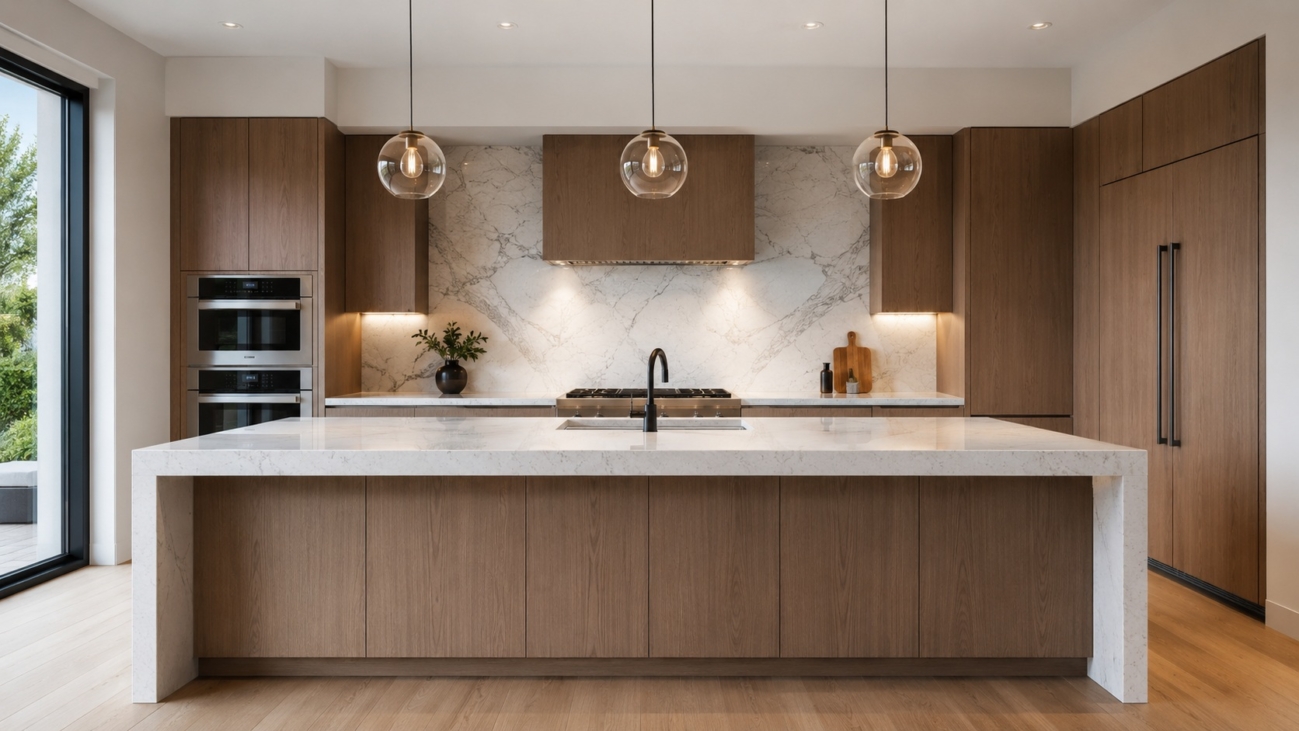
Kitchen Countertop Mistakes can turn an exciting kitchen renovation into daily frustration. A countertop is not just a surface for preparing food. It affects how your kitchen looks, how easy it is to clean, how smoothly you cook, and how well your renovation holds up under everyday Malaysian home use.
Many homeowners start by choosing a colour they love. That is understandable. A beautiful countertop can instantly change the feeling of a kitchen. But the smartest choices usually come from balancing design, material suitability, workmanship, maintenance, and lifestyle.
Here are the common mistakes to avoid before you confirm your kitchen countertop.
Kitchen Countertop Mistakes That Start With Choosing Looks Only
A stylish kitchen photo can be inspiring, but it should not be the only reason you choose a countertop material.
Some materials look luxurious but need more careful use. Some are easier to maintain but may have a more consistent engineered appearance. Others bring natural movement and character, but every slab can vary.
Mistake 1: Choosing a material before understanding your lifestyle
A family that cooks daily has different needs from a homeowner who mainly uses a dry kitchen for light preparation. A wet kitchen, rental unit, condominium, landed home, and commercial pantry may also require different considerations.
Before choosing, ask:
- Do you cook often?
- Do you use heavy pots and pans?
- Do you prefer easy day-to-day cleaning?
- Do you want a bold feature island or a subtle worktop?
- Will children, tenants, or guests use the kitchen often?
Quartz Stone is a popular option for Malaysian kitchens because it offers good scratch resistance and stain resistance under normal household use, with easy day-to-day maintenance. Granite Stone may suit homeowners who appreciate natural stone character. Marble can look elegant, but it usually needs more care. Sintered Stone and other ultra-compact surfaces may suit modern design preferences and selected applications.
The right countertop is not only the most beautiful one. It is the one that fits how you live.
Mistake 2: Ignoring wet kitchen and dry kitchen differences
In Malaysia, many homes separate the wet kitchen and dry kitchen. This is important because both areas work differently.
A wet kitchen usually handles heavier cooking, washing, oil, sauces, and hot cookware. A dry kitchen may focus more on serving, display, breakfast preparation, coffee, or light meals.
Choosing the same countertop for both areas can work, but it should be intentional. For example, a homeowner may want a durable, practical surface for the wet kitchen and a more design-led surface for the island or dry kitchen.
This is where professional consultation helps. A countertop specialist can guide you based on cooking habits, cabinet design, sink position, edge profile, and installation details.
Mistakes in Countertop Planning and Layout
A countertop should support your movement in the kitchen. If the layout is not planned properly, even a premium material can feel inconvenient.
Mistake 3: Forgetting about daily workflow
Good countertop planning supports simple daily routines:
- Washing vegetables
- Preparing ingredients
- Cooking
- Plating food
- Cleaning up
- Storing appliances
One common mistake is leaving too little preparation space beside the hob or sink. Another is placing appliances without thinking about plug points, heat, water splash, or cleaning access.
A beautiful countertop should still feel practical on a busy weekday evening. The best kitchen designs make cooking feel natural, not like an obstacle course.
Mistake 4: Not planning sink, hob, and appliance cut-outs early
Countertop fabrication depends on accurate measurements and cut-out details. If the sink, hob, tap, water filter, or built-in appliance is changed too late, it can affect the final result.
Before fabrication, confirm:
- Sink type and size
- Hob model and cut-out requirement
- Tap and accessory holes
- Cabinet dimensions
- Backsplash design
- Island size and overhang
- Appliance placement
This is especially important for stone countertops because precision affects both appearance and long-term performance.
Material Value Mistakes Homeowners Often Overlook
A countertop should be viewed as a long-term part of the kitchen, not a quick decorative add-on.
Mistake 5: Focusing only on the surface colour
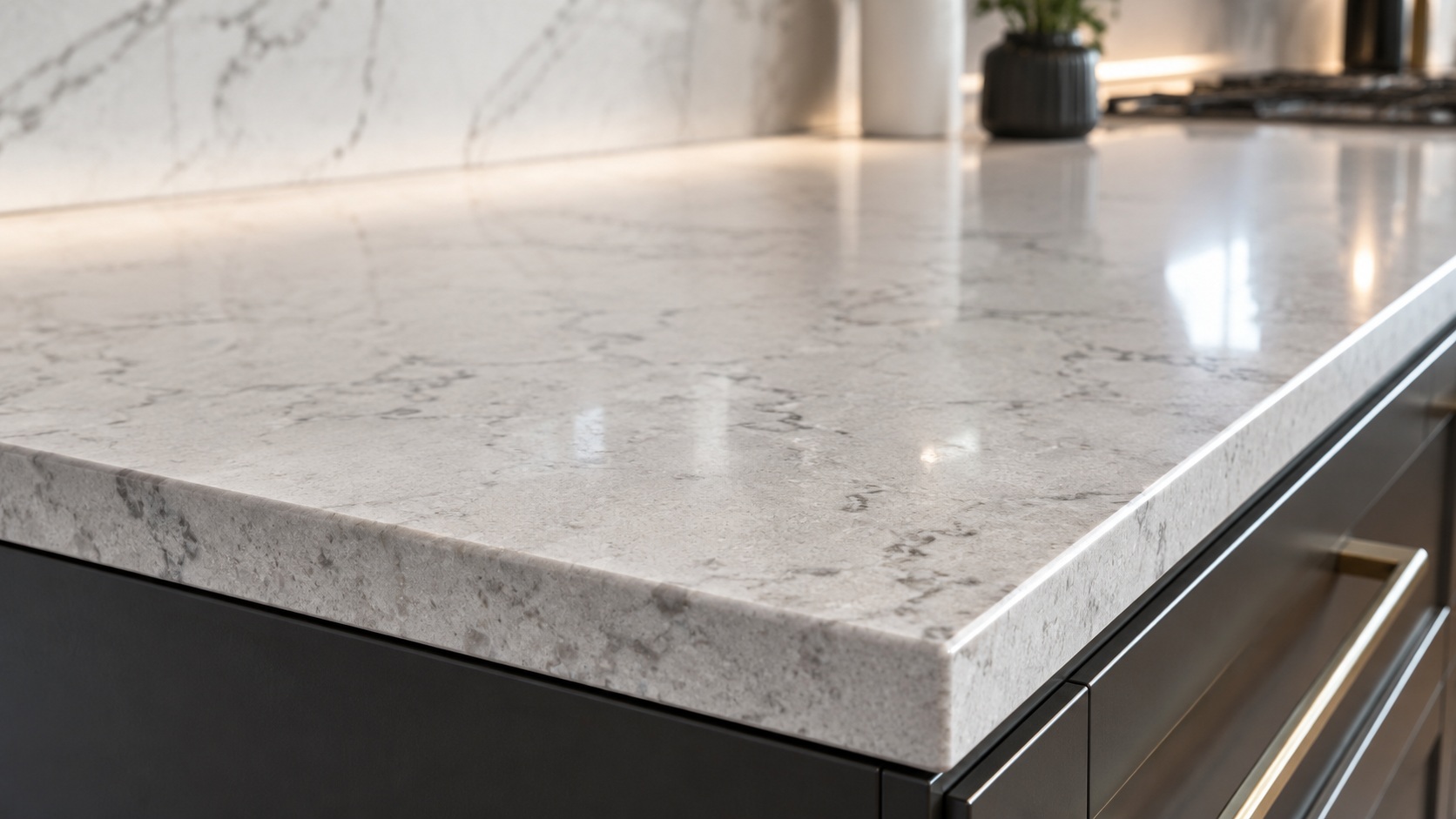
Colour matters, but surface performance, thickness, finishing, and workmanship matter too.
For Quartz Stone in the Malaysian market, 15mm and 20mm are common thicknesses. The right choice depends on the design, cabinet support, edge detail, and overall kitchen concept. For Granite Stone, 18mm and above may be relevant depending on the selected stone and application.
Homeowners should also look at:
- Pattern consistency
- Slab selection
- Edge profile
- Joint placement
- Sink support
- Installation quality
- Care requirements
A premium-looking countertop can lose its appeal if the details are poorly planned. On the other hand, a well-selected and well-installed countertop can make the whole kitchen feel more refined.
Mistake 6: Assuming every stone performs the same way
Different surfaces behave differently. This is one of the most common Kitchen Countertop Mistakes homeowners make during renovation.
Quartz Stone is engineered and known for consistent colours, easy maintenance, and suitability for many modern kitchens. Granite Stone is natural and each slab has its own unique pattern. Marble offers an elegant look but is generally more sensitive to staining, etching, and daily wear. Solid Surface can be shaped smoothly for certain design applications, while sintered and compact surfaces may suit selected modern design needs.
No material should be treated as indestructible. Even durable materials need proper care, correct installation, and suitable use.
Installation Mistakes That Affect the Final Kitchen
Countertop installation is where design becomes real. Small details can make a big difference.
Mistake 7: Underestimating workmanship
A stone countertop is custom measured, fabricated, delivered, and installed. This process requires skill.
Poor workmanship may lead to visible joints, uneven support, awkward edges, poor alignment, or future inconvenience. The countertop must work with the cabinet, wall condition, sink, hob, backsplash, and site measurement.
SolidTop Sdn Bhd provides countertop design, stone material supply, custom fabrication, and professional installation for residential and commercial spaces. This one-stop approach helps homeowners coordinate the countertop process more smoothly, from material selection to installation.
Mistake 8: Choosing the wrong edge profile
Edge profiles affect both appearance and comfort. A straight edge gives a clean modern look. A pencil edge softens the feel. A bevel edge adds a neat detail. A bullnose edge can feel rounded and classic. A waterfall edge is often used for kitchen islands where the countertop continues down the side for a more premium effect.
The mistake is choosing an edge profile only from a small sample photo. Consider your cabinet style, family usage, island design, and cleaning preference.
For homes with children or high daily traffic, comfort and practicality should be part of the decision.
Countertop Care Mistakes After Installation
Even a good countertop needs good habits. Proper care helps maintain its appearance over time.
Mistake 9: Treating the countertop as heat-proof or scratch-proof
This is a major misunderstanding.
Quartz Stone may be scratch-resistant and stain-resistant under normal household use, but it should not be described as scratch-proof, stain-proof, or heat-proof. Very high direct heat should be avoided. Use trivets for hot cookware and chopping boards for cutting.
The same practical mindset applies to other stone surfaces. Different materials have different strengths, but careful daily use protects your investment.
Mistake 10: Using harsh cleaning methods
Many homeowners over-clean their countertop with strong chemicals, abrasive pads, or unsuitable cleaners. This can dull the surface or affect the finish depending on the material.
For daily cleaning, a soft cloth, warm water, and mild detergent are usually suitable for many countertop surfaces. Spills should be cleaned promptly, especially sauces, coffee, oil, and coloured liquids.
The Natural Stone Institute also recommends cleaning stone surfaces with neutral cleaner, stone soap, or mild liquid dishwashing detergent and warm water. Source: https://www.naturalstoneinstitute.org/consumers/care/
When in doubt, follow the care guidance for your specific material.
How to Avoid Kitchen Countertop Mistakes Before You Confirm
The easiest way to avoid regret is to slow down at the planning stage.
Start with practical questions
Before choosing your countertop, prepare these details:
- Kitchen type: wet kitchen, dry kitchen, island, pantry, or commercial counter
- Cooking habits: light, moderate, or heavy daily use
- Preferred look: modern, luxury, natural, minimalist, warm, or bold
- Maintenance expectation: low maintenance or willing to care more carefully
- Cabinet colour and backsplash direction
- Sink, hob, tap, and appliance details
This helps the consultant recommend a material that suits your real needs, not just the trend of the moment.
Compare materials by application, not popularity
A material that works beautifully in one home may not be the best fit for another. For example, a homeowner who loves dramatic natural patterns may appreciate granite or marble-inspired designs. A busy family may prefer the practical maintenance of Quartz Stone. A designer may explore sintered stone or compact surfaces for a specific modern concept.
The better question is not, “Which countertop is the most popular?”
The better question is, “Which countertop suits my kitchen, usage, design, and long-term expectations?”
Conclusion: Avoiding Kitchen Countertop Mistakes Starts With Better Planning
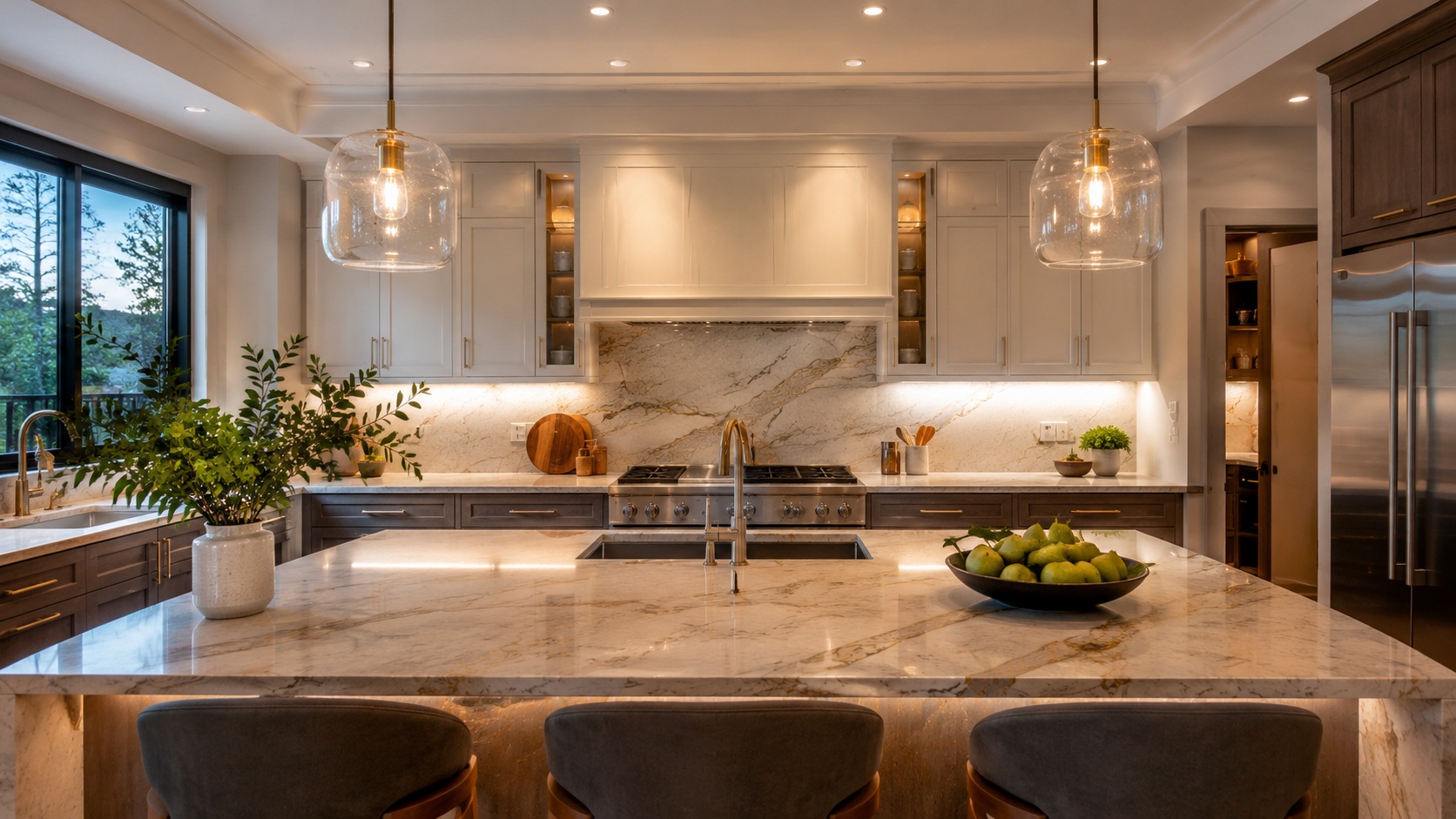
Avoiding Kitchen Countertop Mistakes is about making informed decisions before fabrication and installation begin. Choose based on lifestyle, kitchen workflow, material performance, care habits, and workmanship quality.
A well-planned countertop can make your kitchen feel more elegant, more practical, and easier to enjoy every day. Whether you prefer Quartz Stone, Granite Stone, Marble Stone, Sintered Stone, Solid Surface, Nano Surface, Terrazzo, Caesarstone, Silestone, or Compressed Marble, the most important step is choosing the right surface for the right application.
Need guidance for your kitchen countertop? Speak with SolidTop Sdn Bhdsolidtop.com.my for professional advice, material selection, custom fabrication, and installation support.
What are the most common Kitchen Countertop Mistakes homeowners make?
The most common mistakes include choosing by colour only, ignoring cooking habits, not confirming sink and hob details early, selecting the wrong edge profile, and assuming the surface is scratch-proof or heat-proof.
Which countertop material is suitable for Malaysian kitchens?
It depends on your usage. Quartz Stone is suitable for many Malaysian kitchens because it is easy to maintain and offers good resistance under normal household use. Granite, marble, sintered stone, and solid surface may also be suitable depending on design goals and care expectations.
Should I choose the same countertop for wet and dry kitchens?
You can, but it should depend on how each space is used. Wet kitchens usually need practical surfaces for heavier cooking, while dry kitchens or islands may allow more design-focused choices.
How can I protect my countertop after installation?
Use chopping boards, place trivets under hot cookware, clean spills promptly, and use mild detergent with a soft cloth for daily cleaning. Avoid harsh chemicals and abrasive pads unless they are suitable for your specific material.
Why is professional countertop installation important?
Professional installation helps ensure accurate measurement, proper cut-outs, suitable support, neat edge finishing, and better coordination with cabinets, sinks, hobs, and backsplash details.
Add a Comment